Understanding the Insect Light Trap with Glue Board: A Vital Tool in Pest Management
In a world where sustainable pest control is a growing concern, the insect light trap with glue board stands out as a deceptively simple yet highly effective solution. Often overlooked, these devices play a serious role in minimizing insect-borne diseases, protecting food supplies, and supporting hygienic environments across various industries worldwide.
Why does this matter globally? As the United Nations highlights, vector-borne diseases still affect millions annually, complicating public health efforts in both urban and rural settings.1 Meanwhile, industries like food processing or hospitality need reliable, eco-friendly methods to ensure sanitation compliance without relying on harmful chemicals. So, breaking down how the insect light trap works — and why pairing it with a glue board is smart — offers valuable insight.
Global Context: Facing a Common Challenge
Insect infestations are a persistent problem globally, exacerbated by climate change and growing urbanization. The World Health Organization estimates that diseases transmitted by insects (mosquitoes, flies, moths, etc.) account for over 700,000 deaths yearly.2 Traditional chemical pesticides, while useful, bring environmental and health risks, and pests often develop resistance.
Enter the insect light trap with glue board — a non-toxic method leveraging targeted light wavelengths to attract insects and then trap them on sticky surfaces, preventing escape and reducing reproduction. These devices not only mitigate the use of chemicals but also simplify monitoring pest populations, a win-win.
What Is an Insect Light Trap with Glue Board?
Simply put, it is a compact pest control device that uses ultraviolet or blue light to lure flying insects toward a glue-coated board where they become stuck. The glue board replaces traditional electric grids or zappers, offering a chemical-free and silent alternative.
Prevalent in industries where contamination is a concern, including food manufacturing, pharmaceuticals, and hospitals, these traps align with modern hygiene standards and environmental stewardship. Their simplicity masks their importance in meeting global sanitary and safety regulations.
Core Components and Features
1. Light Source
Most commonly UV or blue LED lamps emit wavelengths that insects find irresistible. LEDs are energy efficient and longer-lasting, reflecting advances in green tech.
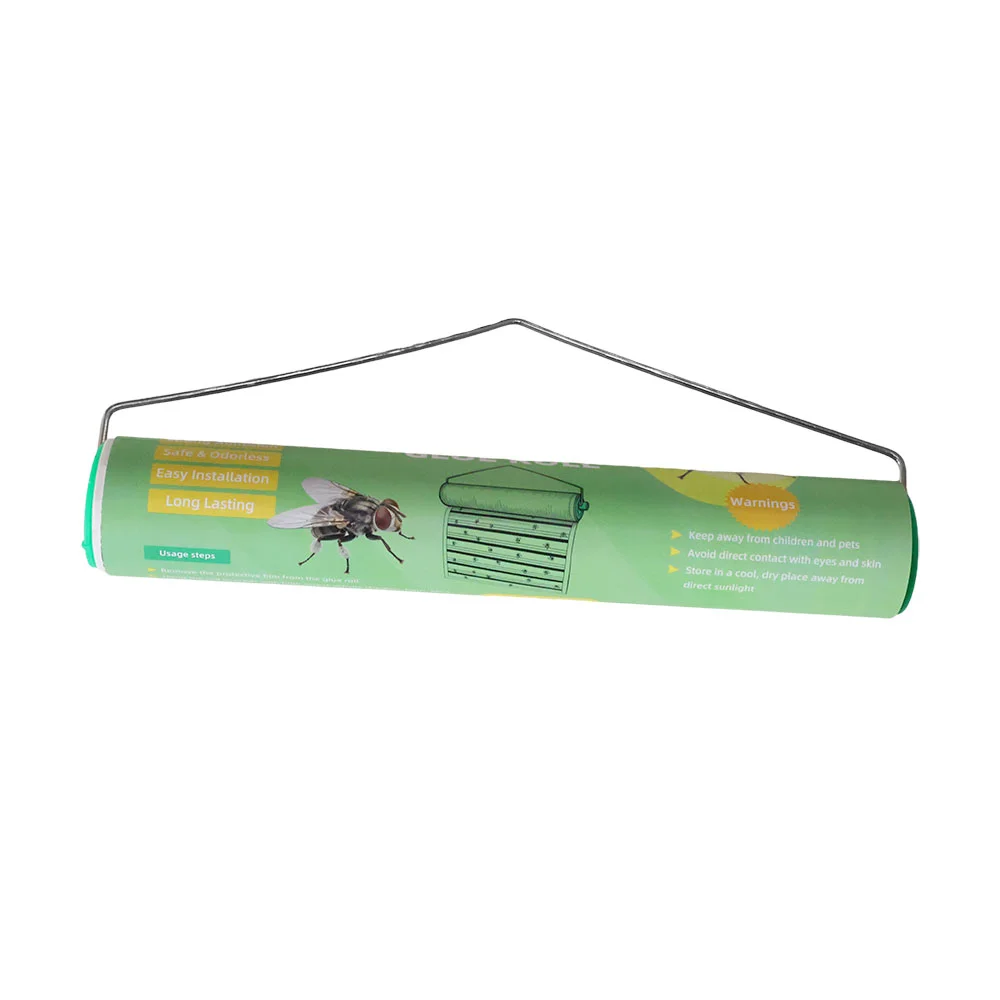
2. Glue Board
Essential for containment, the sticky surface must balance tackiness, durability, and ease of replacement. Quality boards prevent insect escape and don't interfere with surrounding materials.
3. Housing Materials
Durability matters: units often feature metal or high-grade plastic designed to resist corrosion, cleaning detergents, and physical impacts. This ensures longevity in demanding environments.
4. Ease of Maintenance
Replacing glue boards and cleaning lamps should be straightforward to encourage consistent upkeep. Modular designs mean less downtime and reduced labor costs.
5. Safety Features
Non-electric glue boards lower shock risks, and enclosed light sources shield users and food products from UV exposure, meeting workplace safety guidelines.
6. Scalability
From small kiosks to large food warehouses, trap sizes and intensities can be adjusted to fit specific needs, making them adaptable worldwide.
Mini Takeaway:
The insect light trap with glue board is a smart amalgamation of modern lighting technology and simple sticky trapping, with core attributes aimed at safety, efficiency, and user-friendliness.
Global Applications & Use Cases
- Food Industry: In factories and restaurants from Europe to Asia, traps maintain pest-free zones crucial for hygiene certifications.
- Healthcare Facilities: Hospitals in North America use these traps to curb disease vectors without chemical residues.
- Post-Disaster Relief: Insect control is critical after floods or earthquakes; glue board traps offer rapid deployment solutions in refugee camps.
- Urban Homes & Offices: Increasingly popular in apartment complexes globally for safe insect management.
For example, an organic vineyard in southern France integrated insect light traps with glue boards to monitor pest trends while avoiding insecticide use — boosting crop quality and export compliance.
Advantages and Long-Term Benefits
- Cost Efficiency: Low energy consumption (especially LED-based) and reduced chemical purchase costs.
- Environmental Sustainability: Non-toxic trapping aligns with sustainable pest management goals, reducing ecological footprints.
- Health and Safety: No airborne chemical residues, safe for use in sensitive settings.
- Reliability: Constant monitoring ability translates into proactive pest control rather than reactionary measures.
Plus, psychologically, it reassures workers and customers who associate visible, clean pest control with professionalism and care. It feels... well, responsible.
Technical Specifications of a Typical Insect Light Trap with Glue Board
| Specification |
Details |
| Light Source |
2 x 15W UV LED lamps |
| Glue Board Size |
35cm x 25cm standard |
| Material |
Powder-coated steel housing |
| Power Consumption |
30 watts total |
| Coverage Area |
Up to 100 m² |
Vendor Comparison: Popular Insect Light Traps with Glue Boards
| Feature |
Brand A |
Brand B |
Brand C |
| Lamp Type |
UV LED |
Fluorescent |
UV LED |
| Glue Board Size |
35 x 25 cm |
30 x 20 cm |
40 x 30 cm |
| Power Consumption |
30W |
40W |
28W |
| Price Range |
$$ |
$ |
$$$ |
| Ease of Maintenance |
High |
Medium |
High |
Future Trends & Innovations
The industry is advancing beyond basic glue boards and UV lights. Increasingly, manufacturers embed smart sensors to alert users remotely when boards need replacement or identify pest species digitally — quite impressive. Also, integration with solar panels and green energy sources supports sustainability embrace.
New adhesive materials that degrade naturally reduce environmental waste. Automated cleaning mechanisms are being trialed to reduce labor. And government policies encouraging non-chemical pest control methods support broader adoption globally.
Challenges & Solutions
Of course, no technology is perfect. Glue boards can dry out or become visually unpleasant if neglected. Some insect types are less attracted to light alone, requiring complementary methods.
Experts suggest combining traps with habitat modifications and regular sanitation for best results. Training staff on proper installation and maintenance is key, as is choosing the right specifications for the specific environment. Sometimes, multiple units are needed for full coverage — a logistical challenge in large facilities.
Frequently Asked Questions About Insect Light Trap with Glue Board
- How often should I replace the glue board in the light trap?
- Typically, glue boards should be replaced every 4 to 6 weeks or sooner if visibly full of insects. Regular replacement ensures optimal trapping efficacy and prevents the board from becoming a breeding ground.
- Are these traps safe to use around food processing areas?
- Yes, glue board traps are chemical-free and enclosed to prevent contamination, making them ideal for food industry compliance with hygiene standards. Just ensure regular maintenance and proper placement away from direct food contact.
- Can the insect light trap with glue board capture all types of flying insects?
- While highly effective for moths, flies, and gnats attracted to UV light, some insects may require additional control methods. Combining traps with sanitation and barrier measures ensures comprehensive pest management.
- Is energy consumption significant for these devices?
- Thanks to LED technology, power consumption is low (typically under 30 watts), making these traps eco-friendly and cost-efficient to operate continuously.
- How do I select the right trap size for my facility?
- Consider your coverage area and insect pressure. For small rooms, compact units suffice; larger warehouses benefit from bigger or multiple traps. Consulting with pest control professionals helps optimize selection.
Conclusion
Ultimately, the insect light trap with glue board offers an elegant balance between simplicity and effectiveness, dovetailing with modern demands for sustainable, safe, and reliable pest control. They are quietly transforming pest management across industries and geographies — with tangible benefits for public health, food safety, and environmental protection.
If you want to explore options or learn more about how these traps integrate with your operation, feel free to visit our website: insect light trap with glue board.
It’s a small device that packs quite a punch—sort of like an unsung cleanroom hero. I suppose that’s why many experts keep them close.
References
- World Health Organization: Vector-borne diseases
- United Nations Global Health Data
- Wikipedia: Insect trap