13 March 2026
Rodent infestations can cause serious problems in homes, farms, warehouses, and commercial facilities. Rats and mice contaminate food, damage structures, and spread diseases, making effective control essential. One of the most common and reliable pest control methods is using rodent traps. Understanding the different types of rodent traps available can help property owners choose the best solution for their specific situation.
Today’s market offers a wide range of options, from traditional snap trap designs to modern reusable metal mousetrap devices. Whether you are looking for simple mice traps for household use or heavy-duty outdoor rat traps for farms and industrial environments, selecting the right mouse trap or rat traps can significantly improve pest control results.
With the right placement and strategy, a well-designed mice killer system can quickly reduce rodent populations and prevent further infestations.、
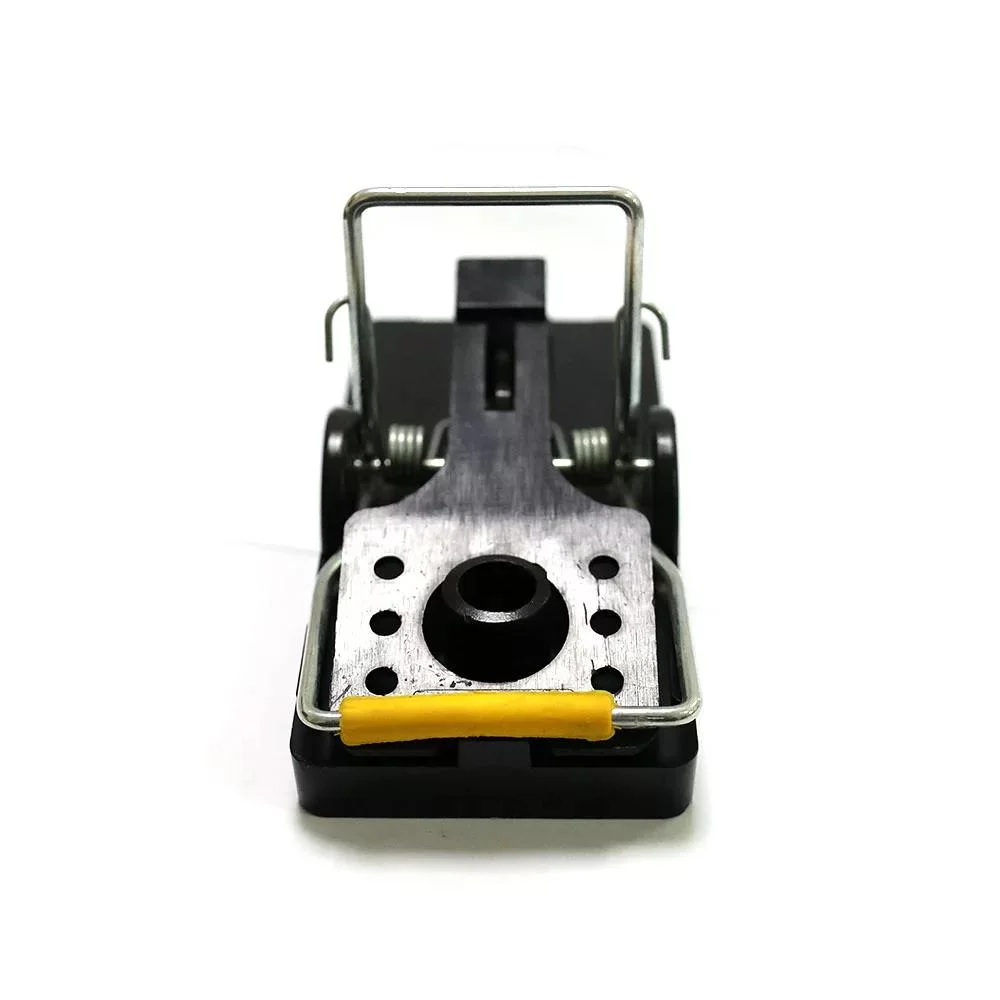
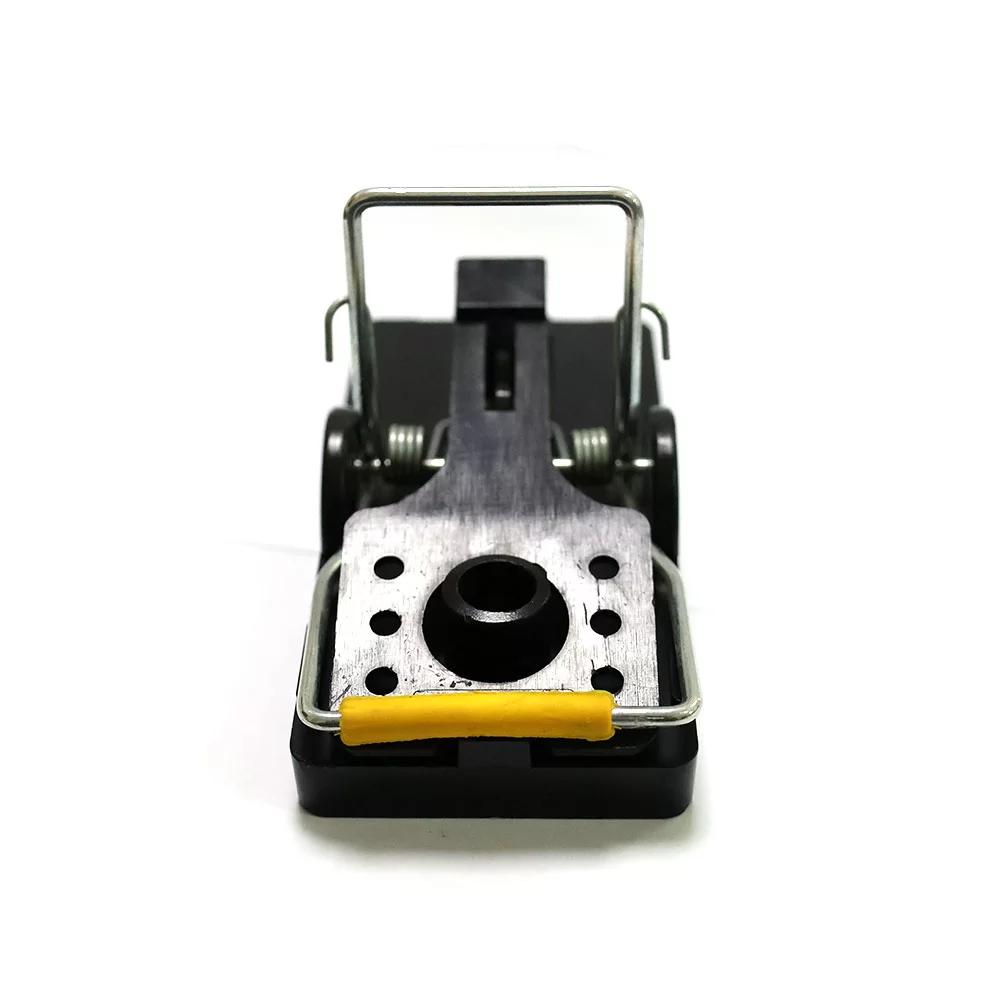
One of the most widely used solutions among the types of rodent traps is the classic snap trap. This trap uses a spring-loaded mechanism that snaps shut when a rodent triggers the bait plate. The fast action makes it one of the most effective mice killer solutions available.
A common variation of the snap trap is the metal mousetrap, which features a sturdy metal trigger and bar system. These traps are known for their durability and reliability, making them popular for both residential and commercial pest control.
Many people prefer the metal mousetrap because it can be reused multiple times and is easy to clean. When placed correctly along walls or near entry points, these mice traps can capture rodents quickly and efficiently.
Even though technology has introduced newer options, the traditional snap trap remains one of the most trusted rodent traps worldwide.
Modern pest control has introduced several improved designs of the traditional mouse trap. These traps often feature enhanced bait compartments, easy-set mechanisms, and safer designs for use around children or pets.
Many homeowners choose reusable plastic mice traps that combine the effectiveness of a snap trap with improved safety and convenience. These devices allow users to dispose of captured rodents without direct contact.
Another advantage of modern mouse trap designs is their ability to target rodents more precisely. Proper placement along walls, behind appliances, or in storage areas increases the success rate of these rodent traps.
Using multiple mice traps in strategic locations is often recommended to maximize effectiveness when dealing with larger infestations.
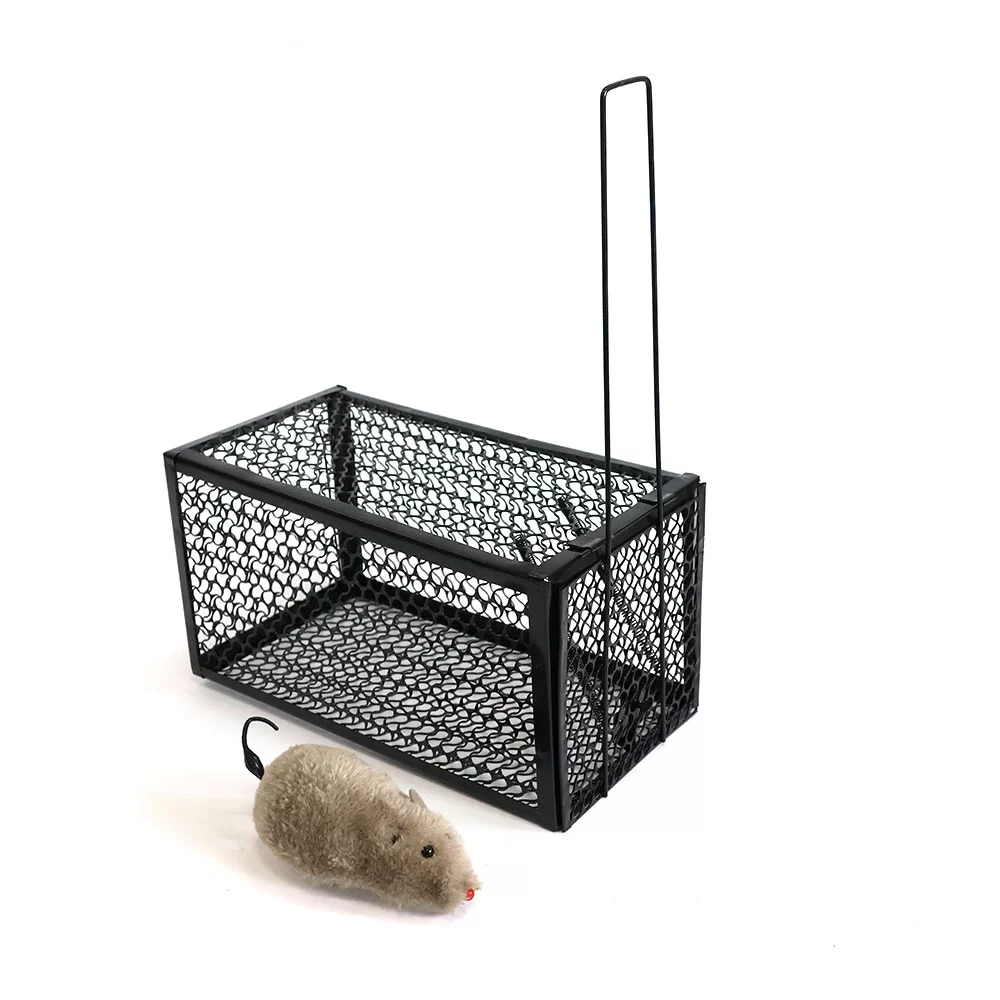
While mice can be handled with smaller traps, larger rodents require stronger rat traps. These traps are specifically designed with stronger springs and larger trigger plates to handle bigger rodents.
Many commercial pest control companies rely on heavy-duty rat traps because they provide fast and effective results. These traps function similarly to a snap trap, but they are built to withstand stronger rodents.
Industrial environments such as warehouses, farms, and food storage facilities often require multiple rodent traps placed throughout the building to prevent infestations.
Using the correct rat traps ensures that larger rodents are captured quickly, reducing the risk of damage and contamination.
Rodent control should not only focus on indoor environments. Many infestations begin outside, which is why outdoor rat traps are an important part of a comprehensive pest control strategy.
Outdoor rat traps are typically made from weather-resistant materials that can withstand rain, dust, and temperature changes. These rodent traps are commonly placed around building perimeters, gardens, barns, and waste disposal areas.
Farmers and property managers often rely on multiple outdoor rat traps to create a protective barrier that prevents rodents from entering buildings.
Combining outdoor rat traps with indoor mice traps and mouse trap devices provides a more effective long-term pest control solution.
When selecting among the various types of rodent traps, several factors should be considered to ensure effective pest control.
First, identify the rodent species. Smaller mouse trap designs are ideal for mice, while larger rat traps are necessary for bigger rodents.
Second, consider the location of the infestation. Indoor infestations can be managed using mice traps and metal mousetrap devices, while outdoor infestations require durable outdoor rat traps.
Third, evaluate the scale of the problem. Large infestations may require multiple rodent traps placed strategically around the property.
Finally, proper trap placement is essential. Positioning a snap trap or metal mousetrap along walls, near entry points, or close to food sources significantly improves the chances of success.
By choosing the right types of rodent traps and placing them correctly, property owners can effectively eliminate rodent problems and prevent future infestations.
Rodent infestations can cause significant damage and health risks if left uncontrolled. Fortunately, a wide variety of rodent traps are available to address these problems. From traditional snap trap and metal mousetrap designs to heavy-duty rat traps and durable outdoor rat traps, each solution serves a specific purpose.
Understanding the different types of rodent traps helps homeowners, farmers, and businesses choose the most effective tools for their pest control needs. Properly placed mice traps, mouse trap devices, and rat traps can function as an efficient mice killer system that quickly reduces rodent populations.
With the right strategy and reliable rodent traps, maintaining a clean, safe, and rodent-free environment becomes much easier.
Dec 22, 25
Commercial Towel Stand for Sale Bulk Orders
In the competitive world of hospitality, wellness, and fitness, every detail contributes to the customer experience.

Feb 15, 26
The Versatile Applications of Leg Traps in Modern Wildlife Management and Engineering

Dec 07, 25
What Is A Sticky Trap? Durable Pest Control Solutions for Industry | HB Archerfish