Why It Matters to Prevent Birds from Eating Blueberries
Every summer, blueberry farms brace themselves—not just for weather or pests, but the feathered menace that just won’t quit: birds. Preventing birds from eating blueberries isn’t just a small nuisance; it’s a significant global agricultural concern. Globally, blueberries have become a booming crop thanks to rising demand for their antioxidant-rich berries, with production figures ballooning in North America, Europe, and parts of Asia. Thus, understanding how to prevent birds from eating blueberries directly affects crop yields, farmers’ income, and even food prices.
There’s more to it than just protecting fruit, though. It touches on sustainability, wildlife management, and the ongoing balance between farming and biodiversity. So, let’s get right into how this problem is approached worldwide, what works, and what’s next.
The Global Challenge of Bird Damage in Blueberry Farming
Birds have feathery appetites that can rapidly reduce blueberry harvests by as much as 30% in some areas, according to USDA reports. This isn’t just a minor hit; it can make or break a season for smaller farms. Across the US, Canada, and beyond, growers collectively lose millions of dollars annually due to this problem.
Bird depredation is, frankly, a thorny problem: you want to protect your berries without harming wildlife or resorting to heavy chemical deterrents. The UN’s Food and Agriculture Organization (FAO) highlights the need to balance wildlife conservation with food production, recommending integrated bird management strategies that are both effective and humane. In this fight, timing matters, complexity grows with farm size, and every method needs to be thoughtfully tailored.
What Does It Really Mean to Prevent Birds from Eating Blueberries?
Simply put, the phrase “prevent birds from eating blueberries” means employing strategies to deter birds from feeding on blueberry crops. It blends agricultural science with wildlife management and often includes physical barriers, auditory or visual deterrents, and sometimes behavioral adaptations of bird populations.
In modern agriculture, it’s more than just keeping pests away. It’s about sustainable food production, reducing chemical use, and maximizing yield. Farmers need practical solutions that fit their specific environment and budget but also ensure ecological harmony — a pretty tall order if you ask me.
Core Components: Key Strategies to Keep Blueberries Bird-Free
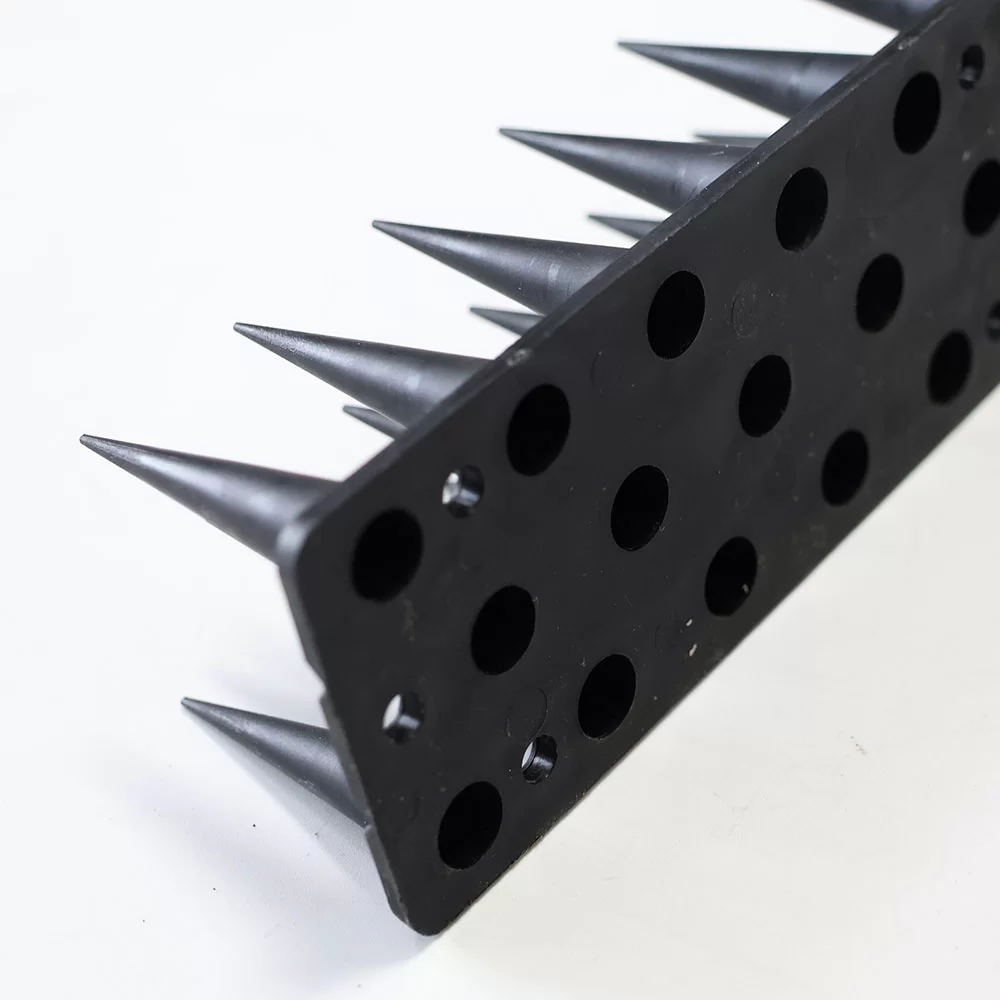
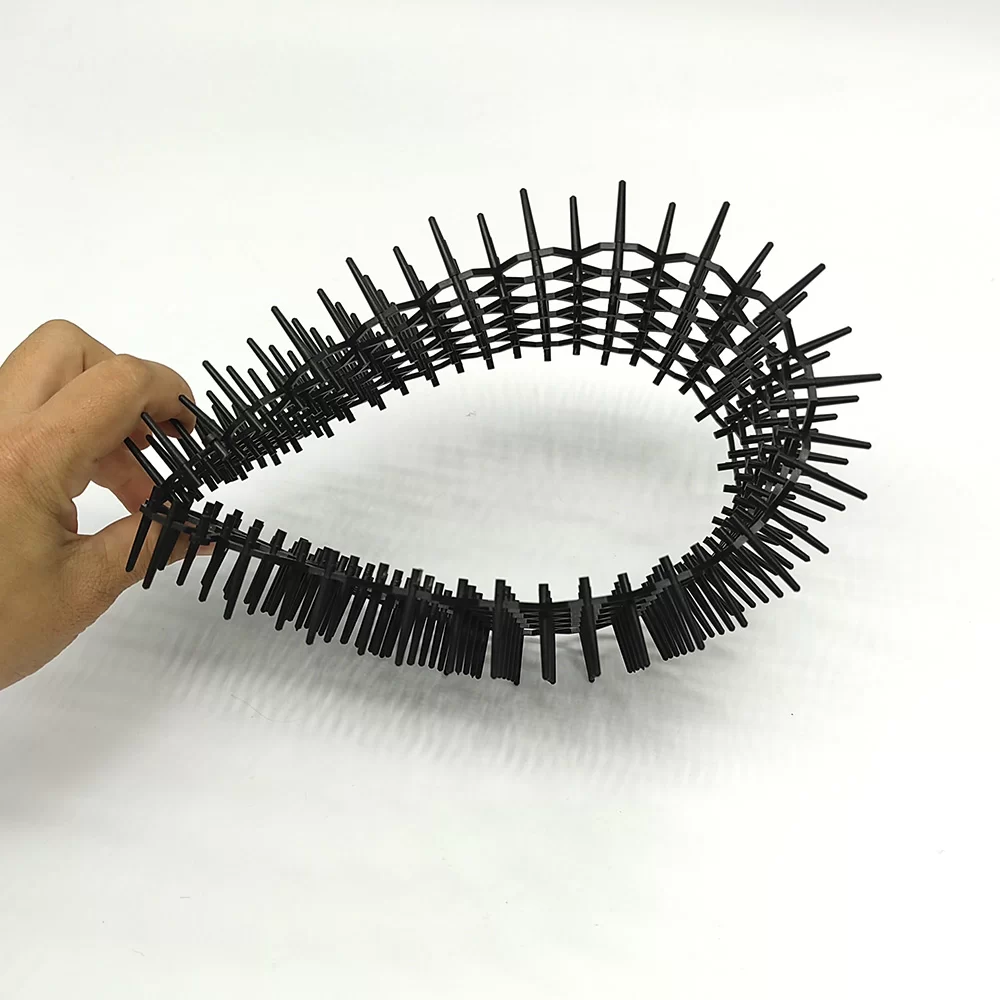
1. Physical Barriers
The most straightforward approach involves netting. Bird nets come in various grades and weave densities and act as a literal shield. They’re effective but can be labor-intensive to install. A robust net also protects from hail and other pests, so the investment sometimes feels like a no-brainer.
2. Visual Deterrents
Shiny tapes, scare balloons, and predator decoys are popular. While their success varies (birds get used to these things fast), combining multiple visual strategies often helps keep birds moving along rather than settling in for a feast.
3. Auditory Deterrents
Devices that emit distress calls or predator noises offer a tech-driven solution. Some growers swear by them, using solar-powered sound emitters to cover large areas without disturbing neighbors.
4. Habitat Modification
Altering the surrounding environment—removing perching spots or food sources—can reduce overall bird presence. It’s not always feasible but is often part of a multi-pronged approach.
5. Timing and Harvest Management
Early or staggered harvesting can minimize peak bird activity overlap. It’s a subtle but effective technique requiring close observation and planning.
Mini Takeaway:
Preventing bird damage on blueberries demands varied strategies. No single solution fits all, but combining physical and sensory deterrents with smart farm management can tip the odds in farmers’ favor.
Global Takeaways: Where and How It’s Done
Across North America, blueberry-focused regions like Maine, Michigan, and British Columbia invest heavily in bird netting and auditory deterrents. New Zealand’s growers emphasize integrated pest management, blending habitat tweaks with nets.
Some organic blueberry farmers in Europe shy away from chemical repellents and rely on natural bird scarers and habitat management. Meanwhile, industry groups like the North American Blueberry Council promote sharing best practices to help smallholders worldwide.
The challenge transcends continents, as you can imagine. Creating scalable, cost-effective, and eco-friendly bird deterrents is a priority no matter where blueberries grow.
Product Specification Table — Typical Bird Netting for Blueberries
| Specification |
Description |
| Material |
Polyethylene UV-stabilized mesh |
| Mesh Size |
15 mm x 15 mm typical |
| Roll Dimensions |
4 m width x 100 m length |
| Weight |
Approx. 250 g/m² |
| Expected Lifespan |
3 to 5 years under normal conditions |
Comparing Leading Vendors of Bird Deterrents
| Vendor |
Product Range |
Price Range |
Warranty |
Eco-friendliness |
| NetGuard Inc. |
UV-stable netting, tape, decoys |
$$$ |
5 years |
High (recyclable nets) |
| BirdSafe Solutions |
Sound emitters, visual tapes |
$$ |
2 years |
Medium |
| EcoFarm Supplies |
Organic repellents, netting |
$ - $$ |
1 year |
Very High (biodegradable materials) |
Why It’s Worth Investing in Bird Prevention
In terms of dollars and sense, preventing birds from eating blueberries clearly improves the farmer’s bottom line by protecting the yield. But beyond money, there’s an emotional connection: farmers want a fair day’s work without constant battles with nature. Sustainable, non-lethal control methods respect biodiversity and often garner community support.
Long-term, the value is in reliability, reducing crop loss year after year. There’s a deep satisfaction that comes with solving a practical farming challenge while supporting conservation—a win-win if ever there was one.
Future Trends You Should Keep an Eye On
Technology is steadily marching forward. For instance, AI-powered drones and motion sensors detect birds early and activate deterrents only when needed, reducing noise pollution. Introducing smart nets that can monitor farm conditions or changing patterns with embedded sensors is no longer sci-fi.
On the policy front, sustainable farming certifications increasingly require humane bird control methods, pushing innovation further into greener and wildlife-friendly territories. And then there’s bioacoustics advances, with customized bird distress calls that could target problem species without disturbing others.
Challenges & Clever Solutions
Birds learning to ignore deterrents is a big challenge. Installing nets is costly upfront and laborious. Also, netting can become a hazard if not maintained properly. Weather can cause quick wear and tear, leading to holes.
Innovators suggest combining deterrents with farm design changes—like strategic planting or alternate food sources away from crops. Some farmers use seasonal adjustments smartly, to dodge peak bird activity. Others lobby for community-wide coordinated bird management to improve overall effectiveness.
FAQ: Frequently Asked Questions About Preventing Birds from Eating Blueberries
- Q: What is the most effective way to stop birds from eating blueberries?
A: Most growers find that tightly installed bird netting combined with visual deterrents provides the best protection. Using multiple techniques together reduces bird habituation and protects the crop season-long.
- Q: Are bird nets safe for the birds themselves?
A: Yes, when properly installed and maintained, nets act as a harmless physical barrier without trapping or hurting birds. Choosing UV-stabilized, wildlife-safe nets is key.
- Q: Can bird deterrents affect neighboring wildlife or pets?
A: Visual and auditory methods may disturb local birds or pets if used indiscriminately. It's best to choose targeted methods and keep sound levels moderate to minimize impact.
- Q: How long does bird netting usually last in blueberry fields?
A: Depending on materials and weather, quality netting lasts about 3 to 5 years. Regular checks prevent damage and prolong net effectiveness.
Wrapping Up: Why This Matters for Your Blueberry Farm
Tackling how to prevent birds from eating blueberries is both an age-old problem and a modern agricultural necessity. From enhancing yields and incomes to promoting sustainable practices, the right approach pays off in multiple ways.
If you’re a grower, experimental and integrated methods will likely be your best bet. Stay informed about innovations and share your findings—farmers have always learned best from their neighbors.
For more tips and trusted product recommendations, check out prevent birds from eating blueberries resources and solutions. Because your berries deserve the best defense.
References & Further Reading
- FAO - Food and Agriculture Organization, United Nations
- USDA National Agricultural Statistics Service
- Wikipedia: Blueberry