Yellow Sticky Traps for Aphids: A Tried-and-True Industrial Solution
Having spent well over a decade working hands-on in the industrial equipment sector—specifically in agricultural pest control—I can admit I’ve developed a certain respect for yellow sticky traps. These humble, tacky devices seem straightforward, but their ongoing effectiveness against aphids never ceases to impress me. Yellow sticky traps aphids may sound simple, but in practice, they’re anything but.
First off, why yellow? Turns out aphids and a variety of other pests are naturally drawn to the color yellow. It kind of mimics the tones of fresh leaves, making these bugs wander right onto the sticky surface, where they remain, effectively trapped. There's a bit of old-school charm in this method, especially compared to high-tech chemical alternatives. Plus, it’s non-toxic—something I’m particularly fond of given how often I’ve seen overuse of pesticides wreak havoc.
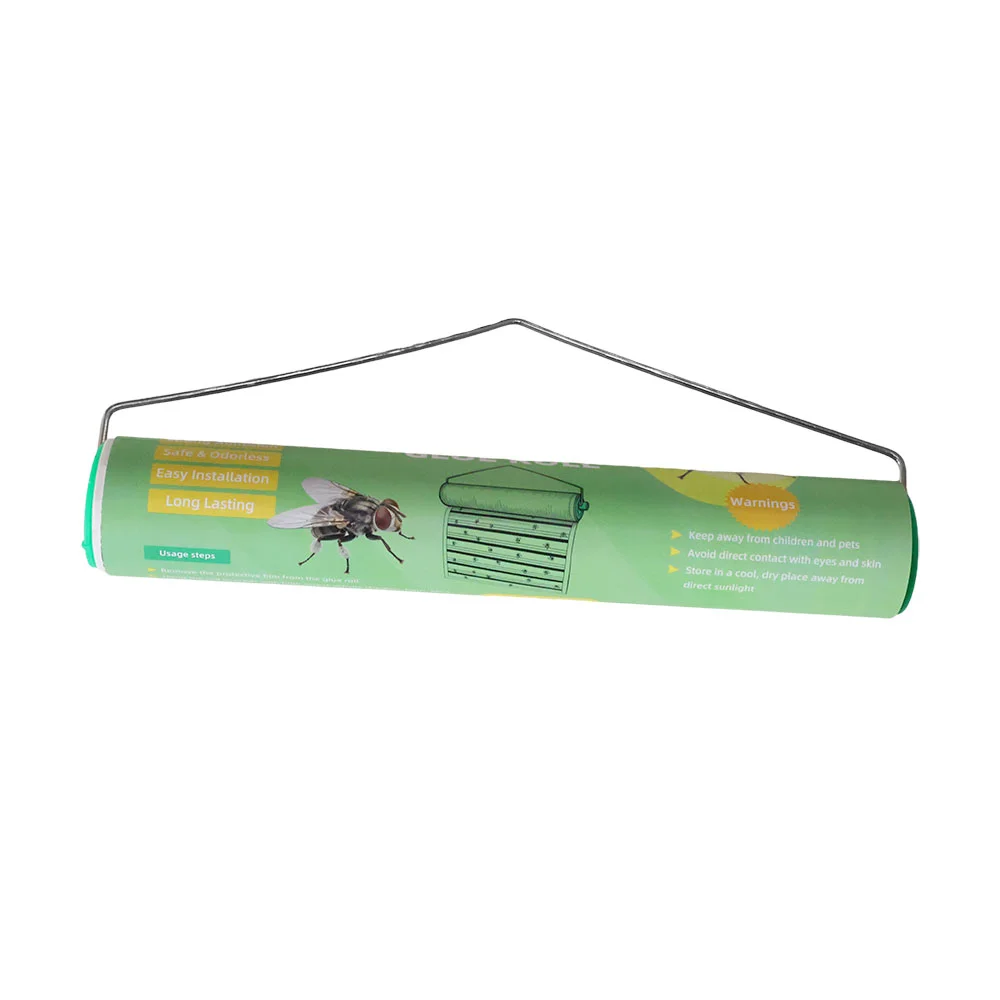
Now, regarding product design—these traps typically come as brightly colored, glossy paper or plastic cards coated with an adhesive that remains tacky for several weeks. Frankly, from a materials standpoint, the trick is balancing tackiness with longevity. Too sticky and dirt and debris clog up the surface fast; too weak and the aphids escape. In my experience, the best traps often use a UV-resistant coating to stay vibrant despite harsh UV exposure in the field, extending their useful life.
Here’s a quick specs rundown based on some popular industrial yellow sticky traps:
| Feature |
Typical Specs |
| Color |
Bright yellow (reflectance ~580nm) |
| Dimensions |
10 x 25 cm (varies by vendor) |
| Adhesive type |
Non-toxic, UV-resistant tacky glue |
| Longevity |
Up to 6 weeks in outdoor settings |
| Applications |
Greenhouses, orchards, vegetable crops |
One thing many engineers in our field often point out is how customizable these traps can be. From size adjustments to the addition of pheromone lures, the options abound. I remember working with a small fruit orchard owner who had serious aphid troubles—he started using these traps as a monitoring tool before even considering pesticide application. He noticed a drop in aphid numbers over the season, and fewer chemicals used. That kind of application is, frankly, the sweet spot of sticky traps: low-tech but highly effective integrated pest management.
Of course, not all vendors churn out equal products. So, here’s a quick side-by-side of three prominent yellow sticky trap suppliers I’ve dealt with over the years:
| Vendor |
Adhesive Quality |
UV Resistance |
Price per Pack (50 units) |
Customization Options |
| PestGuard Inc. |
High tack, lasts 6 weeks |
Excellent UV coating |
$45 |
Custom sizes, pheromone addition |
| EcoTrap Solutions |
Moderate tack, 4 weeks |
Standard UV protection |
$38 |
Biodegradable material option |
| GreenField Tech |
Lower tack, 3 weeks max |
Minimal UV resistance |
$30 |
Standard sizing only |
From this, it’s clear that while cost matters, the longevity and material quality usually justify a slightly higher price, especially for long-term use in harsh outdoor environments.
Beyond trapping aphids, these sticky traps are also fantastic early warning systems. You place them strategically, and when you start seeing counts rise, you know to ramp up your pest control protocols before things get out of hand. That’s the kind of practical utility that, in real terms, saves growers time and money. It’s simple and it works.
Ultimately, I suppose what keeps me recommending yellow sticky traps is their blend of simplicity, environmental friendliness, and consistent performance. In an industrial landscape that’s always chasing the next disruptive tech, there’s something oddly comforting about sticking with what’s proven. And if you’re dealing with aphids, these traps can become one of your best allies.
For those interested in trying reliable yellow sticky traps for aphid control, exploring options from seasoned providers like yellow sticky traps aphids vendors can be a great start.
In closing, the key takeaway for anyone in the field is this: yellow sticky traps are not just for amateur gardeners. They’re a solid, industrial-grade tool, proven by decades of use, adaptable, and straightforward. I’ve seen them make a difference time and again.
- “Color Attraction and Adhesive Performance of Yellow Sticky Traps,” Journal of Pest Science, 2018.
- Industry Report: Integrated Pest Management Strategies for Aphid Control, 2022.
- Field Manual: Agricultural Pest Monitoring and Control, 5th Ed., 2021.