Yellow Sticky Trap Use: Strong Glue, Pest Control, Easy Setup

27 October 2025

Practical Guide to Yellow Sticky Trap Use in Greenhouses and Fields

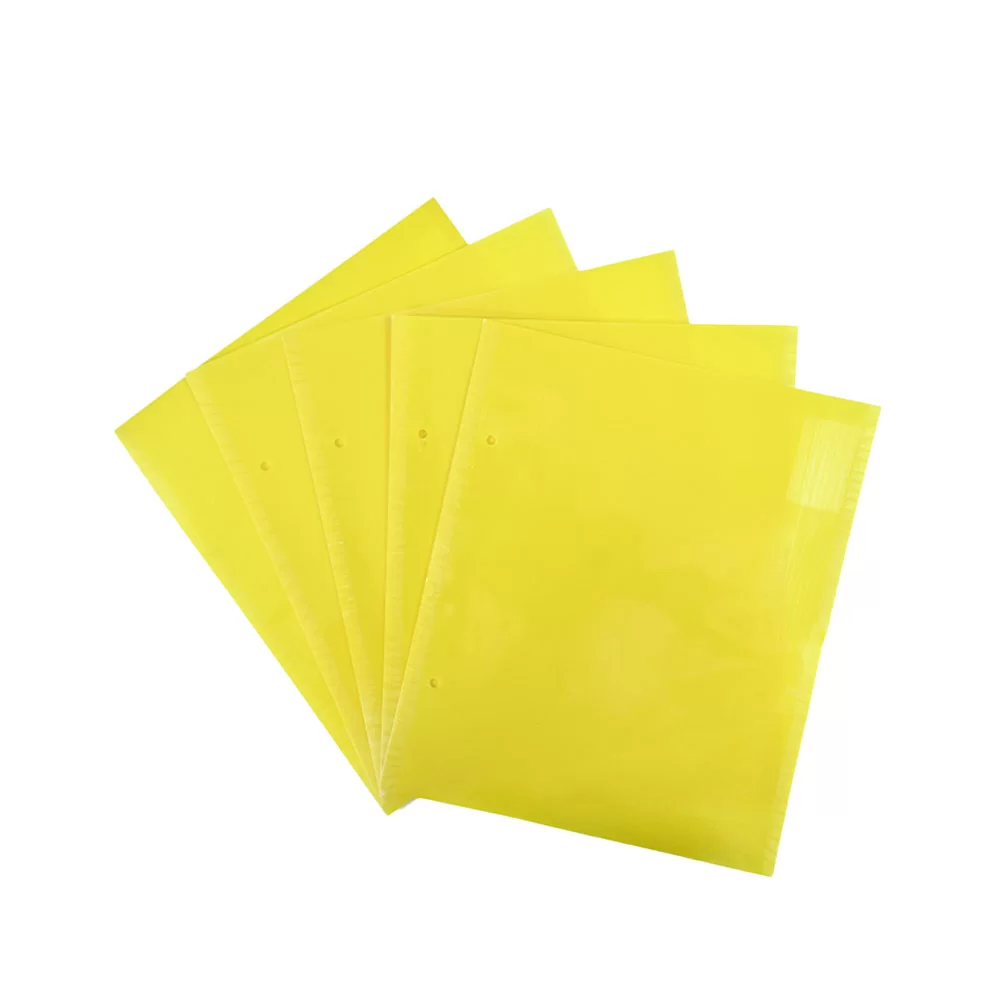
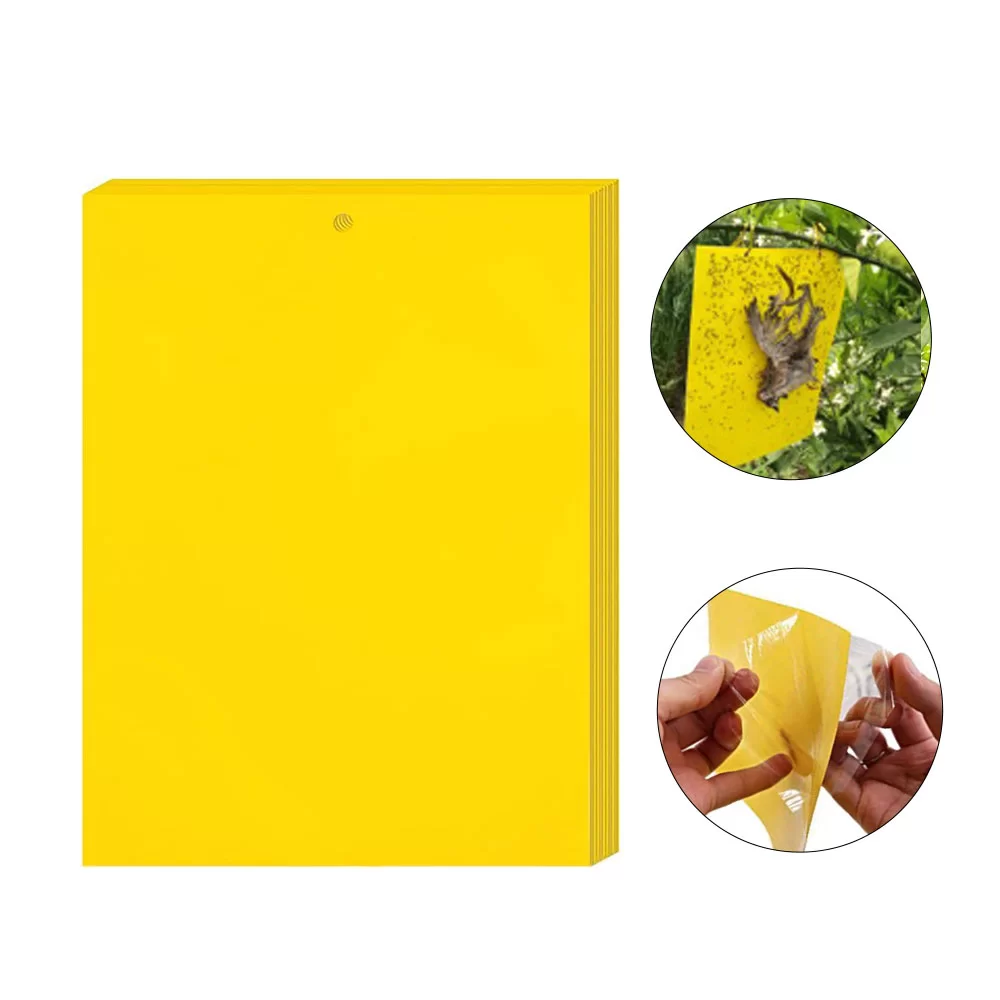
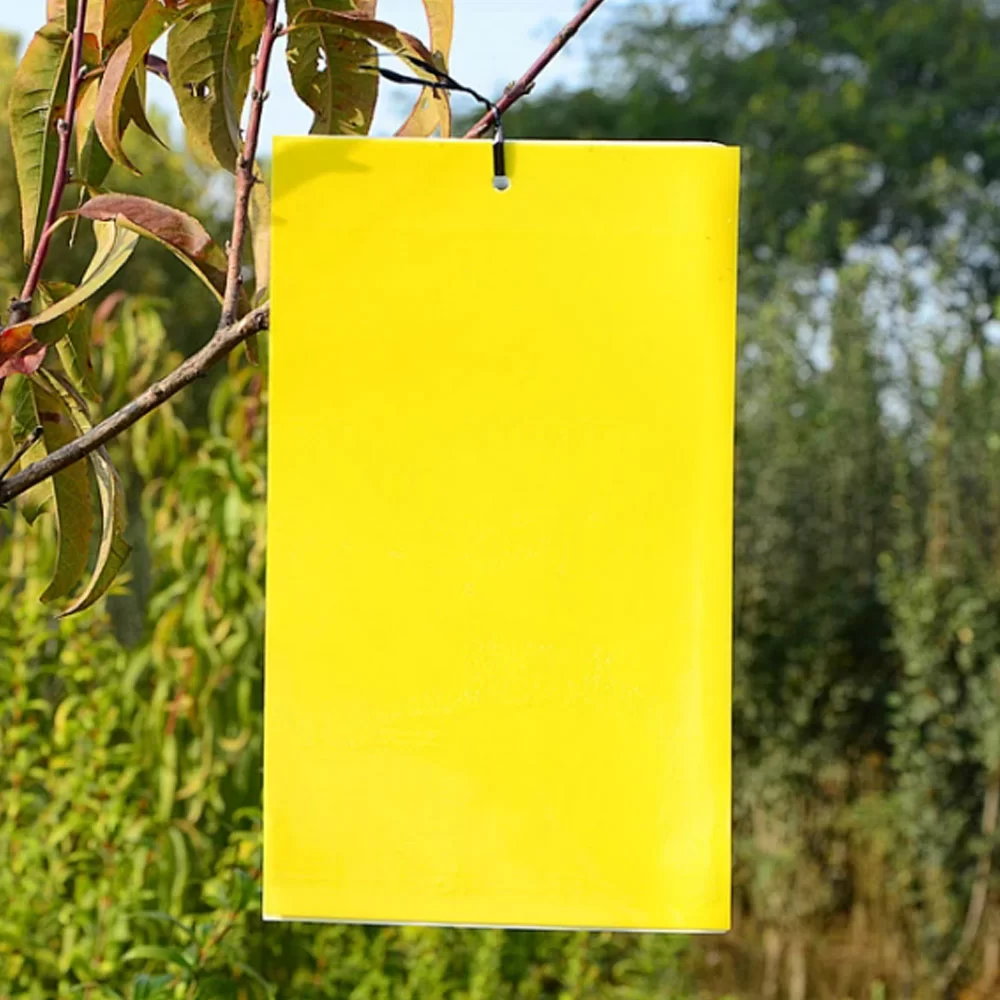
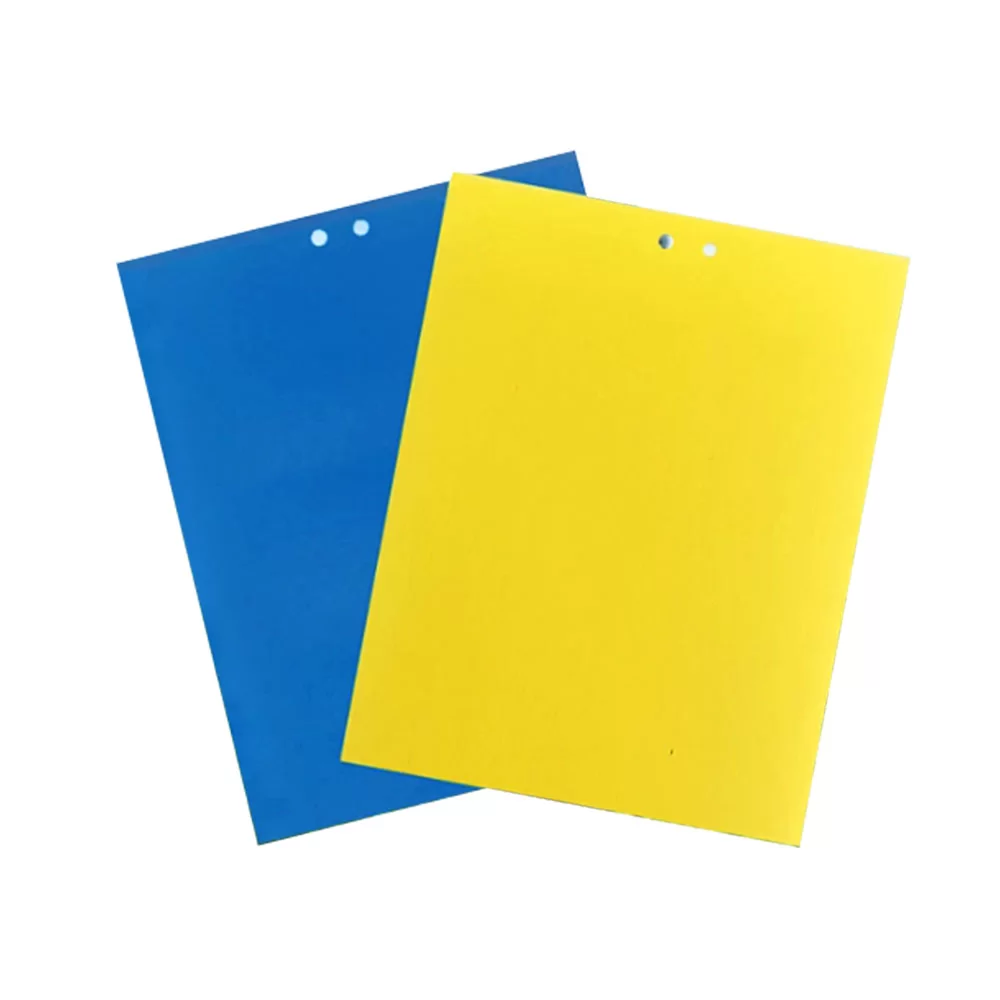
If you’ve ever cracked a greenhouse door at dawn and seen aphids clouding the air like dust motes, you already understand why yellow cards are everywhere. The Sticky Trap from Tianlin Building, Shijiazhuang City, China, leans on a simple truth: many soft-bodied pests navigate by color. Yellow—right around that 560–590 nm sweet spot—pulls them in; a UV-stable adhesive keeps them there. It sounds almost too simple, but in integrated pest management (IPM), simple plus repeatable tends to win.
Yellow Sticky Trap Use

What’s driving adoption right now

Growers are trimming synthetic sprays, leaning on biologicals, and yes—on Yellow Sticky Trap Use. In commercial tunnels, vertical farms, and cannabis facilities, these cards double as early-warning sensors and as quiet, 24/7 catchers. Many customers say traps help them time releases of predators (Aphidius, Encarsia) with fewer surprises. To be honest, the better glues today also hold up longer under brutal light.
Yellow Sticky Trap Use

Quick specs (real-world focused)

ParameterSticky Trap (typ.)
SubstrateUV-stabilized PP film (≈0.25–0.35 mm)
AdhesiveHigh-tack hot-melt, pressure-sensitive; low-VOC
Color targetYellow peak reflectance ≈570 nm (CIE Lab controlled)
Coat weight≈35–45 g/m² per side (double-sided optional)
Sizes10×25 cm, 20×25 cm, or custom die-cuts with hang holes
Service life6–12 weeks outdoors (UV-index dependent); longer indoors
Operating temp-5 to 55°C (adhesion verified per ASTM D3330)
ComplianceRoHS/REACH materials; ISO 9001 factory
Yellow Sticky Trap Use

How it’s made and tested

  • Materials: PP film, UV masterbatch, hot-melt PSA, release liner.
  • Methods: corona treatment, color-matched coating, precision glue roll, die-cut, QC.
  • Testing: peel adhesion (ASTM D3330), UV weathering (ASTM G154), colorimetry vs target Lab, migration per REACH Annex XVII.
  • Typical service life: 1–3 months greenhouse; real-world use may vary with heat, dust, and irrigation splash.
  • Industries: horticulture, seedling nurseries, orchard trials, mushroom houses, indoor grow rooms.

Where Yellow Sticky Trap Use shines

  • Monitoring: early detection of aphids, whiteflies, leafminers, fungus gnats.
  • Suppression: background catch reduces pressure between biological releases.
  • Residue-free zones: propagation benches, retail garden centers, cannabis grow rooms.

Vendor snapshot (what buyers compare)

Vendor Glue weight UV hold Customization Certs Lead time
Archerfish (Sticky Trap) ≈40 g/m² 8–12 wks Color, size, logo ISO 9001, REACH ≈15–25 days
Vendor A ≈30 g/m² 6–8 wks Limited ISO 9001 ≈20–30 days
Vendor B ≈45 g/m² 10–12 wks Wide ISO 9001, RoHS ≈25–35 days
Yellow Sticky Trap Use

Field notes and case data

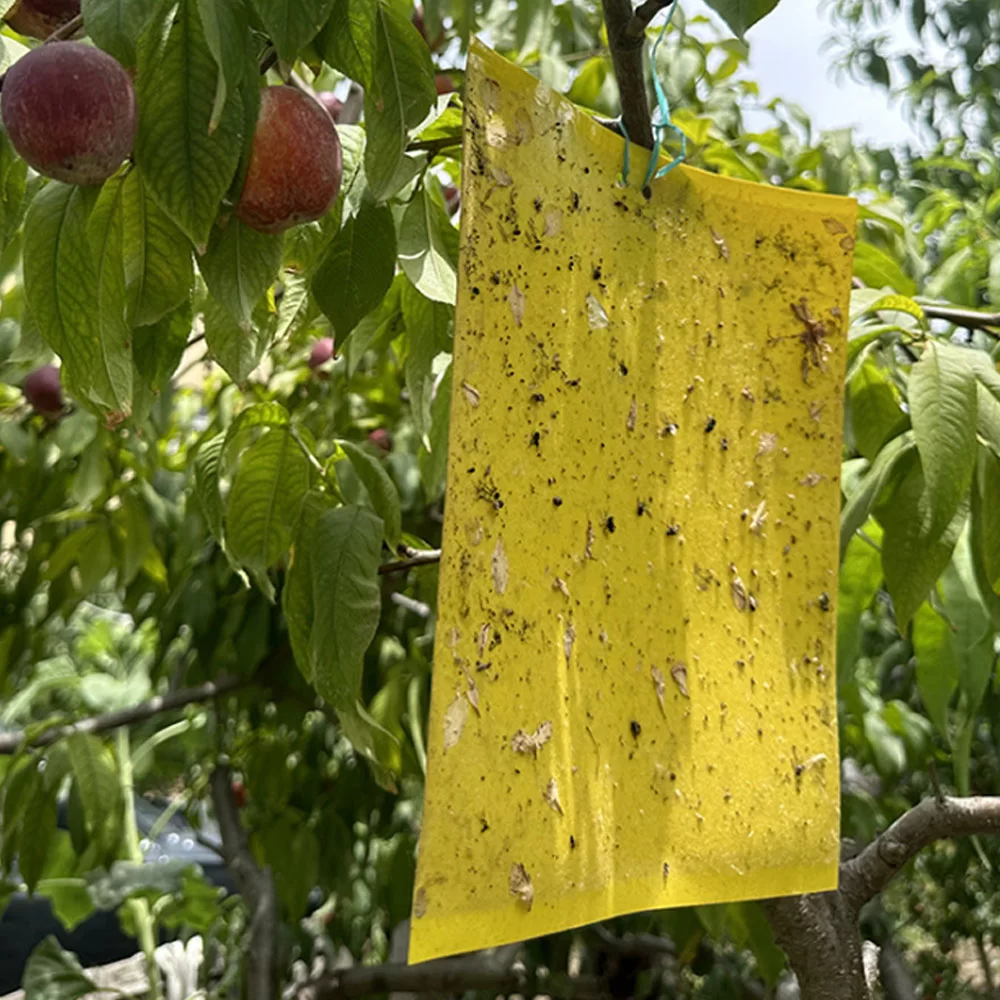
Shandong tomato house, summer cycle: 1 card/10 m², cards swapped every 3–4 weeks. Result: whitefly counts at canopy fell ≈58% versus control bays; foliar sprays cut from 5 to 2 applications. A Dutch cucumber trial we followed casually showed aphid pressure dipping ≈40% with denser placement (1/5 m²). Not lab perfection, but the trend repeats. One grower told me, “When cards go gray with gnats, I know irrigation needs tweaking.”
Yellow Sticky Trap Use

How to deploy (the quick version)

  • Density: start 1 card/10–20 m² for monitoring; 1/2–5 m² for suppression.
  • Height: canopy level; raise as plants grow. Keep surfaces clean for visibility.
  • Timing: install before pest flights; replace on clogging or every 3–4 weeks.
  • Safety: keep away from pollinators; fold edges near bee hives; dispose as non-hazardous solid waste.
  • Integrate: pair with biologicals and thresholds per IPM guides; track weekly counts.

Final thought: Yellow Sticky Trap Use is not a silver bullet, but it’s a low-cost sensor and steady reducer rolled into one. In fact, that mix is why it keeps surviving new ag-tech waves.

Citations

  1. FAO. Integrated Pest Management Guidelines for Horticultural Crops. https://www.fao.org
  2. ASTM D3330. Standard Test Method for Peel Adhesion of Pressure-Sensitive Tape. https://www.astm.org
  3. ASTM G154. Standard Practice for UV Exposure of Nonmetallic Materials. https://www.astm.org
  4. ISO 9001:2015 Quality Management Systems — Requirements. https://www.iso.org
The Versatile Applications of Leg Traps in Modern Wildlife Management and Engineering

Feb 15, 26

The Versatile Applications of Leg Traps in Modern Wildlife Management and Engineering

Leg traps, often associated with historical hunting practices, represent a surprisingly versatile and increasingly relevant technology in modern applications. While traditionally employed for capturing animals, the core principles of controlled engagement, reliable triggering mechanisms, and secure containment are being adapted for a range of critical functions, from wildlife management and invasive species control to innovative engineering solutions. Understanding the intricacies of leg traps, beyond their historical context, offers valuable insights into mechanics, material science, and responsible resource management. The global need for effective and adaptable capture and control mechanisms is growing. Climate change is shifting animal distributions, leading to increased human-wildlife conflict. Invasive species threaten biodiversity and agricultural productivity. Furthermore, advancements in engineering often require robust and reliable components for testing and containment.
Understanding Animal Traps Design Applications and Ethical Considerations

Feb 05, 26

Understanding Animal Traps Design Applications and Ethical Considerations

Animal traps, encompassing a broad range of devices designed to remotely catch or restrain animals, are critical tools in a diverse set of fields. From wildlife management and conservation efforts to pest control and scientific research, these implements play a significant role in our interaction with the animal kingdom. Understanding their design, functionality, and ethical considerations is paramount for responsible and effective application. Globally, the use of animal traps is governed by varying regulations and ethical frameworks, reflecting differing cultural perspectives and conservation priorities. The need for effective and humane trapping methods is driven by increasing human-wildlife conflict, the spread of invasive species, and the imperative to protect endangered populations. According to the IUCN, sustainable wildlife management, often involving carefully deployed traps, is crucial for maintaining biodiversity and ecosystem health. The modern iteration of animal traps represents a significant advancement from historical predecessors.
Yellow Sticky Traps For Garden Pests – Effective Pest Control Solutions for Industry | HB Archerfish
Dec 03, 25

Yellow Sticky Traps For Garden Pests – Effective Pest Control Solutions for Industry | HB Archerfish

Yellow Sticky Traps For Garden Pests is a key solution […]
Make Gardening Easier with Garden Kneeling Pad

Oct 21, 25

Make Gardening Easier with Garden Kneeling Pad

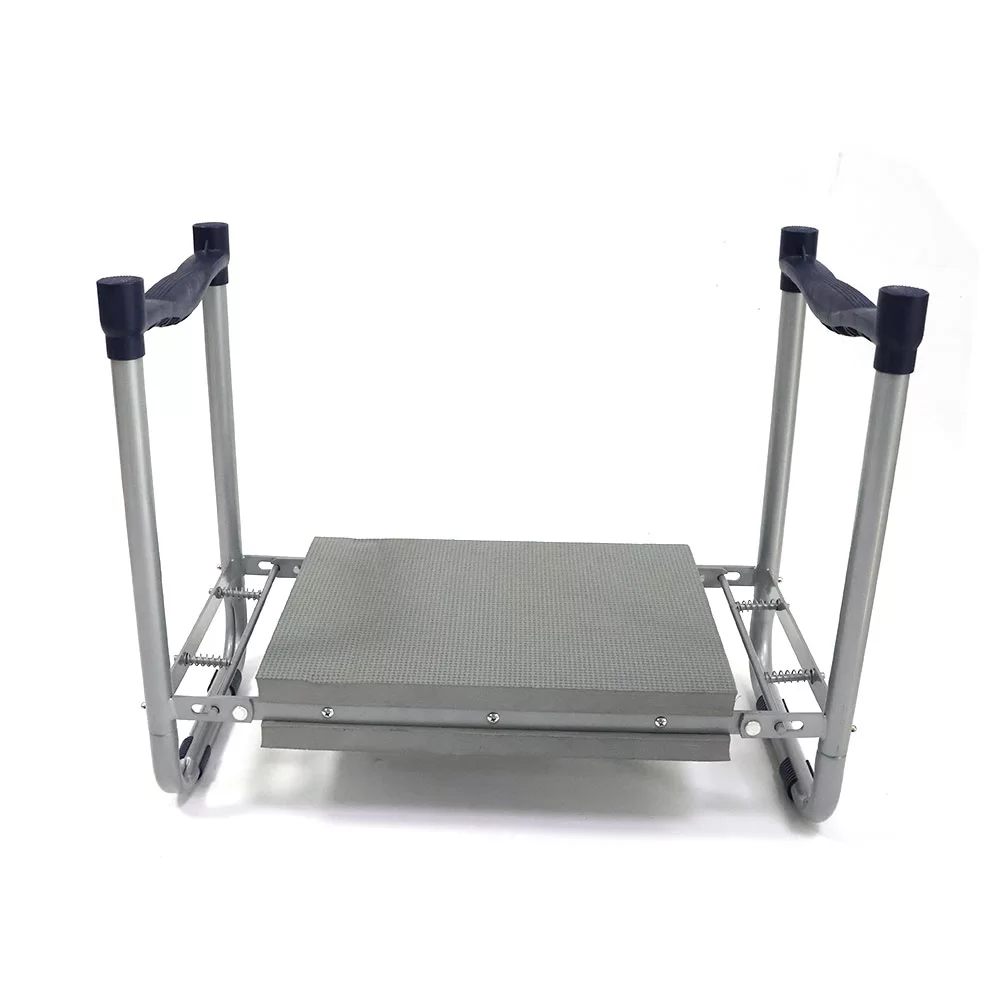
garden kneeling pad is a simple yet powerful tool that makes gardening tasks more enjoyable and less tiring.

If you are interested in our products, you can choose to leave your information here, and we will be in touch with you shortly.