Understanding Yellow Sticky Paper for Gnats: A Simple but Effective Pest Solution
For many people, tiny flying nuisances like gnats—annoying little bugs that swarm around fruits, plants, or damp areas—are more than just a minor irritation. Globally, gnats can affect agriculture, food processing, and even public health environments. That’s where yellow sticky paper for gnats comes in as a straightforward, low-tech, yet surprisingly effective tool to control these pests without chemicals. Whether you’re a grower, a restaurant owner, or just someone struggling with an out-of-control infestation, it helps to understand this solution’s value and potential benefits.
What Is Yellow Sticky Paper for Gnats?
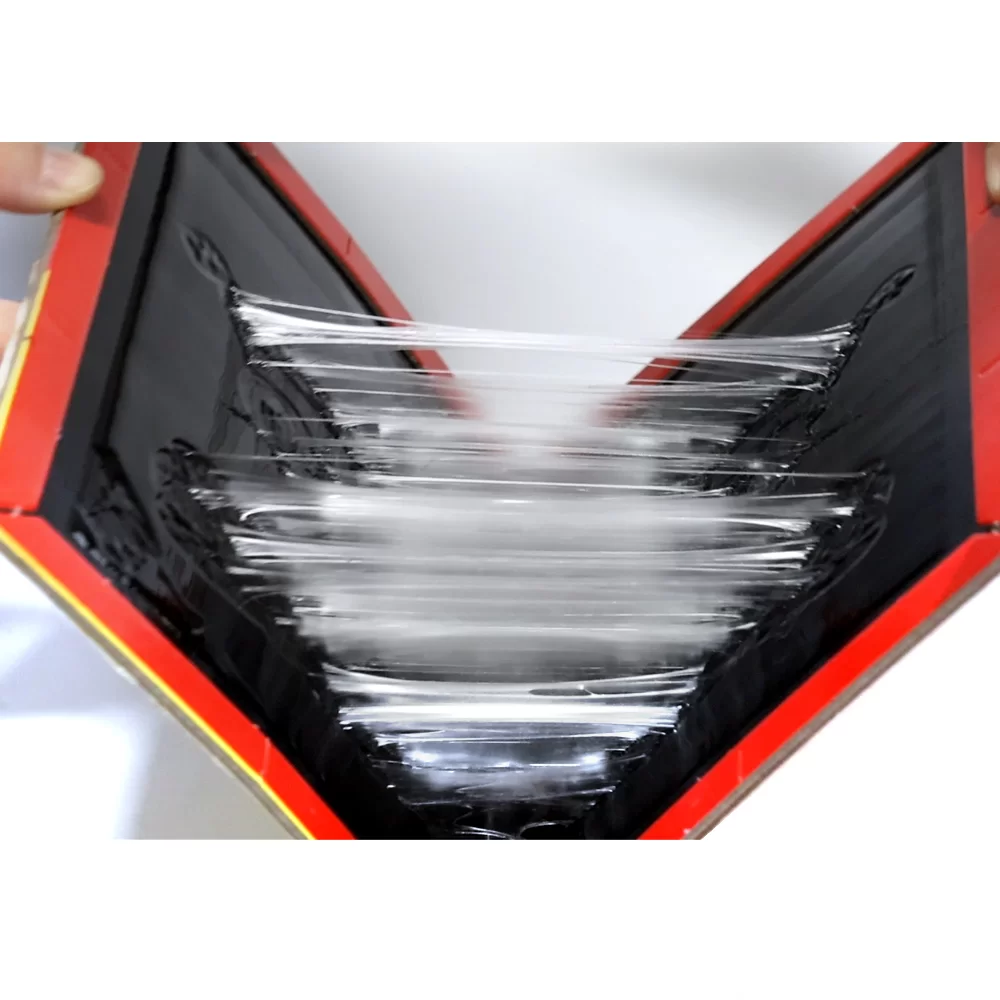
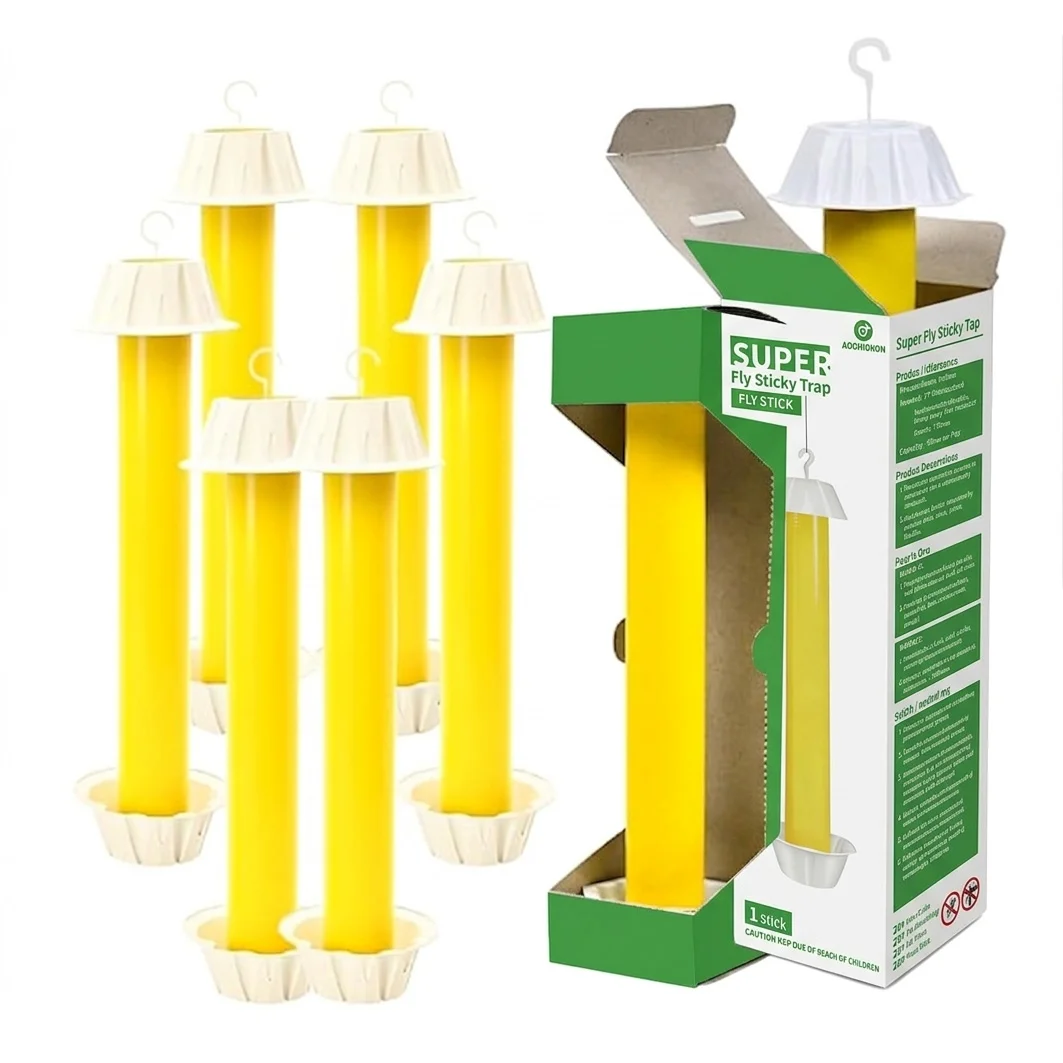
Yellow sticky paper is essentially a sheet coated with a non-toxic, tacky adhesive that attracts and traps gnats and other tiny flying insects. The key lies in its color: yellow naturally attracts these pests (according to entomological studies, yellow mimics the color of flowers or decaying fruit), making the sticky surface an effective trap. This approach is favored in many industries because it’s chemical-free, reusable, and easy to deploy.
Why It Matters on a Global Scale
The control of gnats and other small flying pests is crucial worldwide, particularly in agricultural hotspots and food production facilities where even minor outbreaks can cause economic damage. According to the Food and Agriculture Organization (FAO), pest management costs billions each year globally, complicating food security and sustainability goals. Using yellow sticky traps is an important non-chemical mitigation strategy that aligns well with integrated pest management (IPM) techniques advocated by global agencies like the UN and ISO standards for sustainable agriculture.
Key Features of Yellow Sticky Paper for Gnats
Color & Design
Yellow sticky paper uses bright yellow to lure gnats, unlike other insect traps that rely on UV light or pheromones. This color strategy is simple but cleverly matched to insect behavior patterns, reducing the need for harmful chemicals.
Adhesive Quality
The sticky coating on the paper must balance tackiness and longevity—too sticky and dust renders it useless, too weak and gnats escape. Most commercial sheets use a non-drying, non-toxic adhesive optimized for indoor and greenhouse use.
Size & Format
Papers vary from small strips (suitable for home use or monitoring) to larger sheets designed for industrial or agricultural application. This scalability ensures that there’s a sticky paper for nearly any context.
Environmental Compatibility
Because it’s non-chemical and often recyclable, yellow sticky paper fits well in sustainability-focused pest control programs.
| Specification |
Details |
| Color |
Bright Yellow |
| Adhesive Type |
Non-toxic, long-lasting, tacky glue |
| Dimensions |
Varies: 5x10 cm (small strips) to 20x30 cm (large sheets) |
| Durability |
Effective for 3–6 weeks depending on environment |
| Eco-friendliness |
Biodegradable paper; non-toxic glue |
Global Applications & Use Cases
Across the US, Europe, and Asia, yellow sticky traps are standard tools in greenhouses, food processing plants, restaurants, and even residential settings. For example, in fruit orchards of California and Mediterranean vineyards, growers use these traps to minimize damage by fungus gnats. Post-disaster relief operations in tropical regions also rely on these traps to reduce health risks from insect-borne diseases.
- Agriculture: Integrated Pest Management in farms minimizes pesticide use.
- Food Industry: Preventing contamination in storage and processing facilities.
- Residential: Easy home solutions for kitchens or damp basements.
- Environmental Monitoring: Tracking insect populations for research.
Advantages & Long-Term Value
First, yellow sticky paper is cost-effective—no expensive chemicals or complex traps needed. Plus, it’s safe; no residues risk food or indoor air. Environmentally, it’s often biodegradable, so disposal is simpler than with chemical pesticides. Socially, it empowers homeowners and businesses to use low-impact pest control, contributing to healthier spaces. I suspect many growers appreciate how this simple tech supports sustainable practices without sacrificing efficacy.
Vendor Comparison: Popular Yellow Sticky Paper Products
| Brand |
Sheet Size |
Adhesive Type |
Price (per pack) |
Main Use |
| EcoTrap Yellow |
10x20 cm |
Non-toxic glue |
$15 for 50 |
Agriculture & Greenhouses |
| TrapEasy Pro |
5x10 cm strips |
Resin-based tacky film |
$12 for 75 |
Food Storage |
| NatureStick |
20x30 cm sheets |
Plant resin-based glue |
$20 for 40 |
Commercial & Residential |
Future Trends & Innovations
In the world of pest control, even traditional solutions like yellow sticky traps evolve. Researchers are experimenting with biodegradable adhesives made from plant-based polymers, and integrating these traps with sensors to monitor insect activity in real-time for digital pest management. Oddly enough, some companies are also blending sticky traps with natural attractants or pheromone enhancers to increase trap efficiency while keeping them chemical-free, syncing nicely with global sustainability trends.
Challenges and Solutions
While yellow sticky paper is great, it’s not perfect. Dusty or humid environments can reduce adhesive effectiveness. Also, it’s a passive tool – it traps but does not repel or kill gnats. Many users find that combining yellow sticky paper with good sanitation and proper drainage makes all the difference. Innovative ideas like replacing the glue regularly or using protective plastic covers with openings help prolong trap lifespan. I suppose these tweaks might seem small, yet they are crucial for real-world success.
FAQ on Yellow Sticky Paper for Gnats
- Q: How long does yellow sticky paper remain effective?
- A: Typically between 3 to 6 weeks depending on environmental factors like dust and humidity. Replace sooner if it looks dirty or loses stickiness.
- Q: Is yellow sticky paper safe around food?
- A: Yes, when approved for indoor use, it's non-toxic and does not release harmful chemicals, making it safe for kitchens and food processing areas.
- Q: Can these traps catch other insects besides gnats?
- A: Definitely. They attract a range of small flying insects such as fruit flies and whiteflies, enhancing their utility in pest control.
- Q: Where should I place the sticky traps for best results?
- A: Near problem areas like plants, drains, or fruit storage. Height should be roughly at insect flight level, often 1-2 feet above the ground.
- Q: Are there environmentally friendlier options available?
- A: Yes, many brands now offer biodegradable paper and plant-based adhesives aligning with eco-conscious practices.
Summary & Call to Action
In real terms, yellow sticky paper for gnats speaks to a worldwide need: safe, simple, and sustainable pest control. Its effectiveness and low impact have made it essential in agriculture, industry, and home settings alike. Whether battling minor annoyances or guarding crops, this unassuming tool offers genuine long-term value. Curious to learn more or ready to try some? Visit our website: yellow sticky paper for gnats for trusted solutions and expert advice.
It's sometimes the simplest tools that quietly sustain our daily lives—and yellow sticky paper for gnats is exactly that: reliable, humble, and effective.
References
- Food and Agriculture Organization (FAO)
- Integrated Pest Management - Wikipedia
- ISO 17533-1:2004 - Pest control systems