What Are Trapper Glue Traps and Why Do They Matter?
At first glance, the phrase trapper glue traps might sound a bit old school, maybe even a bit cruel to some, but these devices hold a surprisingly important place in pest control worldwide. They’re simple, sticky boards designed to catch rodents, insects, and other pesky critters without poisoning or electric shocks. Especially in industries where chemical-free pest control is vital — food processing, warehouses, even humanitarian aid camps — understanding trapper glue traps can mean the difference between a safe environment and a hazardous infestation.
Globally, rodent and insect infestations cause billions in damage annually, and contribute to spreading disease. The World Health Organization stresses that effective, low-toxicity pest control is essential to protecting public health. That’s exactly where trapper glue traps come in — providing a practical, often overlooked way to reduce pests safely. Stick with me here; the details are pretty neat.
Trapper Glue Traps: An Industry Snapshot and the Global Challenge
The pest control industry is valued at over $20 billion worldwide, with a growing push toward sustainable, non-chemical methods. A key challenge: how to control pests in sensitive environments—think hospitals, schools, or food storage—without harmful poisons. Trapper glue traps answer this challenge elegantly, though they’re not without their own nuances.
Take the United Nations’ Sustainable Development Goals (SDGs), which include good health (Goal 3) and sustainable production (Goal 12). Approaches like glue traps help reduce contamination risks from pesticide use, aligning pest control with those goals. In practice, however, glue traps require strategic placement and monitoring to be effective, reminding us pest control is partly science, partly art.
So, What Exactly Are Trapper Glue Traps?
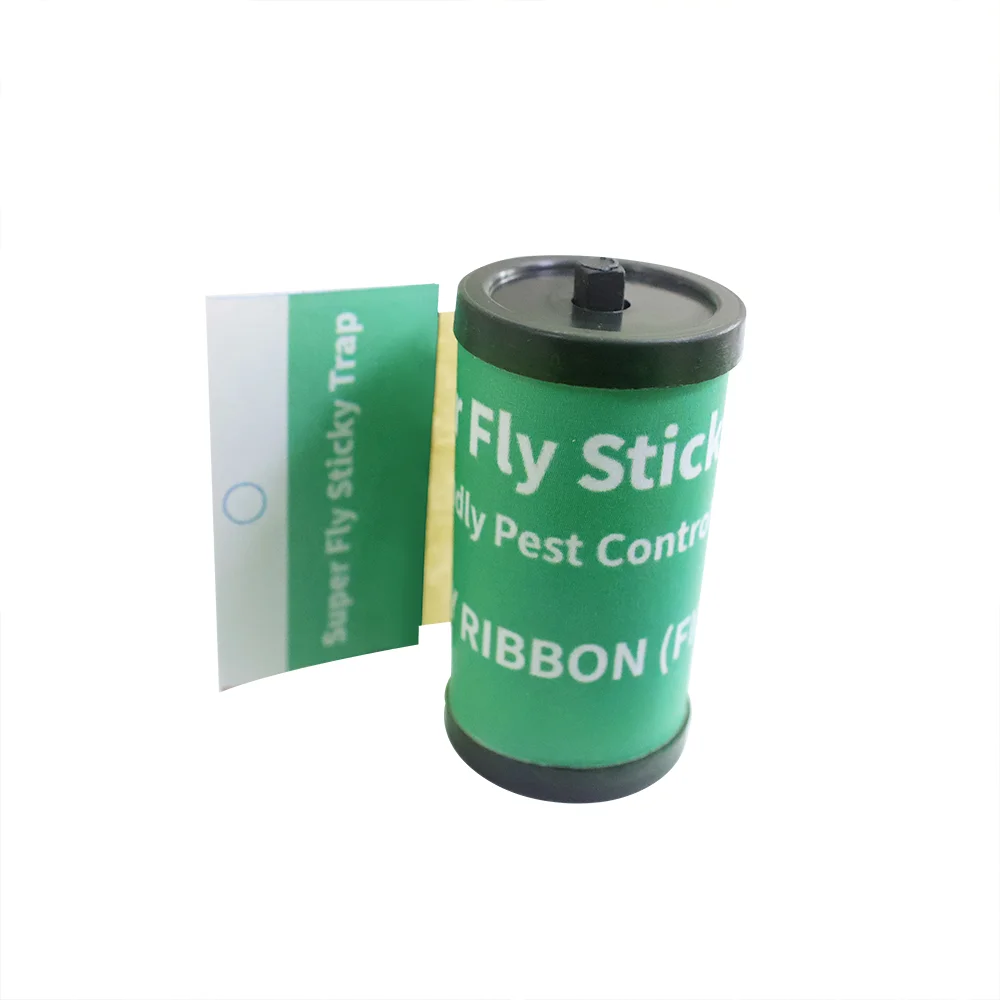
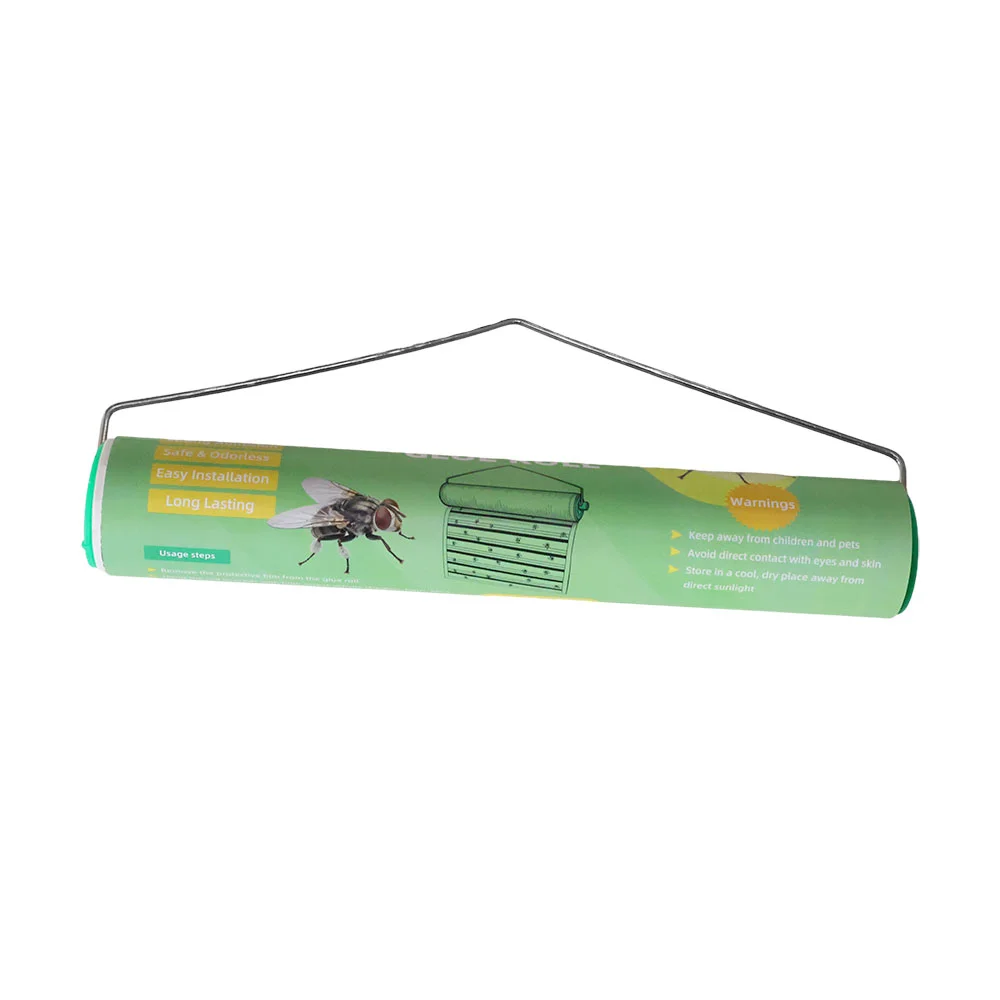
In simple terms, a trapper glue trap is a flat board coated with an extremely sticky adhesive. When a pest steps on it, it’s—well—trapped. No electricity, no poison, no noise. Usually, they’re disposable and designed for single use, so maintenance involves replacing them regularly.
They connect deeply with modern industry needs by providing a non-toxic, immediate pest control solution. In humanitarian contexts, for example, where chemical use is highly restricted or dangerous, glue traps serve as an accessible tool to keep camps safe from rodents carrying disease.
Core Components and Their Practical Impact
1. Adhesive Strength and Safety
The glue must be sticky enough to trap pests effectively but non-toxic, ensuring safety in areas where kids or pets might approach. Many manufacturers now formulate adhesives free from harmful solvents — a nice step forward.
2. Board Material and Durability
Boards need to be sturdy but lightweight. Cardboard remains common, but plastic-backed boards improve moisture resistance — key for humid warehouses or outdoor use. I noticed that many engineers specifically look for weatherproof boards to extend trap usability.
3. Size and Configuration
Traps come in various sizes—from small rectangles for catching insects to large squares targeting rats and squirrels. Modular designs with foldable edges also allow customization for narrow or hard-to-reach spots.
4. Ease of Deployment and Monitoring
Because glue traps are no-frills, they’re easy to deploy quickly. That said, regular checking is vital. Left unchecked, they can become a biohazard – a fact often overlooked on-site.
Real-World Uses: Where and How Are Trapper Glue Traps Put to Work?
Trapper glue traps aren’t just for Grandma’s attic. Here’s where they really shine:
- Food Processing Plants: Chemical-free pest control is a must to avoid contamination risk. Glue traps help monitor rodent activity discreetly.
- Agricultural Facilities: Protect grain stores from rodents without tripping organic certification strictures.
- Humanitarian Relief Sites: In post-disaster camps, they offer immediate, safe pest control options where electricity or chemicals aren’t feasible.
- Urban Warehouses: Quick deployment helps prevent rodent-caused damage to stored goods.
Oddly enough, many small businesses also prefer glue traps due to their low cost and ease of use. From wineries in Italy to tech supply warehouses in Silicon Valley, they’re running a silent war against unwanted guests every day.
Advantages: Why Choose Trapper Glue Traps?
- Cost Efficient: They’re affordable, especially when compared to electronic or chemical pest control installations.
- Environmentally Friendly: No pesticides means fewer toxins entering ecosystems or food chains.
- Non-Toxic: Safe to use around children, pets, and food processing lines.
- Immediate Effect: Catch pests on contact without wait times—no slow poisons.
- Reusable in Strategy: Can be combined with monitoring systems to improve pest management over time.
Psychologically, there’s something satisfying about a harmless but effective pest control tool that doesn’t rely on poison or electricity. It feels honest.
Spotlight: Trapper Glue Trap Specifications
| Feature |
Specification |
Remarks |
| Board Size |
20 x 30 cm (standard) |
Compact yet covers functional surface area |
| Adhesive Type |
Non-toxic, solvent-free glue |
Safe for food processing environments |
| Material |
Cardboard or plastic backing |
Plastic resists moisture, cardboard biodegradable |
| Shelf Life |
Up to 18 months (sealed packaging) |
Store in cool, dry place for best results |
| Disposal Method |
Standard waste or recyclable (plastic-backed) |
Depends on local regulations |
Comparing Leading Trapper Glue Trap Suppliers
| Supplier |
Product Range |
Pricing (USD/unit) |
Shipping Regions |
Customer Rating |
| SafeTrap Co. |
Standard and Waterproof Glue Traps |
$1.50 - $2.80 |
North America, Europe |
4.6/5 |
| EcoGlue Solutions |
Biodegradable Boards, Non-Toxic Glue |
$1.70 - $3.10 |
Global |
4.8/5 |
| PestOff Supplies |
Wide Size Variety, Foldable Designs |
$1.40 - $3.00 |
USA, Canada, Australia |
4.5/5 |
Looking Ahead: Innovation and Sustainability in Trapper Glue Traps
Innovation continues to shape these simple tools. I recently caught wind of formulations incorporating natural resins to replace synthetic glues — a push toward biodegradability and reduced carbon footprint. Automation is another trend: “smart” glue traps embedded with sensors can alert facility managers when a pest is caught, reducing unnecessary checks.
Green energy-inspired packaging, modular trap designs for easier recycling, and safer adhesives are all part of a quietly evolving market driven by environmental policies and consumer demand. This isn’t just about old glue boards anymore; it’s a subtle but important revolution.
Common Challenges and Smarter Solutions
Of course, glue traps raise debates. Critics point out animal welfare concerns, since trapped rodents can suffer. Some argue that they can’t fully replace poison baits or electronic traps in severe infestations. Additionally, sticky boards require regular monitoring and safe disposal, which adds labor.
Experts suggest integrated pest management (IPM) approaches that combine glue traps with sanitation, structural maintenance, and natural predators. New adhesive tech also aims to speed humane dispatch or make traps easier to dispose. So, while imperfect, glue traps remain a valuable tool — especially in sensitive contexts.
FAQ: Your Questions About Trapper Glue Traps Answered
- Can trapper glue traps be used safely around food?
- Yes, provided the glue trap uses non-toxic adhesives and is placed outside of direct food contact zones. Many models are specifically designed for food processing environments and comply with safety standards.
- How often should glue traps be replaced?
- Generally, glue traps should be checked every 2-3 days and replaced as soon as they’ve caught pests or if they’ve accumulated dust or debris that reduces stickiness.
- Are glue traps effective on all types of rodents?
- They work well on smaller rodents like mice and rats, but larger rodents might escape. Combining with other control methods is recommended for comprehensive management.
- Do trapper glue traps pose risks to pets?
- Yes, if pets access traps, they might get stuck or harmed. Placement should consider pet safety, using bait stations or traps in confined areas.
- Where can I buy high-quality trapper glue traps in bulk?
- Several online suppliers specialize in bulk orders, including established brands like SafeTrap Co. and EcoGlue Solutions. For fast access, visit our product range page trapper glue traps.
Wrapping It Up: Why Trapper Glue Traps Still Matter
Looking back, I’ve always thought glue traps were an underappreciated gem in pest control. They are simple but effective, accessible yet adaptable, eco-friendly without sacrificing practicality. Sure, they aren’t perfect and need to be part of a broader pest management strategy, but their role in reducing chemical dependence and protecting sensitive environments cannot be overstated.
For industries requiring safe, affordable pest deterrents, trapper glue traps remain an essential tool — evolving quietly but steadily toward a greener future. Curious to see what new designs can do for your facility? Check out our latest options and get customized advice by visiting our site.
It’s a small step in a big fight against pests, but every step counts.
References
- Wikipedia: Pest Control
- United Nations Sustainable Development Goals
- ISO Standards for Pest Management