Understanding Sticky Traps: A Small Tool with a Big Impact
If you’ve ever dealt with pesky pests—whether at home, in a food warehouse, or even an agricultural setting—you might already be familiar with the humble sticky trap. But beyond its simple appearance lies a surprisingly significant product that, worldwide, helps control insect populations without relying heavily on chemicals. Considering the global emphasis on sustainable pest management and food safety, grasping what a sticky trap is and how it’s used can be a game-changer.
Sticky traps serve as a frontline defense in integrated pest management (IPM). According to the Food and Agriculture Organization (FAO), pests contribute to roughly 20–40% of crop losses globally, which impacts food security and livelihoods. Using sticky traps can reduce dependence on pesticides while offering environmental benefits and cost-efficiency. So understanding their design, application, and benefits matters not just for farmers or facility managers—but for anyone interested in healthier, safer ecosystems.
Why Sticky Traps Matter Globally in Pest Control
It may come as a surprise, but global pesticide use alone is estimated at over 4 million tons annually (UN Environment Programme), and much of it is potentially harmful to both ecosystems and human health if misused. Integrated pest control methods, like sticky traps, allow industries ranging from agriculture to food processing to reduce chemical dependency.
For instance, in Europe and North America, strict regulations (ISO 22000 for food safety) encourage monitoring systems where sticky traps act not just as a control measure but as a surveillance tool. They help identify the presence and intensity of pest infestations early on. This is especially crucial considering the rise in pesticide resistance and the growing consumer demand for organic or minimally treated products.
In high-humidity tropical climates, sticky traps are often the first step in preventing species like fruit flies and moths from spreading disease or damaging produce. Countries like Brazil and India have adopted sticky traps widely, integrating them into national agricultural extension programs.
What Is a Sticky Trap, Really?
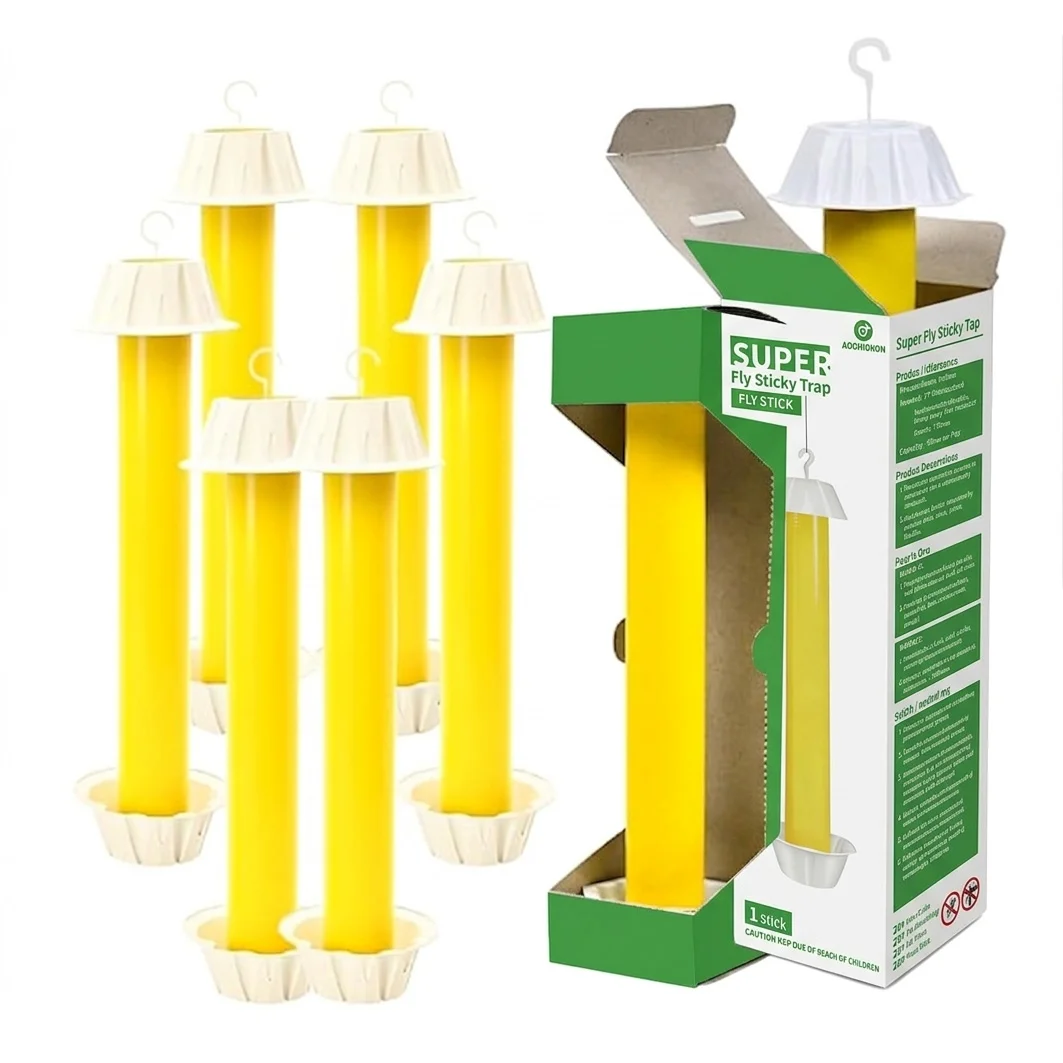
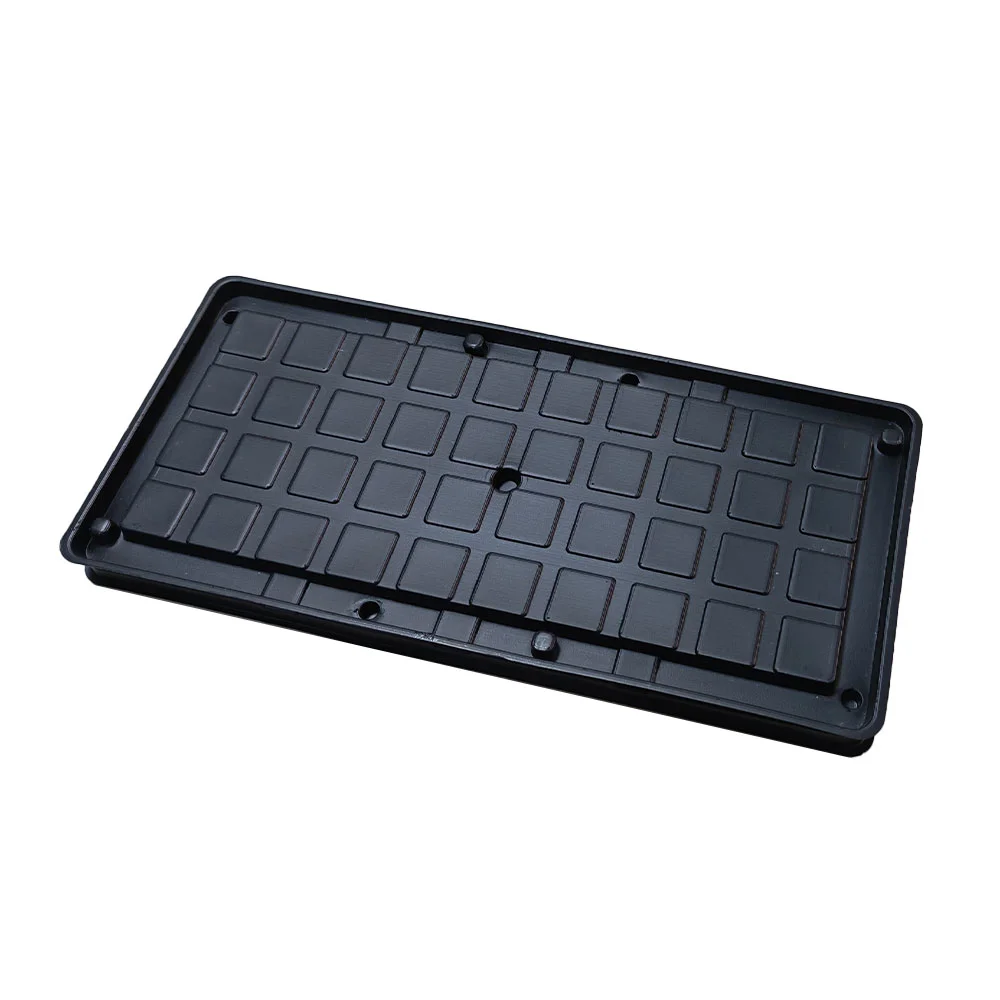
At its core, a sticky trap is a flat surface—often a card or sheet—coated in a sticky adhesive designed to catch insects that land on it. Think of it as an insect’s worst booby trap: as soon as a fly, moth, or gnats touch it, they become stuck, unable to escape.
These traps come in varied sizes, with adhesives tailored for specific pests; some even use pheromones or colors (yellow sticky traps, for example, are popular because many insects are attracted to yellow hues).
In modern industries, sticky traps align perfectly with the rising focus on non-toxic, chemical-free solutions. They also reduce risk to workers and consumers since sticky traps don't release harmful residues.
Key Components of a Sticky Trap
- Adhesive Layer: The heart of the trap—formulated to remain tacky over weeks without drying out or becoming ineffective.
- Substrate Material: Typically cardboard or plastic, ensuring durability and easy handling.
- Attractants: Sometimes integrated or applied separately; includes color cues or pheromones to lure specific pests.
- Water-Resistance: Necessary for outdoor or high-humidity environments to maintain functionality.
- Size & Shape: Designed for ease of placement—hanging strips, flat boards, or in some cases, disposable mats.
Mini takeaway: Sticky traps are surprisingly sophisticated despite their simple look—small design tweaks can drastically improve effectiveness.
Where Sticky Traps Shine: Real-World Applications
Sticky traps do their hard work silently in a variety of fields.
-
Agriculture: Farmers in the US and Australia use sticky traps to monitor and control whiteflies and thrips, protecting vegetable crops and fruits without heavy pesticide use.
-
Food Processing & Storage: Warehouses and factories worldwide, especially adhering to ISO 22000 standards, rely heavily on sticky trap monitoring to maintain hygienic standards.
-
Public Health & Humanitarian Settings: Post-disaster zones, for example, often confront mosquito outbreaks. Sticky traps combined with other vector control measures offer a low-cost, safe surveillance method.
-
Greenhouses & Nurseries: In Europe, greenhouses use sticky traps to catch aphids and fungus gnats, minimizing losses and improving plant health.
What strikes me is the sticky trap’s adaptability: it doesn’t matter if you’re in the tropics, temperate zones, or arid conditions—it’s still a viable, cost-effective solution.
Sticky Trap Specifications at a Glance
| Specification |
Details |
| Material |
Cardboard or Polypropylene |
| Adhesive Type |
Non-toxic, long-lasting tacky glue |
| Common Size |
15 cm x 23 cm (approx.) |
| Color Options |
Yellow, Blue, Red (depending on target species) |
| Attractants Included |
Optional pheromone lures or visual cues |
| Shelf Life |
6–12 months (sealed packaging) |
Comparing Popular Vendors of Sticky Traps
| Vendor |
Primary Market |
Unique Feature |
Price Range (per pack) |
| PestGuard Co. |
Agriculture & Greenhouses |
Bio-based adhesive, environmentally safe |
$15 - $25 |
| TrapMaster Intl. |
Food & Storage Facilities |
Customizable pheromone options |
$18 - $30 |
| EcoTrap Solutions |
Public Health & Residential |
Non-toxic, child-safe adhesives |
$10 - $20 |
Advantages & Long-term Value of Sticky Traps
Sticky traps are cost-effective, easy to use, and—critically—chemical free. This means they represent a safer alternative where children or food crops can be affected. Financially, their long shelf life and reusable nature drive down replacement frequency.
Moreover, they create an invisible confidence for businesses adhering to hygienic standards; no one wants an infestation in a food storage facility. Emotionally, customers and workers alike feel safer knowing fewer chemicals mean fewer risks.
I recall a client using sticky traps in their organic butterfly farm; it was the only way they could keep the crop pest-free without jeopardizing the butterflies themselves. The trust sticky traps build is odd but real.
Emerging Trends & Innovations in Sticky Trap Technology
There’s a fascinating move toward integrating sticky traps with IoT sensors and remote monitoring. Imagine a sticky trap that not only catches pests but also sends real-time alerts when insect populations spike. This kind of digital transformation is ripe in agriculture and large food warehouses.
On the materials front, biodegradable substrates and adhesives made from natural resins are gaining popularity, aligning perfectly with global sustainability goals like the UN Sustainable Development Goals (SDGs 12 & 15).
Pheromone-based attractants continue evolving, with species-specific targeting improving catch rates without affecting beneficial insects—something entomologists have been advocating for years.
Challenges & Practical Solutions
Sticky traps, while effective, aren’t a silver bullet. Their effectiveness can reduce in dusty or wet environments—where the adhesive can clog or lose tackiness. Also, they have limited use against flying pests that don’t tend to land on surfaces.
To mitigate this, many industries combine sticky traps with other IPM strategies—like biological control agents or mechanical barriers.
Manufacturers are actively troubleshooting these challenges: for example, developing water-resistant coatings and UV-stable adhesives to extend outdoor usability. Training users on optimal trap placement and timely replacement also maximizes effectiveness.
Frequently Asked Questions About Sticky Traps
- Q: How long do sticky traps remain effective once opened?
A: Typically, sticky traps maintain their adhesive quality for 4 to 6 weeks when placed in standard indoor conditions. In outdoor or humid environments, this period can shorten due to dust and moisture.
- Q: Can sticky traps capture all types of insects?
A: While sticky traps target many flying pests like flies, moths, and whiteflies, they’re less effective for crawling insects or those that rarely land on flat surfaces.
- Q: Are sticky traps environmentally safe?
A: Yes, they use non-toxic adhesives and don’t release chemicals into the environment. Many newer models also use biodegradable materials to minimize waste impact.
- Q: How do I choose the right sticky trap for my needs?
A: Consider the target pest species, environment (indoor/outdoor), and whether additional attractants like pheromones are needed. Vendors often provide consultation for tailored solutions.
- Q: Is it necessary to use sticky traps alongside other pest control methods?
A: For comprehensive pest management, yes. Sticky traps are best as part of an integrated approach to monitor and reduce pest populations rather than eliminate them completely alone.
Final Thoughts: Why Sticky Traps Should Be Part of Your Pest Control Arsenal
Sticky traps won’t solve every pest problem by themselves. But their low cost, safety profile, and adaptability make them indispensable, especially in industries where chemical exposure is a no-go.
If you want a practical, scalable, and increasingly smart solution that aligns with global sustainability standards, sticky traps deserve your attention. For detailed product options and expert advice, take a look at solutions like the
sticky trap products offered by trusted suppliers.
---
### References
1. UN Environment Programme – Pesticide Use Statistics
2. FAO – Crop Losses Due to Pests
3. ISO 22000 – Food Safety Management Systems