Sticky Fly Paper: A Simple Solution with Global Relevance
When you think about pest control, sticky fly paper might not be the first thing that springs to mind, but its role in managing insects worldwide is surprisingly significant. These humble adhesive sheets capture flies and other flying insects efficiently, offering a chemical-free alternative that’s vital across agriculture, food processing, and even humanitarian efforts. Understanding sticky fly paper isn’t just about catching bugs—it’s about sustainable pest management and public health on a global scale.
Understanding the Global Importance of Sticky Fly Paper
Fly infestations aren’t just a nuisance—they're a health hazard. According to the World Health Organization (WHO), flies contribute to the transmission of diseases affecting millions annually, especially in regions with warm climates and limited sanitation resources. Sticky fly paper is a low-cost, easy-to-deploy method that aids in reducing disease vectors without relying on toxic chemicals.
Notably, the global pest control market was valued at over $18 billion in recent years, with adhesive-based traps like sticky fly paper growing steadily because they align with rising demands for eco-friendly solutions (sticky fly paper). Yet, despite their simplicity, challenges like durability and environmental factors affect their adoption in different climates and industries.
What Exactly Is Sticky Fly Paper?
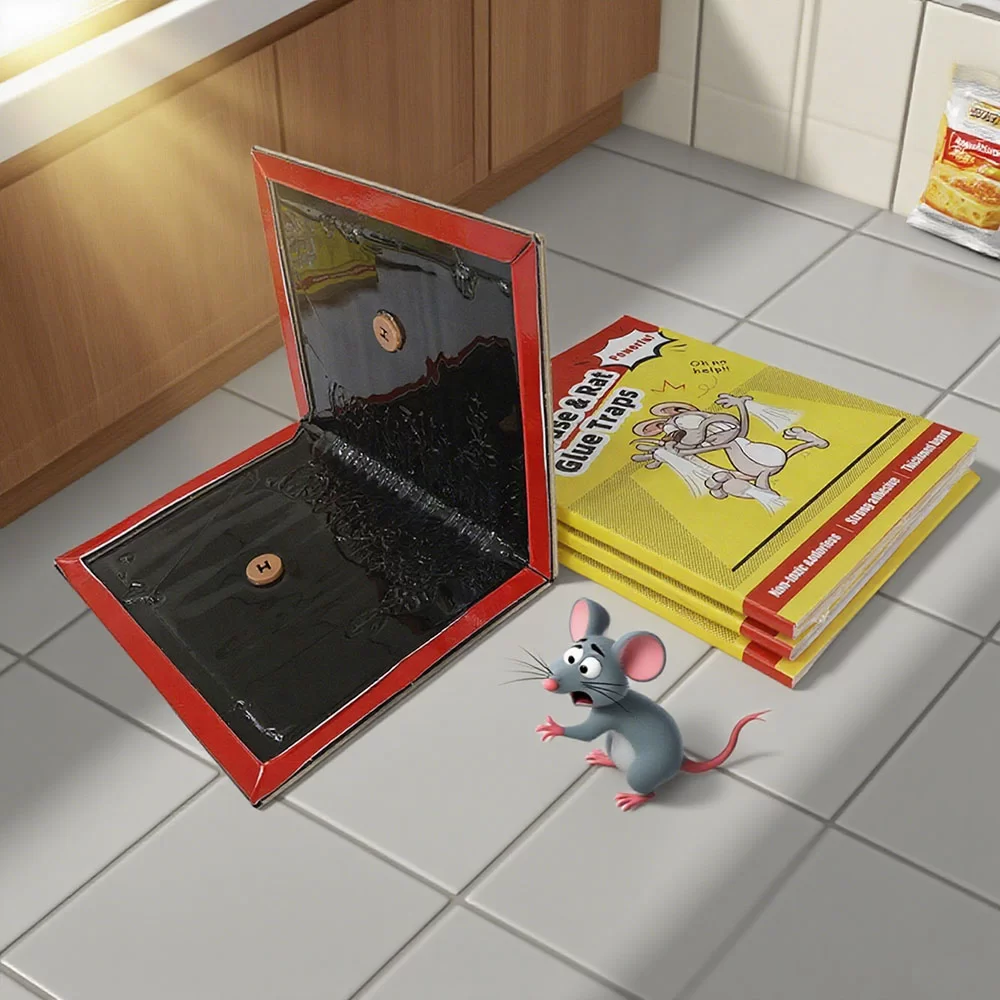
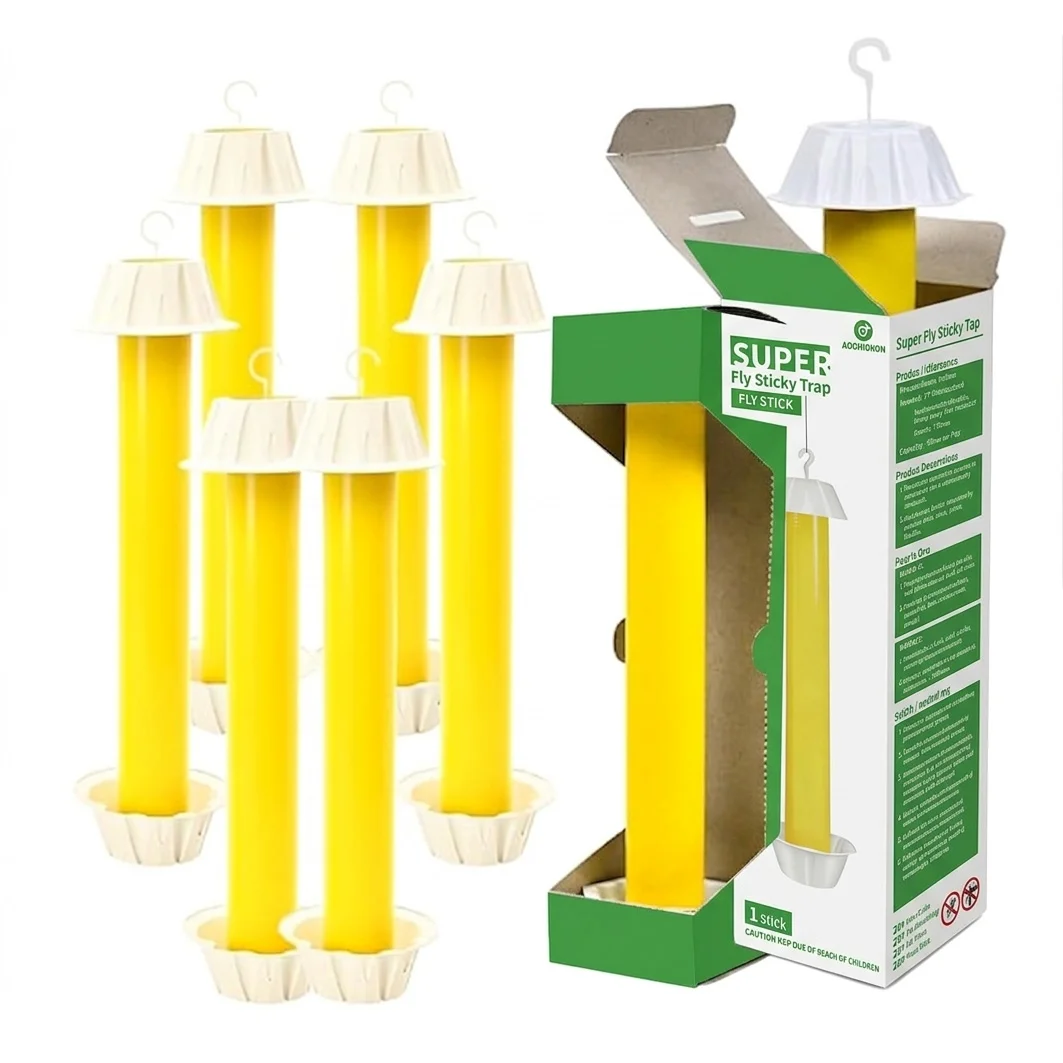
Sticky fly paper is essentially a strip or sheet coated with a viscous, non-toxic adhesive that traps flies upon contact. It’s an age-old technique modernized for today's industrial and humanitarian contexts. No electrical components, no poisons—just sticky surfaces designed to intercept and immobilize flying pests.
This tool finds its place not only in homes but also in food processing plants, warehouses, and even post-disaster zones where flies can exacerbate public health challenges. Its simplicity is kind of its genius: easy transportation, minimal training required, and effective over a wide area.
Key Characteristics of Sticky Fly Paper
1. Adhesive Quality and Longevity
The heart of sticky fly paper is the adhesive. It must be strong enough to catch and hold flies for weeks without drying out or losing tackiness. Many manufacturers use corn-based or synthetic resins that balance durability with environmental compliance.
2. Size and Surface Area
Larger surface areas increase catch rates, but practical deployment zones limit how big sheets can get. Some sticky fly paper comes in rolls or strips tailored to different environments—say, a small strip inside a kitchen or large panels for warehouse use.
3. Chemical Safety
Unlike spray insecticides, sticky fly paper works mechanically, making it ideal for food handling areas or environments requiring minimal chemical contamination.
4. Environmental Resistance
Humidity, dust, and temperature swings affect the adhesive and paper backing. Higher-quality products often include protective coatings or UV resistance to keep working longer outdoors or in harsh conditions.
5. User-Friendly Design
Some sticky fly papers come with easy-hang tabs, dispensers, or even biodegradable substrates to simplify usage and disposal.
Mini Takeaway: Sticky fly paper’s effectiveness largely depends on thoughtful material design—adhesive quality, size, and environmental resilience make all the difference in real-world use.
Sticky Fly Paper In Action Across the Globe
Worldwide, sticky fly paper has found niches beyond homes. In tropical regions of Africa and Asia, NGOs use it in refugee camps to curb disease spread after natural disasters. For instance, in post-flood sanitation efforts in Bangladesh, sticky fly paper helped reduce fly populations significantly, decreasing diarrheal disease transmission.
Industrial sectors like food processing in Europe and North America rely heavily on sticky fly paper to meet stringent hygiene standards, often pairing traps with electronic monitoring systems. In remote agricultural zones across Latin America, sticky fly paper is deployed as part of integrated pest management to protect crops with minimal environmental impact.
Advantages and Long-Term Benefits of Sticky Fly Paper
- Cost-Effective Pest Control: No complex machinery or expensive chemicals means affordable deployment for most budgets.
- Eco-Friendly: Lacks the environmental hazards associated with synthetic insecticides.
- Safe for Food Environments: Mechanical trapping avoids contamination risks.
- Lower Health Risks: Reduces the use of chemical sprays that can trigger allergic reactions or toxicity.
- Improves Sanitation and Public Confidence: Visible traps reassure workers and communities about active pest control.
There's also an emotional angle here. Workers in food factories or aid camps often feel safer and more respected when visible pest control efforts exist. It’s not just about insect control — it’s about dignity and trust.
Future of Sticky Fly Paper: What Innovations Are on the Horizon?
Interestingly, the next generation of sticky fly paper involves integrating biodegradable materials to reduce landfill waste. Some companies are experimenting with insect-attracting scents embedded in adhesives, increasing efficacy without toxic chemicals.
On a tech note, digital sensors combined with sticky traps are starting to provide real-time pest monitoring data, aiding precision pest management—a bit of a leap from the traditional paper strip, right? Also, policies from ISO and WHO increasingly push for sustainable, non-toxic pest control tools like sticky fly paper to reduce chemical pesticide reliance.
Challenges and How Experts Are Tackling Them
Sticky fly paper isn’t perfect. Problems like adhesive drying out too fast or losing stickiness in high humidity environments can limit effectiveness. Disposal is also a concern, especially in large-scale industrial use.
Some vendors now offer refillable adhesive sheets and recyclable backings to mitigate waste. New formulations extend tackiness lifespan even under harsh conditions. Education campaigns in humanitarian sectors ensure users deploy traps optimally to maximize impact.
Mini Takeaway: While straightforward in concept, sticky fly paper’s real-world success depends on handling challenges related to durability and environmental factors with smart design and user education.
Sticky Fly Paper: Product Specification Table
| Feature |
Specification |
Remarks |
| Adhesive Type |
Non-toxic, resin-based |
Safe for indoor use |
| Dimensions |
20 cm x 50 cm (standard sheet) |
Available in rolls and strips |
| Effective Duration |
3-6 weeks, depending on environment |
Humidity reduces lifespan |
| Disposal |
Biodegradable backing options available |
Check local recycling policies |
| Usage Areas |
Food factories, homes, humanitarian settings |
Versatile deployment |
Comparing Top Sticky Fly Paper Vendors
| Vendor |
Adhesive Lifespan |
Eco Features |
Price per Unit |
Notable Clients |
| FlyTrap Pro |
Up to 6 weeks |
Biodegradable paper |
$1.20 |
Food Industry Giants |
| EcoSticky |
4-5 weeks |
Plant-based adhesive |
$1.00 |
NGOs & Humanitarian Groups |
| InsectGuard |
Up to 3 weeks |
Standard synthetic |
$0.80 |
Small Businesses, Homes |
Common Questions About Sticky Fly Paper
Q1: How long does sticky fly paper remain effective indoors?
Generally, sticky fly paper maintains its adhesive strength for around 3 to 6 weeks indoors. However, factors like humidity, temperature, and dust accumulation can shorten its effectiveness. For best results, replace sheets every month or once you notice a significant loss of tackiness.
Q2: Is sticky fly paper safe to use around food preparation areas?
Yes, sticky fly paper is considered safe for use around food if it is non-toxic and doesn’t emit harmful chemicals. Many food processing plants employ it because it physically traps flies and avoids chemical contamination, complying with hygiene standards.
Q3: Can sticky fly paper be used outdoors?
While primarily designed for indoor use, certain products with UV resistance and weatherproof backing can be deployed outdoors. Still, environmental factors can reduce their lifespan, so periodic replacement is necessary.
Q4: How should I dispose of used sticky fly paper?
Disposal depends on local regulations, but many sticky fly papers come with biodegradable backings. Avoid flushing or burning traps; instead, dispose of them in trash or compost if certified. Used traps with trapped insects should be handled carefully to prevent contamination.
Q5: Are there environmental concerns with sticky fly paper?
Traditional sticky fly papers are simple and generally eco-friendly since they avoid toxic pesticide use. Nevertheless, concerns about paper waste and adhesive residues exist. Newer biodegradable and refillable products help address these environmental impacts.
Conclusion: Why Sticky Fly Paper Still Matters
In an era of digital pest monitoring and advanced insecticides, sticky fly paper remains a vital, effective, and surprisingly modern solution. Its balance of simplicity, cost-efficiency, and safety makes it an indispensable tool across many industries and humanitarian efforts worldwide. By choosing sticky fly paper, users tap into a practical solution that’s stood the test of time — and continues to evolve with new innovations aiming for sustainability and greater efficiency.
If you’re interested in exploring quality sticky fly paper options for your facility or project, visit our website to discover insights, product details, and expert advice.
References
- WHO: Vector-borne diseases
- Statista: Biological Pest Control Market Size
- Wikipedia: Fly paper