27 October 2025
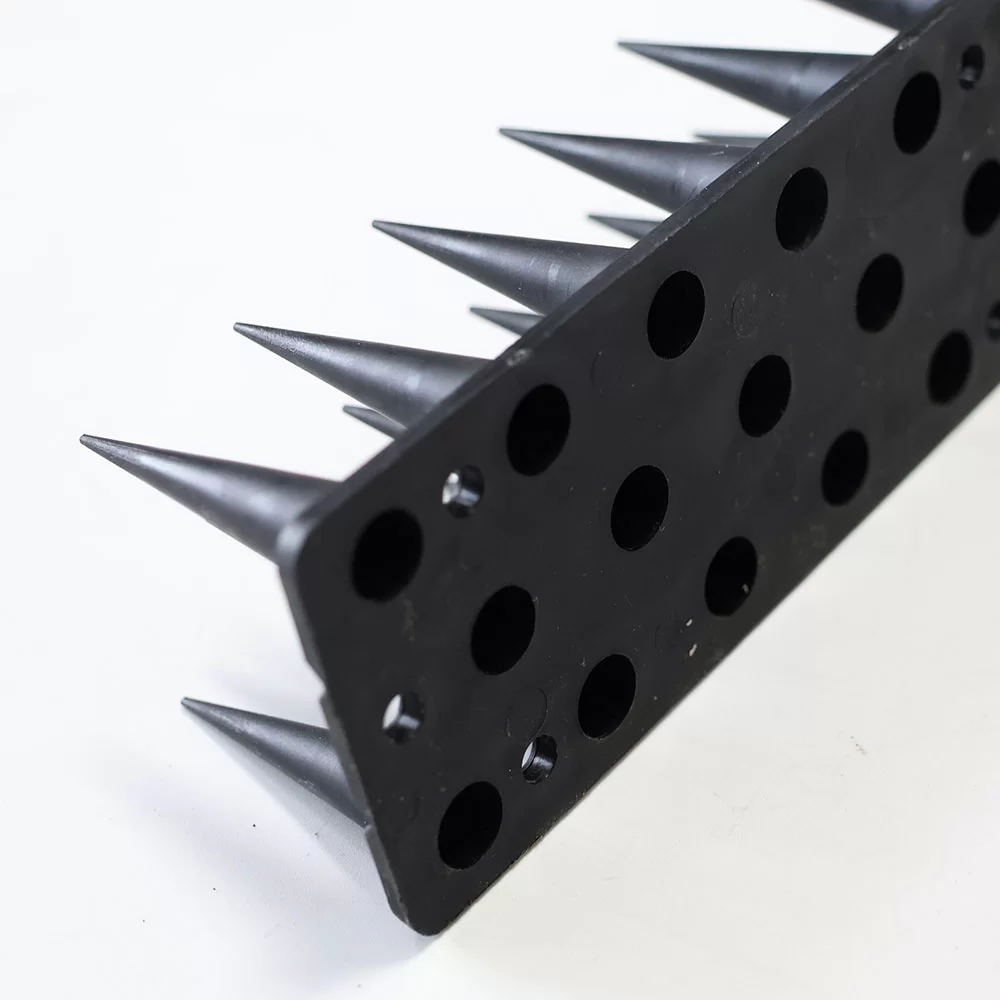
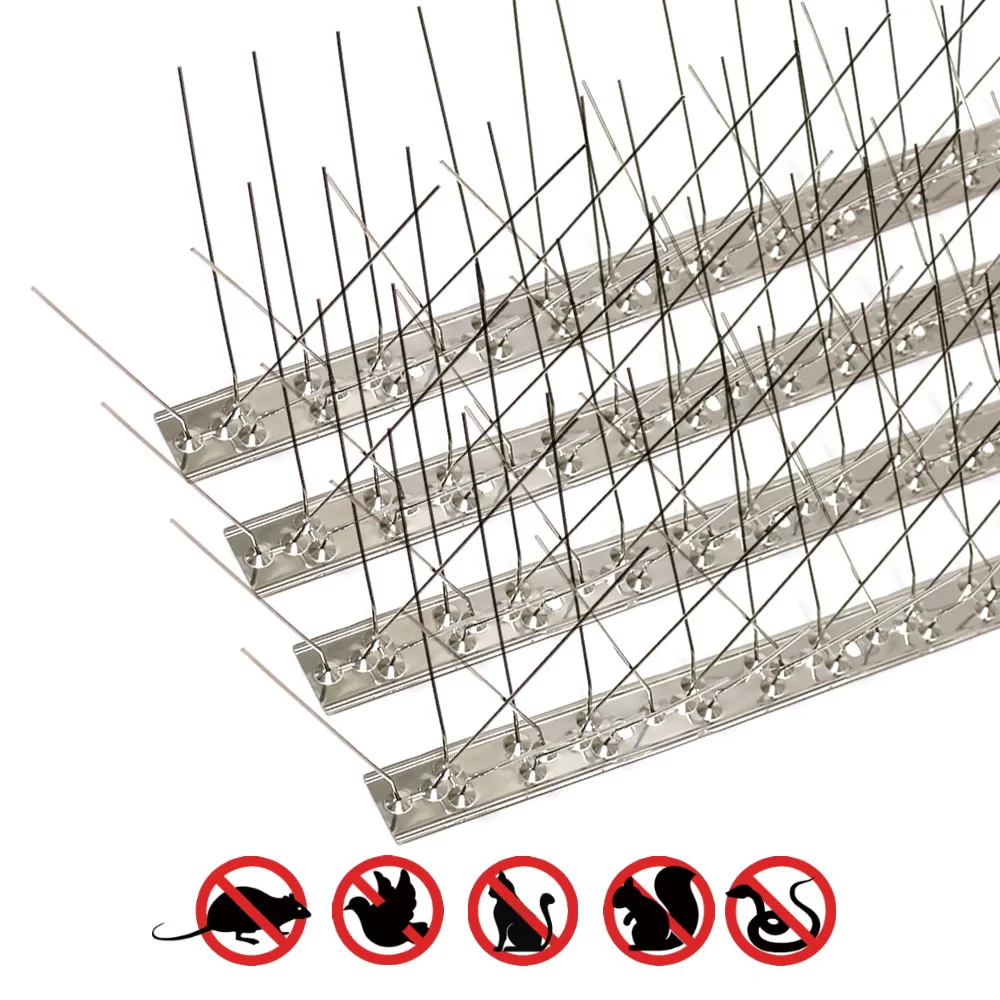
I’ve spent enough time on windy rooftops and messy ledges to say this plainly: when bird pressure is medium to heavy, plastic deterrents age fast; all-metal spikes keep showing up to work. The 100% 304 stainless build—yes, including the base bar—has quietly become the go-to for facilities that need a humane, long-life fix. And to be honest, the less maintenance staff spend with scrapers and buckets, the better for everyone.
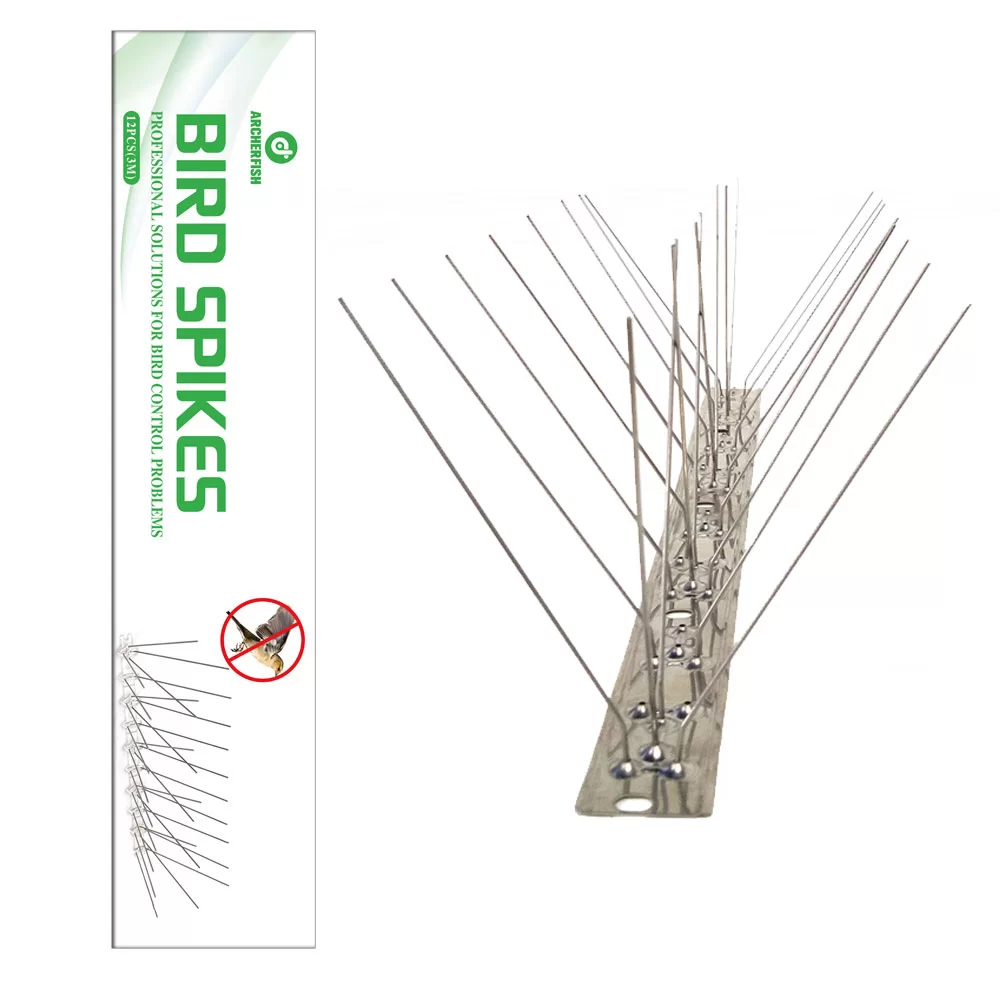
Across transport hubs, food facilities, and retail roofs, we’re seeing a steady swap from polycarbonate to Stainless Bird Spikes. It’s partly sustainability—no UV-cracked plastic—and partly policy: many buyers now specify non-lethal, corrosion-resistant deterrents with verifiable test data. In coastal cities, the salt air makes the case all by itself.
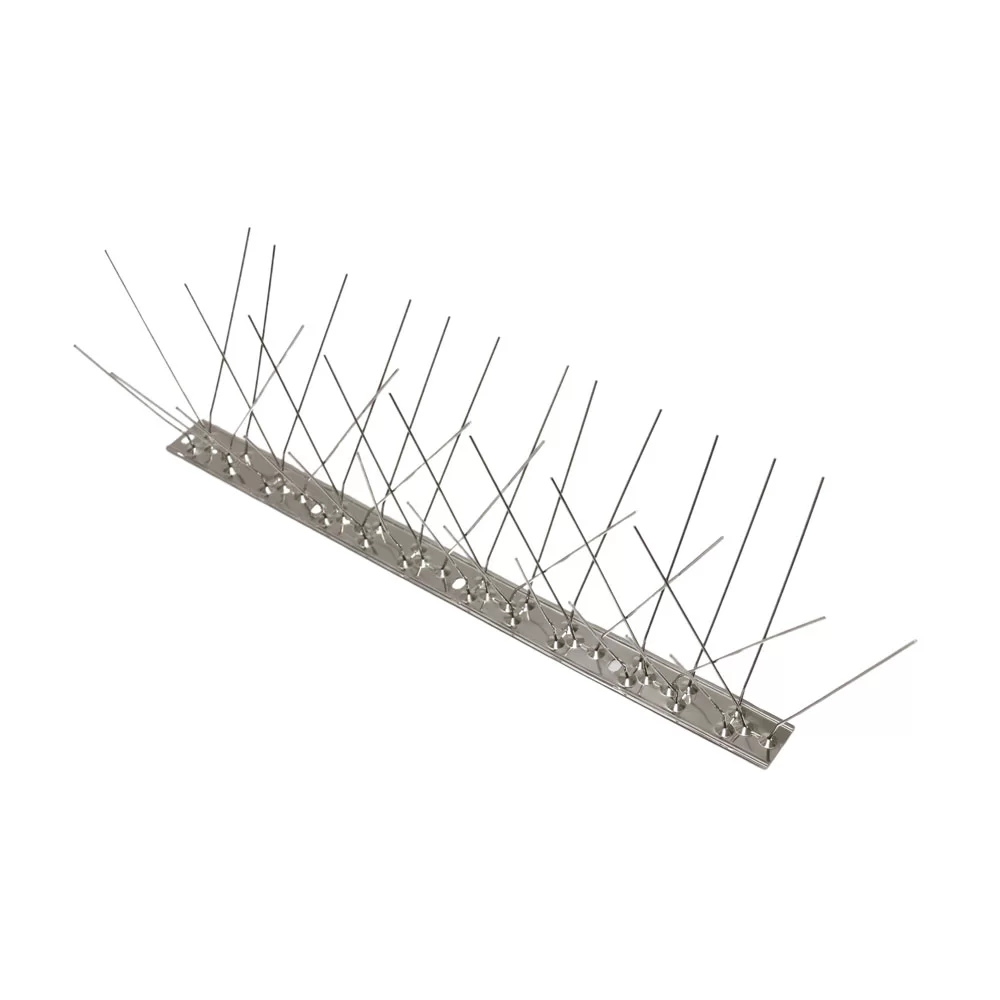
| Material | 304 stainless steel (316 optional for marine) |
| Base bar | All-metal, deburred; ≈0.8–1.0 mm thick |
| Spike wire | Ø ≈1.3–1.5 mm, polished |
| Heights / spreads | 100–150 mm height; 2–5 row fans; coverage ≈80–200 mm |
| Density | ~40–120 spikes per meter (model dependent) |
| Operating temp | -40°C to +180°C (real-world use may vary) |
| Fixing | Screws, rivets, or neutral-cure adhesive |
| Service life | ≈8–12 years inland, 6–10 coastal (maintenance-dependent) |
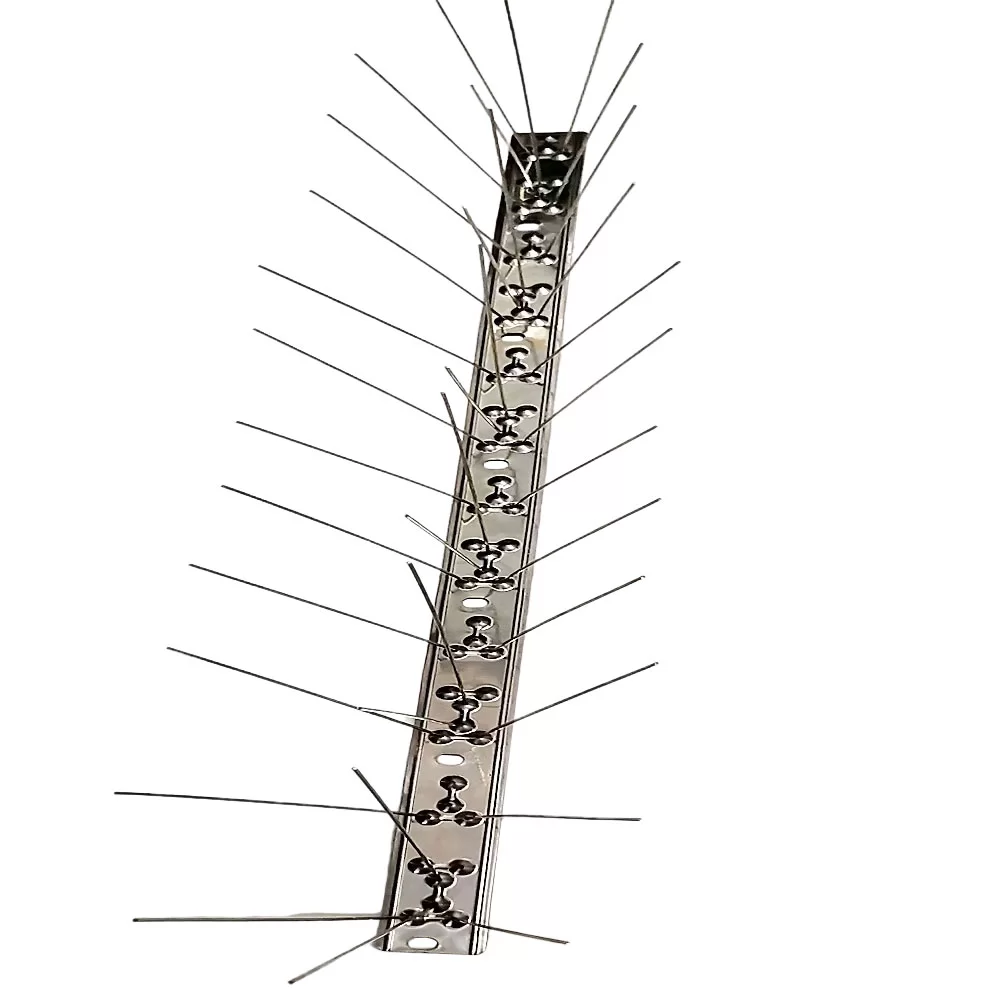
Process flow, briefly: 304 SS coils are slit; base bars are CNC-cut and deburred; spikes are cut-and-formed; resistance spot-welding or laser tack-welding fixes rows to the base; assemblies are passivated, then QC’d. Typical testing: material to ASTM A240 [1]; salt-spray to ASTM B117 or ISO 9227 [2][3]; UV/weathering cycles; pull test on welds; edge burr inspection for humane compliance. One lab report I saw showed 720 h B117 with no red rust, weld pull-out >150 N, and zero UV embrittlement—pretty solid for day-to-day abuse.
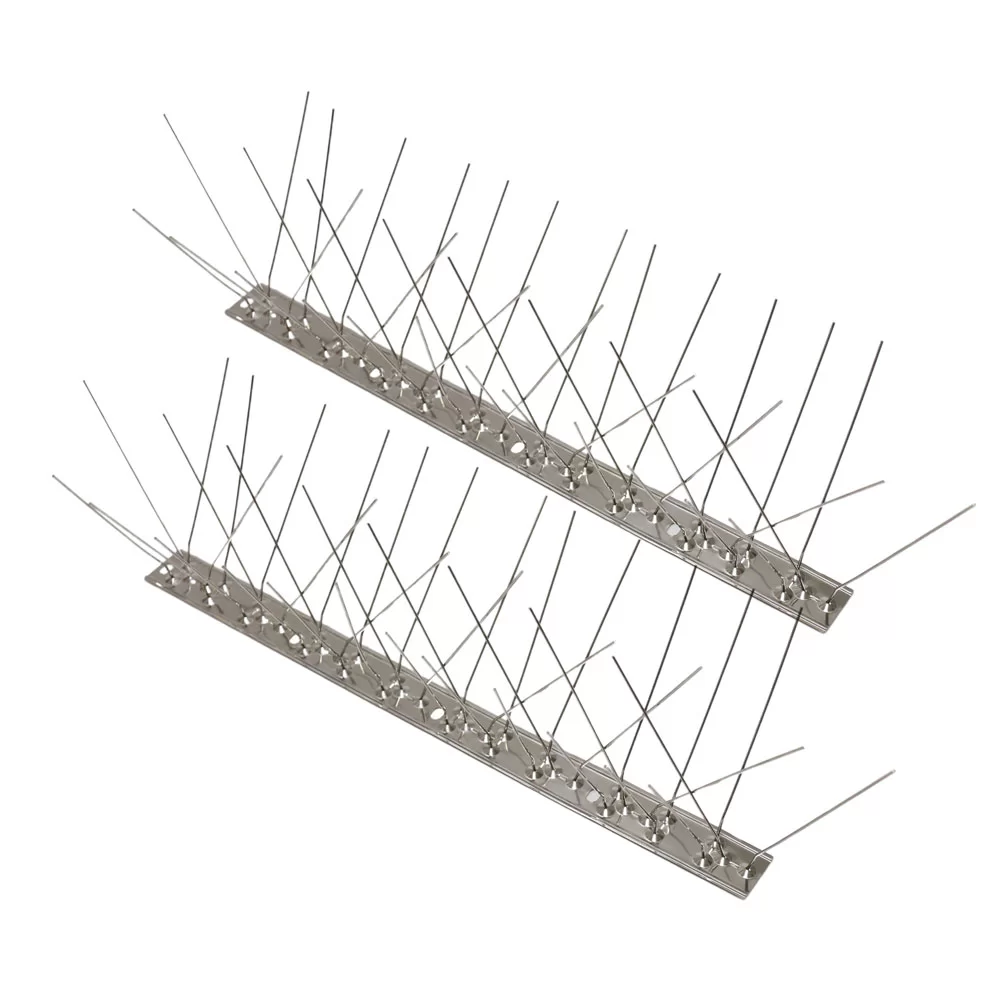
Ledges, parapets, signs, cameras, gutters, beams, solar array rails—any perch line. Industries: logistics depots, food processing (hygiene-driven), hospitality facades, transit stations, utilities. Installation is quick: dry-clean surface, mark, then adhesive bead or mechanical fixings. And yes, they’re humane—deterrence by denying landing space, not harm [4]. Many customers say pigeons give up after a week; gulls can be more stubborn but still move on.
| Vendor type | Base material | Salt-spray | UV aging | Indicative warranty |
|---|---|---|---|---|
| All-304 (base + spikes) | Stainless bar | ≥720 h B117 (typ.) | No cracking | 5–10 yrs |
| SS spikes + poly base | UV PC | Base not tested for corrosion | May yellow over time | 2–5 yrs |
| Aluminum base + SS spikes | Al alloy | Good, but galvanic risks | Stable | 3–7 yrs |
Note: values are indicative; real-world use may vary with environment, cleaning, and fixings.
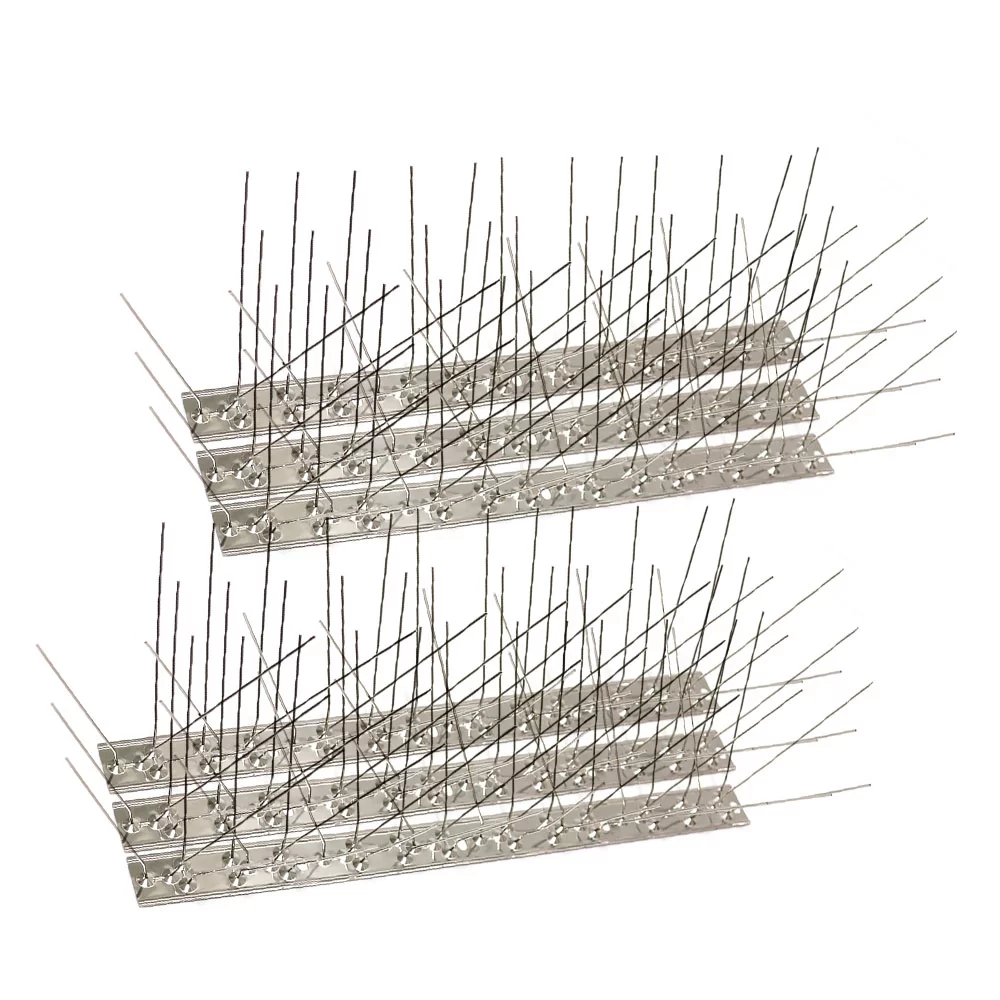
From Tianlin Building, Shijiazhuang City, China, production typically offers cut-to-length bars (333 mm, 500 mm, or custom), tighter fan angles for narrow sills, 316 upgrades for marinas, and private-label packaging. One coastal hotel swapped mixed plastic/metal strips for Stainless Bird Spikes and reported a 70% drop in weekly facade cleaning. A distribution center over a busy rail spur logged near-zero nesting within two months—surprisingly fast for a high-pressure site.
Commonly supplied with ISO 9001 QMS, RoHS/REACH material statements, and humane-use guidance. For food sites, I also ask for passivation notes and a burr-free inspection record. It seems small, but inspectors notice.
If you need durable, humane deterrence with predictable OPEX, Stainless Bird Spikes are, frankly, a safe bet—especially where salt, sun, or heat cycles chew up plastics.

Dec 05, 25
Fly Catcher Glue Pad Price: What Industry Experts Say
Jan 19, 26
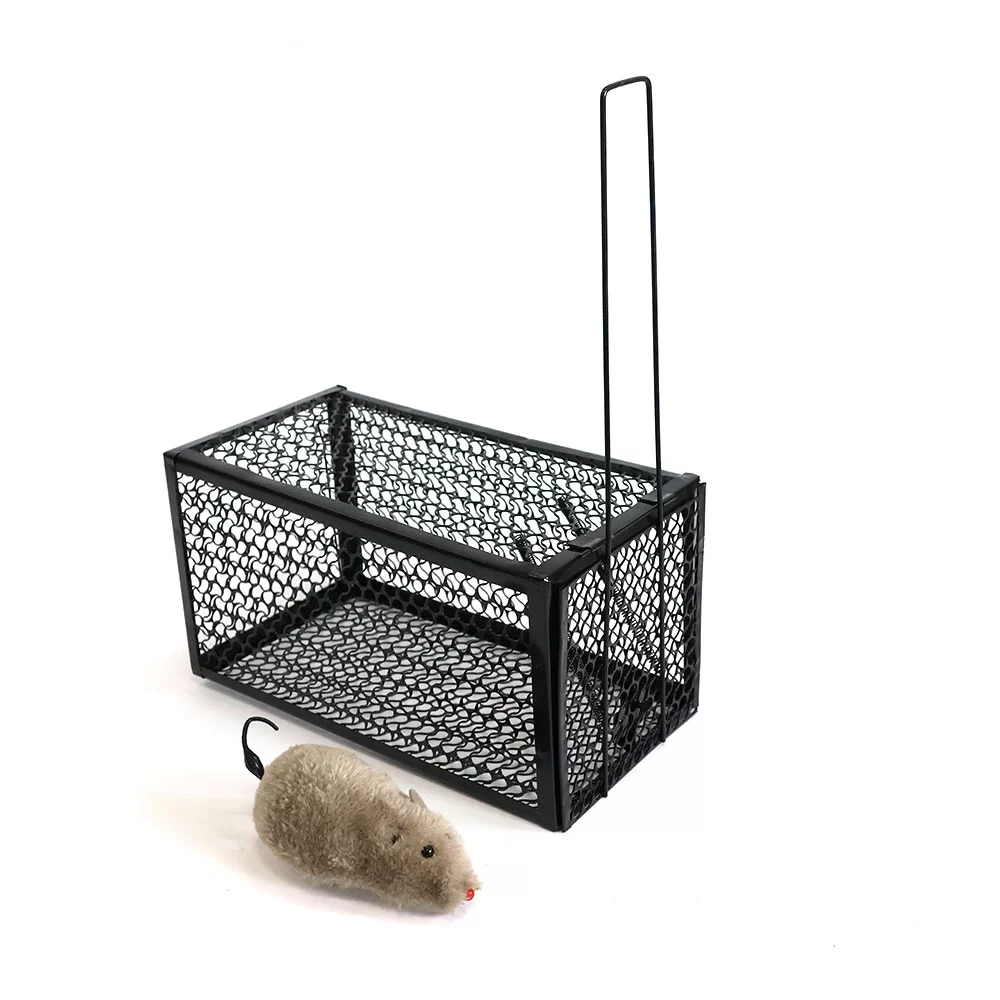
When the faint scurrying of mice echoes in the night, or when you find gnaw marks on furniture and food, a wave of frustration and unease sets in.
Dec 22, 25
Live Trap Ventilation System Design
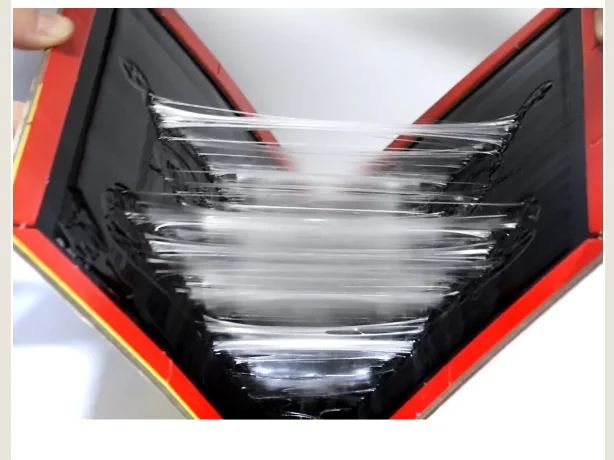
In pest control and ecological protection, live trap plays a crucial role in achieving humane capture and relocation of unwanted animals.
Dec 22, 25
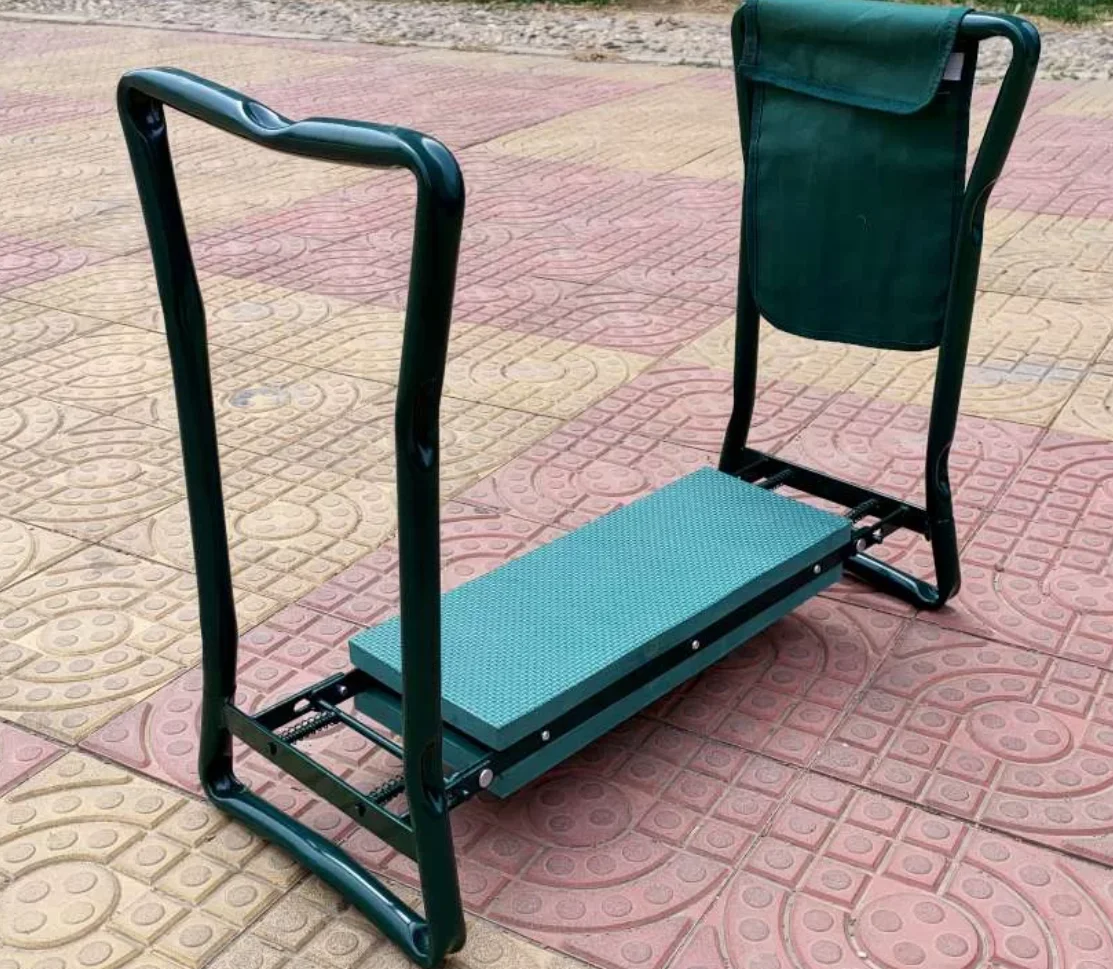
Garden kneeler and seat tool storage integration
For gardening enthusiasts, the hassle of carrying both a kneeling tool and scattered gardening supplies often reduces the pleasure of outdoor work.