Pigeon Netting for Solar Panels: Why We Should Care and What It Really Is
Whether you’re a solar farm operator, a homeowner with rooftop solar panels, or someone curious about the little details that keep our renewable energy efficient, you might have heard about pigeon netting for solar panels. On the face of it, it sounds niche — but in real terms, it’s a surprisingly big deal, globally. Bird droppings, nesting, and damage can reduce solar panel efficiency by up to 15%, according to reports by the International Organization for Standardization (ISO). With the global push for solar energy skyrocketing, understanding this practical yet often overlooked protection method is more relevant than ever. It’s a simple solution with tangible impact, helping maintain the reliability, lifespan, and safety of solar panels worldwide.
And frankly, it’s fascinating how something as mundane as netting can support a cleaner, greener future.
The Global Relevance of Protecting Solar Panels from Bird Damage
Solar power capacity has grown by over 20% annually worldwide, and by 2023, well over 1,000 gigawatts were installed globally (according to the International Energy Agency). But alongside the soaring numbers comes the challenge of maintenance and efficiency loss — especially in urban and semi-urban areas where pigeons and other birds nest and roost on solar panel frames.
This local issue has a global footprint. Bird-related damage not only eats into the return on investment of solar systems but also creates environmental and health concerns. Pigeons and similar birds leave corrosive droppings that stain panels and frames, potentially causing wiring issues or micro-cracks in the glass, which in turn reduces energy yield and shortens the asset’s lifecycle. There’s also the nuisance factor: noise, nesting debris, and unsightly accumulations make many reluctant to invest or expand solar installations.
Technology alone can't fix this — enter pigeon netting for solar panels, a solution that’s both cost-effective and ecologically conscious.
What Is Pigeon Netting for Solar Panels, and Why Does It Matter?
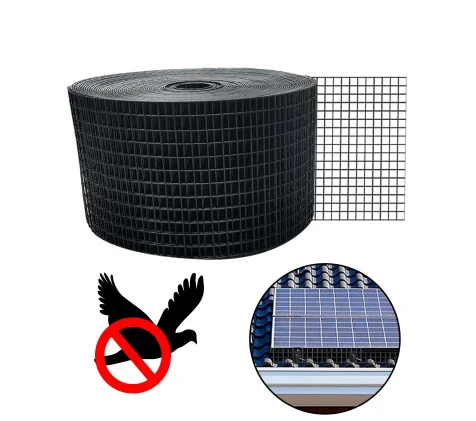
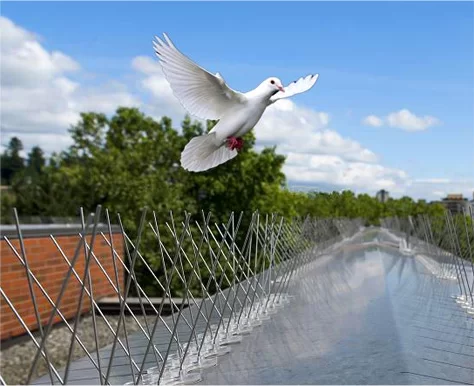
Simply put, pigeon netting for solar panels is a protective barrier made from durable mesh that surrounds or overlays panels, keeping birds from landing, roosting, or nesting on solar installations. The netting is typically crafted from UV-resistant polyethylene or nylon, which balances strength with flexibility, resisting weather and sun damage for years.
This isn’t just an industrial fad — pigeon netting protects delicate solar equipment, ensuring that investments in clean energy continue to deliver maximum output. In many ways, it’s an unsung hero in the sustainable energy ecosystem, preventing damage that human maintenance alone can’t effectively address. Plus, it aligns with humanitarian needs by reducing bird-related health risks for communities near solar farms.
Core Components of Effective Pigeon Netting for Solar Panels
Durability
Optimal pigeon netting should withstand all four seasons — UV rays, rain, wind, and even snow without deteriorating. High-quality polyethylene netting with UV inhibitors is the industry standard, offering 5 to 10 years of service before replacement.
Customization & Scalability
Solar installations vary greatly, from small residential rooftops to sprawling commercial solar farms. The netting systems must scale accordingly — flexible sizing, easy installation mechanisms, and modular designs are crucial for widespread adoption.
Cost Efficiency
While upfront costs of pigeon netting can range broadly, maintenance cost savings and improved panel efficiency make it a compelling investment. Most operators report over 20% efficiency regain due to cleaner, damage-free panels, which quickly pays for netting expenses.
Safety & Wildlife Considerations
Ethical netting excludes birds without harming them. Soft mesh sizes prevent entanglement, and installations comply with wildlife protection standards, ensuring minimal environmental disruption — something more and more buyers actively seek.
Maintenance & Longevity
Netting must be easy to clean, inspect, and replace. Some designs incorporate self-cleaning coatings, while others integrate with smart monitoring systems to spot damage before it affects performance.
Integration with Solar Panel Frames
A seamless fit to panel frames, mounts, or roofs prevents gaps that birds exploit. The better this integration, the less chance of bird intrusion and subsequent damage.
Mini Takeaway: Investing in durable, wildlife-friendly, and well-fitted pigeon netting easily pays off in maintenance savings and sustained solar output.
Worldwide Applications and Use Cases
From sunny California rooftops to industrial solar farms in Spain and solar projects powering remote villages in India, pigeon netting finds diverse uses:
- Urban rooftop solar arrays: Netting helps mitigate frequent bird disturbances in cities, where building ledges and panels compete for bird attention.
- Solar farms in Europe and the US: Protect thousands of solar panels across acres, securing multi-million-dollar investments.
- Remote industrial zones: In harsh deserts and rural areas, pigeon netting minimizes costly field maintenance efforts.
- Disaster-relief solar deployments: Temporary solar setups in displaced communities benefit from quick-to-install netting to ward off local wildlife.
For instance, a solar farm in Italy reported a 17% boost in yearly output after installing pigeon netting, thanks to fewer panel blockages and damage repairs. It sounds almost trivial until you consider the scale of loss without such simple barriers.
Advantages and Long-Term Value of Using Pigeon Netting
There are practical benefits and subtler, emotional ones too. Here’s what many users point out:
- Cost Savings: Reduced cleaning, longer panel lifespans, fewer repairs, and less downtime.
- Sustainability: Supports renewable energy growth without resorting to harmful chemical deterrents or noise devices.
- Reliability & Efficiency: Clean, intact panels mean predictable power output — crucial for grid management and user trust.
- Environmental Ethics: Humane bird deterrence earns goodwill among eco-conscious customers and regulators.
- Peace of Mind: Operators feel reassured that their systems aren’t silently failing due to pests.
Oddly enough, pigeon netting bridges innovation and tradition — a very old method used in a modern context for solar tech, blending past wisdom with future needs.
Innovations and Future Trends in Solar Panel Bird Protection
The market is evolving. Here are a few exciting developments:
- Smart Netting: Embedded with sensors to detect breaches or bird activity, sending alerts to managers.
- Advanced Materials: Bio-degradable or recycled polymers that reduce environmental footprint.
- Integration with Green Roofing: Combining bird netting with vegetated roofing for ecosystem support.
- Robotics & Automation: Drones performing regular inspections and net repairs.
- Policy Push: Increasing regulatory guidelines encourage humane prevention to protect both panel owners and local fauna.
Common Challenges and Expert Solutions
Despite benefits, pigeon netting installations sometimes face issues:
- Incorrect sizing or poor installation leads to birds squeezing in, negating benefits.
- Material degradation under extreme UV or hail without proper UV stabilizers.
- Accessibility for cleaning and inspections can be complicated on large or sloped panels.
Experts suggest using pre-measured kits or professional installation, choosing UV-resistant materials, and combining netting with periodic professional checks to minimize these problems.
Product Specifications for Typical Pigeon Netting for Solar Panels
| Specification |
Typical Value |
| Material |
UV-resistant polyethylene |
| Mesh Size |
12mm to 18mm (to prevent bird entry) |
| UV Stabilizer |
Included, for 5-10 years lifespan |
| Weight |
Approx. 80-120 g/m² |
| Installation Method |
Tie wraps, hooks, or clips on panel frame |
| Color Options |
Black, green (camouflage), transparent |
Vendor Comparison: Leading Providers of Pigeon Netting for Solar Panels
| Vendor |
Material Type |
Warranty |
Customization |
Price Range |
Global Shipping |
| EcoGuard Nets |
Polyethylene UV-Stabilized |
7 Years |
Full custom sizes |
$$ |
Yes |
| SolarShield |
Nylon Mesh |
5 Years |
Modular kits |
$$$ |
Limited |
| BirdBlock Solutions |
Recycled Polyethylene |
6 Years |
Standard sizes only |
$ |
Yes |
Frequently Asked Questions About Pigeon Netting for Solar Panels
1. How difficult is it to install pigeon netting on existing solar panels?
Installation is generally straightforward and can often be performed by property owners themselves or maintenance teams. Most netting kits come with detailed instructions, and vendors provide custom-cut nets to perfectly fit your panels. For large solar farms, professional installation may be recommended to ensure tight fitting and longevity.
2. Can pigeon netting affect the efficiency of solar panels?
When properly installed, pigeon netting should not significantly impact solar panel efficiency. The mesh is designed to be thin and minimally obstructive to sunlight. In fact, by preventing bird droppings and damage, netting often improves overall energy output compared to unprotected panels.
3. Is pigeon netting environmentally friendly? Does it harm birds?
Quality pigeon netting is non-toxic, UV resistant, and wildlife-friendly. When installed properly, it deters birds without trapping or injuring them. The goal is exclusion, not harm, aligning with environmental and ethical standards adopted by many solar operators.
4. How long does pigeon netting typically last before replacement is needed?
Most commercial-grade pigeon netting lasts between 5 to 10 years under normal weather conditions. UV stabilizers in the material prevent rapid degradation, but extreme weather or careless installation can shorten lifespan.
5. Where can I learn more about sourcing pigeon netting for solar panels?
There are many suppliers worldwide specializing in bird exclusion netting. For detailed options and to explore custom solutions, visit pigeon netting for solar panels. They offer expert advice and product lines tailored to various installation sizes and environments.
Wrapping Up: Why Pigeon Netting Deserves a Spot in Your Solar Toolkit
In the grand scheme of solar technology, pigeon netting might seem like a small cog — yet it’s essential. It keeps our solar panels clear, working efficiently, and reduces costly maintenance. It’s a humane, sustainable method to protect investment and ensure clean energy keeps flowing reliably to our homes and industries.
If you're thinking seriously about securing or upgrading your solar installation, don't overlook this straightforward solution. Visit pigeon netting for solar panels to explore options tailored to your needs and future-proof your clean energy investment.