What Is Anti Bird Netting for Grass Seed and Why It Matters Globally?
When it comes to establishing lush green fields or restoring vegetation, one oft-overlooked enemy is birds. They feast on freshly sown grass seed, undoing hours of labor and money spent on planting. This is where anti bird netting for grass seed comes in as a quiet hero in agriculture, landscaping, and environmental restoration worldwide. It’s much more than just a physical barrier; it’s a tool vital to global food security and land rehabilitation efforts.
Across thousands of hectares, crops and grasslands silently suffer seed loss due to birds, sometimes accounting for up to 40% of grass seed loss according to environmental studies. So, mitigating these losses translates directly to enhanced yields, reduced re-sowing costs, and ultimately, a more sustainable balance between nature and farming. It’s a fascinating intersection of ecology, agronomy, and simple material engineering — and a small thing with surprisingly big impact when you think about it.
The Global Relevance of Anti Bird Netting for Seed Protection
Food production challenges intensify every year, with the United Nations reporting that by 2050 we will need to feed nearly 10 billion people. Much of that demand falls on sustainable agricultural practices, where maintaining seed viability is crucial. The World Bank and ISO also highlight how labor-intensive restoration projects and grassland renewals frequently face setbacks due to wildlife interference, notably bird depredation of seeds.
Anti bird netting for grass seed, therefore, is more than a product; it’s part of a global strategy to safeguard investments in soil health and vegetation regrowth, whether in commercial farms, sports fields, or ecological rehabilitation sites. Unfortunately, the traditional response has been reactive—plant more, hope for the best—which can be costly and ineffective. Netting is a preventative approach that’s gaining traction fast, especially in vulnerable regions from temperate Europe to the grasslands of Africa and beyond.
Mini takeaway: Worldwide seed protection helps bridge the gap between land use demands and ecological preservation.
What Exactly Is Anti Bird Netting for Grass Seed?
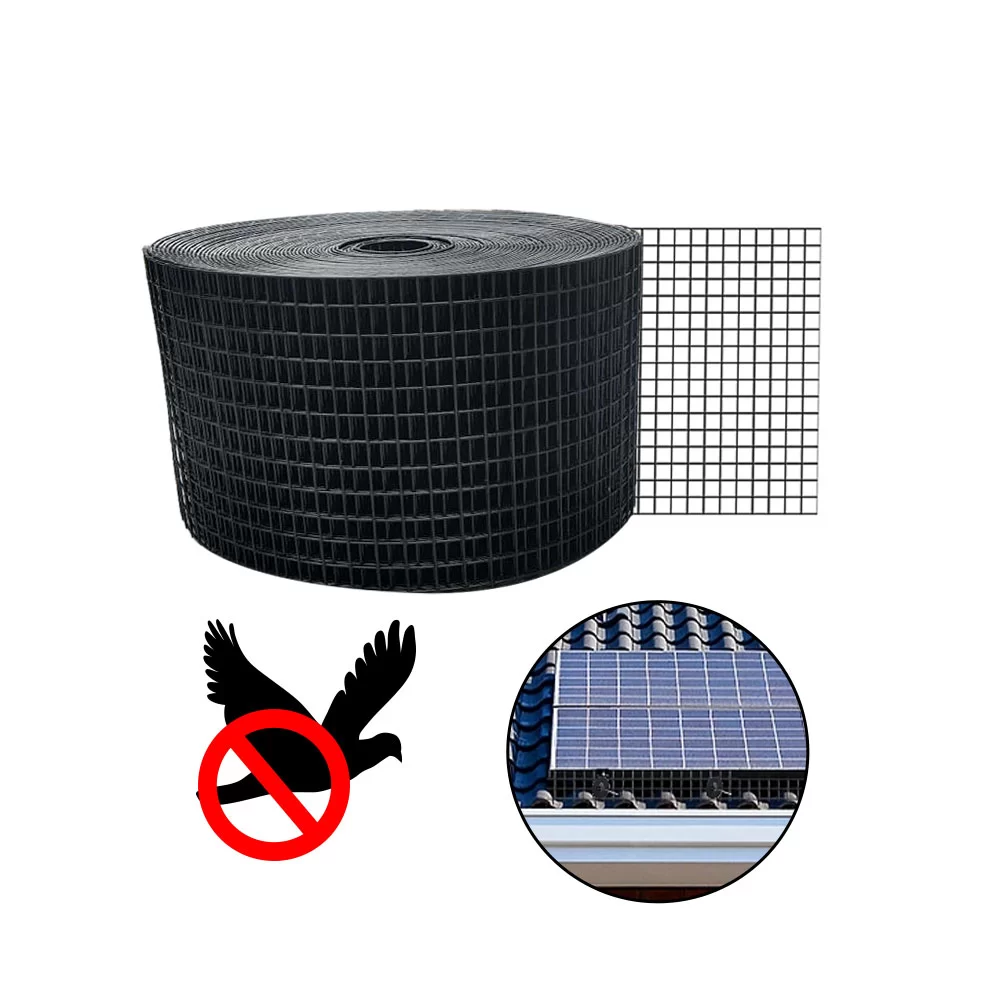
Simply put, anti bird netting for grass seed is a lightweight, durable mesh designed to cover sown seed areas, physically preventing birds from accessing and consuming grass seeds before they can germinate. Typically made from UV-resistant polyethylene or polypropylene, the netting weaves tiny holes small enough to deter birds but large enough to let light, water, and air through—essential elements for seed health.
This product isn’t just limited to farming; it’s also used in land reclamation, sports turf management, and consumer gardening—all scenarios where pristine grass establishment is desired. Oddly enough, even humanitarian projects such as restoring greenery in drought-affected refugee camps have found this tool invaluable. It’s a humble yet ingenious solution born from a practical need to balance wildlife presence with human cultivation.
Key Factors Behind Effective Anti Bird Netting for Grass Seed
Durability
Anti bird netting often braves rough weather, strong winds, and periods of intense UV exposure. Durable materials like woven polypropylene ensure netting lasts across growing seasons without tearing, so the seed protection is consistent and reliable. Besides, resistant netting reduces the need for frequent replacements, saving time and money.
Mesh Size & Design
The mesh must be small enough to keep various bird species out, from sparrows to starlings, but allow rain, sunlight, and air to reach the soil. The balance here is crucial—too tight, and waterlogging or fungal growth can occur; too loose, and birds get in. Many modern nettings feature diamond or square-shaped pores, optimizing this balance while being lightweight.
Ease of Installation
The best netting solutions come with user convenience in mind. Lightweight rolls, flexible edges, and compatibility with stakes or clips make deployment fast—important when dealing with large or irregularly shaped areas. In time-sensitive planting windows, this ease can be the difference between full protection and costly losses.
Cost Efficiency
While the upfront cost of quality netting might seem high, saving thousands in lost seeds and re-sowing efforts more than justifies the investment. More affordable products exist but risk durability issues. Balancing cost with performance is a practical consideration for landscapers and farmers alike.
Environmental Impact
Many newer nettings are recyclable and designed to minimize environmental footprint. Biodegradable or reusable varieties are increasingly favored, aligning with global moves toward sustainable agriculture and strict waste management guidelines.
Typical Product Specifications for Anti Bird Netting
| Specification |
Details |
| Material |
UV-stabilized Polypropylene or Polyethylene |
| Mesh Size |
10-15 mm (square or diamond pattern) |
| Weight |
40-80 g/m² depending on type |
| UV Resistance |
6-12 months under normal sunlight |
| Roll Dimensions |
Typically 2-4 m width, 50-100 m length |
| Color |
Green, black, or transparent options |
How Anti Bird Netting for Grass Seed Is Used Worldwide
From Europe’s golf courses keeping their lawns pristine to Africa’s rangelands restoring wildlife-friendly grass, anti bird netting finds diverse uses. For instance, in the UK, sports grounds install netting during reseeding season to prevent costly delays due to seed loss. Meanwhile, NGOs working in semi-arid regions of Kenya rely on netting in reforestation projects where sheep and birds alike threaten seed banks.
Oddly enough, some urban green rooftop projects now embrace netting to maintain small grass ecosystems damaged by urban pigeons — a reminder this product’s impact isn’t limited to sprawling fields. Even military or disaster relief zones, where temporary lawns or soil stabilization are needed quickly, utilize anti bird netting as part of their strategies.
Mini takeaway: Anti bird netting for grass seed is a quiet but essential global player in land restoration and maintenance, adaptable from small gardens to vast rangelands.
Comparing Popular Vendors of Anti Bird Netting
| Vendor |
Material Quality |
UV Resistance |
Cost per m² |
Installation Features |
| GreenWrap Ltd. |
High-density polypropylene |
12 months |
$1.15 |
Pre-cut sizes, flexible edging |
| EcoNet Solutions |
Recyclable polyethylene |
6-8 months |
$0.95 |
Lightweight rolls, clip system |
| BirdGuard Tech |
UV-treated polypropylene |
10 months |
$1.25 |
Integrated stakes & ropes |
Advantages & Long-Term Value of Using Anti Bird Netting
Frankly, few products offer such a direct return on investment as seed protection netting. You’re literally saving the very foundation of the grass or crop before it even grows. This reduces replanting costs, saves water (since reseeding requires extra irrigation), and supports environmental sustainability by lowering waste.
Emotionally, using netting reassures farmers and landscapers that their efforts won’t be wiped out overnight by hungry birds. It fosters trust between nature and human cultivation — a sort of respectful cohabitation. And socially, when restoration projects succeed, the community gains not just greener spaces but increased food security or job opportunities.
Innovations and Future Trends in Anti Bird Netting
Materials science doesn’t stand still. New biodegradable nets infused with natural UV stabilizers are hitting the market, aligning neatly with today’s zero-waste goals. Add to that, automated drone systems monitoring seed beds and deploying netting remotely in hard-to-reach places — the integration of digital tools with simple protection is exciting.
Moreover, some companies are developing multi-functional netting with pest repellents or anti-fungal coatings — merging physical protection with biological defense. These advances hint at a future where netting isn’t just protective gear but part of a smart ecosystem support system.
Challenges and Practical Solutions
It’s not all perfect: poor net installation can leave gaps, or materials degrade faster under harsh conditions. Also, some bird species learn to peck and tear certain nettings over time. But good design choices, including stronger threads and proper anchoring, solve most problems. Likewise, educating users on best practices for deployment is crucial—since even the best net won’t help if it’s haphazardly installed.
Another concern is environmental impact. Hence, switching to recyclable or biodegradable materials and ensuring retrieval after use helps close the loop — solutions often advocated by ISO standards on sustainable agriculture inputs (ISO 14001, for example).
FAQs About Anti Bird Netting for Grass Seed
How long does anti bird netting typically last in the field?
Most UV-stabilized netting lasts between 6 to 12 months under normal outdoor conditions. Proper installation and storage can extend its life slightly.
Can anti bird netting affect seed germination?
No, when correctly chosen with appropriate mesh size, netting allows sunlight, water, and air penetration, which are critical for seed germination and seedling growth.
Is anti bird netting suitable for large-scale agricultural fields?
Absolutely. Netting comes in wide rolls and can cover extensive areas efficiently. Some companies also provide custom sizes and installation kits for large-scale use.
Are there environmentally friendly options for bird netting?
Yes, advances in biodegradable materials mean you can choose netting that decomposes after use or that is fully recyclable, minimizing environmental footprint.
How quickly can anti bird netting be deployed?
Depending on the area size and installation method, netting can typically be deployed within a few hours to one day—critical for protecting seeds immediately after sowing.
Conclusion + Call to Action
In the bigger picture, anti bird netting for grass seed is one of those quiet innovations that quietly tip the scale toward successful planting and restoration globally. It’s practical, cost-effective, sustainable, and adaptable across industries and geographies. For anyone invested in greener lands—whether farmers, landscapers, or environmentalists—it’s worth the investment and attention.
Interested in exploring tailored netting solutions? Visit our website: anti bird netting for grass seed and get in touch with experts who truly understand your planting challenges.
References & Further Reading
- FAO Report on Food and Agriculture
- ISO 14001 Environmental Management Systems
- Seed Dispersal - Wikipedia