Understanding Polycarbonate Spikes: Tiny Components, Big Impact
In a world that's gradually leaning more on materials that blend strength and flexibility, polycarbonate spikes sit at a fascinating crossroads of innovation. While “spikes” might conjure rough, industrial images, polycarbonate spikes are more subtle players — vital, yet often overlooked in many sectors. The global material sciences market hit over $5 billion in demand for polycarbonate products last year, signaling a brisk growth pace (source: ISO). These tiny spikes provide unique benefits that stretch from aerospace to urban planning. Simply put: understanding them means appreciating how modern industry and infrastructure keep evolving for greater efficiency and safety.
Why do these little spikes matter so much? Because they solve persistent challenges — from protecting sensitive equipment to securing bird-proofing measures, all while reducing waste and offering cost-effective durability. That’s a clean win, and frankly, it's pretty neat when you think about how the simplest components often make the biggest difference.
The Global Landscape: Why Polycarbonate Spikes Matter
Polycarbonate is renowned worldwide for its exceptional toughness, transparency, and heat resistance, often outperforming glass and other plastics in strict safety standards. According to the World Bank, industries investing in resilient materials see a long-term reduction in maintenance and replacement costs. Polycarbonate spikes — miniature as they are — inherit these advantages and find themselves increasingly integrated across sectors. For example, urban planners in Europe adopted bird deterrent spikes in over 23 cities last year to combat nuisance birds, reducing damage and disease risk quite dramatically.
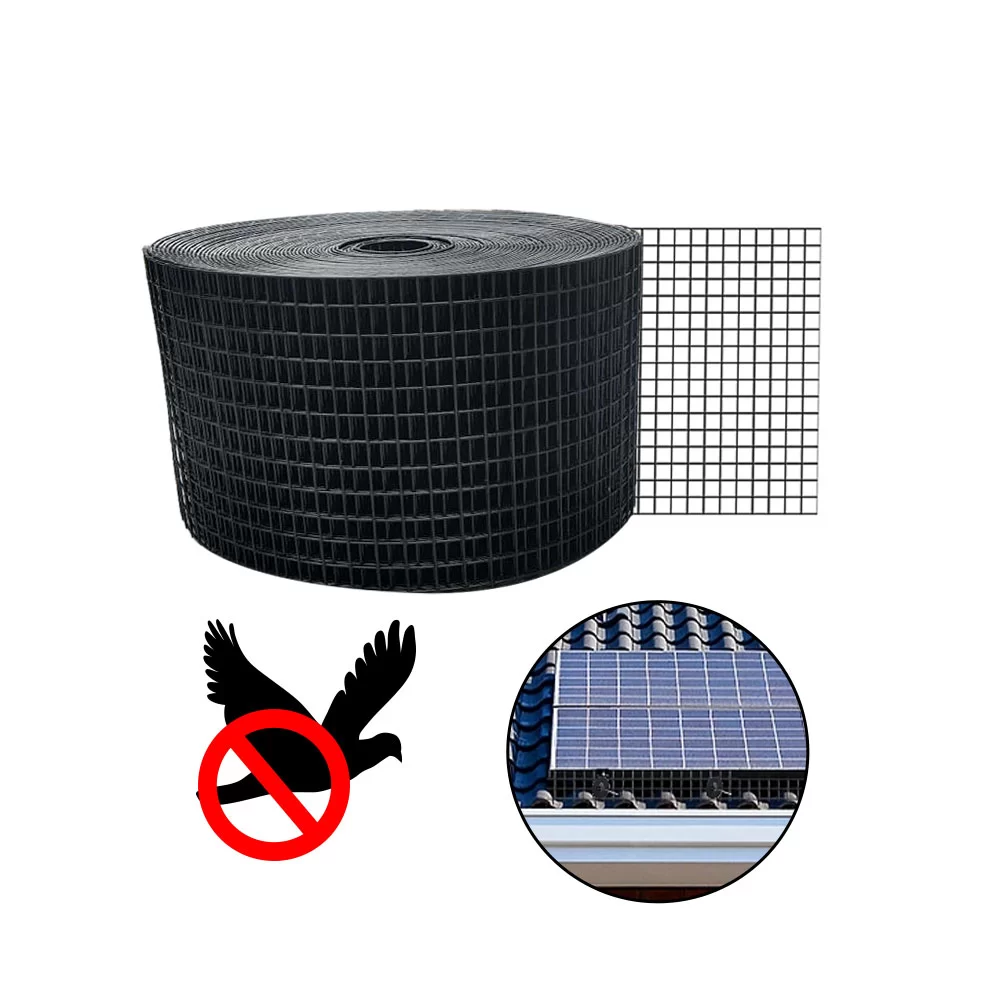
The problem? Traditional anti-bird spikes, made of metals or brittle plastics, either rust or shatter easily, requiring frequent replacements. Polycarbonate spikes pop up as a clever solution offering the same deterrent effect with added nuance: they’re lightweight, UV-resistant, and safe to install even on delicate surfaces.
Mini takeaway:
- Polycarbonate spikes reflect a shift toward smarter, longer-lasting materials globally.
- They address common durability and maintenance issues in industries spanning construction to wildlife management.
So, What Are Polycarbonate Spikes?
In simplest terms, polycarbonate spikes are small projection elements crafted from a polycarbonate polymer — a lightweight thermoplastic known for its durability and transparency. Picture tiny, stiff “needles” or “prongs” arranged in rows on a base, designed to deter birds or pests without causing harm. Unlike metal spikes, these are safer around wildlife and better suited for fragile architectural surfaces.
They’re more than just anti-bird tools, though. These spikes connect to broader needs: safety in factories, preventing debris accumulation on solar panels, or even acting as micro-grips in packaging to secure goods during transit. It’s a perfect intersection of mechanical design meeting material science, tuned for both function and sustainability.
Mini takeaway:
- Polycarbonate spikes serve as non-lethal, cost-effective deterrents and functional micro-components.
- They’re part of a contemporary toolkit balancing strength with environmental responsibility.
Core Features of Polycarbonate Spikes
Durability & UV Resistance
One core appeal is how polycarbonate spikes resist cracking, yellowing, or weakening in direct sunlight — often outlasting conventional plastics by years. This durability means fewer repairs and replacements.
Lightweight but Strong
Though fragile-looking, these spikes carry surprising strength-to-weight ratios, making them ideal where adding heavy materials isn’t an option — like rooftop installations.
Environmental Safety
Unlike steel spikes, these don’t rust or leach harmful substances. Their safe design minimizes harm to birds, aligning with humane urban policies.
Ease of Installation & Customization
Polycarbonate spikes often come pre-mounted on flexible bases, clipped easily to curved or angular surfaces. Vendors tailor lengths, thicknesses, and spike density based on specific needs.
Cost Efficiency Over Lifecycle
While the upfront price is slightly higher compared to cheaper plastics, the longevity and reduced labor for repairs make polycarbonate spikes economical in the long run.
Real-World Applications: From City Streets to Remote Industrial Sites
In Europe, many cities have adopted polycarbonate bird spikes to protect historic monuments without damage. In North America, solar farms utilize them on panel edges to prevent nesting and maintain energy efficiency. Meanwhile, industrial plants in Asia rely on these spikes to keep machinery free from pests that could otherwise cause downtime — a critical factor in highly automated factories.
Humanitarian efforts also leverage them. For example, in post-disaster relief, temporary shelters equipped with polycarbonate spikes prevent nesting by insects and rodents, improving sanitary conditions without hazardous chemicals.
Typical Polycarbonate Spike Product Specifications
| Specification |
Detail |
| Material |
High-impact polycarbonate |
| Spike Height |
25-50 mm (custom options available) |
| Base Type |
Flexible PVC strip or rigid polycarbonate sheet |
| UV Resistance |
>10 years outdoor lifespan rating |
| Temperature Range |
-40°C to +120°C |
| Installation Method |
Adhesive backing, screws, clips |
Benefits That Last: Why Invest in Polycarbonate Spikes?
The emotional aspect can’t be overstated. Cities wanting to keep their cultural charm intact find these spikes a “friendly” alternative to harsh deterrents. Property owners enjoy peace of mind from long-term damage reduction. Industry players, meanwhile, appreciate the stable ROI — fewer replacements, less downtime.
From a logical standpoint, fewer chemicals and metal waste align with growing environmental awareness. The spikes’ tough profile offers undeniable reliability in weather extremes, with far less fuss than metal counterparts. This synergy of safety, economy, and sustainability — it really feels like the right choice for today's conscientious users.
When Tomorrow Calls: Trends & Innovations in Polycarbonate Spikes
Looking ahead, polycarbonate spikes aren’t standing still. Integration with green energy setups (think: solar panels) is gaining traction, helping protect renewable investments without impairing efficiency. Additive manufacturing or 3D printing allows rapid prototype customization tailored to odd shapes or special density needs.
Digital transformation innovations mean smarter installation kits, even IoT sensors embedded near spikes to monitor bird activity remotely. And of course, ongoing research into bio-based polycarbonates hints at creating spikes with even smaller environmental footprints — a pretty exciting future.
Common Challenges (And How Experts Address Them)
Skepticism remains around cost, especially for large-scale urban deployment. The spikes can be more expensive initially than metal or cheap plastic strips. However, experts highlight total cost of ownership metrics — factoring maintenance — where polycarbonate wins out clearly.
Another concern is occasional improper installation leading to damaged bases or reduced effectiveness. Training or choosing vendors with installation services mitigates this. For very harsh environments, combined solutions using polycarbonate with metal anchors help achieve optimal durability.
Vendor Comparison for Polycarbonate Spikes
| Vendor |
Product Range |
Customization Options |
Lead Time |
Price Tier |
| SpikeSafe Inc. |
Standard & heavy-duty spikes |
Height, color, base type |
2–3 weeks |
Mid-range |
| ClearGuard Polymers |
Transparent, UV-resistant line |
Custom lengths, flexible strips |
1 week |
Premium |
| EcoSpike Solutions |
Bio-polycarbonate spikes |
Limited; eco-material focus |
3–5 weeks |
High |
FAQ: Common Questions About Polycarbonate Spikes
Q1: Are polycarbonate spikes safe for wildlife?
A1: Yes. Unlike metal spikes, polycarbonate spikes deter without undue harm. They’re designed to create physical barriers preventing landing or nesting but don’t have sharp edges that cause injuries.
Q2: How long do polycarbonate spikes last outdoors?
A2: Typically, over 10 years with proper installation and maintenance, thanks to their UV stability and resistance to harsh weather.
Q3: Can polycarbonate spikes be customized for unusual surfaces?
A3: Absolutely. Manufacturers offer flexible bases and custom spike lengths to fit curved or delicate architectural elements.
Q4: Is installation complicated?
A4: Not really. Most spikes come with adhesive backing or are designed for screw-attachment, and many vendors provide guidance or installation services.
Q5: How eco-friendly are polycarbonate spikes compared to metal?
A5: While polycarbonate is a plastic, its longevity reduces waste. New bio-based polycarbonate options further improve sustainability profiles over traditional metals that corrode or require replacement.
The Bottom Line: Why Polycarbonate Spikes Are a Smarter Investment
To wrap up, polycarbonate spikes offer a compelling mix of resilience, environmental friendliness, and smart design. Their versatility touches cities, farms, industries, and humanitarian efforts alike — reducing damage, improving safety, and supporting sustainability goals. If you’re considering long-term solutions that work quietly but effectively, they’re worth a close look. For more details or to explore tailored solutions, feel free to visit our website: polycarbonate spikes. You might find you’re already closer to a simple, efficient answer than you imagined.
References
- ISO Standards on Polycarbonate materials
- Wikipedia: Polycarbonate
- World Bank: Sustainable Urban Development