Why Insect Sticky Traps Are Crucial in Today's World
If you’ve ever struggled with pesky flies, whiteflies, or aphids damaging crops or invading your personal space, you’ll know the value of a good insect control tool. The insect sticky trap is often overlooked but plays a monumental role in both agriculture and public health worldwide. In essence, it’s a simple yet mighty solution to a complex challenge: managing insect populations without the heavy use of chemical pesticides. This matters globally because insect-borne diseases and crop losses cause billions in damages and health issues annually. Understanding and harnessing insect sticky traps can help address these problems sustainably.
Take a moment to think about the sheer scale—according to the Food and Agriculture Organization (FAO), pests destroy roughly 20-40% of global crops annually. That’s like tossing out almost half the world’s food production. Enter the insect sticky trap: a practical tool that’s both cost-effective and eco-friendly. Let’s unpack why.
Setting the Scene: The Global Need for Effective Pest Management
Globally, rising populations and climate change are shifting insect behaviors and exacerbating pest pressures in unexpected regions. The World Health Organization reports that vector-borne diseases such as dengue and Zika continue to challenge global health systems, especially in tropical areas. Meanwhile, smallholder farmers in Africa and Asia bear the brunt of crop losses due to pests.
The traditional reliance on chemical pesticides is becoming increasingly problematic. They’re costly, often toxic, and can lead to resistance in pest populations. This is where insect sticky traps offer a promising alternative — low-tech yet remarkably effective. Plus, their ease of deployment fits well into small-scale agriculture and disaster zones alike, where quick, chemical-free solutions are prized.
What Exactly Is an Insect Sticky Trap?
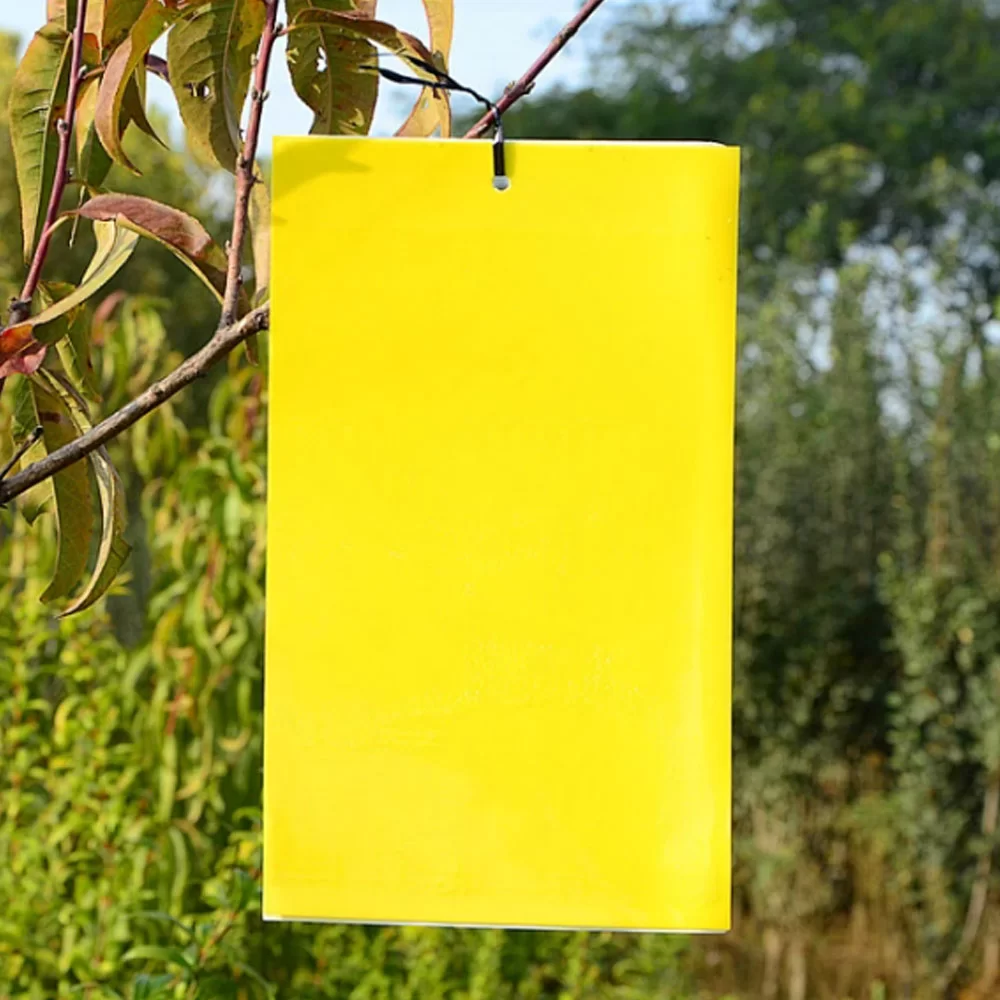
Simply put, an insect sticky trap is a device or material coated with a sticky adhesive designed to catch flying or crawling insects. Most commonly, they're bright yellow or blue cards or strips coated with a non-toxic glue that attracts specific pest species, which then get stuck upon contact.
Beyond the simplicity lies their critical link to modern agriculture, integrated pest management (IPM), and humanitarian health initiatives. For example, NGOs use these traps in refugee camps to curb mosquito populations without adding toxic chemicals to sensitive environments.
Core Features That Make Insect Sticky Traps Effective
1. Targeted Attraction
Different insects respond to different colors and pheromones. Many traps use yellow hues to lure aphids, whiteflies, and thrips. This targeted attraction ensures minimal impact on beneficial insects like bees.
2. Durability & Weather Resistance
Since many traps are used outdoors, durability is vital. Good traps resist UV degradation and maintain tackiness despite rain or heat — no one wants a soggy, ineffective trap after a storm.
3. Safe, Non-Toxic Materials
The glue and materials must be environmentally safe. This is especially true where children, pets, or wildlife might come into contact with the traps.
4. Ease of Use & Deployment
In emergency situations or fast-paced agricultural cycles, traps that can be set up quickly without tools or training are preferable.
5. Cost Efficiency
Particularly for smallholder farmers or NGOs, cost per unit and replacement frequency are deal-breakers.
Mini takeaway: The perfect insect sticky trap combines targeted attraction with durability and safety, all while being easy on the budget.
Insect Sticky Traps in Action: Real-World Applications
These traps have found roles in various settings worldwide:
- Agriculture: Farmers in vineyards and greenhouses rely on them to monitor and reduce populations of harmful insects like whiteflies, reducing pesticide sprays.
- Disaster Relief: Organizations deploy traps in refugee camps to reduce disease vector insects quickly and safely.
- Urban Pest Control: Businesses and households use sticky traps indoors to control flies and gnats, especially in food preparation areas.
- Research & Monitoring: Entomologists use traps to track pest population trends and pesticide resistance.
Oddly enough, a friend working with agricultural NGOs in Southeast Asia recently told me how these traps were a lifesaver during a flood relief effort—chemical spray wasn’t feasible, but the traps helped keep mosquito numbers down while communities rebuilt.
Advantages Beyond the Sticky Surface
When considering insect sticky traps, it’s easy to focus on the tangible—like cost-savings or fewer chemicals. But their long-term value is just as compelling:
- Environmental Sustainability: Reduces reliance on harmful pesticides, contributing to safer ecosystems.
- Health & Safety: Non-toxic, no chemical exposure risks to workers or residents.
- Economic Impact: Lower crop losses and reduced pesticide costs bolster farmer incomes.
- Trust & Peace of Mind: Knowing pest control is happening with least harm aligns with modern ethical expectations.
Product Specification Table
| Feature |
Typical Value |
Benefit |
| Color Options |
Yellow, Blue, Red |
Attracts different insect species |
| Adhesive Type |
Non-toxic, UV-resistant glue |
Safe for environment & lasts outdoors |
| Dimensions |
10x20 cm (card), customizable |
Fits various deployment needs |
| Shelf Life |
Up to 2 years unopened |
Long-term storage feasible |
| Price per unit |
$0.20–$0.50 |
Affordable for small-scale users |
Comparing Leading Vendors of Insect Sticky Traps
Choosing the right supplier can be daunting. Here’s a quick snapshot:
| Vendor |
Price Range (per 100 pcs) |
Customization Options |
Environmental Certifications |
Lead Time |
| Eco-Trap Supplies |
$18 - $25 |
Custom colors, logos |
ISO 14001 |
2 weeks |
| GreenPest Solutions |
$20 - $28 |
Limited customization |
EPA recognized |
1 week |
| HarvestSafe Inc. |
$15 - $22 |
Custom adhesive formulas |
None |
3 weeks |
Looking Ahead: The Future of Insect Sticky Traps
The pest control world is quietly buzzing with innovation. From insect traps integrating solar-powered UV lights to enhance attraction, to smart traps that monitor and transmit pest data digitally, the future feels very 21st century. There’s also a growing push toward biodegradable trap materials, aligning well with sustainability goals.
Oddly enough, some research teams are even looking to use AI-powered image recognition on sticky traps to identify species and infestation levels remotely. Imagine farmers getting real-time alerts on their phones! These innovations are slowly creeping out of labs and into the hands of growers and public health officials.
The Challenges Still Sticking Around
No solution is perfect. Sticky traps can sometimes catch non-target insects, which is ethically and ecologically tricky. Also, in very humid or dusty environments, adhesives lose efficiency faster. And admittedly, large-scale infestations might need supplementary methods for control.
Experts suggest combining sticky traps with other IPM tools for best results. Proper trap placement, rotation of adhesive types, and regular monitoring help overcome these downsides. It’s about holistic thinking — no silver bullet but silver buckshot.
FAQ: Common Questions About Insect Sticky Traps
- How long does an insect sticky trap typically last outside?
- Most insect sticky traps remain effective for 3 to 6 weeks outdoors, depending on weather conditions. UV exposure and rain can reduce tackiness, so regular replacement is recommended for consistent results.
- Can insect sticky traps harm beneficial insects like bees?
- While traps attract certain pests using color cues, correct placement and trap color selection minimize impacts on beneficial insects. For instance, yellow traps attract whiteflies more than bees, but care should still be taken especially near flowering plants.
- Are insect sticky traps reusable?
- Generally, no. Once the adhesive surface is covered with insects, its effectiveness decreases drastically. Traps should be disposed of and replaced for ongoing pest control.
- Can I use insect sticky traps indoors?
- Absolutely. They work well in kitchens, warehouses, and greenhouses to capture flies, gnats, and other flying insects, offering a chemical-free control method.
- How do I dispose of used insect sticky traps safely?
- Dispose of traps in sealed plastic bags in regular trash to avoid trapping unintended wildlife. Follow local regulations if large-scale disposal is involved.
Wrapping It Up: Why You Should Consider Insect Sticky Traps
The humble insect sticky trap embodies a principle that often gets lost in tech-heavy discussions: that simplicity and sustainability can meet real global challenges head-on. Whether protecting crops, reducing disease vectors, or lowering chemical load on the environment, sticky traps deliver long-term value quietly but effectively.
If you want to explore these solutions – customized or standard – look no further than the comprehensive offerings at insect sticky trap providers who balance innovation, quality, and affordability.
References:
1. Food and Agriculture Organization (FAO), Crop Pests Statistics, 2023.
2. World Health Organization, Vector-borne Diseases Factsheet, 2024.
3. ISO 14001 Environmental Management Standards Overview.