Understanding Insect Monitoring Sticky Cards: A Small Tool with Big Impact
Insect monitoring sticky cards might seem like a humble piece of paper, but their role in controlling pests and protecting ecosystems worldwide is nothing short of powerful. Globally, as agriculture, public health, and environmental conservation efforts wrestle with the challenge of managing insect populations sustainably, these sticky cards offer a cost-effective, hands-on solution.
Grasping how these simple tools function and their applications can help growers, researchers, and NGOs alike make better decisions to improve crop yields, reduce chemical usage, and even safeguard communities from disease-carrying insects. So yes, it’s more than just glue on paper — it’s a frontline guardian against pests and their risks.
Why the World Needs Insect Monitoring Sticky Cards Right Now
The global agriculture industry lost roughly 20-40% of crops due to pests annually (FAO, 2024), not to mention the burden of insect-borne diseases affecting millions. Tackling these problems is urgent. Insect monitoring sticky cards provide early warnings of infestation, allowing timely and targeted interventions while minimizing environmental harm from broad-spectrum pesticides.
From intensive farms in the American Midwest to smallholder plots in Sub-Saharan Africa, and urban vector control programs combating mosquitoes, the sticky card’s relevance is global. The ability to cheaply and effectively monitor insect populations directly impacts food security, public health, and biodiversity. Yet, despite their popularity, challenges such as proper placement, card durability, and data interpretation still persist.
What Exactly Are Insect Monitoring Sticky Cards?
In basic terms, insect monitoring sticky cards are colored cardboard or plastic sheets coated with a sticky adhesive designed to trap flying insects when placed strategically. Most commonly yellow or blue, these cards exploit insect visual preferences — whiteflies and thrips for instance are naturally drawn to yellow.
Used extensively across agriculture, forestry, horticulture, and urban pest management, these cards act as passive traps, collecting specimens over days or weeks. Monitoring data gathered helps scientists and farmers identify harmful insects early, assess population trends, and decide if and when pest control measures are necessary.
In humanitarian contexts like emergency feeding centers or refugee camps, these cards also help track disease vectors such as mosquitoes, aiding rapid public health responses.
Core Features that Influence Performance and Practical Use
1. Color and Size Sensitivity
The choice of color isn’t arbitrary; different insects are attracted to specific wavelengths. Yellow cards are favorites for thrips and leafminers, blue for aphids and whiteflies. Size matters too — larger cards capture more insects but are less discreet and costlier.
2. Adhesive Quality and Durability
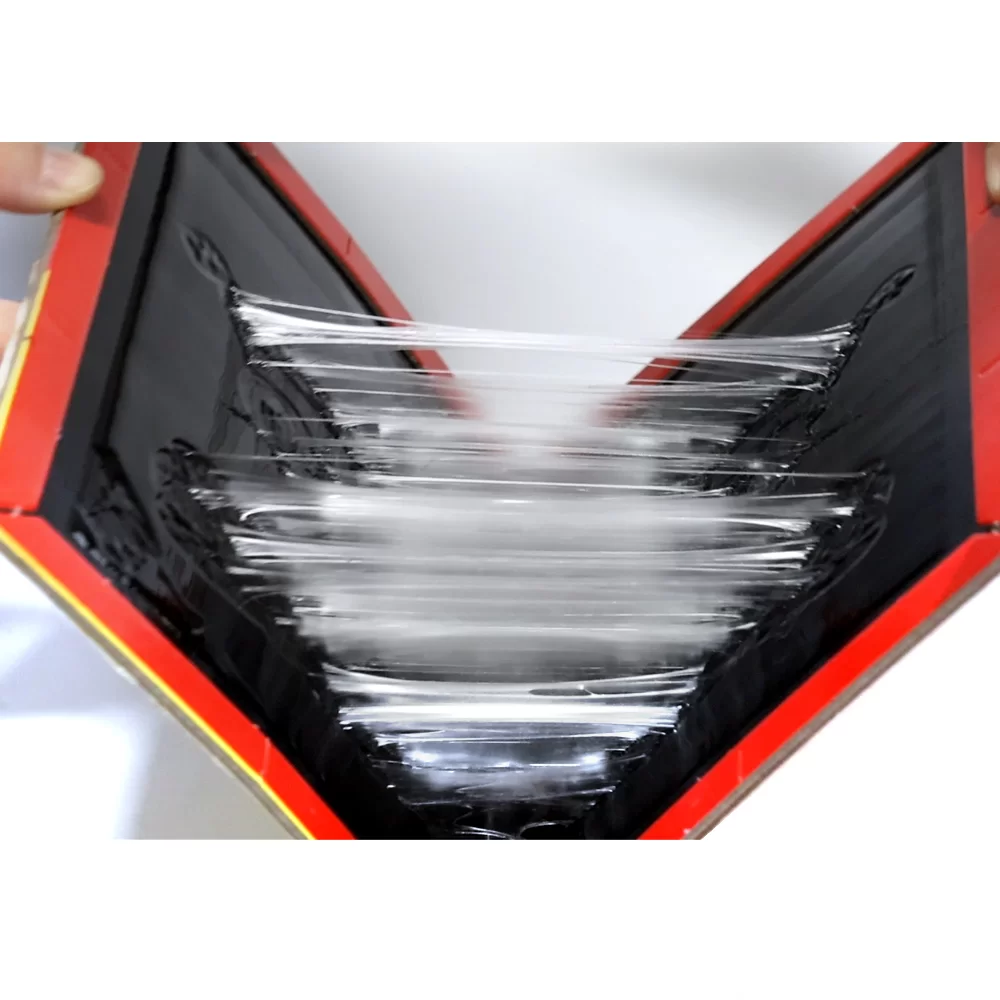
A sticky card’s effectiveness hinges on the adhesive holding captured insects firmly, even under hot or humid conditions. UV resistance keeps the card functional longer in the field without degradation. This means reduced replacement frequency and better data quality.
3. Environmental Compatibility
Cards must tolerate outdoor conditions without harmful chemicals leaching into soils or ecosystems. Increasingly, manufacturers are exploring biodegradable materials to align with sustainability goals — something field ecologists appreciate.
4. Scalability and Cost Efficiency
For large farms or public health campaigns, deploying hundreds or thousands of cards requires affordability without sacrificing quality. Bulk availability, easy shipping, and simple deployment protocols factor into real-world usability.
5. Data Integration Potential
Modern usage trends favour cards that integrate with digital tools — think QR-code tagging or app-based tracking — helping users log data seamlessly for analysis and reporting.
Mini takeaway: The interplay of design, material science, and data integration makes insect monitoring sticky cards both an art and a science. Attention to detail here translates directly to more effective pest management on the ground.
Across the Globe: How and Where These Sticky Cards Are Changing the Game
From California vineyards to coffee plantations in Ethiopia, insect monitoring sticky cards have proven versatile and vital. In intensive greenhouse operations, they assist in minimizing pesticide use while maximizing yield. In tropical regions, they form part of integrated vector management programs controlling dengue and malaria spread.
Notably, international NGOs working in post-disaster and refugee settings depend on them to track mosquito populations swiftly, preventing outbreaks. Agricultural extension workers use them for pest scouting on small farms, providing early warnings that save crops.
Advantages That Make Sticky Cards a Timeless Investment
- Cost-effective monitoring: No fancy equipment or power needed.
- Non-invasive and safe: No poisons or chemical residues on crops.
- Real-time indication: Early detection helps avoid wide infestations.
- Supports sustainability: Facilitates reducing insecticide dependency.
- User friendliness: Easy to deploy and interpret, even for non-specialists.
Besides the tangible benefits, there’s a certain dignity in empowering farmers and communities with simple, trustworthy tools. It’s a nod to innovation not just in labs but in the field, in places where every decision affects food security and health.
Brand New Horizons: What’s Next for Insect Monitoring Sticky Cards?
Don’t expect these cards to stay static. New trends include:
- Biodegradable substrates: Tackling plastic waste with compostable versions.
- Smart sensors integration: Embedding optical or chemical sensors to automate insect identification.
- Digital tracking apps: Augmented reality and data analytics to pinpoint outbreaks faster.
- Policy support: Standards emerging globally (like ISO) for quality and environmental safety.
It’s almost like these sticky cards are evolving from simple “flypaper” to high-tech sentinels capable of shaping sustainable pest management in the coming decades.
Facing the Hurdles: Challenges and Solutions in the Field
Of course, no tool is perfect.
- Non-target captures: Beneficial insects sometimes get stuck, requiring thoughtful placement to minimize impact.
- Environmental degradation: UV, rain, and dust can reduce adhesive effectiveness — innovations in weatherproof coatings help.
- Data overload: In large programs, sorting and identifying thousands of trapped insects gets resource-intensive — AI-assisted analysis promises relief.
- Supply chain issues: Remote areas may struggle with consistent card supply; local manufacturing partnerships are emerging solutions.
Many engineers and entomologists I spoke with emphasize training field workers properly — a combination of sound materials and smarts in deployment is critical for lasting success.
Product Specifications of a Typical High-Quality Insect Monitoring Sticky Card
| Feature |
Specification |
Benefit |
| Material |
Coated corrugated cardboard or plastic |
Durable in outdoor environments |
| Color |
Standard yellow, blue; custom options |
Target specific insect species |
| Size |
15 cm x 20 cm typical |
Balance coverage with ease of deployment |
| Adhesive type |
UV-resistant, non-toxic sticky resin |
Long-lasting adhesive, safe for environment |
| Shelf life |
12–18 months in packaging |
Good inventory stability |
Top Vendors Compared: What to Look For
| Vendor |
Product Range |
Price per Pack (100 pcs) |
Sustainability Focus |
Global Shipping |
| EcoTrap Solutions |
Yellow, Blue, Custom Colors |
$45 |
Uses biodegradable substrates |
Yes |
| StickyPro Inc. |
Standard Yellow, Blue |
$35 |
Standard plastic-based cards |
Limited |
| BioGuard Monitoring |
Wide range, including digital tagging |
$50 |
Invested in eco-friendly coatings |
Worldwide |
Frequently Asked Questions About Insect Monitoring Sticky Cards
Q1: How often should I replace sticky cards in the field?
A1: Typically, sticky cards are replaced every 7 to 14 days depending on insect activity and weather conditions. High pest pressure or rain may require more frequent changes to ensure accurate monitoring.
Q2: Can sticky cards help reduce pesticide usage?
A2: Absolutely. By providing early detection, sticky cards enable targeted pest management, helping avoid unnecessary or blanket pesticide applications that can harm beneficial insects and lead to resistance.
Q3: Are there eco-friendly sticky cards available?
A3: Yes, several vendors now offer biodegradable cards made from compostable materials with non-toxic adhesives, minimizing environmental footprint without compromising effectiveness.
Q4: How do I interpret the insects caught on sticky cards?
A4: Identification usually requires basic entomological knowledge or guidance from extension services. Digital apps and AI tools are emerging to simplify species-level identification for growers.
Q5: Can sticky cards monitor mosquitoes in urban areas?
A5: While sticky cards capture some mosquito species, they are typically used alongside other traps (e.g., CDC light traps) in urban vector control programs for comprehensive surveillance.
Wrapping It Up: Why Insect Monitoring Sticky Cards Deserve Your Attention
In the bigger scheme of sustainable agriculture and public health, insect monitoring sticky cards strike a fine balance between simplicity and effectiveness. They empower communities from local farmers to global health workers with real, actionable insights — no fancy tech required, just smart design.
If you’re interested in discovering more about these invaluable tools or want to source trustworthy supplies, insect monitoring sticky cards might be the next step towards smarter, safer pest control.
Takeaway: Sometimes the smallest tools, when thoughtfully crafted and widely adopted, have the biggest ripple effects. Insect monitoring sticky cards fit that mold perfectly.
References:
- FAO Crop Loss Statistics Report 2024
- International Organization for Standardization (ISO)
- Pest Management, Wikipedia