Insect Glue Trap: A Simple Solution with Global Impact
Ever glanced at a sticky board catching flies and wondered - why bother? Well, insect glue traps might seem humble, but they’re a quietly powerful tool worldwide. From controlling pests in food storage to monitoring insect populations in greenhouses, they address huge challenges economically and efficiently.
Understanding how these unassuming sticky sheets help control pests means safer food supplies, better health outcomes, and lower environmental impacts globally. And isn’t that worth a moment's thought?
Why Insect Glue Traps Matter on a Global Scale
Globally, the World Health Organization estimates that insect-borne diseases affect hundreds of millions annually. Meanwhile, food loss from pests can reach 20-40% post-harvest, hitting farms hard, especially in developing countries. Enter the insect glue trap — a non-toxic, cost-effective weapon that’s easy to deploy even in remote or resource-limited settings.
Importantly, they reduce reliance on chemical pesticides, aligning with ISO’s standards for sustainable pest control. In warehouses, farms, and even disaster relief zones, these traps fill a niche where quick, safe pest monitoring matters.
Yet, despite their popularity, many still overlook how integral they are in integrated pest management programs worldwide.
Mini takeaway:
- Insect glue traps contribute widely to pest control and food safety.
- They offer a safer alternative to chemical pesticides aligned with global sustainability goals.
What Exactly Is an Insect Glue Trap?
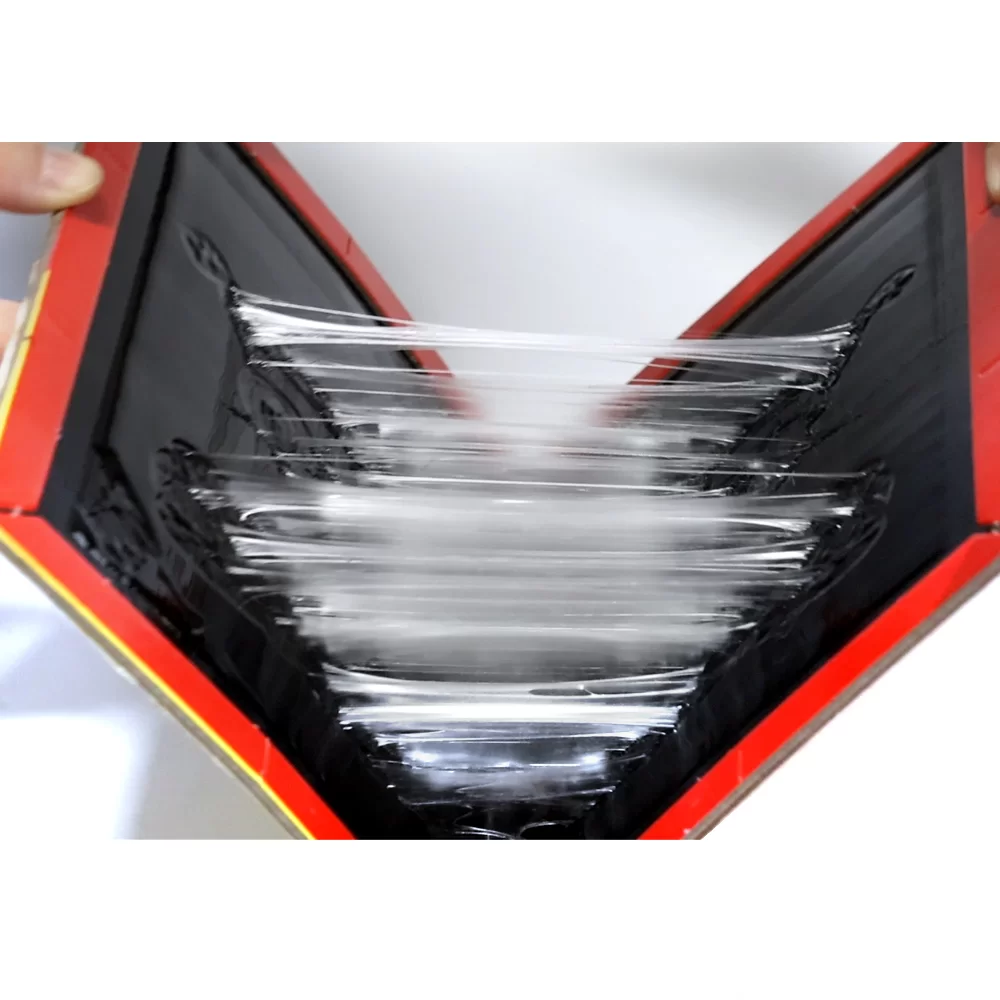
At its core, an insect glue trap is a flat or shaped surface coated with a sticky adhesive that captures and holds insects when they land or crawl over it. Think of it as a sticky flypaper on steroids, but designed more effectively for industrial and agricultural use.
These traps don’t kill insects chemically but immobilize them, making later disposal or study easier. They’re also used as monitoring devices — spotting early signs of infestations.
Given their simplicity, they represent a clever intersection of biology and engineering, serving modern industries like food processing plants, greenhouse farming, and public health agencies.
Key Factors That Define Insect Glue Traps
1. Adhesive Quality
The secret sauce here is the glue itself — non-toxic, durable enough to stay sticky for weeks, but safe for humans and pets. Advances have led to weather-resistant and food-grade adhesives, increasing trap lifespan and versatility.
2. Trap Design & Size
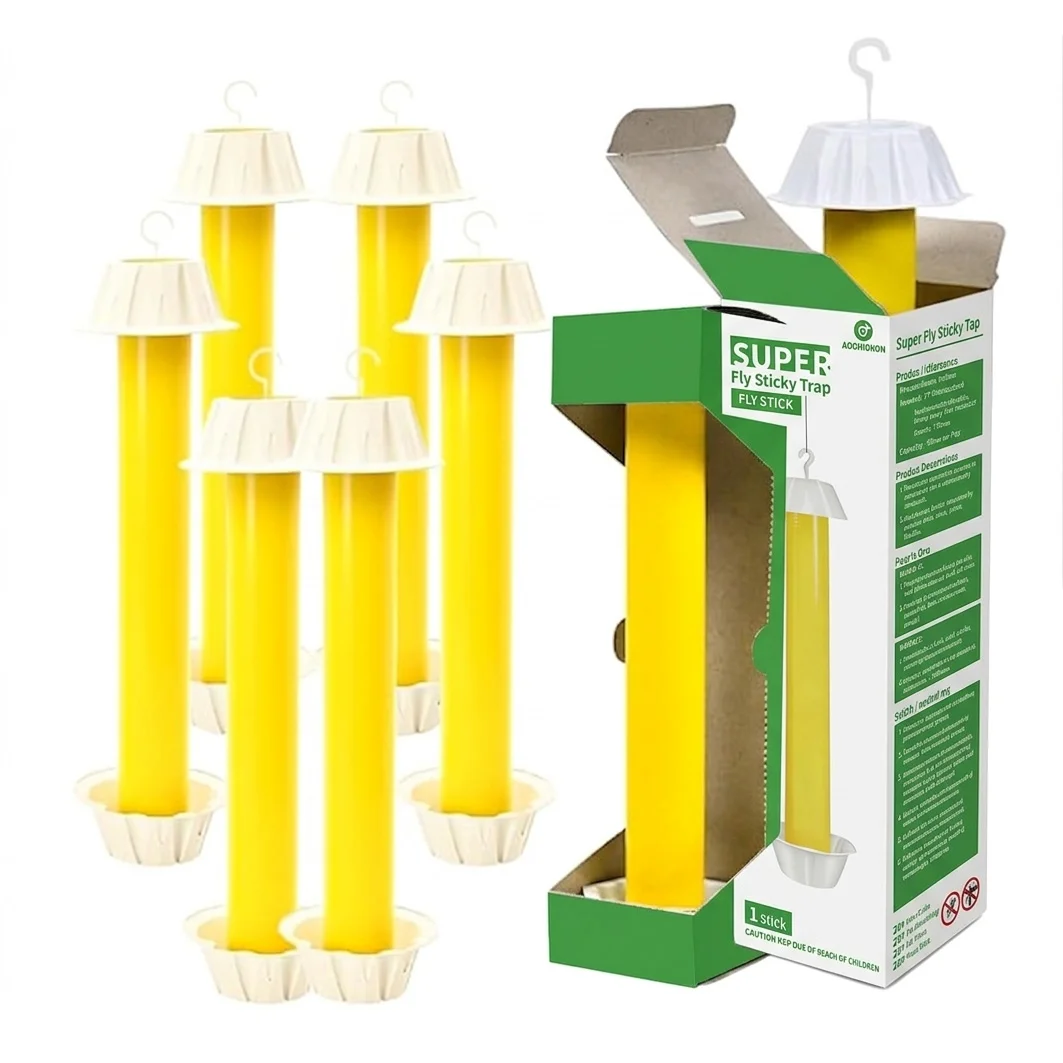
From flat boards and foldable cards to tunnel or cylindrical shapes, design matters. Some traps can be customized to target specific insects, or fit into narrow spaces, improving capture rates and reducing waste.
3. Environmental Resistance
Whether exposed to sunlight, humidity, or temperature swings, glue traps must hold up. This is why materials and adhesives have evolved to reduce drying out or losing tackiness.
4. Cost Efficiency
Cost remains key for widespread adoption, especially in developing regions. Affordable traps that last longer create significant savings over repeated pesticide applications.
5. Non-Toxic Nature
Because sticky traps avoid chemicals, they’re often favored in organic farming and sensitive indoor environments like hospitals.
6. Ease of Monitoring
Some traps come with color-coded backings or grids, helping easy identification of trapped insect types and counts for accurate pest monitoring.
Mini takeaway:
- Adhesive and design innovations are critical to trap effectiveness.
- Durability and cost matter most where resources are limited.
Insect Glue Trap Applications Worldwide
The applications are surprising in scope. In greenhouse horticulture in the Netherlands, these traps monitor aphids and whiteflies, offering farmers real-time pest surveillance. In Southeast Asia, rice warehouses use glue traps to minimize grain damage caused by storage beetles.
Relief groups deploy insect glue traps in post-disaster shelters to reduce disease-spreading mosquitoes where chemical spraying isn’t feasible.
Food production plants from the US to Europe rely heavily on them to fulfill strict hygiene standards, as chemical residues in processing lines are a no-go.
Insect glue trap products are also popular for home users seeking eco-friendly options to keep kitchens and living spaces pest-free.
Mini takeaway:
- From agriculture to public health, insect glue traps have diverse global uses.
- Their adaptability to varying climates and environments underpins their broad adoption.
Advantages and Long-Term Value
Aside from their obvious pest control effectiveness, the benefits ripple outward:
- Cost savings: Reduced pesticide purchases and less crop loss improve farm incomes.
- Safety: No harmful chemicals means safer environments for workers, families, and wildlife.
- Sustainability: Non-toxic and reusable options lower ecological footprints.
- Reliability: Proven technology with minimal training requirements — even NGOs appreciate its simplicity.
- Emotional value: Offering peace of mind that food and homes are protected naturally.
Basically, it feels like you’re doing right by people and planet while keeping pests in check.
Upcoming Trends and Innovations
Innovation doesn’t sleep. Now, we see insect glue traps incorporating:
- Biodegradable materials: Paper and glue that break down harmlessly post-use to combat waste buildup.
- Digital monitoring: Smart traps with sensors that report pest catches in real-time to growers’ smartphones.
- Customized scents or attractants: Baits integrated with adhesive layers to lure target insects more effectively.
- Automation: Combining glue traps with robotic patrol systems in warehouses for continuous pest control.
These advances blend old-school simplicity with 21st-century tech. Quite the combo.
Challenges and How They're Being Tackled
Of course, challenges remain. Some sticky traps lose adhesiveness too quickly in humid or dusty environments. Others aren’t selective, capturing non-target beneficial insects.
Experts recommend rotating trap types, and pairing traps with biological control like ladybugs. New adhesive formulas help with durability, and color-specific traps aim to reduce unwanted catches.
In hot climates, UV blocking coatings extend trap life, while education programs teach proper trap placement for best results.
Product Specification Table
| Feature |
Typical Range |
Notes |
| Trap Size |
10x15 cm to 30x40 cm |
Varies by application |
| Adhesive Type |
Non-toxic, food grade |
UV and humidity resistant variants |
| Effective Lifespan |
4–6 weeks typical |
Depends on environment |
| Material |
Cardboard, plastic backing |
Biodegradable options emerging |
| Target Insects |
Flies, beetles, moths, aphids |
Selective traps available |
Vendor Comparison: Leading Insect Glue Trap Providers
| Vendor |
Price Range |
Special Features |
Best Use Cases |
| StickyTrap Pro |
$15-$25 / pack |
UV-resistant adhesive, scent lure options |
Greenhouse agriculture, warehouses |
| EcoCatch Solutions |
$10-$18 / pack |
100% biodegradable materials |
Organic farms, eco-conscious homes |
| PestTech Innovations |
$20-$30 / pack |
Bluetooth-enabled catch sensors |
Large-scale industrial facilities |
FAQ: Frequently Asked Questions About Insect Glue Traps
Q1: How long does an insect glue trap typically last?
Generally, a glue trap remains effective between 4 to 6 weeks, depending on environmental conditions like humidity and dust. In more challenging settings, replacing the traps monthly ensures maximum capture rates.
Q2: Are insect glue traps safe to use around children and pets?
Yes, most quality traps use non-toxic adhesives and materials. However, placement out of direct reach is recommended to avoid accidental contact or ingestion, particularly with curious pets or children.
Q3: Can glue traps be used outdoors?
They can, but typical indoor traps may lose stickiness quickly in exposed outdoor conditions. Specialized weather-resistant traps are designed for outdoor or semi-outdoor use where pest monitoring is required.
Q4: How do I dispose of used insect glue traps responsibly?
Dispose of traps as general waste unless made with biodegradable materials. For eco-friendly options, check vendors offering compostable or recyclable glue traps.
Q5: What insects are most effectively captured with glue traps?
Glue traps work best on flying or crawling pests such as fruit flies, gnats, moths, beetles, and aphids. However, they are less effective against larger or heavy-bodied insects.
Bringing It All Together: The Quiet Impact of Insect Glue Traps
In the big pest control picture, insect glue traps offer a neat, silent, and surprisingly effective answer. Their enduring popularity proves simplicity trumps complexity in many cases. For farms, warehouses, and public health workers worldwide, these sticky tools help safeguard food, health, and environment, all while keeping costs low and safety high.
If you’re curious to explore range, options, and best practices, visit our website: insect glue trap.
References & Further Reading
- WHO: Vector-borne Diseases Fact Sheet
- Wikipedia: Pest Control
- ISO: Environmental Management Standards