What Are Prickle Strips for Cats and Why Do They Matter?
If you’ve ever tried to keep a neighborhood cat from scratching up your garden fence—or worse, your newly painted porch—you’ve probably come across prickle strips for cats. At first glance, they might seem like an odd, even quirky product. But globally, these simple deterrents play a significant role in safeguarding property, minimizing conflicts between humans and urban wildlife, and promoting animal welfare.
In fact, with over 60% of the world’s population living in urban areas ([UN, 2018](https://www.un.org/en/sections/issues-depth/urbanization/)), encounters between cats and human spaces have become increasingly common. Prickle strips offer a humane, low-cost way to address these encounters without resorting to harmful methods. Understanding their design and applications is essential for homeowners, city planners, and animal welfare advocates alike.
---
Prickle Strips for Cats: A Humane Barrier Solution
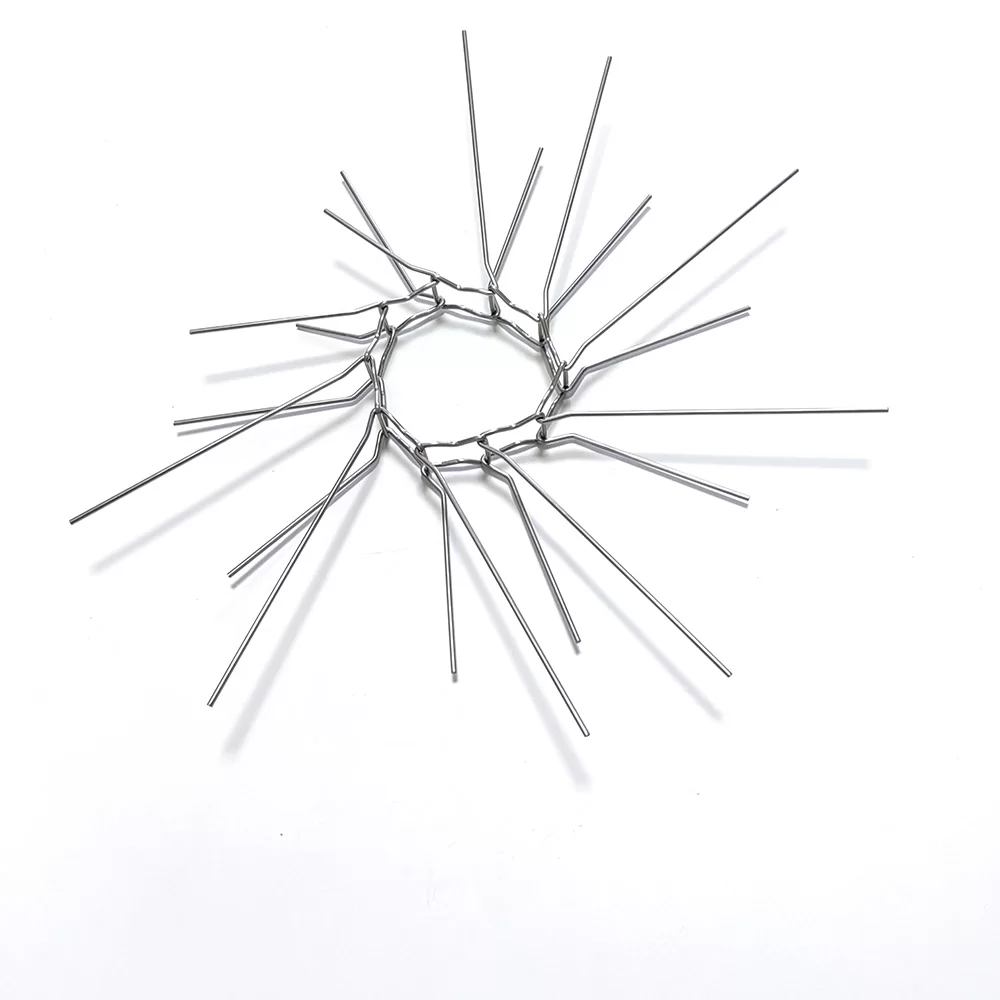
Prickle strips for cats are narrow, usually plastic or rubber, panels studded with small, blunt spikes designed to discourage cats from climbing or sitting on places like fences, ledges, or garden beds. Unlike metal spikes that can be dangerous, prickle strips use raised bumps to create an uncomfortable but harmless surface—cats simply avoid these spots.
This concept, borrowed from urban pest control techniques, intersects modern animal-welfare concerns and practical urban management. They’re not just about annoyance; they support responsible coexistence by keeping cats safe from risky areas (like busy roads or toxic plants) and protecting fragile property surfaces.
---
Key Components of Effective Prickle Strips
1. Material Durability
Many strips are made from UV-resistant polypropylene or soft flexible rubber. This matters: strips left outdoors endure sun, rain, and cold. A brittle product loses its deterrent effect quickly, leading to constant replacement — and that’s costly.
2. Spike Design and Comfort
The spikes aren’t sharp. Rather, they’re gently pointed or rounded. This subtlety strikes a balance between deterring cats and preventing injury to birds, pets, or small wildlife that might walk over them. Many manufacturers design spikes to flex lightly under paw pressure.
3. Ease of Installation
Peel-and-stick adhesives or pre-drilled holes for screws make setup quick. Anyone can install them on fences, windowsills, or rooftops without special tools or skills.
4. Environmental Impact
With growing awareness of plastic pollution, some prickle strips now use recycled or biodegradable materials. This keeps them aligned with broader sustainability efforts.
5. Scalability and Customization
Users can cut strips to length or connect multiple panels. This is practical for varied surfaces from small window ledges to large garden fences.
---
Global Applications and Notable Use Cases
Prickle strips for cats have quietly become a staple in many parts of the world:
- Urban Europe and North America: Typical residential zones rely on strips to prevent cats from scratching paintwork or climbing onto balconies—common hotspots for nuisance complaints.
- Animal Shelters and Rescue Centers: These places use prickle strips to limit cat roaming safely, especially when outdoor enclosures are nearby.
- Agriculture and Small Farms: In some rural areas, strips protect feed stores or garden patches from marauding cats, avoiding spread of parasites.
- Post-disaster and Temporary Shelters: Oddly enough, temporary habitats set up after natural disasters use modular prickle strips to keep stray or feral cats away from sensitive areas, protecting both animals and relief resources.
In one example from a London neighborhood, residents noted a 70% drop in unwanted garden visits by feral cats within a month of installing prickle strips—without harming the animals or their behavior long-term.
---
Advantages & Long-Term Value of Prickle Strips for Cats
What’s compelling, beyond the immediate "problem solved," is the range of long-term benefits:
- Cost-Effective – Compared to fencing upgrades or constant repainting, prickle strips are cheap and simple.
- Ethical Deterrence – They prioritize animal welfare in line with modern humane standards.
- Durable & Reusable – With the right materials, a single strip can last years.
- Reduced Complaints & Property Damage – Less claw damage means happier neighbors and landlords.
- Environmentally Conscious Options – Newer products can fit into zero-waste goals.
Emotionally, owners feel a sense of control without cruelty. This trust fosters better outlooks on urban cohabitation.
---
Product Specification Table: Typical Prickle Strip Model
| Feature |
Description |
| Material |
UV-resistant polypropylene with flexible rubber spikes |
| Length per Strip |
1 meter (can be trimmed) |
| Spike Height |
12 mm |
| Adhesive Type |
Strong peel-and-stick backing or optional screws |
| Color Variants |
Black, Dark Green, Transparent |
| Lifespan |
3-5 years, depending on exposure |
---
Vendor Comparison: Leading Prickle Strip Brands
| Brand |
Material Quality |
Price per Meter |
Eco Credentials |
Installation Ease |
| CatGuard Pro |
High-quality UV-stabilized plastic |
$14.99 |
Uses 25% recycled content |
Peel-and-stick |
| SafePaw Strips |
Flexible rubber composite |
$18.50 |
Biodegradable spikes |
Screw installation recommended |
| EcoCat Blocker |
100% recycled plastic |
$12.75 |
Certified eco-friendly |
Peel-and-stick with extra adhesive |
---
Emerging Trends and Innovations
Looking ahead, prickle strips are evolving in detail and application. Smart materials that change texture with temperature could raise or lower spikes automatically — a clever way to minimize wildlife impact during colder nights, for instance. There’s also interest in integrating solar-powered mild vibrations or harmless deterrent sounds triggered by cat movements.
Sustainability is pushing manufacturers toward fully recycled or biodegradable strips, and some city councils in Europe are testing these products as part of wider humane urban wildlife strategies.
The digital age also means you might soon control your prickle strips via smartphone, adjusting “guard zones” dynamically. All this innovation feels oddly futuristic considering the simple concept; yet it’s exactly the kind of thoughtful progress many cats and humans need.
---
Common Challenges and How to Overcome Them
Of course, no solution is perfect. Some cat owners worry about strips affecting other animals or birds. Choosing strips with soft, blunt spikes and placing them thoughtfully can reduce unwanted collateral “exclusion.”
Occasionally, cats get used to strips and attempt to leap over them, so combining strips with gentle motion sensors, or pairing with other deterrents, often works better. Weathering can also degrade cheaper products quickly.
Expert users recommend checking local regulations too. Some areas restrict any spiky deterrent if it risks animal harm. Choosing well-reviewed products alleviates many of these issues.
---
Frequently Asked Questions About Prickle Strips for Cats
- Are prickle strips safe for pets other than cats?
Generally, yes — strips use blunt spikes designed to scare but not injure. However, small wildlife or birds may occasionally be discouraged from resting. Proper placement helps.
- Can I install prickle strips myself?
Absolutely! Most products come with peel-and-stick backing or simple screw holes. Just clean the surface first for best adhesion.
- How long do these strips typically last outdoors?
On average, 3-5 years depending on material and weather exposure. UV-resistant plastics fare best.
- Do prickle strips harm feral cat populations?
No, their purpose is to discourage certain behaviors, not harm animals. For feral colony management, humane trapping and sterilization are used alongside deterrents.
- Where can I purchase reliable prickle strips?
Look for specialist suppliers online or local gardening and pet stores. You can start by checking prickle strips for cats manufacturers and reviews.
---
To Wrap Up: Why Prickle Strips for Cats Are Worth Considering
If you’ve been battling with wayward cats clawing your wooden fence or scaling that delicate window ledge, prickle strips offer a practical, humane, and surprisingly elegant solution. They balance animal welfare concerns with property protection, all while fitting neatly into the larger push for urban wildlife coexistence and sustainability.
By investing in durable, eco-conscious prickle strips, you’re adopting a strategy that works quietly, lasts years, and respects the animals sharing our environment. And if you’re just beginning this journey, well... it often starts with a simple strip and a little hope that both pets and property can be happy neighbors.
For more info on sourcing and additional tips, please visit
prickle strips for cats. Because sometimes, the smallest prickles make the biggest difference.
---
References
- United Nations: Urbanization Facts and Figures
- Wikipedia: Humane Pest Control
- International Organization for Standardization (ISO) - Sustainability