Understanding Glue Traps for Roaches: A Simple Yet Impactful Solution
If you’ve ever dealt with the nuisance of roaches in your home or workspace, you know they can be stubborn and unwelcome guests. Glue traps for roaches offer a surprisingly effective way to monitor and control these pests without resorting to harsh chemicals. As an increasingly popular tool worldwide, these traps represent an intersection of simple design and practical pest management — a solution that speaks to both individuals and industries globally.
Why does this matter? Roach infestations are more than just a household annoyance. They represent health risks, damage infrastructure, and in some instances, impact food safety standards which ripple into larger economic consequences. Learning about glue traps for roaches is thus not only about pest control but about smarter, sustainable approaches to hygiene and urban living.
Global Context: Why Glue Traps for Roaches Are Relevant Today
Roach infestations affect millions globally, especially in densely populated urban centers and regions with warmer climates. According to the World Health Organization, cockroaches are vectors for numerous diseases including salmonella and dysentery. Rapid urbanization and climate changes have contributed to the spread and resilience of these pests.
Glue traps come into play as a non-toxic, low-cost solution widely used across industries—from municipal sanitation teams in New York City to food processing plants in Southeast Asia. The International Organization for Standardization (ISO) even highlights pest monitoring systems in their guidelines for food safety management. Addressing infestation early with tools like glue traps helps reduce chemical pesticide use, aligning with global sustainability goals.
However, despite their benefits, roaches’ elusive nature and quick reproduction cycles pose ongoing challenges. That's why understanding how to effectively use glue traps for roaches is crucial.
What Exactly Are Glue Traps for Roaches?
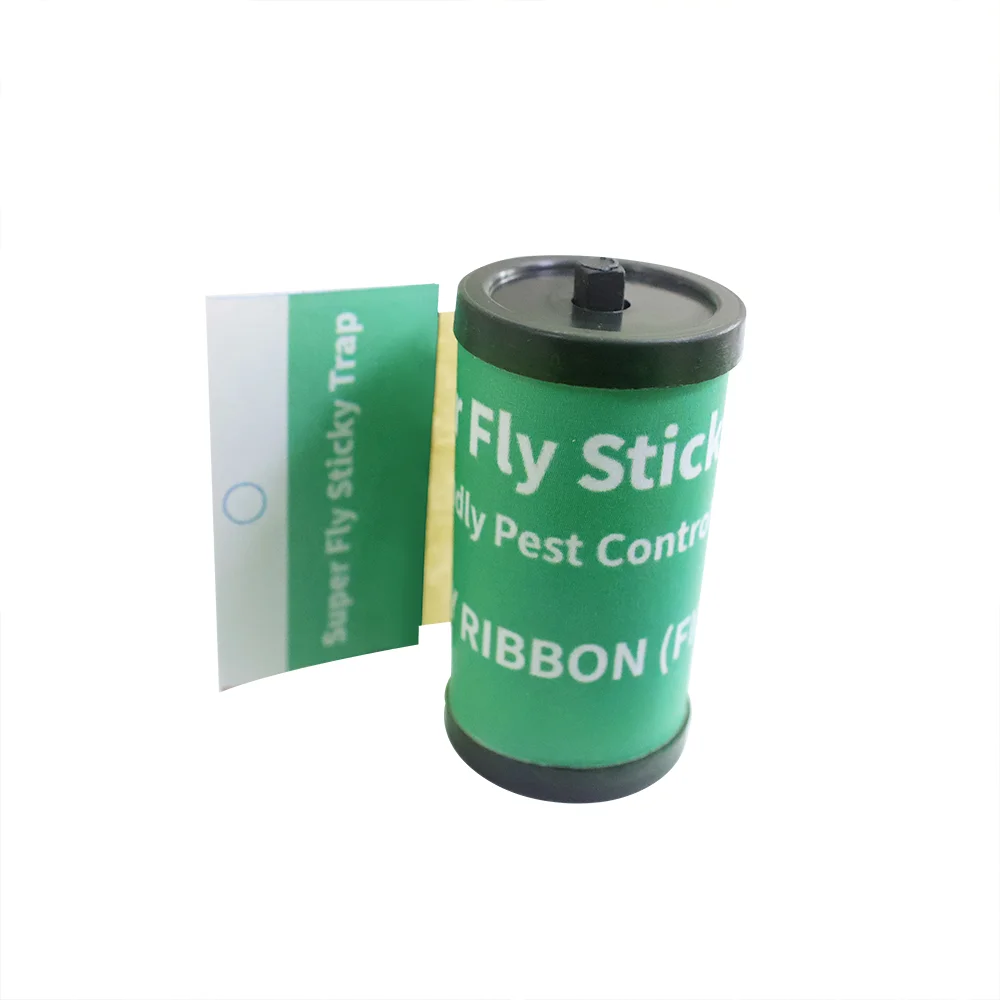
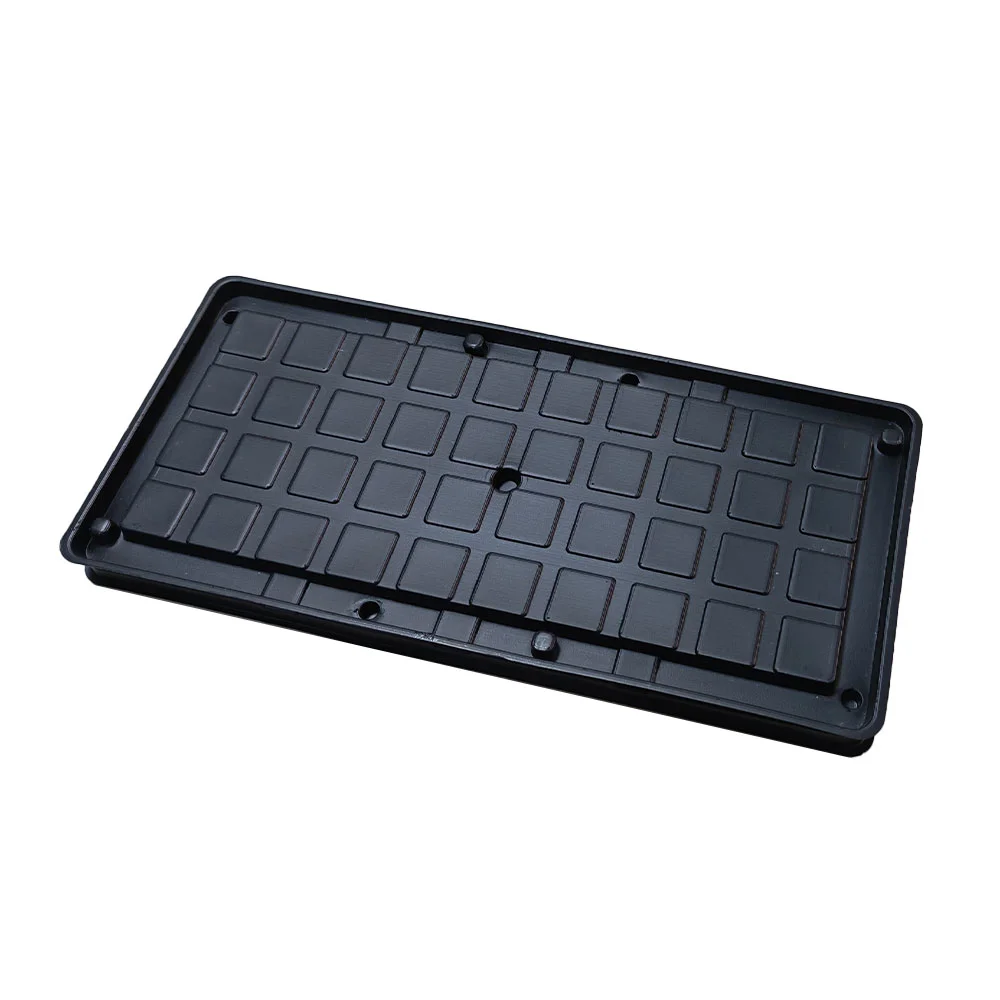
In simple terms, glue traps for roaches are sticky pads or boards designed to capture roaches as they crawl over. Made with a non-drying adhesive, they hold the insects firmly without harming the environment or users. These traps serve dual functions: monitoring pest activity by showing population hotspots and reducing numbers by passive capture.
In many ways, glue traps bridge a gap between traditional chemical pest control and modern integrated pest management (IPM) strategies. They are used not just in homes, but in healthcare settings, warehouses, and hospitality — wherever pest control must be effective, subtle, and safe.
Core Attributes of Effective Glue Traps for Roaches
1. Adhesive Quality and Durability
The glue must remain tacky over weeks, unaffected by dust or humidity. If the adhesive dries out, roaches escape; if it’s too viscous, traps become messy or unusable. Materials technology companies have improved formulas over the years to increase shelf-life and performance.
2. Size and Placement Versatility
Traps come in various sizes to fit behind appliances, under cabinets, or in large commercial areas. The ability to customize dimensions makes them practical across diverse environments.
3. Non-Toxicity and Environmental Safety
Unlike chemical sprays, glue traps pose no poisoning risk to children, pets, or non-target wildlife — a major selling point in eco-conscious markets.
4. Ease of Disposal
Once full or after monitoring, traps can be disposed of with minimal fuss — no special handling or hazardous waste concerns.
5. Cost Efficiency
Compared to professional pest control treatments, glue traps are inexpensive and readily available, making them accessible worldwide.
Mini takeaway:
Glue traps for roaches succeed by balancing stickiness, size options, safety, and affordability — a functional toolbox for pest management professionals and everyday users alike.
Real-World Applications & Use Cases
Glue traps for roaches find their place in myriad situations worldwide:
- Urban housing complexes: Landlords use traps to monitor infestations early and minimize tenant exposure to chemicals.
- Food processing and storage: Regulatory compliance often mandates pest monitoring; glue traps provide critical data for inspections.
- Healthcare facilities: Non-toxic traps reduce risk near vulnerable populations.
- Post-disaster relief centers: Makeshift shelters prone to infestations can be kept safer with quick deployment of glue traps.
- Restaurants and hospitality: Traps help maintain hygiene standards discreetly.
For example, in Singapore, a country with relentless humidity perfect for roaches, many commercial kitchens rely heavily on glue traps as part of their IPM plans, combined with sanitation and structural fixes.
Table: Typical Glue Trap Specifications
| Specification |
Details |
| Dimensions |
20 cm × 10 cm (typical); other sizes available |
| Adhesive Type |
Non-toxic, water-resistant synthetic resin |
| Shelf Life |
Up to 2 years if stored properly |
| Disposal |
Standard waste, no restrictions |
| Price Range |
$0.50 to $2 per trap, volume-dependent |
Choosing the Right Vendor: A Quick Comparison
| Vendor |
Adhesive Quality |
Price |
Variety of Sizes |
Eco-Friendliness |
| PestAway Corp. |
High |
$$ |
Limited |
Moderate |
| GreenTrap Solutions |
Medium |
$ |
Wide |
High (biodegradable glue) |
| SafeCatch Inc. |
Very High |
$$$ |
Moderate |
Moderate |
Long-Term Value: Why Glue Traps Are More Than Just Sticky Squares
Glue traps for roaches shine in their ability to offer tangible cost savings over years, especially when integrated into broader pest management programs. They reduce the need for repeated chemical treatments, which can be expensive and environmentally damaging.
Beyond economics, there is a deeply human factor: safety. Families with children and pets appreciate a method that avoids poisons. Business owners gain peace of mind with consistent monitoring data that builds trust with consumers and inspectors alike. Sustainability advocates can champion these traps as a low-impact alternative, supporting healthier ecosystems.
In short, glue traps represent an innovative blend of tradition and modern needs — they work well, cost little, and cause minimal harm.
The Future of Glue Traps for Roaches: Trends and Innovations
R&D is ongoing to enhance glue trap effectiveness through:
- Eco-friendly adhesives: Derived from plant-based materials, reducing plastic waste.
- Smart traps: Embedded sensors to count and report catches digitally for real-time monitoring.
- Customizable designs: Modular trap shapes that adapt better to various environments.
- Integration with AI: Data analytics helping pest control experts predict infestations before they explode.
Oddly enough, even a tool this simple is benefiting from the digital transformation sweeping industries. In years to come, you might find your roach traps linked to apps that send instant alerts.
Overcoming Challenges in Using Glue Traps Efficiently
Despite their advantages, glue traps are not a silver bullet. Some common issues include:
- Reduced effectiveness in dusty or wet environments where adhesives clog or weaken.
- Limited capacity means frequent replacement in heavy infestations.
- Non-target captures (like small beneficial insects).
Experts recommend a multi-pronged approach — combining glue traps with sanitation improvements, sealing entry points, and where necessary, strategic selective pesticide use. Manufacturers are improving glue formulas and introducing eco-friendly bait attractants to enhance results.
Frequently Asked Questions About Glue Traps for Roaches
- How do I use glue traps for roaches effectively in my home?
- Place traps in dark, moist areas where roaches are likely to travel, such as behind appliances, under sinks, and along walls. Check traps weekly and replace as needed. Regular placement helps map infestation levels.
- Are glue traps safe for pets and children?
- Yes, glue traps use non-toxic adhesives, posing no poisoning risk. However, keep traps out of reach to prevent accidental contact or messes, especially with curious pets.
- Can glue traps replace chemical pest control completely?
- Glue traps are excellent for monitoring and light infestations but not always sufficient for severe problems. Integrated pest management combining multiple tools is often the best strategy.
- How long do glue traps remain sticky and usable?
- Typically, adhesives remain effective for up to 2 months depending on environmental conditions; high humidity or dirt can reduce this timeframe.
- Are there environmentally friendly versions of glue traps?
- Yes, several vendors now offer traps using biodegradable adhesives and recyclable materials to reduce ecological footprint.
Wrapping It Up: Why Glue Traps for Roaches Are Worth Your Attention
At their core, glue traps for roaches are a modest yet powerful tool in tackling a persistent problem. They offer practical benefits for health, safety, and cost management across diverse settings worldwide. As innovation continues and demand for greener pest control grows, these sticky pads are likely to become even smarter and more effective.
If you’re interested in exploring reliable, affordable glue traps with trusted vendor options, visit our website: https://www.hbarcherfish.com. Your next step toward a cleaner, roach-free environment might just be a sticky board away.
References
- World Health Organization - Cockroaches and Disease
- ISO 22000 Food Safety Management System
- Cockroach - Wikipedia