What is a Fly Glue Trap and Why It Matters Globally
If you've ever battled a pesky swarm of flies in your home or workspace, you’re not alone. Fly glue traps—sticky sheets designed to catch and immobilize flies—have become surprisingly vital tools worldwide. Beyond the home kitchen, these traps play significant roles in agriculture, food processing, and even humanitarian relief.
Understanding fly glue traps helps reduce reliance on chemicals, controls disease vectors naturally, and supports sustainable pest management efforts. In a world increasingly concerned about chemical exposure and environmental impact, these simple, cost-effective devices hold a surprisingly important place.
Introduction: The Global Context of Fly Glue Trap Usage
The global burden of insect-borne diseases and food contamination remains high. According to the World Health Organization, flies can spread harmful bacteria leading to illnesses such as cholera and typhoid fever—problems particularly acute in developing regions. Agriculture and food industries report significant losses due to fly infestations affecting product quality and shelf life.
Interestingly, the global pest control market is projected to reach over $27 billion by 2026, with fly control methods constituting a critical segment. The fly glue trap addresses a challenge both persistent and widespread: safe, affordable fly management without hazardous chemicals. With increasing regulations around pesticide use (ISO 14001 standards emphasize environmental management), glue traps offer an effective alternative.
What Exactly Is a Fly Glue Trap?
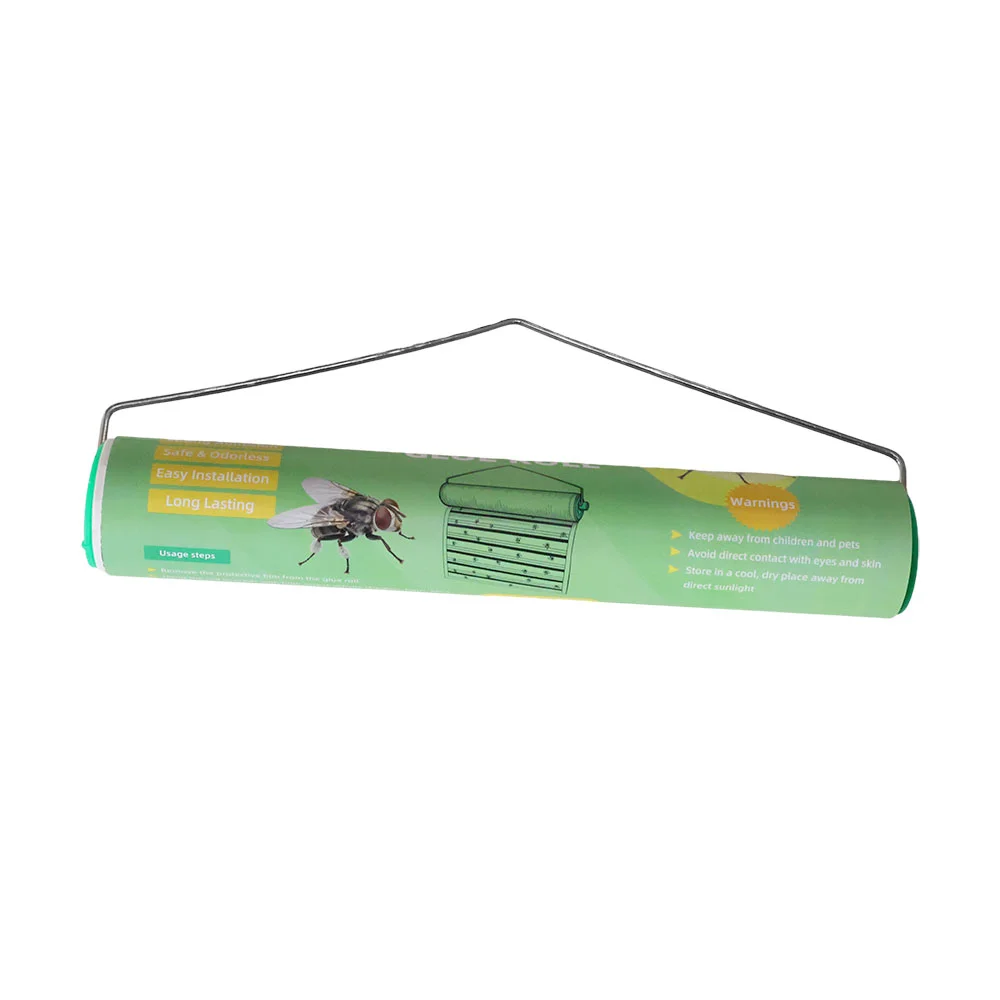
In simplest terms, a fly glue trap is a flat sheet coated with a strong adhesive that immobilizes flies upon contact. Often made of cardboard or plastic backing, sometimes scented to attract flies, these traps capture flies passively—requiring no electricity or chemicals.
Although basic in design, their importance extends into modern pest management, especially where chemical treatments aren’t feasible or desired. This translates into broader applications from household safety to food manufacturing compliance and humanitarian hygiene kits in disaster zones.
Key Components of a Fly Glue Trap:
- Sticky Adhesive: The core element that effectively captures flies, strong enough to hold multiple insects without losing tackiness over time.
- Backing Material: Durable enough to hold the adhesive and flies, moisture-resistant cardboard or plastic are common.
- Attractants (Optional): Sometimes scented or visually designed to lure flies.
- Application Method: Designed for easy placement—hung, stood, or placed flat depending on area.
Mini takeaway:
Fly glue traps are deceptively simple yet essential tools widely used to tackle a common, yet global, pest problem—without harmful chemicals.
Core Factors Defining the Effectiveness of Fly Glue Traps
Durability
The trap must remain effective in various climates and conditions. Indoors, humidity and heat can degrade adhesive quality. Some high-end traps use UV-resistant materials or additional coatings, making them last weeks without becoming ineffective.
Scalability & Size Options
Traps range from small cards for home use to large industrial sheets for warehouses or farms. This flexibility matters when controlling fly populations in spaces as different as a kitchen countertop or an entire poultry farm.
Cost Efficiency
Since glue traps replace chemical sprays and extensive cleaning efforts, their cost-effectiveness lies in prevention and ease of use. Roughly, a pack of 10 medium traps can cost less than $15, whereas ongoing pesticide use can run much higher—not to mention health risks.
Eco-Friendliness
Many manufacturers now offer non-toxic, biodegradable backing materials and adhesives free from volatile organic compounds. This resonates with industries aiming for ISO 14000 certifications focused on environmental impact.
Ease of Use
No subtlety here: easy hang, peel-and-stick, or freestanding designs mean anyone can deploy them quickly. This feature matters in food processing zones under strict hygiene laws, or rapidly deployed aid stations post-disaster.
Effectiveness in Target Environments
Whether a warm barn, a commercial kitchen, or a refugee camp, trap design and material must suit specific environmental demands. The bait or color might vary depending on local fly species and prevalence.
Mini takeaway:
The best fly glue traps balance durability, cost, eco-friendliness, and adaptability to diverse usage scenarios.
Real-World Uses: Who’s Deploying Fly Glue Traps and Where?
- Agriculture: Farmers use glue traps in greenhouses and livestock barns to reduce organic chemical sprays and maintain healthy production.
- Food Industry: Processing plants depend on traps to meet hazard control standards like HACCP.
- Urban & Residential: Homeowners combat nuisances organically, avoiding pesticides especially where children/pets are present.
- Humanitarian Relief: In refugee camps or post-disaster settings, fly glue traps improve hygiene and curb disease vectors where resources are limited.
- Waste Management: Facilities employ glue traps near organic waste to reduce fly breeding.
For example, in Southeast Asia's rice farms, farmers place fly glue traps near water pooling areas to curtail fly development without harming aquatic life—a delicate balance between pest control and environment.
Fly Glue Trap Product Specifications Overview
| Feature |
Specification |
Typical Value |
| Dimensions | Multiple sizes | 15x25 cm (standard card) |
| Adhesive Type | Non-toxic, tacky | Natural resin-based |
| Back Material | Cardboard / plastic | Recycle-friendly cardboard |
| Attractant | Visual/chemical | Yellow color, optional scent |
| Shelf Life | Up to 2 years unopened | 18 months typical |
| Usability | Indoor/outdoor use | Mostly indoor; shaded outdoor |
How Do Different Vendors Stack Up?
| Vendor |
Material Quality |
Adhesive Strength |
Price Range |
Eco Certification |
| FlySafe Co. |
Premium recycled cardboard |
High |
$$ |
ISO 14001 |
| EcoTrap Ltd. |
Biodegradable plastic |
Medium |
$ |
Certified Compostable |
| PestBlockers |
Standard cardboard |
Medium-High |
$$ |
Pending |
The Advantages and Long-Term Value of Fly Glue Traps
What makes fly glue traps so attractive—besides their simplicity—is the combination of environmental safety, cost savings, and reliability.
-
Cost Savings: No power or complex setup; traps require only occasional replacement.
-
Health & Safety: Non-toxic adhesives protect workers and residents from chemical exposure.
-
Sustainability: Eco-friendly materials help meet evolving regulations.
-
Social Impact: By limiting flies, which spread diseases, communities experience better hygiene and dignity.
-
Trust & Transparency: Visible fly counts on traps offer real-time monitoring versus hidden chemical residues.
In places like rural clinics, glue traps are a first line of defense against vectors without needing costly fumigation.
Looking Ahead: Trends and Innovations in Fly Glue Trap Technology
The fly glue trap is not a static product. Manufacturers experiment with:
-
Biodegradable adhesives that maintain stickiness but break down naturally after use.
-
Integration with smart sensors, where traps are monitored digitally to alert staff when replacements are needed.
-
Attractant enhancers based on newly discovered pheromones.
-
Solar-powered LED lures for outdoor or low-light environments.
-
Policy-driven demand for non-chemical pest control methods fuels research and scaling worldwide.
Oddly enough, even a product as low-tech as a glue trap is beginning to enter the digital transformation era.
Common Challenges and Clever Solutions
No product is perfect. Some common issues include:
-
Adhesive drying out: Manufacturers counter this with packaging that seals in moisture or using adhesive blends with longer shelf lives.
-
Non-target captures: Traps might catch beneficial insects; color customization helps mitigate this.
-
Disposal concerns: Compostable backings and recycling programs address waste.
-
Outdoor effectiveness: Traps degrade in rain—solutions involve waterproof coatings or sheltered placements.
Experts advise combining glue traps with other Integrated Pest Management (IPM) approaches for best results.
FAQ: Your Questions About Fly Glue Traps
- How long does a fly glue trap remain effective once opened?
- Generally, a fly glue trap keeps strong adhesion for 2-4 weeks conditioned on environment. Humidity and dust can reduce lifespan, so it’s best to check regularly.
- Can fly glue traps be safely used around food prep areas?
- Yes. Since they are chemical-free and simply sticky surfaces, traps pose minimal contamination risk. Positioning traps away from direct food contact is advisable per hygiene standards.
- Are glue traps reusable after catching flies?
- No. Once fully covered with insects or dust, adhesion drops significantly, so it’s recommended to replace rather than reuse.
- How do fly glue traps compare to electronic fly catchers?
- Glue traps offer silent, chemical-free, and maintenance-light pest control but lack the quick elimination speed and capacity of electronic devices. Both have places in comprehensive fly management.
- Is there any risk to pets or children from fly glue traps?
- Generally very low risk when traps are placed out of reach. The adhesive is non-toxic, but ingestion should be avoided, and traps ideally hung higher or behind screens.
Conclusion: Time to Stick with Smarter Fly Control
While humble, the fly glue trap remains a cornerstone in pest management strategies worldwide. Its combination of affordability, ease-of-use, and environmental compatibility secures its place in industries and homes alike. If you’re considering efficient and safe fly control options, learning more about fly glue traps is a smart next step.
Curious to explore professional-grade fly glue traps? Visit our website:
fly glue trap solutions tailored for every need and environment.
---
References
- World Health Organization: Vector-borne diseases
- ISO 14001 Environmental Management
- Wikipedia: Pest Control