Yellow Sticky Fly Traps: Why They Matter in Our Global Ecosystem
Flies might seem like just a minor annoyance—buzzing around your picnic or hovering over fruit on the kitchen table. But in reality, these tiny creatures can be significant carriers of pathogens, affecting agriculture and human health worldwide. Enter yellow sticky fly traps, simple yet surprisingly effective tools designed to tackle this global nuisance sustainably. Understanding their design, purpose, and applications reveals a quiet revolution in pest control that’s been unfolding in agriculture, disaster zones, and urban environments across continents.
In fact, according to recent data from the United Nations Environment Programme (UNEP), integrated pest management techniques incorporating non-chemical measures like sticky traps have significantly reduced pesticide use in developing countries, promoting biodiversity and soil health. So, when you think about yellow sticky fly traps, you’re really looking at a part of a worldwide effort to balance human, environmental, and economic health.
Mini takeaway: Yellow sticky traps aren’t just fly catchers—they’re an eco-conscious response to complex global health and agricultural challenges.
The Global Context: Why Yellow Sticky Fly Traps Are Gaining Traction
Fly populations fluctuate widely based on climate, sanitation, and habitat conditions, making them a persistent problem worldwide. As urban centers swell and farming expands, especially in tropical regions, the risk of fly-borne diseases rises. The World Bank reports that many rural economies, heavily reliant on agriculture, suffer losses due to pest-induced crop damage—illuminating the urgent need for efficient, low-cost, environmentally sound pest control.
Yellow sticky fly traps help address this challenge by offering a chemical-free alternative that reduces pesticide exposure for farmers and consumers alike. They are also vital in post-disaster humanitarian contexts, where outbreaks of flies can exacerbate already fragile health conditions. Thus, these little sticky sheets resonate far beyond the borders of small farms or city backyards.
What Exactly Are Yellow Sticky Fly Traps?
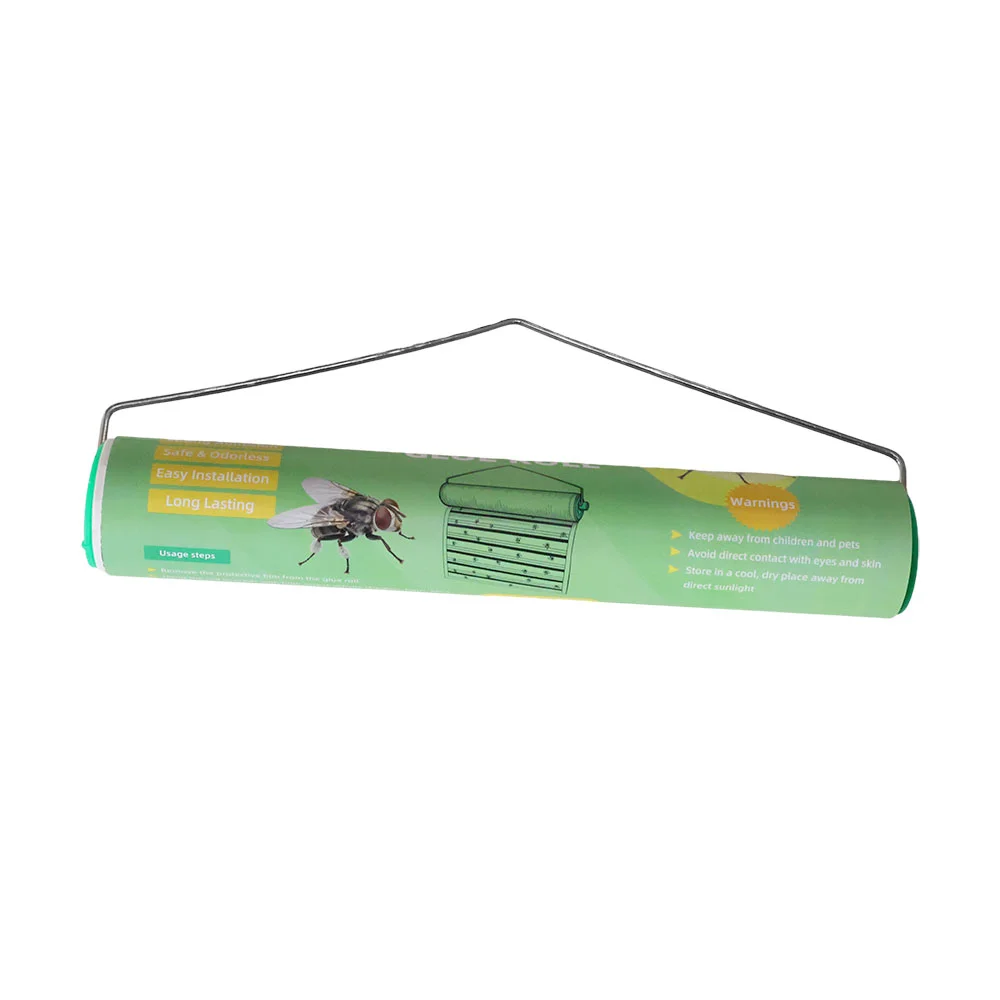
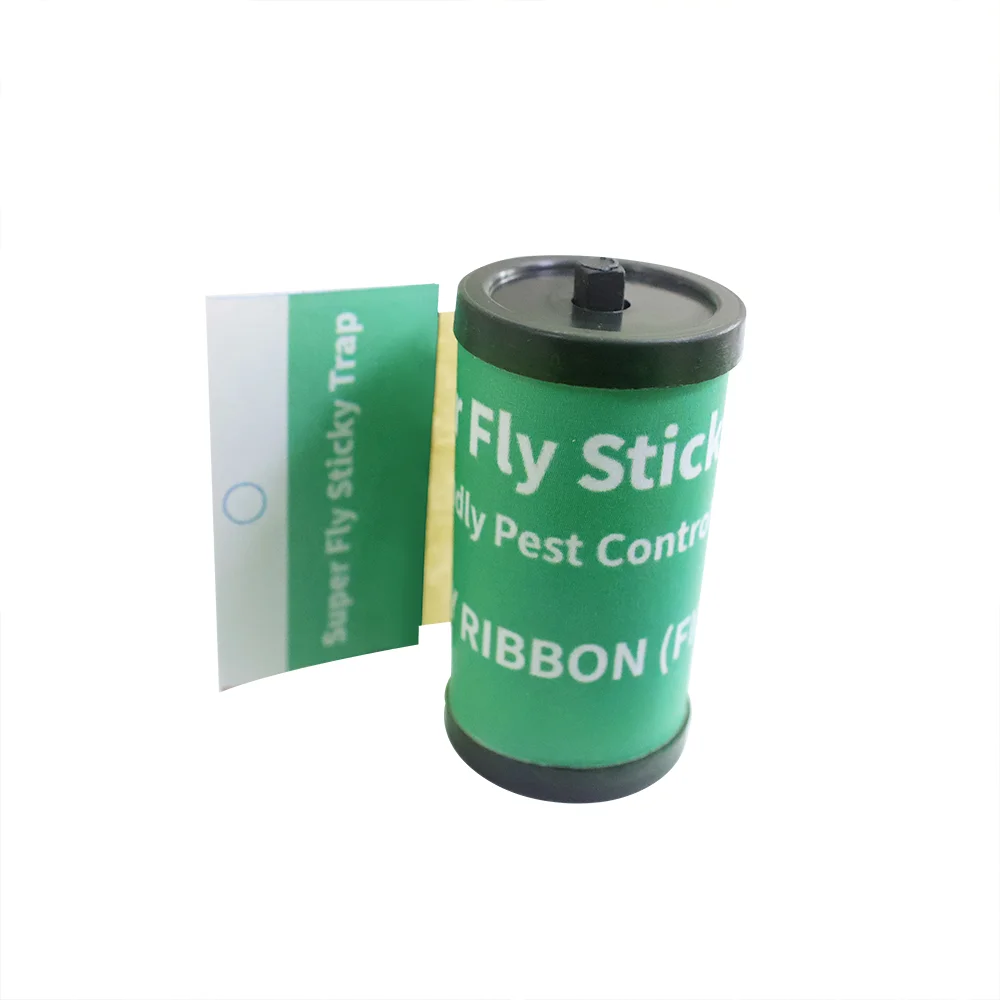
At their core, these traps are simple panels or strips coated with a yellow, sticky adhesive designed to attract and trap flies and other small flying insects. The yellow color is no accident—it mimics young foliage, making it incredibly attractive to many fly species.
Modern versions have evolved with better adhesives that remain tacky longer, weather-resistant materials, and sometimes even a pesticide-free surface treatment to boost efficacy without harming beneficial insects. Many industries such as fruit growing, animal husbandry, and even waste management sectors rely on these traps as an integrated component of their pest control strategies.
Key Features of Yellow Sticky Fly Traps
1. Durability and Weather Resistance
Effective over weeks or even months, durable sticky traps withstand rain, heat, and wind, which is crucial for outdoor agriculture or waste storage sites.
2. Chemical-Free and Eco-Friendly Design
Unlike sprays, these traps don't release toxins into the environment, supporting biodiversity and reducing risks to farmworkers.
3. Ease of Use and Deployment
Simply hang or place them in high fly-traffic zones. No special skills or complicated installations mean more rapid adoption by small-scale farmers or aid workers.
4. Cost-Efficiency
Relatively inexpensive compared to chemical pesticides, with reusable options for some models reducing waste over time.
5. Scalability
From single-home gardens to large commercial farms, the system scales well with minimal adjustments.
6. Visual Monitoring Capability
They double as monitoring tools so users can track pest levels and determine when additional measures might be needed.
Mini takeaway: These core features give yellow sticky fly traps their charm and practicality in real-world pest management.
Global Applications & Who’s Using Them
You’d be surprised just how many corners of the world rely on these simple tools:
- Agricultural Zones: In Southeast Asia and parts of Africa, fruit and vegetable farms deploy traps en masse to protect crops from destructive flies and reduce pesticide use.
- Animal Husbandry: Poultry farms in Europe and the US use sticky traps around enclosures to control fly populations, improving animal welfare and meat quality.
- Humanitarian & Disaster Relief: Post-flood and refugee camps use traps to curb disease vectors where waterborne and fly-borne illnesses spike.
- Urban Environments: Cities in Latin America and India place traps around garbage dumps and markets—hotspots for flies.
A noteworthy case comes from a small vineyard in Spain, which cut chemical pesticide use by 40% after integrating yellow sticky traps, boosting their organic certification status and consumer trust. It feels like a little piece of green progress, one sticky sheet at a time.
Advantages at a Glance: Why They’re Worth It
| Advantage |
Details |
| Cost-Effective |
Low upfront and maintenance costs compared to chemical controls. |
| Eco-Friendly |
Reduces chemical runoff, safe for pollinators and beneficial insects. |
| Health-Safe |
Non-toxic; minimizes chemical exposure to workers and consumers. |
| Simple to Use |
No training required; ideal for resource-limited settings. |
| Sustainable |
Reusable options and biodegradable materials becoming common. |
Innovations and the Road Ahead
Looking forward, the humble yellow sticky fly trap is evolving alongside green technology trends:
- Smart Traps: Some manufacturers are developing traps integrated with sensors that report fly catch numbers digitally for real-time monitoring.
- Biodegradable Adhesives: Innovations aim to reduce plastic waste by using fully compostable materials without losing stickiness.
- Solar-Powered Variants: In remote areas, solar installations are used to power fans directing flies toward the traps or UV lights enhancing attraction.
- Customization: Tailored colors and scents are being tested to attract specific pest species more effectively.
Overall, the trend is toward smarter, greener, and more effective pest management tools—yet simple and accessible enough for wide use.
Overcoming Challenges in Sticky Trap Usage
Of course, nothing’s perfect. Challenges linger:
- Adhesive Lifespan: Stickiness reduces with dust, rain, and time. Frequent replacement may be needed.
- Non-Target Captures: Occasionally beneficial insects get trapped.
- Limited Attraction Range: May miss low-density fly populations or species less attracted to yellow.
Experts recommend combining sticky traps with sanitation, biological predators, or selective chemical use to balance effectiveness. New adhesives and shape designs are being tested to minimize non-target catches and prolong lifespan.
Vendor Comparison: Which Yellow Sticky Fly Trap Fits Your Needs?
| Vendor |
Adhesive Type |
Size Options |
Durability (weeks) |
Eco-Friendliness |
Price Range ($) |
| FlyTrap Pro |
Non-toxic synthetic |
8" x 12", 12" x 18" |
4-6 |
Partial biodegradable base |
15 - 25 per pack |
| EcoCatch Solutions |
Plant-based adhesive |
10" x 12", 14" x 20" |
3-5 |
100% biodegradable |
20 - 30 per pack |
| AgriSticky |
Enhanced UV resistant |
6" x 10", 12" x 15" |
6-8 |
Standard plastic backing |
12 - 22 per pack |
Frequently Asked Questions About Yellow Sticky Fly Traps
Q1: How often should I replace my yellow sticky fly traps?
Most traps remain effective for about 4 to 6 weeks, depending on weather conditions and fly density. When the adhesive layer looks clogged or less sticky, it’s time for replacement.
Q2: Are these traps safe around children and pets?
Yes. Because they use non-toxic adhesives and no chemical sprays, yellow sticky fly traps are generally safe in homes and farms where families live and animals roam.
Q3: Can sticky traps attract beneficial insects accidentally?
Occasionally, yes. This is why it’s best to place traps strategically away from pollinator zones like flowering plants and monitor catches regularly.
Q4: Can I use yellow sticky traps indoors?
Absolutely. They work well indoors, especially near trash areas, kitchens, or entry points where flies gather.
Q5: Are there green alternatives to sticky traps with plastic backings?
Yes, some brands now offer fully biodegradable sticky traps made from plant-based materials that break down naturally without polluting landfills.
Wrapping Up: The Sticky Truth
In essence, yellow sticky fly traps are a prime example of simple technology making a big difference, quietly powering the global shift toward sustainable pest management. Their practicality, cost-effectiveness, and environmental friendliness make them an irresistible choice for farmers, NGOs, and urban planners alike.
Thinking about integrating these traps in your operation or community? I’d say, it’s a low-risk, high-reward investment worth considering seriously. For more detailed products and guides, be sure to visit yellow sticky fly traps.
Sometimes, the smallest tools solve the biggest problems, and that feels pretty good.
References:
1. UNEP Integrated Pest Management Overview
2. World Bank Agriculture & Pest Control Data
3. Wikipedia: Pest Control