Understanding Yellow Fungus Gnat Traps: What They Are and Why They Matter
So, yellow fungus gnat traps—it’s a bit of a mouthful, isn’t it? But it’s kind of important, especially if you’re dealing with plants indoors or in greenhouses. You might wonder why anyone really cares about these tiny pests. Well, globally, fungus gnats can cause serious damage to crops and indoor plants, leading to costly losses for farmers and hobbyists alike. Using effective yellow fungus gnat traps is one of the simplest, chemical-free ways to keep these pests at bay.
As urban farming and indoor gardening rise in popularity worldwide, controlling pests like fungus gnats naturally and sustainably has become a priority. Plus, understanding the right type of trap can save time, money, and the environment—no small thing these days.
Why Should You Care Globally?
According to recent agricultural studies and reports by organizations like the Food and Agriculture Organization (FAO) and ISO, pest management plays a vital role in safeguarding food security and plant health. Fungus gnats, while tiny, affect crop yields and indoor plant vitality, impacting economies and ecosystems across continents.
- Fungus gnats thrive in moist environments common in greenhouses and urban farms.
- They damage plant roots, reducing productivity.
- Yellow fungus gnat traps offer a chemical-free pest control solution.
Mini takeaway: Yellow fungus gnat traps are a simple intervention with global implications, especially in sustainable agriculture and urban gardening contexts.
What Exactly Are Yellow Fungus Gnat Traps?
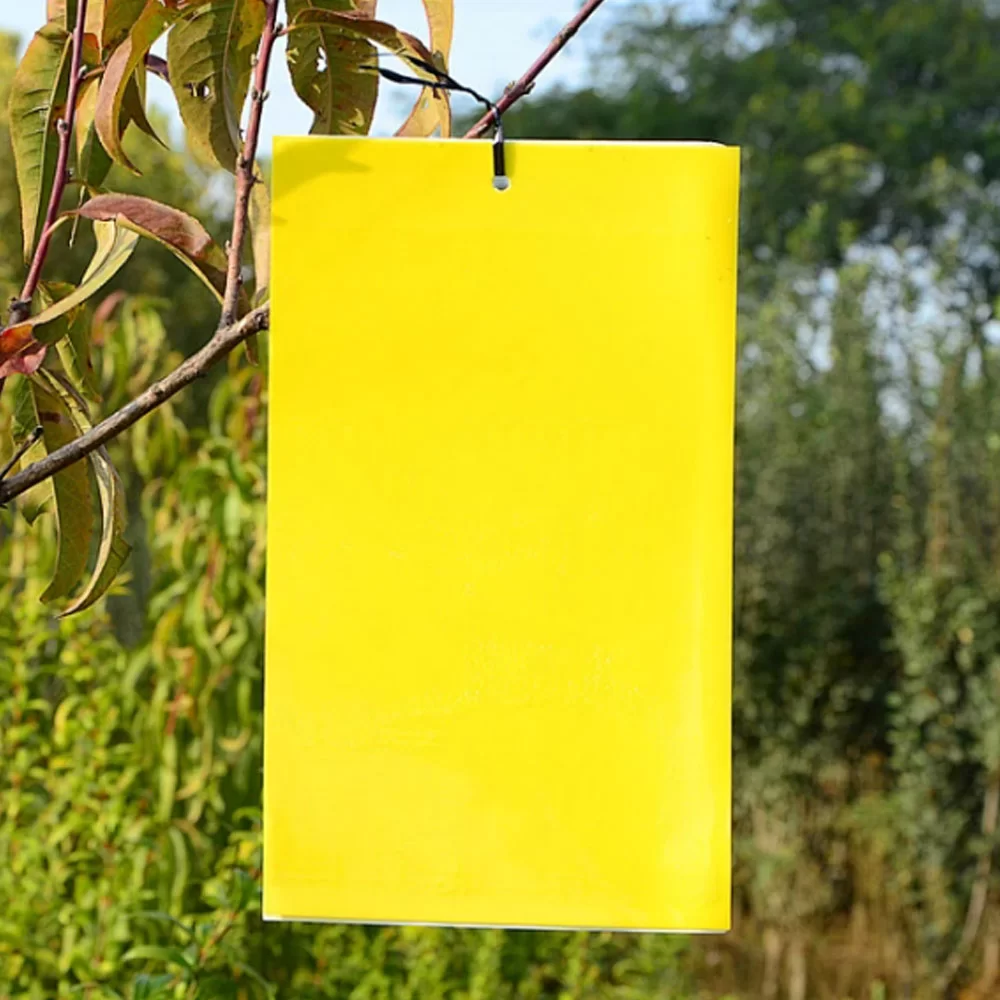
In plain terms, these traps are essentially sticky yellow cards or pads designed to attract fungus gnats—and only fungus gnats—using their natural attraction to the color yellow. Once the gnats land on the sticky surface, they get trapped and cannot escape. It’s a clever, low-tech pest control measure that avoids pesticides and harmful chemicals.
From a broader perspective, these traps connect to modern green initiatives and integrated pest management (IPM), reflecting the shift toward environmentally friendly, sustainable solutions in agriculture and horticulture.
Core Components & Features of Yellow Fungus Gnat Traps
1. Stickiness
The adhesive layer’s quality is crucial. It must be tacky enough to catch small insects but safe enough for indoor use and handling without mess.
2. Color Sensitivity
Yellow is no accident—it mimics the color of new plant shoots, attracting gnats who often confuse the sticky card for a food source or breeding ground.
3. Size & Shape
Depending on needs, the traps come in various sizes—from small strips for houseplants to larger cards for greenhouses.
4. Durability
Resistance to humidity and temperature fluctuations is a must, especially for greenhouse applications.
5. Safety & Environmental Impact
The traps are non-toxic and generally considered eco-friendly, fitting well within IPM frameworks.
| Feature |
Details |
| Adhesive Type |
Non-toxic, strong tacky glue resistant to moisture |
| Dimensions |
Varies: 10x15 cm (small) to 20x30 cm (large) |
| Color |
Bright yellow optimized for insect attraction |
| Material |
Water-resistant cardboard or plastic sheets |
Mini takeaway: The success of yellow fungus gnat traps rests on smart design that balances attraction, safety, and durability.
Global Applications and Real-world Use Cases
Yellow fungus gnat traps find a home everywhere—from large-scale commercial greenhouses in the Netherlands and Canada to urban rooftop gardens in New York and rooftop farms in Tokyo. Even humanitarian organizations working on sustainable agriculture in developing countries use these traps to reduce pesticide use and protect crops.
For example, in post-disaster relief farming, as promoted by the UN Food and Agriculture Organization, minimizing chemical inputs is vital. Yellow fungus gnat traps provide a quick, portable solution to protect seedlings and small plants.
- Greenhouses: Helps reduce pesticide reliance and monitor insect populations.
- Urban Farms: Safe for close human contact, allowing chemical-free pest control indoors.
- Research Facilities: Used for monitoring fungus gnat presence to study ecosystem health.
Advantages and Long-Term Values
The benefits? They’re practical, eco-friendly, and affordable. For one, these traps lower chemical usage, which matters globally as pesticide resistance grows. Sustainability is a huge plus, both for the environment and the plants’ health. Plus, they provide peace of mind—no nasty toxins in your home or workplace. And frankly, there’s something satisfying about catching pests using pure biology and a little glue.
Yellow traps help maintain dignity and safety for workers in agricultural industries who otherwise would be exposed to harmful chemicals. They also support sustainable practices that align with global regulatory frameworks and green certifications.
Future Trends and Innovations
The future of yellow fungus gnat traps is quite exciting. Scientists and manufacturers are experimenting with biodegradable materials to make these traps even more eco-friendly. Imagine sticky traps made from plant fibers or recycled plastics!
Moreover, automation and smart agriculture bring new potentials—sensors embedded in traps could monitor pest counts in real-time, syncing with apps to alert farmers before infestations grow. Digital transformation isn’t just for huge farms but increasingly for hobbyist home gardeners too.
Challenges and Expert Solutions
One challenge with these traps is that sticky surfaces can collect dust or debris, reducing effectiveness over time. Users often forget to replace them regularly, which can lead to diminished pest control.
Experts suggest combining yellow fungus gnat traps with other IPM practices—such as proper soil moisture control, beneficial nematodes, and cultural methods—to maximize results. Training and awareness are critical; understanding the lifecycle of fungus gnats improves the trap usage strategy.
| Vendor |
Strengths |
Weaknesses |
Price Range |
| EcoSticky |
Biodegradable materials; good stickiness |
Shorter lifespan in humid environments |
$$ |
| GreenGnat Solutions |
Strong adhesive; various sizes; bulk options |
Cards only; no biodegradable option yet |
$$$ |
| NatureTrap |
Affordable; widely available; trusted brand |
Less sticky in dusty areas |
$ |
FAQ About Yellow Fungus Gnat Traps
Q1: How often should I replace yellow fungus gnat traps?
A1: Ideally, replace traps every 3–4 weeks or once they appear covered with insects and debris. This keeps them sticky and effective at capturing new gnats.
Q2: Can these traps eliminate the entire fungus gnat population?
A2: No, traps are mainly for monitoring and partial control. For severe infestations, integrate traps with soil drying, beneficial predators, or nematodes.
Q3: Are yellow fungus gnat traps safe around pets and children?
A3: Yes, since the traps are non-toxic and chemical-free. However, keep them out of reach to avoid sticky messes.
Q4: Which environments benefit most from these traps?
A4: Greenhouses, indoor houseplants, hydroponic farms, and urban gardens where fungus gnats thrive.
Q5: Where can I buy high-quality yellow fungus gnat traps?
A5: Many garden centers and online retailers stock them. For customization or bulk orders, consult specialized suppliers such as those listed in our comparison table.
Conclusion: Why Yellow Fungus Gnat Traps Are a Smart Investment
To wrap up, yellow fungus gnat traps offer a simple but effective way to tackle a pesky problem that affects plant health worldwide. They’re an integral part of sustainable pest management—safe, affordable, and widely applicable. If you’re curious or ready to improve your plant protection strategy, I suggest you check out yellow fungus gnat traps on our site. Remember, mindful pest control today can save time, money, and the environment tomorrow.
It’s a small tool with surprisingly big impact—kind of like a tiny yellow sentinel watching over your plants.
References:
- Fungus gnat - Wikipedia
- Food and Agriculture Organization of the United Nations (FAO)
- International Organization for Standardization (ISO)