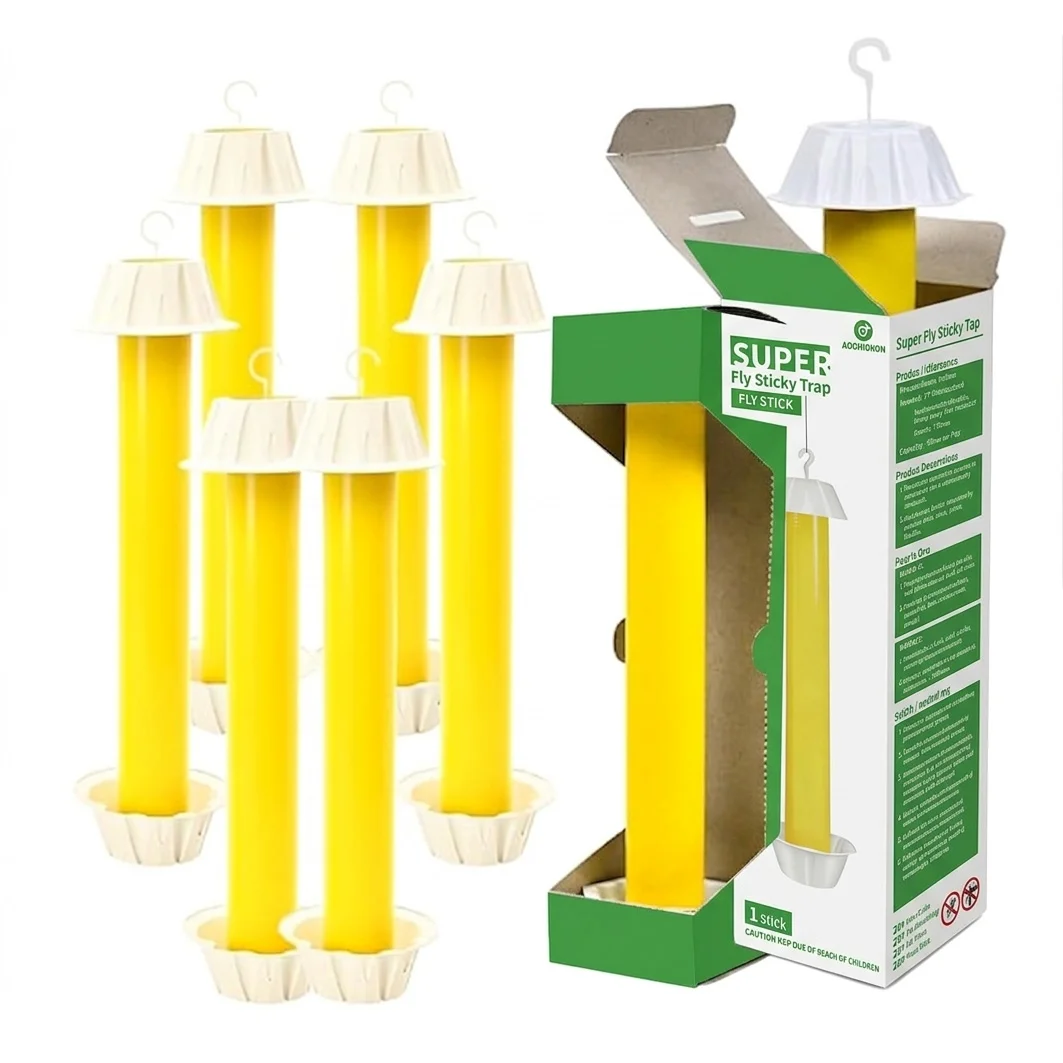
Yellow Fly Sticky Traps: An Essential Tool in Pest Control
At first glance, yellow fly sticky traps might seem like a simple tool — just sticky, bright yellow panels designed to catch flies. But their importance stretches far beyond the obvious, especially when considering the global challenges of pest management in agriculture, health, and sanitation sectors. Understanding these traps isn't just about keeping pesky flies away; it means enhancing food security, reducing disease vectors, and supporting sustainable practices worldwide.
Introduction: The Global Relevance of Yellow Fly Sticky Traps
The global impact of fly populations on public health and agriculture cannot be overstated. According to World Health Organization (WHO), flies are known carriers of many pathogens affecting millions annually, especially in developing countries where sanitation infrastructure may be limited. Meanwhile, the Food and Agriculture Organization (FAO) estimates billions of dollars lost each year due to crop damage and contamination linked to fly infestations.
Yellow fly sticky traps address these challenges with a cost-effective, chemical-free solution that can be employed both by smallholder farmers and large commercial operations. With increasing regulations on pesticide usage (notably restrictions by organizations like ISO) and a push toward sustainable alternatives, these traps have become globally significant tools.
What Are Yellow Fly Sticky Traps?
Simply put, yellow fly sticky traps are bright yellow panels coated with a sticky adhesive that attract and immobilize flies upon contact. Why yellow? Flies are naturally attracted to this color, which mimics flowers, fruits, or foliage in many environments. They're widely used in greenhouses, farms, food processing plants, and sanitation facilities.
More than just flycatchers, they serve as monitoring tools to gauge pest populations, thereby informing pest management strategies without resorting to harmful pesticides. They also tie into humanitarian needs where quick, safe fly control is essential to preventing disease spread.
Core Factors Defining Effective Yellow Fly Sticky Traps
1. Durability
For traps to work in rugged agricultural or industrial settings, they have to resist weather, UV radiation, and dust. Manufacturers today use UV-resistant adhesives and weatherproof substrates, which extend the traps’ functional life to several weeks even under harsh outdoor conditions.
2. Attraction Efficiency
Not all yellow traps are created equal. Pigment composition and surface texture influence how well the trap attracts flies. Some products incorporate special UV light-reflective pigments enhancing attractiveness in low-light or shaded conditions.
3. Adhesive Quality
The sticky coating must be strong enough to hold flies without them escaping, yet non-toxic and safe around humans and animals. Innovations include non-drying adhesives that maintain tackiness for longer durations and resist dust buildup.
4. Scalability and Size Options
Depending on the setting—from small-scale local farms to large commercial greenhouses—yellow fly sticky traps come in a variety of sizes and formats: from handheld small panels to large wrap-around sheets.
5. Environmental Impact
Many new traps utilize biodegradable materials or recyclable substrates, reducing environmental waste especially important in regions adopting circular economy principles.
Product Specifications for Top Yellow Fly Sticky Traps
| Specification |
Standard Model |
Premium Model |
| Dimensions |
20 x 30 cm |
30 x 45 cm |
| Adhesive type |
Non-toxic, UV-resistant |
Bio-based, non-drying |
| Color Shade |
Standard vibrant yellow |
Enhanced UV reflective yellow |
| Lifespan (outdoor use) |
2–3 weeks |
4–6 weeks |
| Substrate Material |
Polypropylene |
Biodegradable coated paper |
Global Applications and Use Cases
From the rice paddies of Southeast Asia to vast warehouses in North America, yellow fly sticky traps find diverse uses. Farmers rely on these traps to monitor and reduce pest populations without heavy chemical inputs, aligning with growing organic farming certifications.
In humanitarian contexts, NGOs deploy traps in refugee camps and disaster-stricken areas to curb fly-borne disease outbreaks, especially cholera and dysentery. For example, after the 2010 Haiti earthquake, relief workers used sticky traps extensively to manage fly swarms amid challenging sanitary conditions.
Comparing Leading Vendors of Yellow Fly Sticky Traps
| Vendor |
Adhesive Technology |
Environmental Certifications |
Price Range (per pack) |
| EcoTrap Solutions |
Non-toxic bio-adhesive |
FSC certified, Compostable |
$15–25 |
| FlySafe Industries |
UV-Preserved synthetic adhesive |
ISO 14001 |
$12–18 |
| GreenField Pest Control |
Hybrid adhesive, low VOC |
EPA Safer Choice |
$20–30 |
Advantages and Long-Term Value of Yellow Fly Sticky Traps
What makes yellow fly sticky traps hugely valuable, beyond their relatively low price? They offer a non-toxic, environmentally friendly alternative to chemical insecticides, reducing hazards for workers and surrounding ecosystems. Socially, lower fly populations improve hygiene — a critical factor for community health, especially in vulnerable populations.
Many users report greater trust in fly control programs when sticky traps are visible and regularly maintained — it feels like a proactive commitment to safety rather than a hidden chemical application. Economically, reduced crop loss and lowered disease incidence translate into better livelihoods. Plus, the traps are easy to install and maintain, often not requiring skilled labor.
Mini takeaway: These traps combine ethics and economics for sustainable pest management.
Future Trends and Innovations
Looking ahead, yellow fly sticky traps will likely evolve with greener materials and smart technology. Emerging trends include:
- Biodegradable adhesives and substrates: reducing plastic waste and promoting circularity.
- Integration with digital monitoring: traps equipped with sensors to automatically count catch rates and transmit data via IoT devices.
- Hybrid solutions: combining traps with pheromone lures and other attractants to increase selective catch efficiency.
- Automation: self-cleaning or rotatable traps to maintain effectiveness longer without manual replacement.
These advances may radically improve fly management with less manual effort and lower environmental footprint in coming years.
Challenges and Expert Solutions
Despite their effectiveness, yellow fly sticky traps come with challenges. Some users note reduced catch rates in humid or dusty environments where adhesives degrade faster. Others mention that non-target insects sometimes get caught, raising ethical concerns about biodiversity impact.
Experts recommend tailored trap placement and size depending on fly species and environmental conditions. Newer adhesives resist dirt accumulation, and biodegradable substrates help limit unintended ecological harm. Moreover, integrated pest management strategies combine these traps with habitat sanitation, biological controls, and minimal chemical use to optimize results.
FAQs About Yellow Fly Sticky Traps
- Q: How often should yellow fly sticky traps be replaced?
A: Typically, every 2–6 weeks depending on outdoor exposure and trap size. Inspect regularly for dirt buildup or loss of stickiness.
- Q: Can these traps catch other insects besides flies?
A: Yes, they may catch small flying insects attracted to the yellow color. Placement and trap design help minimize non-target catch.
- Q: Are yellow fly sticky traps safe around children and pets?
A: Yes, most commercial adhesives are non-toxic, but keep traps out of reach to avoid mess or accidental contact.
- Q: Can traps be reused after cleaning the adhesive?
A: No, adhesives are designed for one-time use. Reuse reduces effectiveness significantly.
- Q: How do I dispose of used traps sustainably?
A: Biodegradable traps can be composted where local regulations allow; otherwise, dispose according to local waste guidelines to avoid environmental pollution.
Conclusion & Call to Action
In real terms, yellow fly sticky traps aren’t just pest control tools—they’re enablers of healthier environments, safer food production, and more sustainable livelihoods. Their simplicity belies a profound impact on public health and agriculture globally. If you’re interested in exploring quality yellow fly sticky traps suitable for diverse applications, visit our site at https://www.hbarcherfish.com. Let’s make fly control smarter, safer, and greener together.
Oddly enough, sometimes the simplest solutions—like a sticky yellow panel—make the biggest difference.
References
- WHO: Vector-borne diseases
- FAO: Pests and pest management
- ISO 14001 Environmental Management