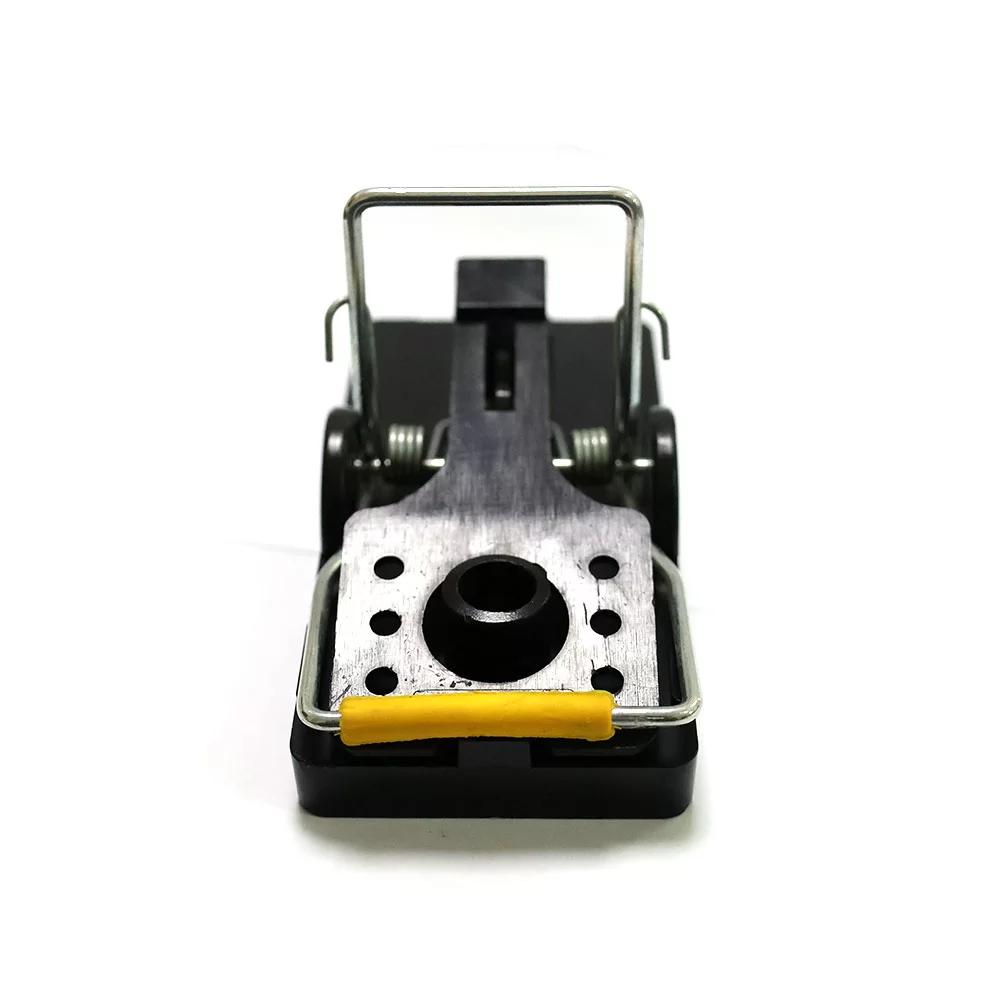
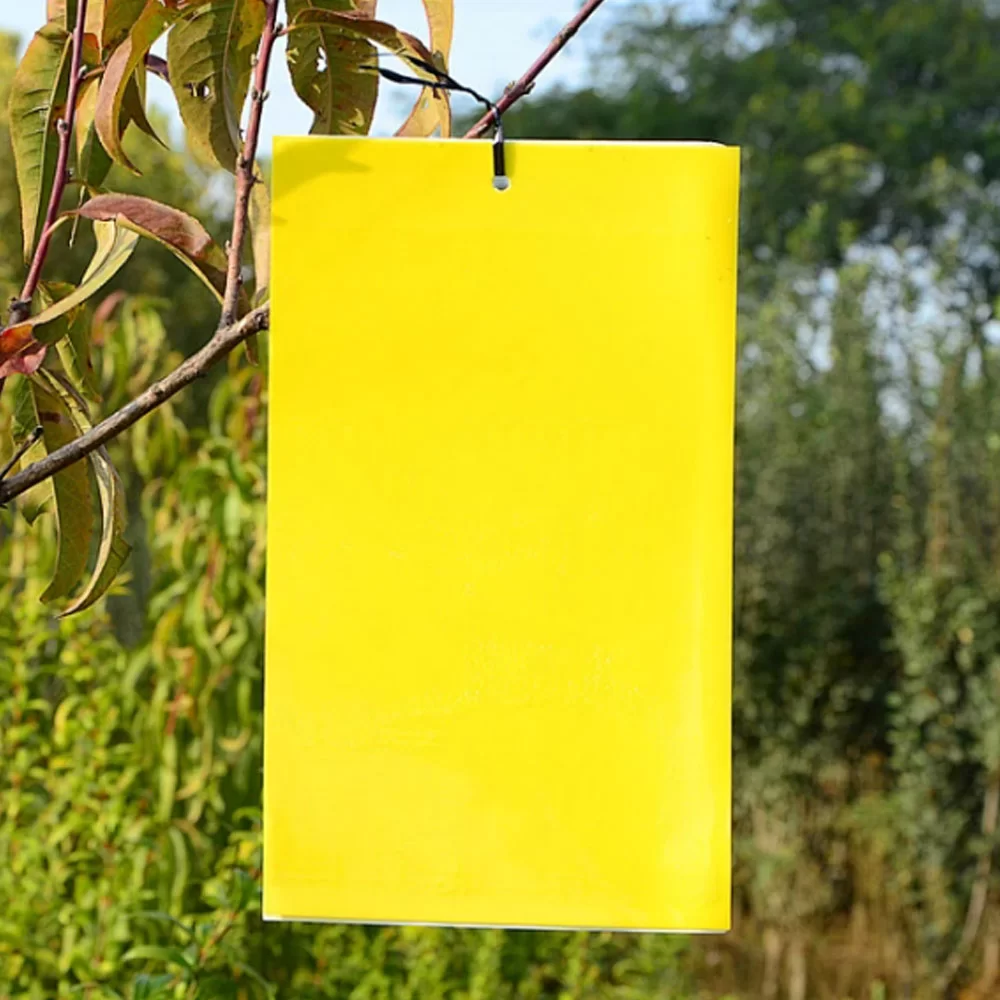
Sticky Trap for Spiders: Why This Simple Solution Matters Worldwide
If you’ve ever lifted a corner of a rug or peeked behind a cupboard and found a spider retreat, you know the quiet nuisance these eight-legged critters can be. Now imagine managing spider infestations on a massive scale: in homes, warehouses, food facilities, or disaster relief camps. That’s where the humble sticky trap for spiders becomes unexpectedly important. On a global scale, these traps play a vital role in pest control, public health, and safety.
Understanding sticky traps for spiders is not just about keeping your basement spider-free. It’s about a low-tech, chemical-free approach to managing pests that’s widely applicable — affordable, eco-friendly, and effective. This article dives into the why, how, and where of sticky traps, revealing their surprising relevance, practicality, and evolving innovations.
Why Sticky Traps for Spiders Are a Global Concern
Worldwide, pest control is a $20 billion industry, with spiders representing a notable part of that ecosystem. According to the World Health Organization, spiders are primary contributors to vector control challenges in many regions — especially in tropical zones where venomous species pose health risks. Plus, spider webs in critical industrial settings can lead to contamination or mechanical issues.
The WHO highlights that effective pest management is crucial for food safety and disease reduction. Sticky traps provide a chemical-free approach that’s invaluable in eco-sensitive zones or indoor environments where spraying insecticides isn’t ideal. With urbanization and industrial growth, demand for safe, reliable spider control is increasing — and sticky traps fit that need perfectly.
What Exactly Is a Sticky Trap for Spiders?
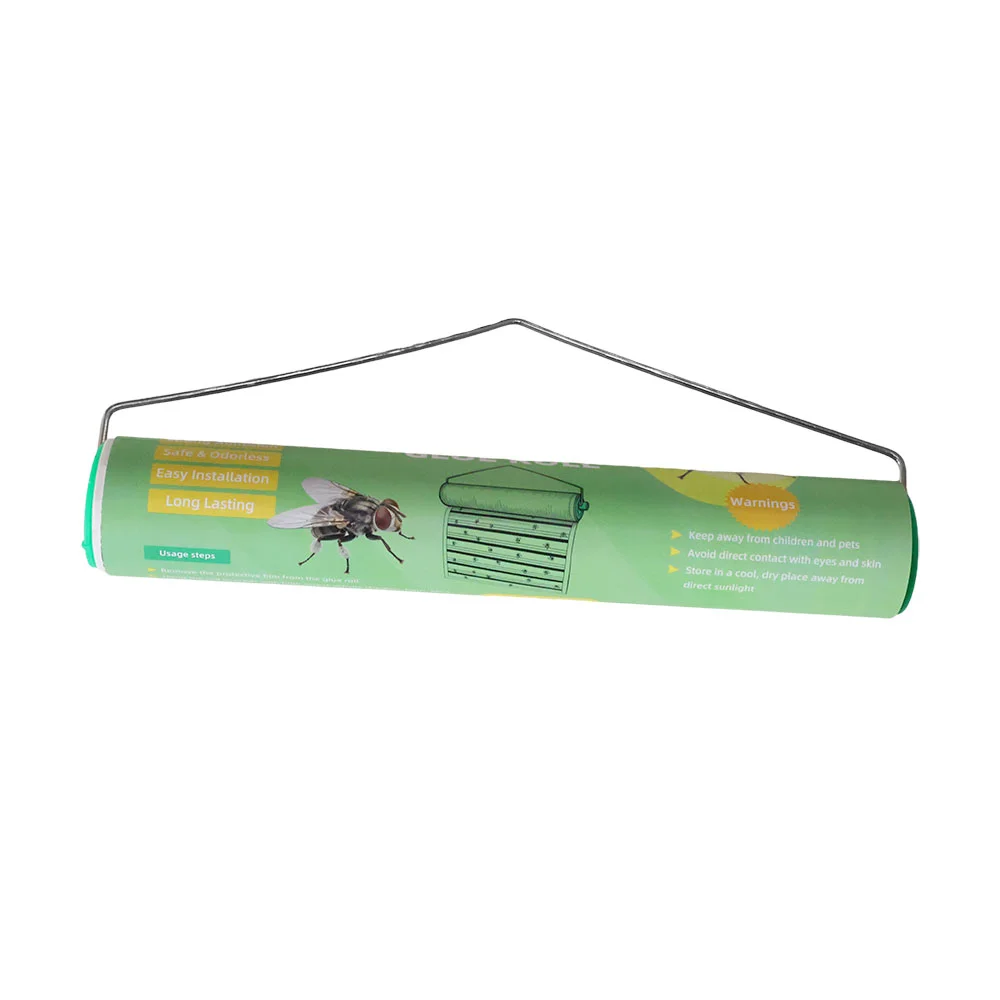
Simply put, a sticky trap for spiders is a device that uses an adhesive surface to physically catch spiders as they crawl over it. These traps are usually flat boards or sheets coated with a non-toxic glue that immobilizes spiders instantly. There are no poisons, zaps, or sprays — just a quiet, passive way of capturing pests.
These traps connect surprisingly well to modern pest control strategies focused on sustainability and minimizing chemical use, making them invaluable in food processing, healthcare facilities, and even humanitarian efforts where vulnerable populations live in close quarters.
Core Characteristics That Make Sticky Traps Work
Adhesive Quality
The stickiness has to be just right — strong enough to catch and hold spiders without drying out too quickly. Many manufacturers use non-drying, odorless adhesives formulated to last weeks without maintenance.
Durability
Durable materials ensure the trap holds up under humid or dusty conditions common in warehouses or outdoor relief camps. Weatherproof sticky traps can last longer and work more reliably.
Size and Design
The trap’s size matters. Smaller traps are discreet and easy to place in corners, while larger mats are suited for large-scale industrial use. Some come with attractants or pheromones to boost catch rates.
Non-Toxic and Safe
Because no chemicals are involved, sticky traps pose minimal risk to humans and pets. This is particularly crucial in hospitals, schools, and refugee shelters, where vulnerable groups reside.
Cost-Effectiveness
Compared to chemical pest control, sticky traps are generally affordable and reusable. Facilities running multi-trap systems notice big savings over time.
Mini Takeaway:
Sticky traps combine thoughtful materials and design to deliver an eco-friendly, practical pest control option that fits diverse needs worldwide.
Where Are Sticky Traps for Spiders Used Globally?
The reach of sticky traps is surprisingly broad. Here are a few key sectors and regions:
- Industrial and Food Storage: Warehouses in North America and Europe rely on these traps to maintain hygiene without chemical sprays.
- Humanitarian Relief Zones: Refugee camps across Africa and Asia use sticky traps for safe, non-toxic spider control, crucial where chemical access is limited.
- Residential Areas: Urban homes everywhere — especially in humid or wooded regions — use traps to discreetly monitor and control spiders.
- Educational and Healthcare Facilities: Schools and hospitals place traps as part of integrated pest management to protect vulnerable populations.
For instance, after the 2015 earthquake in Nepal, relief coordinators used sticky traps in communal shelters to control pests environmentally without adding health risks.
Mini Takeaway:
Sticky traps’ versatility makes them a go-to solution from corporate warehouses to humanitarian relief, enhancing health and safety worldwide.
Sticky Trap for Spiders: Product Specifications At a Glance
| Feature |
Typical Specification |
Remarks |
| Trap Size |
20 x 15 cm |
Standard for household and industrial use |
| Adhesive Type |
Non-drying, odorless glue |
Toxicity-free and safe for indoors |
| Material |
Recyclable cardboard or plastic base |
Weather and moisture resistant variants available |
| Lifespan |
Up to 6 weeks |
Dependent on environment and spider activity |
| Safety Certifications |
ISO 9001, RoHS Compliant |
Ensures consistent quality and environmental standards |
Comparing Top Vendors of Sticky Traps for Spiders
| Vendor |
Price Range |
Material |
Special Features |
Global Shipping |
| ArachnidSafe Inc. |
$10-$15 per pack |
Cardboard base, eco-friendly glue |
Pheromone attractant included |
Ships worldwide |
| WebTrap Solutions |
$12-$18 |
Plastic base, non-toxic adhesive |
Weatherproof model available |
Limited international shipping |
| EcoTrap Global |
$8-$13 |
Recycled materials, biodegradable glue |
Certified organic safe |
Ships globally with eco-packaging |
The Real Advantages of Using Sticky Traps for Spider Control
The advantages are surprisingly layered. Sure, they are cost-effective and chemical-free, but they also offer peace of mind. Many pest control professionals point out that sticky traps provide constant monitoring—meaning you always know when there’s pest activity without regular inspections.
Environmentally, they reduce reliance on pesticides, safeguarding indoor air quality and reducing residue on food or personal belongings. Socially, using such traps respects public health policies focusing on safer, sustainable living spaces.
Looking Ahead: How Sticky Trap Technologies Are Evolving
It feels like we’re barely scratching the surface of what sticky traps can do. Manufacturers are experimenting with smart traps embedded with sensors to count catches or alert facility managers remotely. There’s a push towards bio-based adhesives derived from plant materials, improving biodegradability, and reducing chemical footprints. Also, automation is on the horizon, with trap deployment and disposal becoming more robotics-friendly in large facilities.
Green policies worldwide are influencing demand for non-toxic pest control, pushing sticky trap innovation in materials and design for international markets.
Common Challenges—and How to Tackle Them
Sticky traps aren’t perfect. They can dry out, collect dust, or catch non-target insects, requiring maintenance. Placement in highly trafficked areas risks accidental removal or loss of stickiness.
Experts recommend routine replacement every 4-6 weeks and strategic placement in dark corners or along baseboards. Combining sticky traps with other integrated pest management strategies ensures a robust solution.
Frequently Asked Questions About Sticky Trap for Spiders
How long does a sticky trap remain effective in humid environments?
Sticky traps typically last about 4 to 6 weeks depending on humidity and dust exposure. In very humid or dusty conditions, adhesive can degrade faster, so replacing traps every month is advised for optimal performance.
Are sticky traps safe to use around children and pets?
Yes, sticky traps are non-toxic and contain no chemicals, making them safe for use indoors around children and pets. However, care should be taken to place traps where curious hands or paws cannot easily reach them.
Can sticky traps catch all types of spiders?
While sticky traps are effective for ground-crawling spiders, they may be less successful against web-building or flying pests. They work best as part of a comprehensive pest control plan.
How often should I replace sticky traps for optimal spider control?
For continuous control, it’s advisable to replace sticky traps every 4-6 weeks, especially in high activity areas. Regular inspection helps determine if earlier replacement is necessary.
Can sticky traps be used outdoors?
Some weatherproof sticky traps are designed for outdoor use, but they typically need more frequent replacement due to environmental exposure. Always choose traps rated for outdoor conditions in such cases.
Wrapping Up: Why Sticky Traps Deserve a Place in Your Pest Strategy
In real terms, sticky traps for spiders are an elegant blend of simplicity and efficacy. They save money, promote health, and align with sustainability goals — qualities that many other pest control methods find hard to match. If you haven’t yet tried them, or are scouting for new solutions, they deserve a look.
Curious to explore the best sticky traps? Visit our website: sticky trap for spiders and discover options suited for your needs.
References
- World Health Organization: Vector-borne Diseases
- Wikipedia: Pest Control
- International Organization for Standardization (ISO)