Understanding Sticky Fly Trap Indoor Solutions: What Makes Them Essential
When you think about pest control, especially inside our homes or office spaces, sticky fly trap indoor devices might not be the first thing that springs to mind. Yet, globally, these sticky traps play an underrated yet crucial role in maintaining hygiene, reducing disease transmission, and even protecting our food supply chains. Frankly, as urbanization accelerates and indoor air quality concerns grow, understanding and using effective fly control methods indoors becomes increasingly important.
Sticky fly traps provide a non-toxic, chemical-free way to catch and monitor flying insects, which means they’re not just a convenience but also a health safeguard. In this article, I’ll break down what sticky fly trap indoor products really are, their features, global applications, and why they might just be the simplest upgrade your indoor spaces need right now.
Global Context: Why Sticky Fly Trap Indoor Devices Matter
The global population is steadily urbanizing, with more than 56% living in cities as per the United Nations 2022 data. This concentration means higher chances of pest infestations indoors, particularly flies, which can carry bacteria and viruses. The World Health Organization highlights that flies can spread pathogens responsible for diseases like dysentery and typhoid, so controlling their numbers indoors is more than vanity – it’s a public health measure.
Interestingly, the demand for safe and chemical-free indoor pest control products has surged. ISO standards increasingly emphasize environmental safety and indoor air quality, pushing manufacturers toward innovations like sticky fly trap indoor solutions. These solutions address an urgent problem: how do you manage flies effectively without using harsh pesticides that could affect vulnerable groups like children or the elderly?
What Exactly is a Sticky Fly Trap Indoor?
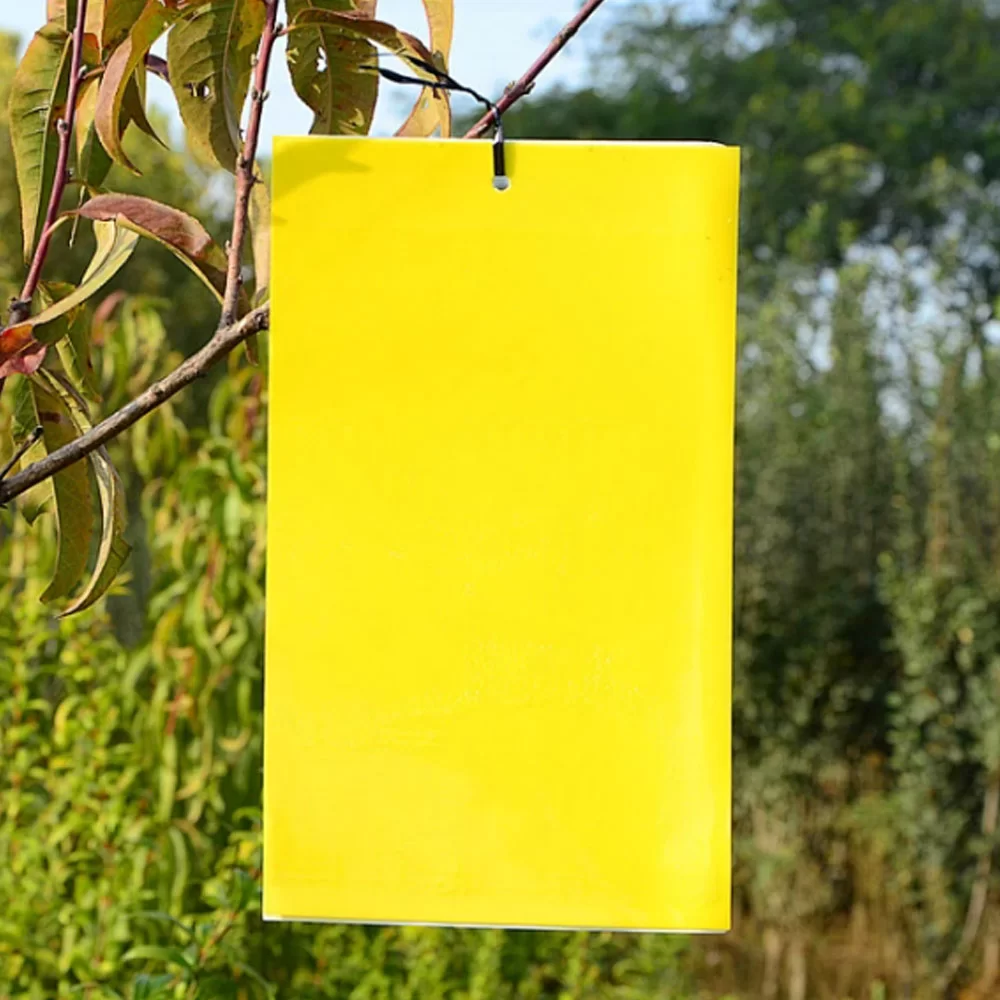
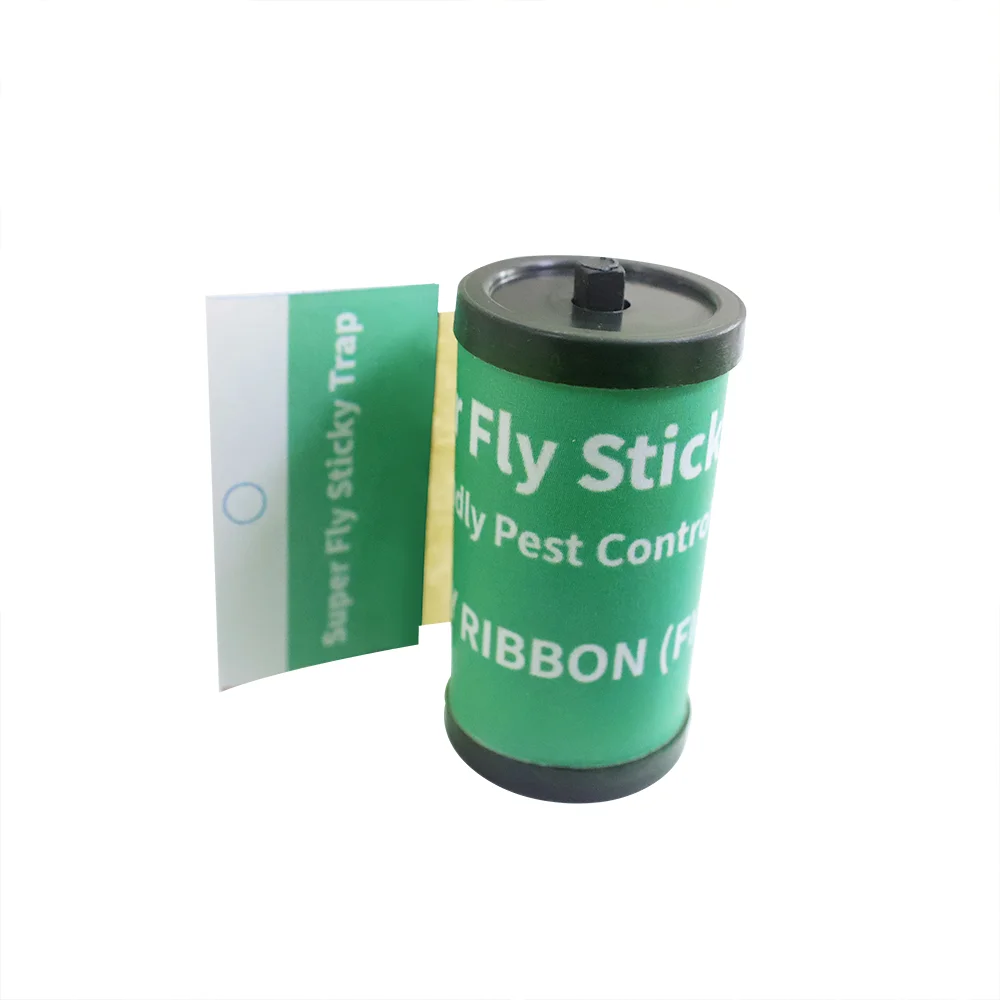
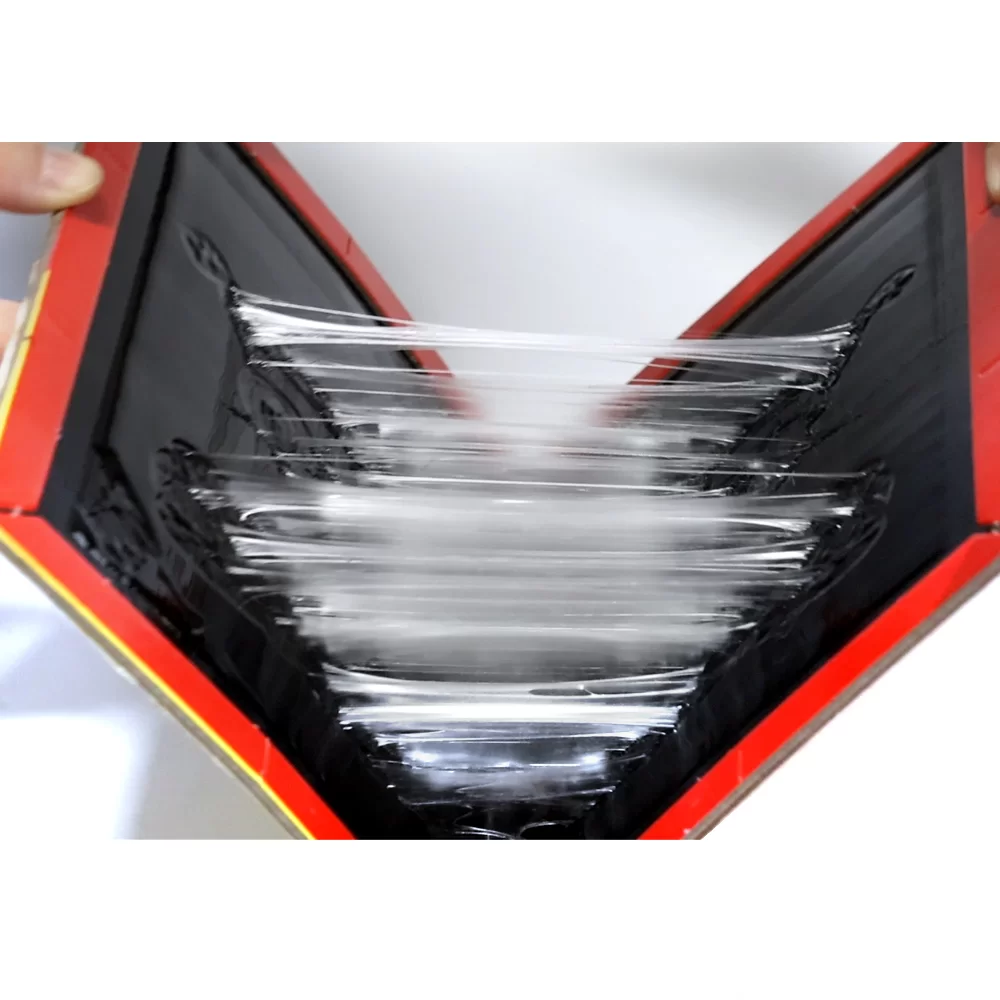
Simply put, a sticky fly trap indoor is a device or sheet coated with a tacky adhesive designed to lure and catch flies and other flying pests inside buildings. No zapping, no poisons—just stickiness. These traps rely on visual cues or attractants to bring flies near, where they get stuck and can’t escape.
In modern industries such as food processing, healthcare, restaurants, and even homes, these traps are indispensable. Not only do they keep pesky flies out of sensitive environments, but they also serve as monitoring tools to detect infestations early, allowing timely action. In humanitarian contexts—think refugee camps or emergency shelters—sticky fly traps offer a safe method to reduce disease vectors without complicated installations or power requirements.
Core Features of Sticky Fly Trap Indoor Solutions
- Durability: Many indoor sticky traps use heavy-duty adhesives that remain effective for weeks, even in humid conditions typical of kitchens or bathrooms.
- Attractiveness: Some models include UV light or food-based lures to attract more flies, improving effectiveness beyond plain adhesive sheets.
- Size & Placement Flexibility: They come in various formats—strips, cards, or even box-like units—that fit different room sizes and uses.
- Safety: Chemical-free traps make them ideal for homes with pets or children and areas like hospitals where chemical exposure must be avoided.
- Ease of Use & Disposal: Most sticky traps require no assembly and can be replaced or disposed of quickly, which is a boon for busy facilities.
Mini Takeaway: In practice, sticky fly traps combine usability with safety and adaptability — qualities that largely explain their expanding global appeal.
Global Applications and Use Cases
Sticky fly traps are widely used wherever flies threaten human comfort and safety. For instance:
- Healthcare settings in Europe and North America: Hospitals use sticky traps to monitor and reduce fly-related risks that could compromise sterile environments.
- Food processing plants across Asia: Compliance with stringent hygiene standards demands efficient fly control without chemical residues on food.
- Domestic homes everywhere: Families prefer chemical-free control methods, especially in kitchens or near outdoor patios.
- Disaster relief zones in Africa: Refugee camps rely on easy-to-deploy, electricity-free pest control means—sticky fly traps fit perfectly here.
Oddly enough, these traps appear just as crucial in remote industrial sites, where power access is limited but fly populations can spike during warm seasons.
Product Specification Table
| Feature |
Specification |
Benefit |
| Adhesive Type |
Non-toxic, tacky glue |
Safe for humans and pets |
| Size |
10 x 20 cm (standard strip) |
Fits most indoor spaces |
| Attractant |
Optional UV or food lure |
Increases catch efficiency |
| Usage Duration |
Up to 4 weeks per strip |
Long-lasting performance |
| Disposal |
Simple discard in regular trash |
No hazardous waste concerns |
Advantages and Long-Term Value of Sticky Fly Trap Indoor
One of the most straightforward benefits is cost efficiency — sticky fly traps are inexpensive up front and require minimal maintenance. But beyond dollars and cents, they offer sustainable pest control, avoiding chemical sprays that damage indoor air and potentially lead to resistance.
Socially, using these traps improves trustworthiness of food preparation facilities or healthcare units. When people see safe pest control measures, they feel safer themselves. There is also an emotional relief in knowing you’re protecting your family or workforce without exposing them to harmful substances.
Vendor Comparison Table: Popular Sticky Fly Trap Indoor Brands
| Brand |
Price per pack |
Type |
Attractant |
Best for |
| FlyAway Pro |
$12 |
Strip |
None |
Home use |
| EcoTrap UV |
$25 |
Box with UV light |
UV Light |
Commercial kitchens |
| SafeStick Plus |
$18 |
Card |
Food lure |
Healthcare |
Emerging Trends and Innovations in Sticky Fly Trap Indoor Technology
Innovation continues in this seemingly simple field. One trend is integrating IoT sensors that can detect fly catches and notify maintenance teams remotely—this is pretty cool if you want data-driven pest control in hospitals or food plants.
Sustainability is also pushing brands toward biodegradable trap substrates and adhesives made from bio-based materials. Digital transformation has inspired QR code labels linking to pest management protocols and disposal instructions, improving user compliance.
Automation is creeping in, too, with some traps featuring self-tensioning adhesives or automatic trap replacements in commercial settings. Green energy powers UV lights or sensors, reducing environmental footprints even further.
Challenges and Practical Solutions
Of course, no product is perfect. A common issue is adhesive drying out or clogging with dust in some indoor environments, reducing effectiveness. One expert approach is rotating trap types seasonally or according to room conditions—experimenting with UV traps versus plain sticky cards, for example.
Another challenge is user compliance: traps work only if placed correctly and replaced regularly. Education campaigns in workplaces or healthcare facilities can greatly improve outcomes.
FAQ: Most Asked Questions About Sticky Fly Trap Indoor
- How long does a sticky fly trap indoor last before replacement?
- Typically, a sticky fly trap remains effective for about 3-4 weeks under normal indoor conditions. However, high dust or humidity may reduce this duration, so inspect traps regularly.
- Are sticky fly traps safe for homes with pets or children?
- Yes, since these traps use non-toxic adhesives without chemical pesticides, they are safe to place indoors with proper placement out of direct reach of children and pets.
- Can sticky fly traps capture other flying pests besides flies?
- Absolutely. These traps often catch gnats, fruit flies, and sometimes small moths or mosquitoes, depending on the trap’s size and attractant used.
- Where is the best place to hang sticky fly traps indoors?
- Near entry points where flies enter, close to food preparation areas, or windows with insect activity. Avoid placing traps near open doors to prevent catching beneficial insects.
- Do sticky fly traps release any toxic fumes or odors?
- No, they rely on physical adhesive and sometimes visual or UV attraction, so there are no fumes or chemical odors emitted, making them indoor air quality-friendly.
Conclusion: Why Investing in Sticky Fly Trap Indoor Solutions Makes Sense
Sticky fly traps bring an elegant, simple, and sustainable solution to a persistent problem faced worldwide. Whether you manage a busy commercial kitchen or just want a safer, chemical-free way to keep flies at bay in your home, these devices offer tremendous value. Over time, their cost-effectiveness, combined with evolving technology and environmental consciousness, means they’re far more than just sticky papers — they’re tools for safer living spaces.
If you’re curious to explore the latest sticky fly trap indoor offerings, I invite you to visit our website: sticky fly trap indoor. There, you’ll find detailed product info, user guides, and expert recommendations tailored to your needs.
In sum: sometimes, the simplest fixes are the smartest — sticky fly traps might just be one of those.
References
- United Nations: Urbanization Trends
- WHO Fact Sheet on Vector-Borne Diseases
- ISO Standards on Indoor Air Quality