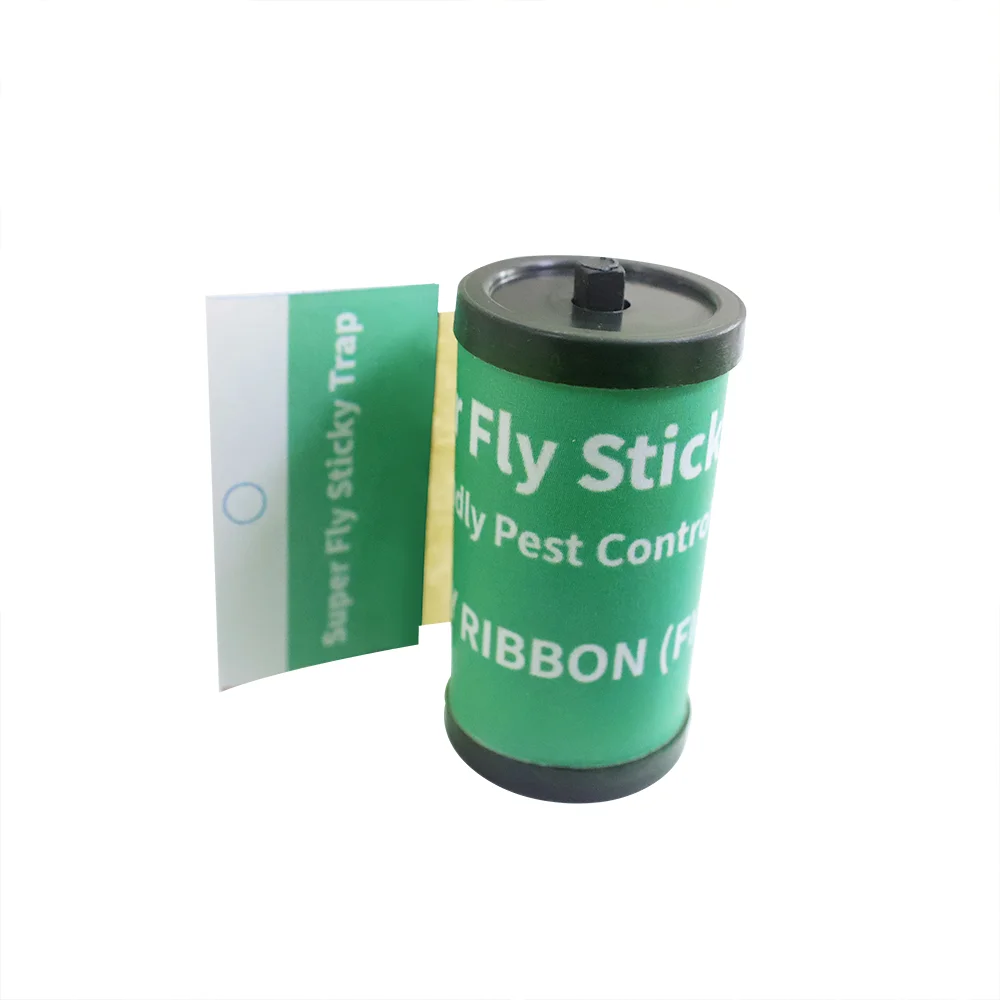
What Is a Sticky Fly Catcher and Why It Matters Worldwide
Sticky fly catchers are simple yet surprisingly effective devices used to trap and control flying insects like flies, gnats, and moths. Though they might sound like humble garage gadgets, their impact reaches far beyond. Globally, managing insect populations improves public health, protects food supplies, and prevents disease spread. Understanding sticky fly catchers isn’t just about waving away buzzing nuisances—it’s about harnessing affordable, sustainable tools that serve homes, farms, and industries alike.
Global Context: Tackling Insect Challenges with Sticky Fly Catchers
Globally, millions of tons of crops perish annually due to insect pests, according to the Food and Agriculture Organization (FAO). Moreover, insects act as vectors for diseases affecting humans and livestock, especially in tropical and subtropical zones. Sticky fly catchers offer an eco-friendly alternative to chemical pesticides, fitting well within modern Integrated Pest Management (IPM) frameworks supported by organizations like the United Nations Environment Programme (UNEP).
The rise of organic farming and stricter pesticide regulations worldwide has led to increasing demand for mechanical trapping solutions. These catchers can significantly reduce fly populations in challenging settings such as refugee camps, rural markets, and food storage facilities.
Mini takeaway: Sticky fly catchers are quietly helping solve big environmental and health issues globally.
Defining the Sticky Fly Catcher
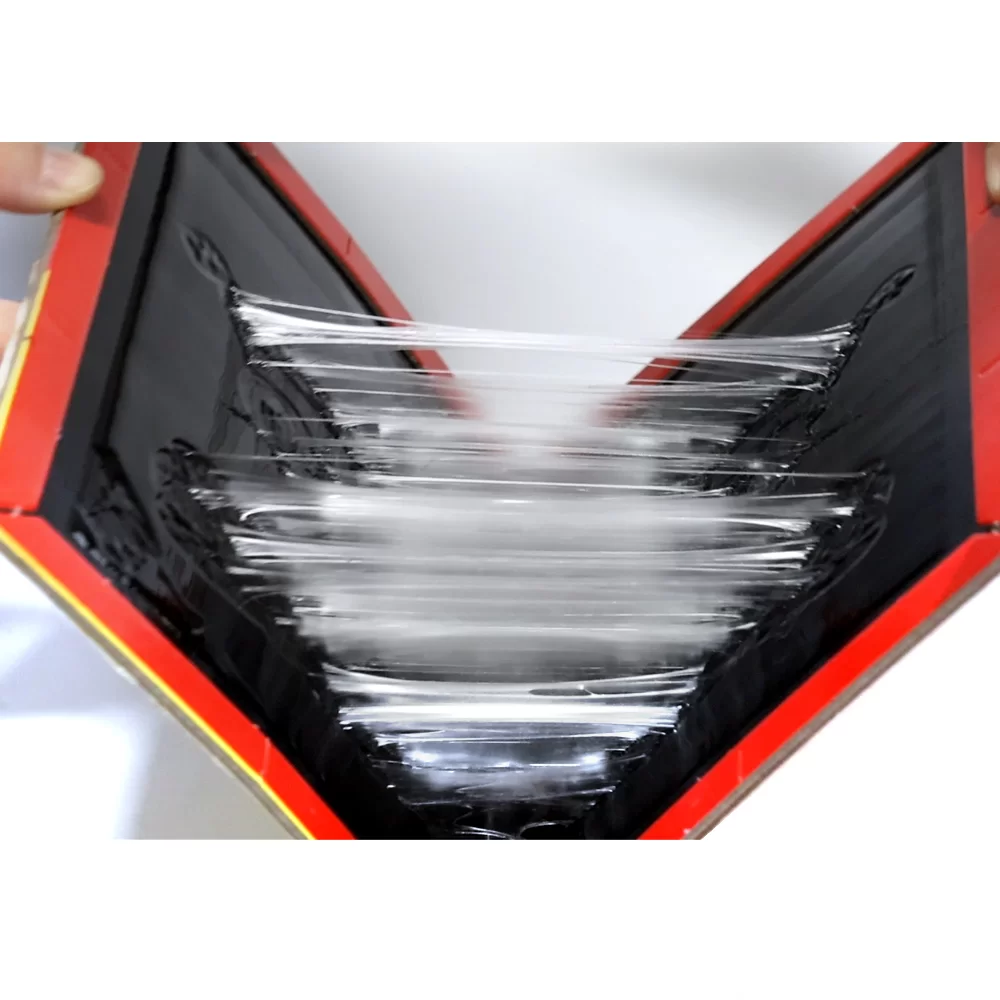
Simply put, a sticky fly catcher is a surface—usually a strip or sheet—coated with a non-toxic adhesive that traps flying insects on contact. They come in various designs: hanging strips for indoor use, flat sheets for windows, or even cylindrical rolls for outdoor settings.
Industrially, these devices serve as passive, chemical-free pest control tools, widely used in food processing plants, warehouses, and agricultural settings. In humanitarian contexts, they provide a low-cost means to control flies that can carry serious diseases in camps and low-resource neighborhoods.
Key Components and Factors of Effective Sticky Fly Catchers
1. Adhesive Quality
The glue needs to be sticky enough to capture insects but safe for humans and pets. Many products now use non-drying, water-resistant adhesives that maintain tackiness for weeks.
2. Durability and Weather Resistance
Outdoor use demands materials that withstand sun, rain, and wind. UV-resistant plastics or paper backings often provide the right balance.
3. Size and Shape
Strips, sheets, and boards come in diverse sizes, optimized for different environments—from tiny kitchens to expansive farms. The choice affects coverage and ease of deployment.
4. Safety and Non-toxicity
Around humans, including children and pets, safety is critical. The best sticky fly catchers avoid harmful chemicals or poisons.
5. Cost Efficiency
They are generally affordable, but long-lasting adhesives and reusable backings enhance overall value — important for large-scale operations or humanitarian use.
Mini takeaway: Choosing the right sticky fly catcher means balancing stickiness, safety, durability, and cost.
Sticky Fly Catchers in Action: Real World Applications
Sticky fly catchers find homes everywhere insects do. Here are some use cases:
- Agriculture: Farmers in Africa and Asia protect produce by deploying sticky traps, reducing pesticide reliance.
- Food Industry: Warehouses and processing plants in Europe use adhesive boards near entrances and waste areas to monitor infestations.
- Humanitarian Settings: Refugee camps in the Middle East deploy sticky fly catchers to reduce the burden of fly-borne diseases like cholera.
- Residential Use: Households rely on sticky strips indoors, especially in warm climates with high fly activity.
In these contexts, sticky fly catchers not only reduce pests but improve sanitation and health outcomes.
Sticky Fly Catcher Product Specification Table
| Feature |
Typical Value / Description |
| Material |
UV-resistant polypropylene backing |
| Adhesive Type |
Non-drying, non-toxic water-based glue |
| Typical Size |
25 cm x 5 cm hanging strips, 30 cm x 40 cm sheets |
| Effective Duration |
Up to 6 weeks per strip/sheet |
| Disposal |
Biodegradable or recyclable options available |
| Price Range (per pack of 10) |
$6 - $15 depending on brand and adhesive technology |
Comparing Leading Vendors of Sticky Fly Catchers
| Vendor |
Adhesive Type |
Product Variety |
Price (10-pack) |
Eco-Friendliness |
| FlyTrap Co. |
Non-toxic synthetic glue |
Strips, sheets, rolls |
$12 |
Recyclable backing |
| EcoCatch Solutions |
Water-based natural adhesive |
Sheets only |
$15 |
Biodegradable materials |
| StickyMasters |
Synthetic adhesive with UV stabilizer |
Strips, boards |
$9 |
Standard plastic backing |
Advantages and Lasting Benefits of Sticky Fly Catchers
The practical benefits are clear: they’re chemical-free, silent, and require zero electricity. For many small businesses and communities, that means pest control without the liability and costs of pesticides. Maintenance is minimal—just replace when clogged or dirty—and the cost advantage compounds over time.
Emotionally, there’s peace of mind knowing your food preparation area or living quarters are less likely invaded by disease-carrying flies. It’s a simple innovation that fosters dignity, health safety, and trust in environments where health resources are minimal or stretched thin.
Mini takeaway: Sticky fly catchers are cost-effective health guardians, quietly making life better.
Emerging Trends & Innovations in Sticky Fly Catcher Technologies
Innovation is brewing, shifting from generic, mass-market products to tailored, high-performance adhesives and environmentally friendlier backings. Some companies explore natural resin adhesives derived from plants, improving biodegradability without sacrificing sticky effectiveness.
Moreover, integration with digital pest monitoring is on the horizon—imagine fly catchers with embedded sensors that alert managers when insect activity spikes, streamlining pest management.
Also noteworthy: policies across Europe and North America push stringent chemical reduction targets, propelling sticky fly catchers into the spotlight as safer, greener alternatives.
Challenges & Smart Fixes in Using Sticky Fly Catchers
Sticky fly catchers aren’t magic bullets. Limitations include reduced efficacy in heavy rain or windy outdoors, and potential non-target catch such as beneficial insects. Also, the adhesive can dry or become ineffective over time in extreme heat.
Experts suggest combining sticky fly catchers with other IPM practices: regular cleaning, waste management, and biological controls. Switching to new adhesive formulas with improved weather resilience also helps.
FAQ: Quick Answers on Sticky Fly Catchers
Q1: How often should I replace sticky fly catcher strips?
A1: Typically, every 4 to 6 weeks, or sooner if covered with insects or dust. Replacement timing depends on environment and fly pressure.
Q2: Can sticky fly catchers be used outdoors?
A2: Yes, but they must be UV-resistant and designed to withstand weather. Outdoor placement should be sheltered from rain for best results.
Q3: Are the adhesives safe for homes with children or pets?
A3: Most commercial sticky fly catchers use non-toxic adhesives safe for household environments. However, placement should avoid direct contact to prevent accidental touching.
Q4: How do sticky fly catchers compare to electric fly zappers?
A4: Sticky fly catchers are silent, chemical-free, and don’t require power, making them cost-effective and safer. Electric zappers sometimes attract non-target insects and produce noise.
Q5: Are sticky fly catchers environmentally friendly?
A5: Many brands now use biodegradable or recyclable materials and non-toxic adhesives. Choosing these ensures minimal environmental footprint.
Conclusion: Why Sticky Fly Catchers Deserve a Spot in Your Pest Control Arsenal
Sticky fly catchers might not look like high-tech equipment, but their impact is profound and global. They combine affordability, safety, and convenience in a package that fits both industrial needs and humanitarian efforts. Whether protecting a rural market in Kenya or a food prep area in Europe, these traps deliver consistently.
For those interested in exploring effective sticky fly catching solutions, check out sticky fly catcher products and experts for the latest innovations and options.
References:
1. Food and Agriculture Organization (FAO) - Insects and Pest Management
2. United Nations Environment Programme (UNEP) - Global Environmental Guides
3. International Organization for Standardization (ISO) - Standards on Pest Control Products