Understanding Solar Panel Bird Mesh: A Practical Solution for Clean Energy and Wildlife Protection
When you think of solar panels, the image that comes to mind is sleek, shiny surfaces soaking up sunlight to power devices and homes. What you might not think about immediately is how vulnerable those panels are to birds—perching, nesting, and sometimes damaging these costly assets. This is where solar panel bird mesh steps in: a clever, often understated, yet vital technology that protects solar installations worldwide. It's a simple idea with big implications, and knowing how and why it matters can save money, energy, and, frankly, a lot of frustration.
In this article, we'll unpack why solar panel bird mesh is crucial globally, what it is exactly, how it works, and where it’s making a difference.
The Global Landscape: Why Bird Protection for Solar Panels Matters More Than Ever
Solar energy has been climbing fast; according to the International Renewable Energy Agency (IRENA), global solar capacity reached roughly 1 terawatt by 2023, sending positive ripples through the green transition. More solar farms mean more surfaces where nature—and birds, in particular—interact with technology.
Birds nesting under solar arrays can lead to soiling, shading, and damage to wiring. Estimates suggest bird-related maintenance and cleaning issues can increase operational costs by up to 20% in some regions. Not only is this costly, but it also undermines the promise of renewable energy efficiency.
Installing solar panel bird mesh presents a straightforward fix—protecting investments while harmonizing with wildlife conservation principles that bodies like the United Nations Environment Programme strongly advocate. In real terms, it’s about making green technology truly sustainable in every dimension.
Breaking It Down: What Is Solar Panel Bird Mesh?
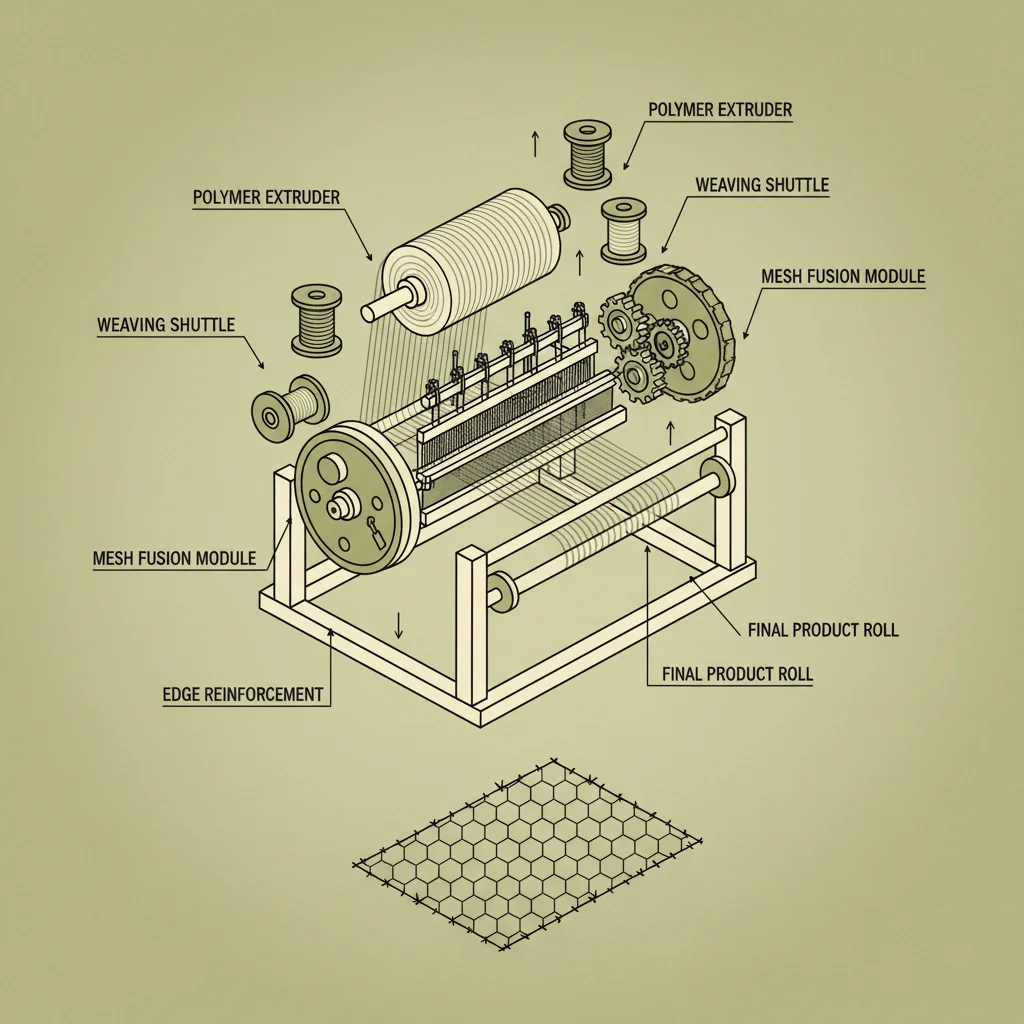
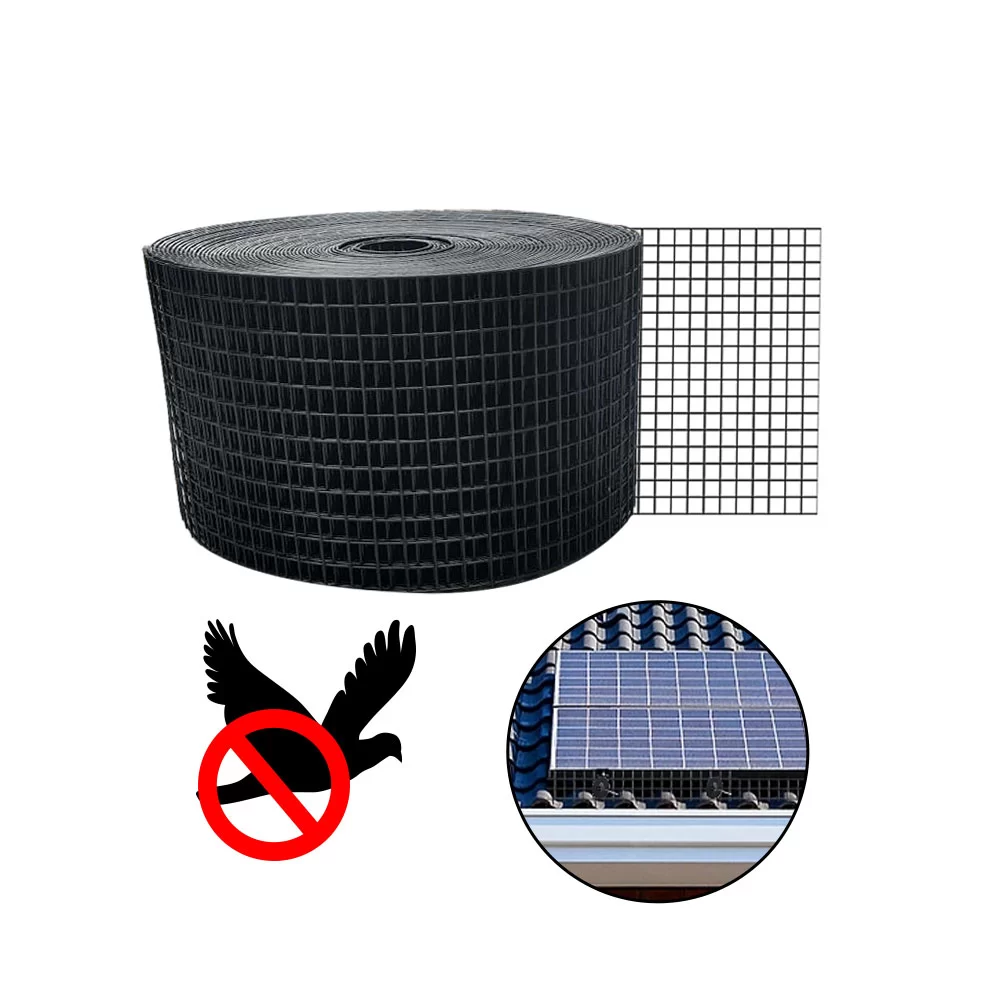
At its core, solar panel bird mesh is a finely woven plastic or metal netting installed around or beneath solar panels. Its job? Keep birds and other small animals from making nests or resting directly on panels—areas where they can cause damage or block sunlight.
Far from being just nylon netting slapped on, modern solar bird mesh is designed to be durable, UV resistant, lightweight, and discreet—integrating with panel mounts and frames in ways that do not interfere with performance.
This simple accessory safeguards clean energy installations from an often-overlooked environmental pressure, bridging technology with ecosystem sensitivity.
Key Factors Shaping Effective Solar Panel Bird Mesh Solutions
1. Durability and Material Composition
Materials like UV-stabilized polyethylene or galvanized stainless steel make the mesh resilient to weather extremes and solar radiation. Since solar plants are often in exposed locations, durability is non-negotiable.
2. Installation Flexibility and Scalability
Mesh solutions come in rolls or custom-cut sheets allowing for easy fitting on varying panel sizes and mounting systems—crucial for projects that might expand or change over time.
3. Environmental Compatibility
Not affecting airflow or bird behavior adversely is important. Some meshes are designed to allow natural drainage and minimize microclimate changes below panels.
4. Cost Efficiency
Given this is often an added expense for solar operators, cost-benefit balance is key. Mesh that lasts longer and reduces maintenance costs quickly becomes a smart investment.
| Specification |
Typical Range |
Notes |
| Material Types |
Polyethylene, PVC-coated steel, Stainless Steel |
UV and corrosion resistance |
| Mesh Size |
5mm to 15mm aperture |
Small enough to prevent bird entry |
| Roll Length |
25–50 meters |
Flexible lengths for large sites |
| Temperature Range |
-40°C to 85°C |
Suitable for diverse climates |
| Lifespan |
8–15 years |
Dependent on material and exposure |
Mini takeaway: High-quality bird mesh is designed to last and protect your solar investment without compromising performance.
Global Applications and Real-World Examples
From solar farms in arid Australia to sprawling rooftop panels in Europe and urban installations in the U.S., the need for bird mesh is universal. In fact, regions with large migratory bird populations, such as the Mediterranean basin and the American Midwest, find it indispensable to avoid costly maintenance caused by nesting activities.
NGOs deploying solar panels for refugee camps are also using bird mesh to ensure the longevity of their installations, protecting critical energy supplies from interference by local wildlife. In industrial zones where cleanliness and equipment uptime are literal business needs, bird mesh improves operational reliability.
Interestingly, some solar plant operators incorporate bird-friendly mesh designs to support sustainability messaging, emphasizing coexistence rather than exclusion.
What Are the Advantages? Why Is Long-Term Value So Important?
- Cost Savings: Reduced cleaning and repair costs lower total lifecycle expenses.
- Operational Efficiency: Maintains optimal power output by preventing shading caused by bird droppings or nests.
- Environmental Impact: Safeguards wildlife without harming birds; some meshes allow safe passage.
- Reputation & Compliance: Helps meet environmental standards and community expectations.
Emotionally, it’s reassuring to see technology and nature work together—this kind of harmony builds consumer trust and a sense of commitment to sustainability. Plus, knowing your solar farm is more resilient feels...well, better.
What’s Next? Emerging Trends and Innovations
Material innovations like biodegradable meshes are slowly entering the market, aiming to reduce plastic waste without sacrificing durability. There’s also a push toward integrating bird mesh with smart monitoring systems—for example, using sensors that detect unwanted animal presence and alert operators in real time.
On the policy front, standards related to habitat preservation around renewable energy sites are tightening, pushing manufacturers and installers to innovate further.
Common Challenges—and How to Overcome Them
One major hurdle is initial installation complexity—poorly installed mesh can cause shading or even dislodge in strong winds. Experts advise partnering with experienced providers who offer clear installation protocols and quality control. Some operators worry about maintenance access but modern meshes are often designed with removable sections for cleaning and repairs.
Cost is another consideration, especially for huge solar farms. However, when weighed against the cost of downtime and repair, it typically pays off.
| Vendor |
Material Options |
Price Range (USD/m²) |
Warranty |
Notable Features |
| EcoMesh Solutions |
Recycled Polyethylene |
$8–$12 |
10 years |
Biodegradable options soon |
| SteelGuard Mesh Co. |
Galvanized Steel, Stainless Steel |
$15–$25 |
15 years |
Heavy-duty, great for harsh climates |
| SunSafe Netting |
UV-Stabilized PVC Mesh |
$10–$18 |
12 years |
Lightweight and flexible |
Frequently Asked Questions About Solar Panel Bird Mesh
Q1: How does solar panel bird mesh affect the efficiency of solar panels?
A1: Properly installed bird mesh is designed to avoid shading or obstructing panels, so it has minimal or no impact on energy production. In fact, by preventing bird droppings and nests on panels, it can maintain or even improve overall efficiency in the long term.
Q2: Can solar panel bird mesh withstand extreme weather?
A2: Yes, most meshes are made from weather-resistant materials like UV-stabilized plastics or coated metals that endure sun, rain, wind, and temperature fluctuations typical at solar sites globally.
Q3: Is solar panel bird mesh safe for birds?
A3: Responsible manufacturers design mesh with apertures sized to prevent birds from entering nesting spaces, while avoiding harm or entrapment. The goal is coexistence, not exclusion or injury.
Q4: What maintenance is required after installing bird mesh?
A4: Maintenance is minimal; periodic checks to ensure mesh integrity and remove debris are sufficient. Some meshes allow easy access to panels for cleaning underneath without full removal.
Mini takeaway: Installing solar panel bird mesh is a low-effort, high-impact investment in your solar system’s longevity and environmental responsibility.
Conclusion: Protect Your Solar Investment and the Wildlife Around It
At the end of the day, solar panel bird mesh might seem like a small piece of the clean energy puzzle—but it’s a piece that quickly pays off. From preventing costly damage to supporting sustainable coexistence with local bird populations, its long-term benefits are undeniable. If you’re managing solar assets large or small, considering this protection is just smart stewardship.
Curious about the best mesh options? Visit our website: solar panel bird mesh for expert advice, product details, and customized solutions designed for your specific needs.
References:
1. International Renewable Energy Agency (IRENA), Renewable Capacity Statistics 2023
2. United Nations Environment Programme, Environmental Management in Renewable Energy Projects
3. ISO 14001 Environmental Management Standards