Understanding the Fly Tape Trap: A Sticky Solution to a Worldwide Problem
It’s funny how something as simple as sticky tape can revolutionize a minor but widespread nuisance: flies. The fly tape trap is deceptively basic yet wildly effective. Globally, these traps help reduce the spread of diseases, improve hygiene standards, and save industries billions in lost productivity. Whether you run a dairy farm in Wisconsin, manage a restaurant kitchen in Paris, or coordinate disaster relief efforts in Africa, understanding this small but mighty tool matters more than you might expect.
Flies are more than just a pesky annoyance. They are vectors for disease, carrying pathogens that affect food safety, livestock health, and human well-being. In a 2022 World Health Organization report, poor sanitation facilitated by insects like flies accounted for millions of diarrheal disease cases worldwide. A cheap, chemical-free tool like the fly tape trap addresses this root problem sustainably.
Mini takeaway: Fly tape traps aren’t just sticky strips; they’re frontline defenders in global sanitation and health safety.
Global Context: Why Fly Tape Traps Matter Everywhere
Flies thrive in warm, humid conditions and congregate where waste and food waste accumulate. According to FAO data from 2021, global food loss due to pest contamination can reach up to 40% in some developing regions. With increasing urbanization and climate change, fly populations are expanding into new territories, posing growing risks to food security and hygiene.
Many industries — food processing, hospitality, agriculture — battle fly infestations daily. It’s not just about comfort; it’s regulatory compliance and consumer safety. Fly tape traps provide a non-toxic, energy-free method of control where chemical alternatives may be too expensive, unavailable, or harmful. In humanitarian settings too — refugee camps or post-disaster shelters — keeping flies at bay can prevent disease outbreaks.
What Exactly Is a Fly Tape Trap?
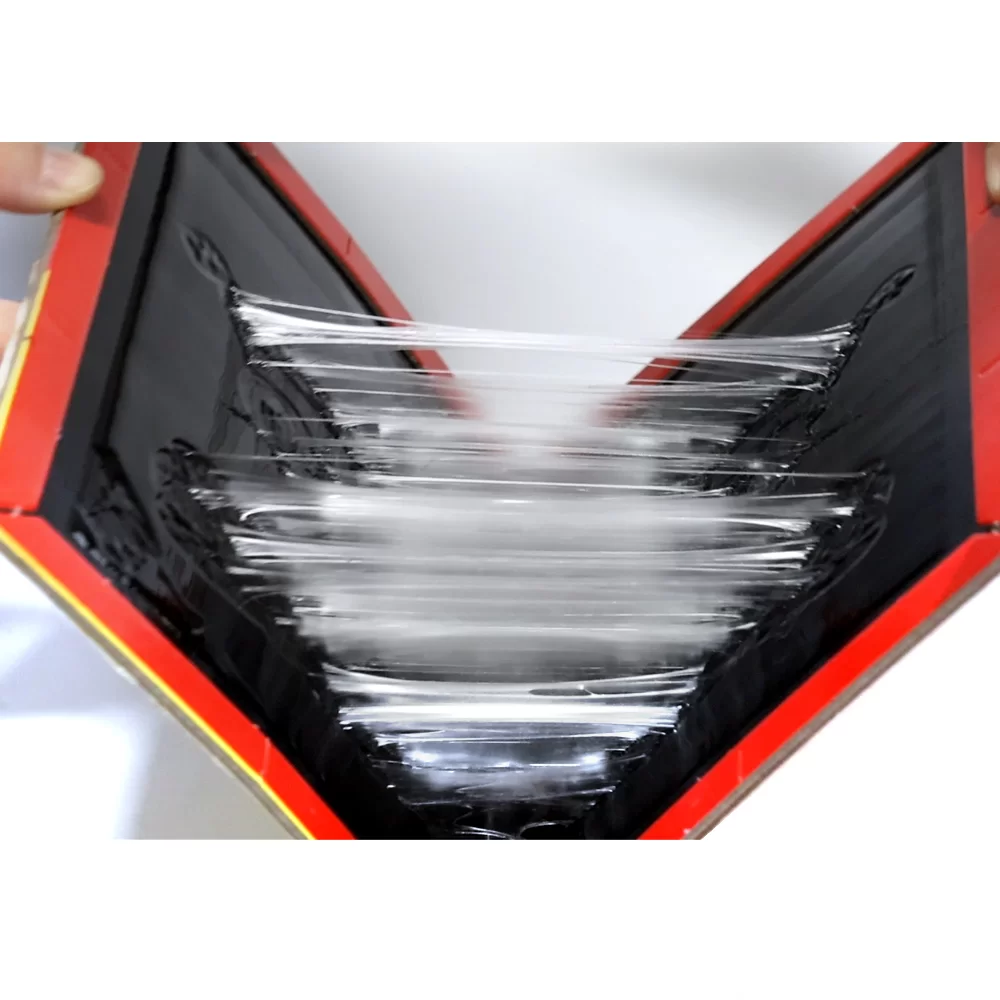
Simply put, a fly tape trap is a strip of adhesive material designed to attract and catch flies and other flying insects. It’s usually coated with a sticky adhesive on one or both sides, sometimes enhanced by attractants like floral scents or pheromones.
The beauty of fly tape traps lies in their simplicity. No electricity, no chemicals, just sticky surfaces that trap insects as they land. This makes them perfect for use indoors and outdoors in a variety of environments — from commercial kitchens to livestock barns.
In today’s modern industry and public health arenas, fly tape traps embody a low-tech but highly effective pest control method. They fill the niche between chemical pesticides and labor-intensive sanitation, offering an easily deployable, eco-friendly tool.
Core Components That Make a Fly Tape Trap Work
1. Adhesive Quality
Stickiness is obviously key. Most modern fly tapes use natural or synthetic tacky resins that maintain stickiness despite dust, moisture, or prolonged exposure. Too sticky, and they become a hassle; too weak, and flies escape.
2. Attractants and Scent
Many products enhance stickiness with biological attractants mimicking food sources or the smell of decay to lure flies in naturally. Oddly enough, some attractants also deter beneficial insects, so research on this balance is ongoing.
3. Durability and Weather Resistance
While many fly tapes are for indoor use, outdoor variants resist UV rays, rain, and wind without losing effectiveness for weeks.
4. Size & Shape
Tape length, width, and form factor affect where and how you hang or deploy them. Slim tapes suit narrow doorways or vents; larger sheets handle warehouse areas. Some designs roll up for storage convenience.
5. Safe Materials
Since these traps often hang near food or people, non-toxic adhesives and biodegradable backing materials get increasing attention. Sustainable fly tape traps are definitely trending now.
Mini takeaway: The sticky science is more nuanced than you might guess — it’s about balancing lure, stick, and durability in real-world conditions.
Versatile Real-World Uses of Fly Tape Traps
In retail and food production facilities, fly tape traps are part of comprehensive pest control programs to meet strict health codes. In livestock farms, they reduce fly-borne diseases like mastitis, improving animal welfare and milk quality.
Emergencies often highlight their value. In refugee camps, NGOs use thousands of fly tape traps to reduce flies rapidly where sanitation infrastructure is limited. Similarly, restaurants in tropical climates deploy them daily to guard against fly contamination without chemical sprays that might taint flavors.
| Specification |
Details |
| Tape Size |
24 inches long × 3 inches wide |
| Adhesive Type |
Non-toxic, natural resin-based adhesive |
| Attractant |
Floral scent with pheromone enhancers |
| Shelf Life |
Up to 24 months sealed, 30 days once hung |
| Environmental Resistance |
Indoor use; limited outdoor UV/water resistant version |
| Packaging |
Rolls of 10-50 strips, individually wrapped |
Why Choose Fly Tape Traps? The Advantages and Value
- Cost-Effective: Affordable upfront, minimal maintenance, no electricity.
- Eco-Friendly: Chemical-free, biodegradable options exist, safe around kids and pets.
- Easy Deployment: Hang or place anywhere; no special skills or tools needed.
- Improved Hygiene: Helps reduce bacterial contamination by controlling flies.
- Reliable: Works continuously for weeks, needing only periodic replacement.
From a social perspective, fly tape traps restore dignity in sensitive environments like refugee camps or children’s hospitals. They’re an elegant piece of low-tech innovation in a world chasing high-tech solutions.
Future Trends: Technology Meets Tradition
There is ongoing research into biodegradable backing materials made of plant fibers to reduce waste. Some companies are experimenting with digital sensors embedded into strips to monitor fly catches in real-time — an IoT approach that sounds fancy but promising.
Smart traps could integrate with pest management software, alerting facility managers the moment fly counts spike. This blend of tradition and innovation may well be the next big step for this sticky little hero.
Challenges and How Experts Overcome Them
Admittedly, fly tape traps have limitations. They can get covered in dust or dirt, reducing adhesive performance. Tough environments with heavy rain or wind require specialized outdoor designs. Sometimes, flies simply avoid them if the attractant is weak or not suited to local species.
Experts recommend combining fly tapes with rigorous sanitation, fly-proof screens, and occasional chemical controls where safe. Rotation of attractants and changing locations keeps flies from learning to avoid traps, ensuring sustained effectiveness.
Vendor Comparison: Leading Fly Tape Trap Providers
| Feature |
StickyCatch Pro |
EcoTrap Plus |
FlyAway Ultra |
| Adhesive |
Synthetic resin, strong tack |
Natural, biodegradable resin |
Synthetic, UV resistant |
| Attractants |
Floral + pheromones |
Organic floral extract |
No added scent |
| Outdoor Use |
Limited |
Yes, weather-resistant |
Yes, UV and rainproof |
| Price |
$$ |
$$$ |
$ |
| Ideal For |
Restaurants, food plants |
Eco-conscious farms, schools |
Warehouses, industrial sites |
Frequently Asked Questions About Fly Tape Traps
Q1: How often should fly tape traps be replaced?
A: Typically, fly tape traps remain effective for about 3-4 weeks depending on fly activity and environmental conditions. Replace sooner if the tape becomes full of insects, dust, or loses stickiness.
Q2: Are fly tape traps safe to use near food?
A: Yes! Most fly tape traps use non-toxic adhesives and attractants safe around food preparation areas. Still, keep them positioned away from direct contact with food.
Q3: Can fly tape traps control other insect pests?
A: Primarily designed for flies and small flying insects, some fly tapes catch gnats and fruit flies too. For larger or crawling insects, consider complementary pest control methods.
Q4: Do fly tape traps have environmental impacts?
A: While traditional fly tape backings are plastic-based, eco-friendly biodegradable options are increasingly available, reducing environmental footprint significantly.
Q5: Can fly tape traps be used outdoors?
A: Yes, but select traps with weather-resistant coatings designed for outdoor use to maintain efficacy under sun and rain exposure.
Wrapping Up and Next Steps
In real terms, the fly tape trap is an elegant example of how simple technology still plays a crucial role in global health, food safety, and everyday comfort. It’s affordable, effective, and evolving with new eco-friendly materials and connectivity. If you’re considering adding this unsung hero to your pest control arsenal, check out reliable products and guides on fly tape trap.
Trust me, once you see how many flies a sticky strip can catch, you’ll wonder why it took so long to consider such a straightforward fix.
References:
- WHO - Diarrhoeal Disease Fact Sheet
- FAO - Food Loss and Waste
- Wikipedia: Fly Tape