Moth Sticky Traps: Why They Matter and What You Should Know
Moth sticky traps might sound like something only pest control specialists worry about, but the truth is, these simple devices play a surprisingly vital role in global agricultural health, ecological research, and even humanitarian efforts. Whether you're a farmer trying to monitor pest populations or an environmentalist working to protect endangered species of moths, understanding the benefits and capabilities of moth sticky traps has far-reaching consequences. Essentially, they're an eco-friendly, low-cost way to capture and study moths, reducing pesticide use while giving vital insights into local ecosystems.
Why Are Moth Sticky Traps Gaining Worldwide Attention?
Across continents, moth sticky traps have become a critical tool in addressing agricultural losses. According to the Food and Agriculture Organization (FAO), pests damage up to 20-40% of global food crops each year — and moth species are responsible for significant shares of that damage. Yet indiscriminate pesticide use risks environmental harm and human health issues, so better pest monitoring methods have become a priority.
Sticky traps, specifically those designed to lure and capture moths, allow farmers and scientists to track pest populations more precisely and intervene more sustainably. They’re widely used in regions vulnerable to food insecurity, where chemical use is either restricted or undesirable. For example, the United Nations’ Sustainable Development Goals emphasize integrated pest management (IPM), and moth sticky traps fit perfectly into this approach.
Oddly enough, these traps also support biodiversity studies in forests across Europe and Asia, helping track shifts in moth populations as climate changes — a quiet, underappreciated part of global environmental monitoring.
What Exactly Are Moth Sticky Traps?
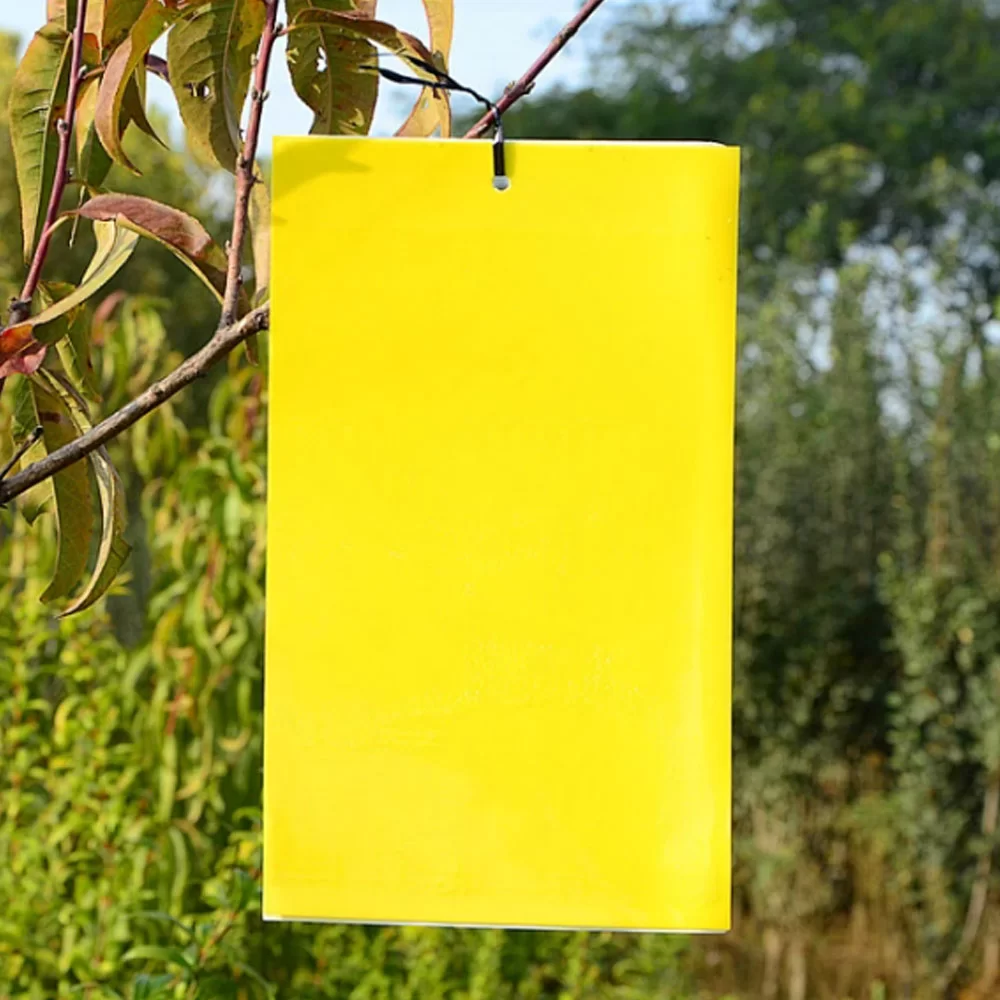
In simple terms, a moth sticky trap is a panel or card coated with a glue-like adhesive that captures moths when they land on it. These traps often come colored or scented with pheromones that specifically attract particular species of moth pests. The sticky surface prevents escape, allowing researchers or farmers to count and identify moth catches easily.
While they sound basic, moth sticky traps reflect a clever intersection of biology and materials science — deploying selective luring mechanisms and adhesives that retain tackiness but resist environmental degradation. In the modern agricultural industry, they align with humane pest control and ecological balance, much preferred over widespread pesticide spraying.
Core Components of Moth Sticky Traps
- Adhesive Quality: The glue needs to be strong enough to hold moths despite wind or rain, without drying out quickly.
- Attractant Types: Many traps use species-specific pheromones, but others may use UV-reflective colors or sweet scents.
- Durability & Weather Resistance: Traps often need to function outdoors for weeks, resisting sun, rain, and dust.
- Ease of Deployment: Lightweight and simple designs allow for quick setup across large fields or forests.
- Environmental Safety: Non-toxic materials make disposal safe around crops and wildlife.
Each component ensures moth sticky traps aren’t just functional, but practical for real-world challenges.
Mini takeaway:
These traps are deceptively simple yet finely tuned tools enabling sustainable pest management and ecological monitoring — all in one.
Global Use and Real-World Impact of Moth Sticky Traps
In practical terms, moth sticky traps have found a home everywhere — from rice paddies in Southeast Asia to grape vineyards in Southern Europe. In parts of Africa and Latin America, NGOs distribute moth sticky traps to rural farmers to reduce crop loss while managing pesticide risks.
One intriguing use case comes from post-disaster zones where food sovereignty is fragile. After the 2015 earthquake in Nepal, moth sticky traps were part of agricultural aid kits, helping communities monitor pest outbreaks triggered by disrupted crop cycles. In industrial zones, such as the Californian Central Valley, integrated pest management programs heavily rely on such traps to reduce chemical spraying — cutting costs and pollution simultaneously.
Even large-scale commodity producers, like grain cooperatives in Canada, use moth sticky traps to detect invasive moth species early and protect exports. It's a neat illustration of how these simple devices underpin complex food systems worldwide.
A look at product specifications
| Feature |
Typical Value |
Notes |
| Trap Size |
22 x 14 cm (approx.) |
Standard card size for easy handling |
| Adhesive Type |
High tack, weather-resistant glue |
Maintains stickiness for 4+ weeks outdoors |
| Attractant |
Species-specific pheromone pellet |
Replaceable, allows targeting different moths |
| Environmental Impact |
Non-toxic, biodegradable materials |
Safe for farmers and nearby fauna |
| Weather Resistance |
UV resistant coating |
Protection from sunlight degradation |
Advantages and the Long-Term Value of Using Moth Sticky Traps
- Cost Efficiency: They’re cheap to produce and replace — a far more affordable option than repeated pesticide applications.
- Environmental Sustainability: By reducing chemical use, they help safeguard soil health, water quality, and non-target species.
- User Safety: Nobody gets exposed to hazardous sprays; farmers feel safer and more in control.
- Data Precision: Traps give quantifiable data, allowing timely, targeted pest control rather than guesswork.
- Community Trust: Over time, farmers and agricultural workers come to rely on sticky traps as an accessible technology.
Emotionally, many users speak about the “peace of mind” these traps provide — a quiet little victory in the daily struggle against crop loss. In contrast to heavy chemicals that stir fear or resistance, sticky traps feel low-tech but empowering.
Emerging Trends and Innovations in Moth Sticky Trap Technology
There's some exciting innovation happening: adhesive formulas are becoming more durable using bio-based materials, and some companies are integrating smart sensors to detect and report catches remotely. Imagine a future where a farmer in a remote village receives a simple alert on their phone when moths spike — talk about digital transformation!
Furthermore, the integration of green energy (like solar-powered pheromone dispensers) and biodegradable trap materials are pushing these tools even closer to zero environmental impact. The insect monitoring space is also seeing miniaturized cameras and AI-driven species recognition, which could revolutionize how traps are used.
Common Challenges with Moth Sticky Traps — and How Experts Are Tackling Them
Despite their utility, moth sticky traps are not perfect. Weather factors can reduce effectiveness; sticky glue can dry out, or non-target insects clog traps. Also, identifying pest species from trapped moths requires some expertise.
Experts encourage regular trap rotation, use of multiple lure types, and proper training to maximize efficiency. New designs with protective covers or adhesive refreshers aim to reduce environmental wear-and-tear. Plus, community training sessions are critical — technology alone isn’t enough.
Vendor Comparison of Moth Sticky Trap Brands
| Brand |
Attractant Options |
Adhesive Durability |
Eco-Friendliness |
Price Range (USD) |
| EcoTrap Co. |
Multiple pheromone blends |
4 weeks outdoor |
Biodegradable base |
$0.80 - $1.50 |
| GreenGuard |
UV color + pheromone combo |
6 weeks outdoor |
Non-toxic adhesive |
$1.10 - $2.00 |
| PheroSense |
Custom pheromone blends |
5 weeks outdoor |
Limited biodegradability |
$1.00 - $1.80 |
FAQ: Frequently Asked Questions About Moth Sticky Traps
1. How long do moth sticky traps typically last outdoors?
Most high-quality moth sticky traps remain effective for about 4 to 6 weeks depending on weather conditions. UV-resistant coatings and durable adhesives extend lifespan, but heavy rain or extreme heat can reduce stickiness faster.
2. Can moth sticky traps catch non-target insects or beneficial species?
Yes, sometimes other insects are caught, but species-specific pheromones and the trap design minimize this. To protect beneficial insects, it’s best to place traps strategically and monitor regularly.
3. Are moth sticky traps reusable or single-use?
Generally, they are single-use. Once full or after adhesive wears off, traps should be replaced. Some manufacturers offer refill pheromone pellets to extend trap use somewhat.
4. How do I dispose of used moth sticky traps safely?
Dispose of them in regular waste unless the pesticide or pheromones used dictate special disposal. Because most use non-toxic, biodegradable materials, environmental impact is minimal.
5. Can I use moth sticky traps indoors?
Yes, they work indoors for monitoring moth infestations in storage or homes, but be cautious of adhesive damage to surfaces. Smaller, indoor-specific traps are available for these settings.
Wrapping Up: Why Moth Sticky Traps Are Here to Stay
There’s something quietly satisfying about a technology that’s simple yet effective. Moth sticky traps remain a cornerstone of smart pest management and ecological research worldwide, blending affordability, sustainability, and practical sensibility. As trends move toward greener agriculture and smarter monitoring, these traps will only grow in importance.
If you’re interested in exploring more about pest management tools or moth sticky traps, we highly encourage visiting our website. There you’ll find product ranges, expert advice, and support tailored to various needs — from hobby gardeners to large-scale farm operators.
References
- Food and Agriculture Organization (FAO)
- Integrated Pest Management - Wikipedia
- United Nations — Sustainable Development Goals