Understanding the Prickle Strip Cat Deterrent: What It Is and Why It Matters Globally
At first glance, the concept of a prickle strip cat deterrent might seem niche—or even quirky. But lean in for a moment. This simple but clever invention plays a surprisingly vital role worldwide in managing urban wildlife, protecting property, and even supporting responsible pet guardianship. As cities sprawl and ecosystems overlap, the need for humane, effective, and non-lethal animal deterrents is growing. Understanding how prickle strips work and their broader implications can save costs, reduce community tensions, and promote better coexistence between humans and nature.
Mini takeaway: Prickle strip cat deterrents are key tools in humane animal management with global relevance thanks to urbanization and wildlife conflicts.
The Global Context: Why Prickle Strip Cat Deterrents Are Gaining Ground
The United Nations reports rapid urban growth, with over 68% of the world’s population projected to live in urban areas by 2050 (UN DESA, 2018). This surge means humans and animals share spaces more than ever—leading to conflicts, especially with neighborhood cats. These cats venture into gardens and buildings, sometimes causing damage or health concerns.
Traditional deterrents—noise makers, chemical repellents, or harsh physical barriers—often fail to balance effectiveness with ethical treatment. Enter the prickle strip cat deterrent, offering a non-lethal, reusable, and often low-cost solution to discourage cats from trespassing without harm.
From Tokyo’s busy rooftops to suburban European parks, such devices are seen as part of smart urban wildlife control strategies recommended by ISO 10993 standards for environmental safety in animal deterrents.
Mini takeaway: Urban sprawl intensifies human-animal conflicts, and prickle strip cat deterrents respond to this rising global challenge humanely and effectively.
What Is a Prickle Strip Cat Deterrent?
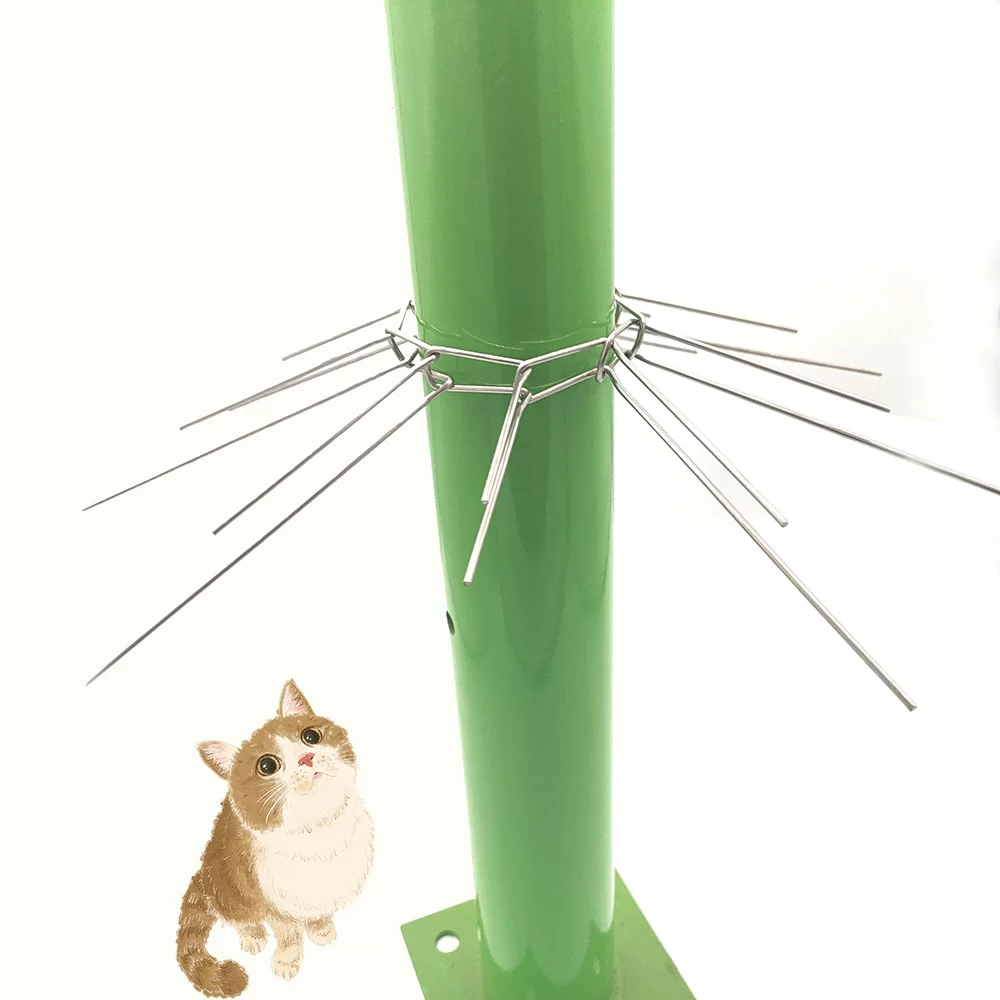
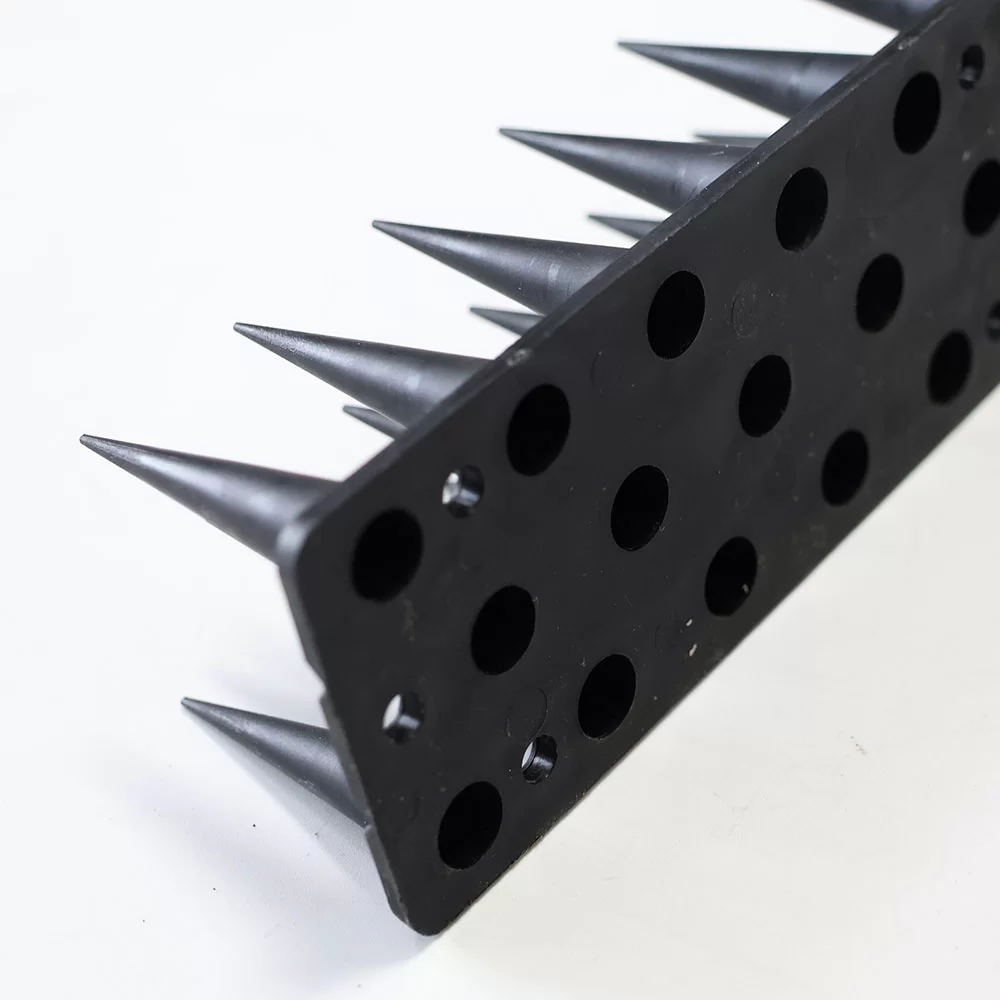
In plain terms, a prickle strip cat deterrent is a physical barrier made up of small, rounded plastic or rubber spikes arranged on strips that are placed on surfaces where cats might jump, sit or scratch. The spikes aren’t sharp enough to cause injury but uncomfortable enough to encourage cats to move on. Think of it as a tactile “do-not-enter” signal for felines.
Hardly just a DIY nuisance device, prickle strips fit into a modern paradigm of ethical animal deterrents—ones aiming to protect both property and animal welfare. Urban management teams, cat shelters, and even private homeowners rely on these strips as an alternative to trapping or harsher methods.
Mini takeaway: Prickle strip cat deterrents combine practicality with ethical animal management, offering gentle but firm boundaries.
Core Components That Make Prickle Strip Cat Deterrents Work
1. Durability
These strips need to withstand weather extremes—scorching sun, heavy rain, or even snow—without cracking or bending. Materials like UV-stabilized polypropylene or flexible rubber ensure longevity, which saves money over time and prevents gaps cats can exploit.
2. Scalability
One of the best things about prickle strips is how easily you can adapt the length and placement. Need to protect a narrow ledge or a sprawling rooftop? You can link multiple strips or cut them to size, giving versatility unmatched by fixed fences.
3. Cost Efficiency
Compared to electronic deterrents or repeated chemical treatments, the upfront cost is modest, and maintenance is minimal. For municipalities and homeowners alike, this spells savings—and fewer resources spent chasing unwanted feline visitors.
4. Safety and Humane Design
The bumps are blunt, never sharp—meeting ISO 10993 standards for biological safety. Cats experience a mild discomfort but are not harmed, lowering ethical concerns and avoiding animal welfare controversies.
5. Ease of Installation
Typically secured with adhesive strips or screws, these deterrents take minutes to install—no specialized expertise required. This quick deployment is a plus for busy property managers or community animal control efforts.
Typical Product Specifications for Prickle Strip Cat Deterrents
| Feature |
Typical Value |
Notes |
| Material |
UV-Stabilized Polypropylene / Flexible Rubber |
Weather resistant and non-toxic |
| Strip Length |
Typically 30-60 cm per strip |
Connectable for longer runs |
| Spike Height |
10-15 mm |
Blunt tips, no sharp edges |
| Installation |
Adhesive backing, screws, or zip ties |
Varies by surface and brand |
| Average Lifespan |
3-5 years |
Depending on exposure |
Mini takeaway: Durability, cost-efficiency, and easy installation are the pillars behind prickle strips’ widespread appeal.
Where Prickle Strip Cat Deterrents Are Making a Difference Worldwide
Already, various stakeholders across continents put prickle strip deterrents to good use:
- Urban municipalities in Europe: Use strips on ledges and windowsills to reduce feral cat nuisances.
- Animal welfare NGOs in Australia: Incorporate prickle strips in shelters to protect animals from stressful intrusions.
- Private homeowners in North America: Deploy strips to safeguard garden beds and decks from neighborhood cats.
- Industrial zones in Asia: Keep equipment free from cat damage, particularly on sensitive electrical infrastructure.
For example, a shelter in Lisbon reported a 40% reduction in cat gatecrashes after installing prickle deterring strips along rooftops. Notably, this method avoided the backlash other harsher measures encountered.
Mini takeaway: From homes to industrial settings, prickle strips suit a spectrum of environments—and they work.
Long-Term Benefits of Using Prickle Strip Cat Deterrents
If you ask property managers, several advantages stand out:
- Sustainability: Reusable parts generate less waste than constant pesticides or trap replacements.
- Social harmony: Reduces complaints and conflicts with neighbors and animal lovers.
- Safety and welfare: Avoids injury risk to cats and maintains humane standards.
- Cost savings: Lower maintenance and installation costs over years.
Psychologically, it also helps owners feel they're doing right by animals—no one likes to think they’re the “bad guy” sending pets away, after all. This emotional layer sometimes tips the scales when people debate deterrent options.
Mini takeaway: Effective deterrence doesn’t have to sacrifice kindness or cost-effectiveness—prickle strips balance all these factors neatly.
Trends and Innovations in Prickle Strip Cat Deterrent Technology
The industry behind animal deterrents is quietly evolving:
- Eco-friendly materials: Biodegradable polymers replacing plastics.
- Adaptive designs: More ergonomic strips that blend aesthetically with architecture.
- Smart deterrents integration: Adding sensors for animal detection combined with prickle texture reinforcement.
- Automation: Modular systems for rapid deployment in urban renewal projects.
It’s fascinating to imagine a future where these quiet strips become an integral part of smart city wildlife management—part of a broader digital ecosystem aiming at humane coexistence.
Mini takeaway: Innovation is making prickle strip deterrents more sustainable, smarter, and user-friendly.
Overcoming Challenges with Prickle Strip Cat Deterrents
But of course, no solution is perfect. Common challenges include:
- Initial aesthetics: Visible strips sometimes clash with architectural design, though new colors and shapes help.
- Temporary pique: Some cats may adapt to or ignore strips if unaccompanied by other deterrents.
- Installation hurdles: Adhesion issues on rough or painted surfaces.
Experts recommend pairing prickle strips with scent deterrents or owner training to create a multi-layered strategy. Regular inspection and replacement also help keep deterrents effective for longer.
Mini takeaway: Combine, adapt, and maintain for best results—no deterrent is one-size-fits-all.
Prickle Strip Cat Deterrent FAQs
Q: How safe are prickle strips for cats?
A: Designed with blunt tips, prickle strips create discomfort without injury. They meet international safety standards and are considered humane compared to chemical or trapping methods.
Q: Can prickle strips be used outdoors year-round?
A: Yes, most strips are made from weather-resistant materials and withstand sun, rain, and cold. UV-stabilized versions last longer in harsh climates.
Q: Will cats get used to prickle strip deterrents?
A: Some may try to adapt, but combining strips with behavioral deterrents reduces the risk. Regular repositioning also keeps the environment unpredictable.
Q: How easy is installation?
A: Very easy. Most can be installed with adhesive backing or screws without professional help. It usually takes minutes for small applications.
Q: Are prickle strips environmentally friendly?
A: Many manufacturers now use recyclable or biodegradable materials, minimizing environmental impact compared to chemical deterrents.
Vendor Comparison: What to Look For When Buying Prickle Strip Cat Deterrents
Leading Prickle Strip Vendors
| Vendor |
Material Quality |
Price Range |
Installation Ease |
Eco-friendliness |
Warranty |
| SafePaws |
High-grade rubber |
$$ |
Adhesive strips included |
Recyclable material |
2 years |
| UrbanGuard |
UV stabilized polypropylene |
$$$ |
Requires screws |
Limited recycled content |
3 years |
| EcoStrip |
Biodegradable polymer |
$$$ |
Easy peel-and-stick |
Biodegradable & compostable |
1 year |
Mini takeaway: When selecting, weigh material type, installation method, and environmental credentials carefully—your context matters.
Wrapping Up: Why Choose Prickle Strip Cat Deterrents?
All in all, the humble prickle strip cat deterrent is much more than a spiky band of plastic. It’s an elegant, humane, and flexible solution that can help communities and property owners build better boundaries without cruelty or heavy costs. As urban environments continue evolving, these deterrents are quietly carving out a crucial niche—where coexistence is possible, practical, and proactive.
Interested in exploring the options or learning more? Visit our website: prickle strip cat deterrent for detailed products, expert advice, and custom solutions.
References
- United Nations, World Urbanization Prospects (2018)
- Wikipedia: Animal Deterrents
- ISO 10993 – Biological evaluation of medical devices