The Sticky Truth: Why Fly Sticky Tape Matters More Than Ever
When you hear fly sticky tape, you might picture a simple roll of sticky paper hanging by a kitchen window to catch annoying flies. But this unassuming product quietly plays a global role beyond the household nuisance—a remarkably effective and eco-friendly solution for hygiene and pest control in settings from agribusiness to humanitarian aid. Understanding fly sticky tape reveals not only a practical innovation but also an intersection of health, sustainability, and economical pest management that’s especially vital worldwide.
In a nutshell: fly sticky tape offers a chemical-free, low-cost way to trap flies and reduce the spread of diseases and crop damage associated with these pests. That matters to farmers, health workers, and everyday people alike.
Global Context: The Surprising Reach of Fly Sticky Tape
Flies are more than just pesky—they’re vectors for illnesses that afflict millions globally. According to the World Health Organization (WHO), diseases transmitted by flies cause significant morbidity in tropical regions, often where healthcare access is limited.
Meanwhile, food waste caused by flies equates to millions of dollars lost in agriculture and food production annually, impacting economies that rely heavily on farming. A seemingly humble product like fly sticky tape becomes a frontline defense in many such scenarios.
Oddly enough, the challenge fly sticky tape addresses isn’t just about bugs—it's about improving sanitation, protecting food security, and sometimes saving lives, such as in refugee camps or remote clinics.
What Exactly Is Fly Sticky Tape?
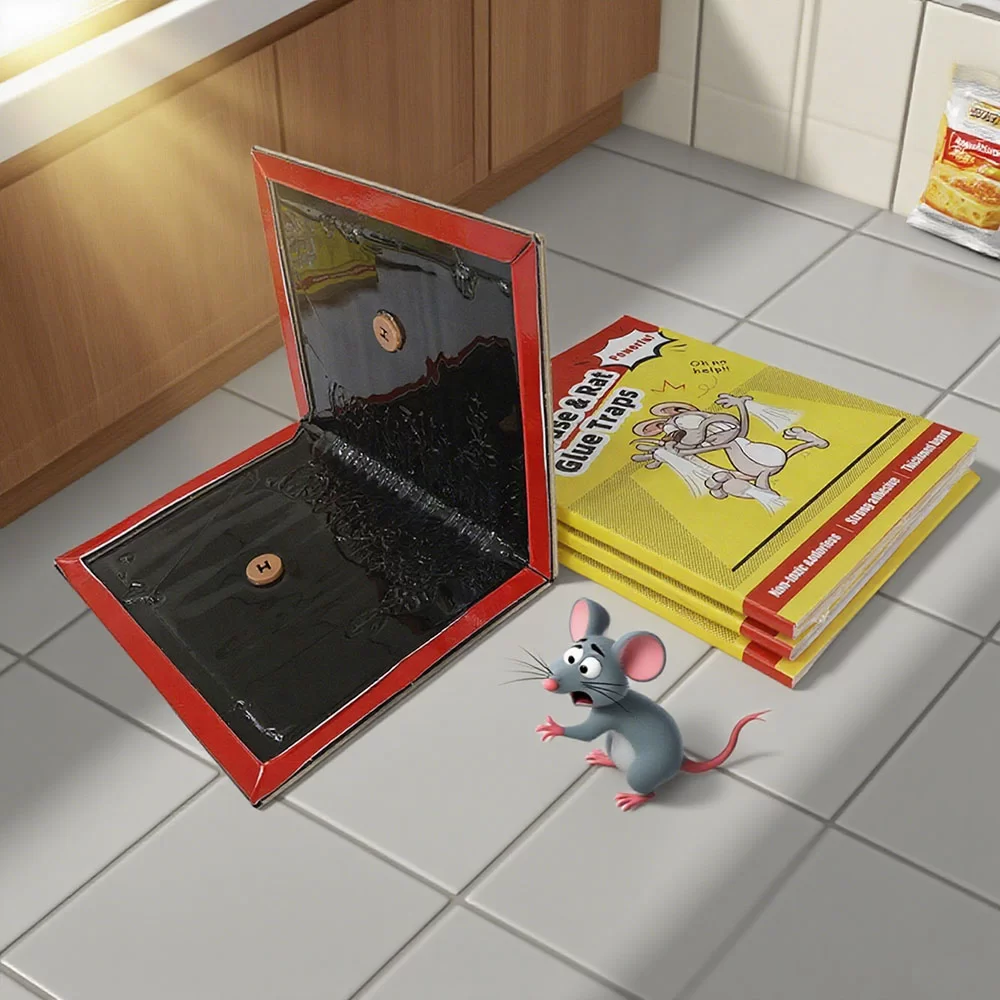
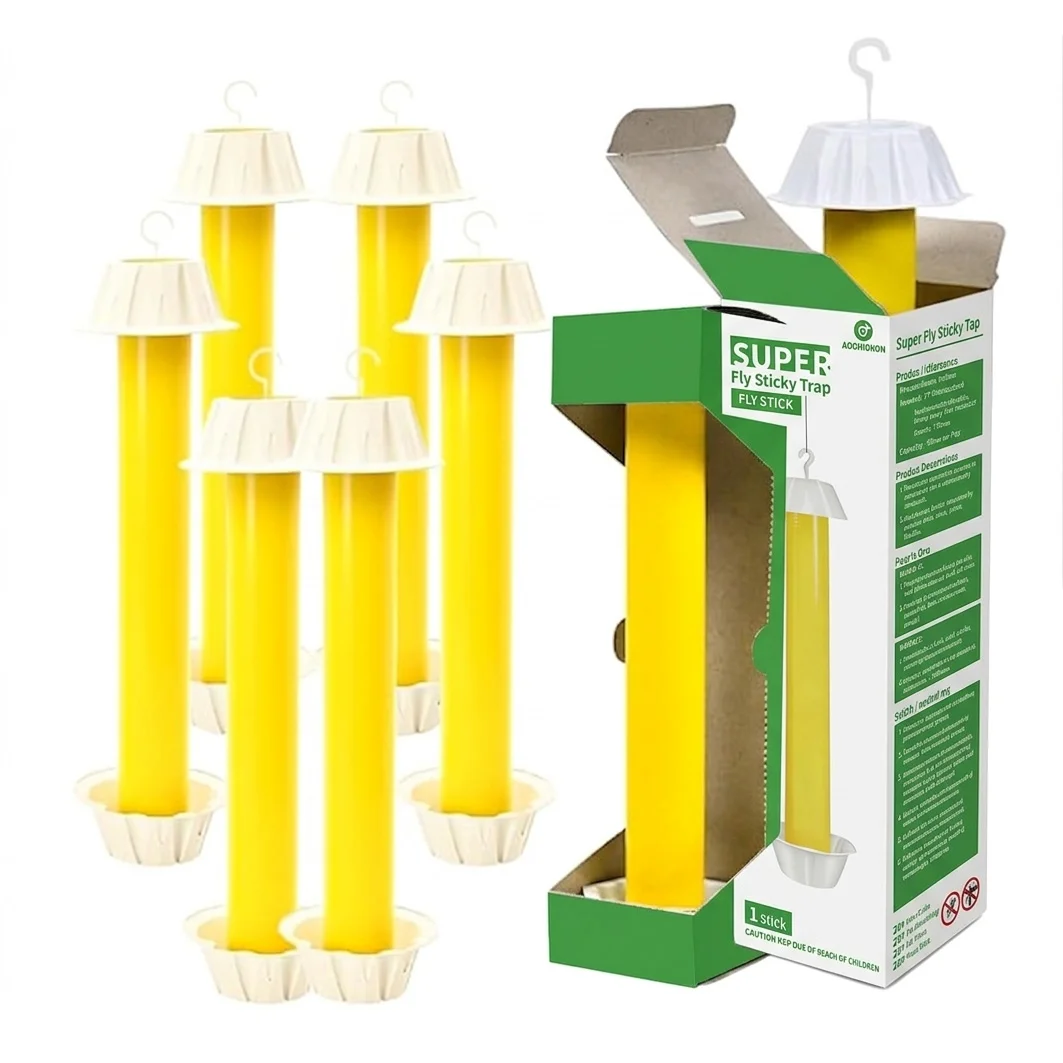
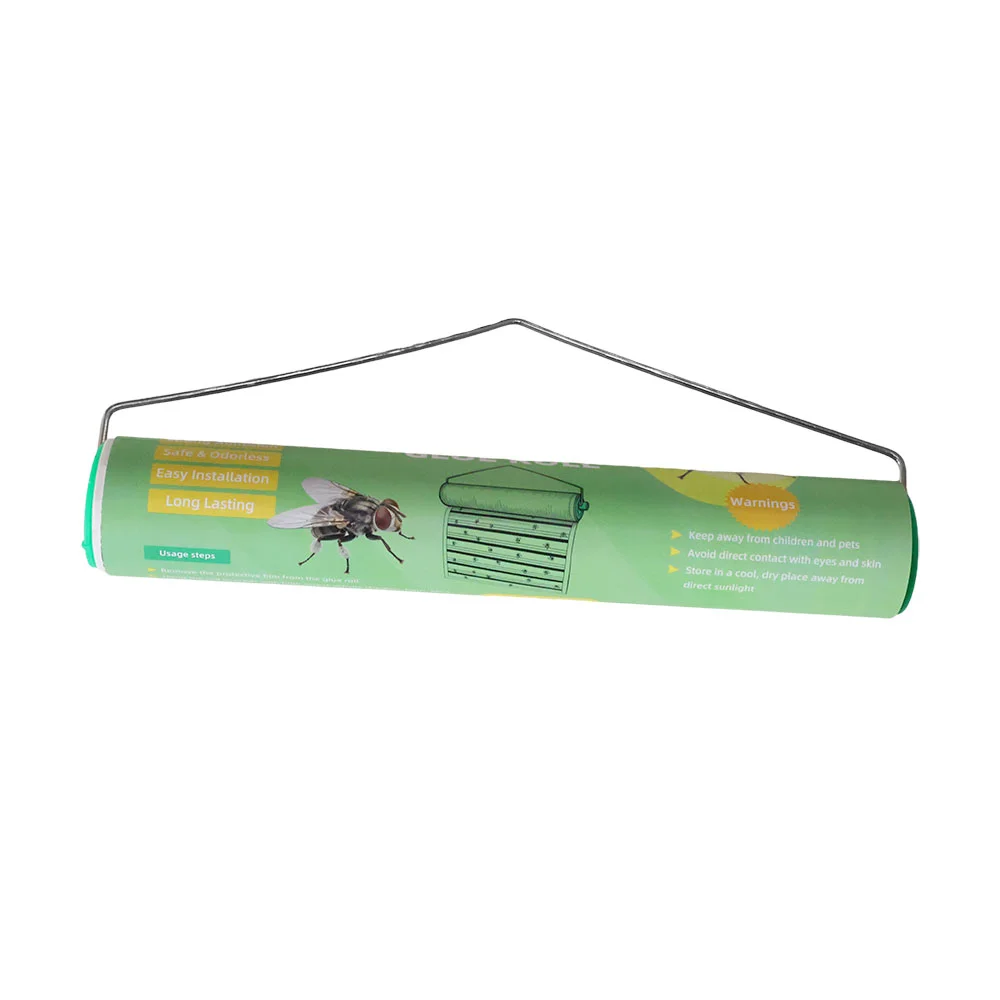
Simply put, fly sticky tape consists of a long strip of paper or plastic coated with a super-tacky, non-toxic adhesive designed to trap flies and other flying insects instantly when they land. Unlike sprays or chemical traps, this physical approach avoids toxic residues.
Its roots trace back decades as a tool in farms and homes. Today, it has advanced with variations for indoor and outdoor use, making it important in places ranging from food-processing plants to emergency healthcare facilities.
Mini takeaway:
Fly sticky tape isn’t just a sticky mess; it’s a practical, harmless, and highly adaptive solution to a globally persistent pest problem.
Key Factors Driving Fly Sticky Tape’s Effectiveness
1. Adhesive Strength and Safety
The glue on today's fly sticky tapes has to balance tackiness with safety. It must be sticky enough to trap flies immediately but free from harmful chemicals that could contaminate food or endanger children and pets.
2. Durability & Weather Resistance
For outdoor usage, adhesives need to hold up against humidity, heat, and sometimes rain. Well-made fly sticky tapes come with protective coatings or UV resistance to maintain stickiness longer.
3. Size and Design
Tape length, width, and backing material affect how many flies a strip can catch over time. Wider tapes catch more insects, but thinner, discreet tapes work well inside kitchens or offices.
4. Deployment Flexibility
Some come with hanging holes or peel-and-stick backing to allow easy placement on walls, ceilings, or outdoors near garbage bins. Convenience means more usage, and thus better pest control.
5. Environmental Impact
Many manufacturers now design fly sticky tapes with recyclable materials or biodegradable backings, meeting modern sustainability goals in pest management.
Mini takeaway:
The best fly sticky tape isn’t just sticky — it’s smartly engineered around real-world conditions, safety, and environmental impact.
Where Fly Sticky Tape Makes a Difference: Global Use Cases
- Food Processing and Storage: In Europe and North America, sticky tapes are standard in tomato packing sheds and poultry farms to limit fly contamination.
- Humanitarian Aid: NGOs in refugee camps in Africa use fly sticky tape to reduce vector-borne diseases, providing inexpensive sanitation in challenging environments.
- Agriculture in Tropical Climates: Farmers in Southeast Asia apply fly sticky tape in livestock barns to improve animal health and reduce pesticide use.
- Residential and Commercial Spaces: Offices and restaurants worldwide use discreet fly tapes to keep the environment hygienic without widespread chemical release.
Frankly, the simplicity of sticky tape brings tangible improvements where other methods fall short or are too expensive.
Fly Sticky Tape Specifications: What to Look For
| Feature |
Typical Specification |
Impact |
| Tape Length |
10–20 meters |
Long-lasting coverage |
| Tape Width |
15–25 mm |
Capture efficiency |
| Adhesive Type |
Non-toxic, odorless resin |
Safe for food environments |
| Backing Material |
Waxed paper or biodegradable plastic |
Ease of deployment & disposal |
| UV Resistance |
Up to 4 weeks exposure |
Outdoor durability |
| Packaging Options |
Single roll or bulk packs |
Cost-effectiveness for scale |
Comparing Top Fly Sticky Tape Vendors
| Vendor |
Price per Roll |
Eco-Friendly |
Max UV Exposure |
Bulk Discounts |
| StickyPro |
$7.50 |
Yes (biodegradable backing) |
3 weeks |
10% on 50+ rolls |
| FlyTrap Co. |
$6.99 |
No (plastic backing) |
Up to 4 weeks |
15% on 100+ rolls |
| EcoFlyTape |
$8.50 |
Yes (compostable materials) |
2 weeks |
20% on 30+ rolls |
Long-Term Gains: Why Choose Fly Sticky Tape?
There’s a nice sense of simplicity with fly sticky tape, but it carries remarkable benefits. Cost-wise, it's about a fraction of chemical sprays; environmentally, it avoids toxic runoff and promotes biodegradable waste. Socially, it enhances hygiene and dignity in communities where pest control resources are scarce.
Many farmers mention the sanity of choosing a pest control method that’s quiet, invisible, and safe — no chemical odor, no messy residue. For businesses, it means compliance with food safety standards without a headache.
The Future is Sticky: Innovations and Trends
Looking ahead, some manufacturers are experimenting with smart adhesives that change color when saturated with insects—a neat way to signal replacement time.
Sustainability remains key, with firms pushing for 100% compostable tapes and packaging, plus local manufacturing to cut carbon footprints.
There’s also talk in pest management circles about integrating sticky tape usage data with app-based monitoring to optimize placement and reduce waste. Automation meets tradition, oddly enough.
Common Hurdles & How to Overcome Them
Admittedly, fly sticky tape isn’t perfect. One limitation is reduced effectiveness during heavy rain or extreme humidity unless specially treated. Plus, in very large commercial operations, fly tape alone might not suffice.
Innovators recommend combining fly sticky tape with integrated pest management systems and the use of UV-resistant formulas. And frankly, the key is correct placement—low airflow zones behind doors or near windows.
FAQ: Practical Questions About Fly Sticky Tape
- How long does a roll of fly sticky tape last indoors?
- Typically, a roll can last 2 to 4 weeks indoors, depending on fly activity and environmental factors like airflow and dust.
- Can fly sticky tape be safely used around food prep areas?
- Yes, when using non-toxic, odorless adhesive tapes designed for food environments, it’s safe—plus it reduces the need for chemical sprays.
- Are there eco-friendly fly sticky tape options?
- Absolutely. Many vendors now offer tapes with biodegradable backing and environmentally safe adhesives, minimizing disposal impact.
- What’s the best way to hang fly sticky tape for maximum efficiency?
- Hang strips in areas where flies congregate, like near garbage, doors, or windows. Avoid direct sunlight and wind for longer adhesive life.
- Is fly sticky tape reusable or disposable?
- Fly sticky tape is generally disposable after it’s full of insects. Reuse isn’t practical because the taped insects reduce stickiness and hygiene.
Wrapping Up: Why Fly Sticky Tape Deserves a Spot in Your Toolkit
So, while it might seem low-tech, fly sticky tape remains a surprisingly effective, safe, and sustainable option to tackle flies globally. Its usage spans small homes to large aid projects, quietly contributing to hygiene and reducing disease transmission in diverse settings.
If pest control is on your mind, or you’re sourcing reliable, eco-friendly materials for your industry, exploring fly sticky tape options just makes good sense. The future of sticky innovation awaits—don’t get left behind.
References
- World Health Organization - Vector-borne diseases
- Wikipedia - Pest Control
- ISO 14001 Environmental Management