Understanding Sticky Traps for Roaches: Why They Matter More Than You Think
Roaches—those unwelcome household and facility guests—are more than just a nuisance. Globally, they pose real public health concerns, spreading bacteria and triggering allergies. The idea of a sticky trap for roaches might sound simple, almost old-fashioned, but it’s actually a cornerstone in pest management strategies used around the world. A well-designed trap can reduce infestation risks without harsh chemicals, making it a key tool for sustainable, safe pest control.
In short, knowing the ins and outs of sticky traps for roaches isn’t just about killing bugs, but about fostering healthier environments—from homes in bustling cities to humanitarian shelters in challenging climates.
Global Context: Tackling Cockroach Infestations at Scale
Globally, cockroach infestations affect millions of households and commercial properties each year. According to the World Health Organization, urban populations in low- and middle-income countries often face higher exposure to pest-related pathogens. These pests contribute significantly to asthma and allergy cases, especially in densely populated areas.
Sticky traps for roaches offer an affordable, accessible intervention. Interestingly, the ISO (International Organization for Standardization) has developed guidelines on pest control methods, emphasizing integrated pest management—where sticky traps have become a non-toxic frontline defense.
So when you hear “sticky trap for roaches,” think of a simple yet effective answer to a complex problem: How do you control pest populations without increasing chemical exposure or environmental damage?
What Exactly Is a Sticky Trap for Roaches?
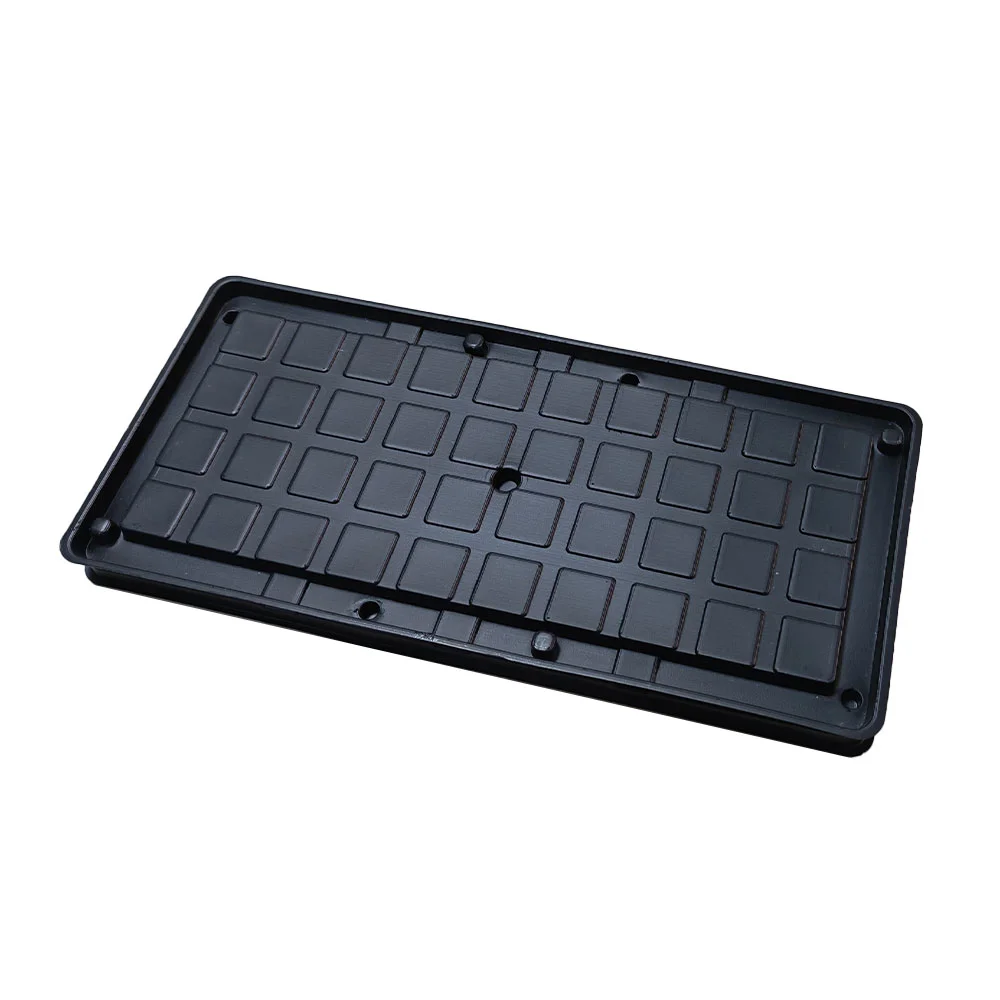
Put plainly, it’s a non-poisonous adhesive surface designed to catch roaches that scuttle by. Usually, it’s a flat board or pad coated with a high-tack glue that traps insects on contact. These traps often come disposable or reusable, sometimes impregnated with food-based attractants to lure roaches effectively.
Cleverly designed traps merge science with practicality—they’re easy to deploy in domestic settings or large facilities alike. And in humanitarian contexts like refugee camps or disaster shelters, where pest control resources are limited, sticky traps offer a low-cost, safe alternative that aligns with modern health standards.
Core Features of Effective Sticky Traps for Roaches
1. Adhesion Strength
The glue must be sticky enough to hold fast, but not so tacky that it leaves a residue or loses efficacy over time. A balance, really, that's tricky to nail.
2. Size and Design
Traps need to fit discreet spaces where roaches hide — behind appliances, along walls, under sinks. The shape often considers airflow and moisture to keep the adhesive active.
3. Attractants
Food-based lures improve capture rates. Many manufacturers blend proprietary formulas that mimic roach food scents—kind of like fishing with the right bait.
4. Material Safety
Non-toxic materials ensure safe use in homes with children or pets—something no homeowner wants to overlook.
5. Durability
The trap should maintain stickiness for at least several weeks, despite humidity or dust, minimizing replacement frequency.
Mini takeaway: Think of sticky traps as small but mighty: engineered for adhesion, attraction, and safety to fit real-world pest control needs.
Sticky Trap for Roaches in Action: Real-World Applications
Around the world, sticky traps see varied uses:
- Urban homes and apartments: Easy-to-place devices catch roaches without chemicals, keeping families safe.
- Restaurants and food processing: Hygiene codes often mandate non-toxic pest control; sticky traps fulfill that requirement while monitoring infestation levels.
- Refugee camps and emergency shelters: Limited access to resources makes sticky traps an affordable, non-hazardous option to prevent pest-borne illnesses.
- Warehouse and logistic centers: Protect stored goods via passive monitoring and early detection.
For example, in parts of Southeast Asia, NGOs have distributed sticky traps to informal housing settlements, resulting in measurably lower cockroach presence and fewer hospital visits for asthma-related symptoms.
Sticky Trap Specifications — What to Expect
| Specification |
Typical Range |
Notes |
| Dimensions |
10 cm x 12 cm |
Fits common roach pathways |
| Adhesive type |
Non-toxic, food-grade gel |
Safe for homes with children/pets |
| Lure composition |
Synthetic food scents |
Boosts trap effectiveness by 30-50% |
| Shelf Life |
6-12 months unopened |
Store in cool, dry place |
| Usage Duration |
3-4 weeks per trap |
Replace when full or ineffective |
Why Choose Sticky Traps? Advantages Worth Noting
Frankly, the idea of switching from chemical sprays to sticky traps feels like a fresh breath of cleaner air—literally and figuratively.
- Safety: No pesticides means fewer health risks, especially in homes with kids or pets.
- Environmental impact: Non-toxic, disposable, and often recyclable materials limit chemical runoff.
- Cost effectiveness: Low production and deployment costs make traps affordable for NGOs and businesses alike.
- Monitoring capability: Traps double as a passive survey tool, giving insight into infestation levels.
Companies and humanitarian orgs often note how sticky traps help maintain dignity—keeping living spaces clean and pest-free without chemical odors or residues. There’s a trust factor here, too: people often prefer visible, passive solutions over aggressive, smelly sprays.
Looking Ahead: What’s Next for Sticky Trap Technology?
Innovation in this field hasn’t stood still. Recent developments include:
- Biodegradable materials: Manufacturers are shifting to eco-friendly substrates to reduce plastic waste.
- Smart traps: Embedded sensors now capable of detecting insect captures and sending alerts via apps.
- Improved attractant formulas: Synthetic blends that last longer, lure selectively, and reduce bycatch.
- 3D trap designs: More ergonomic shapes to fit into tricky corners or behind appliances.
It’s fascinating to see how a concept as old as sticky traps evolves alongside digital transformation trends!
Common Challenges with Sticky Traps (And How To Solve Them)
No product is perfect, and sticky traps have their quirks. A few issues cropping up frequently are:
- Trap saturation: Once a trap fills up, it’s less effective. Solution? Regular replacement and adequate trap density.
- Placement errors: Random or visible placement reduces catch rates. Expert pest controllers recommend strategic location targeting.
- Non-target captures: Sometimes beneficial insects get caught. Using selective attractants can limit this.
- Humidity affecting adhesive: Moisture can degrade glue. Manufacturers are improving formulas, but users should keep traps dry.
These are manageable if you treat sticky traps as part of a comprehensive Integrated Pest Management (IPM) strategy.
FAQ: Your Sticky Trap Questions Answered
- Q1: How long does a sticky trap for roaches remain effective once opened?
- A1: Typically, each trap remains effective for about 3 to 4 weeks under indoor conditions. High humidity or heavy dust may reduce this lifespan. It’s best to replace traps monthly or as soon as they’re filled with insects.
- Q2: Are sticky traps safe to use around children and pets?
- A2: Yes, because they contain no chemicals or poisons. The adhesives are generally non-toxic and the traps physically capture roaches without spray residues, making them child- and pet-friendly.
- Q3: Can sticky traps replace chemical sprays entirely?
- A3: They work best as part of an integrated pest control program. While traps reduce infestations and monitor populations, they may not eliminate severe outbreaks alone.
- Q4: Where should I place sticky traps for best results?
- A4: Position traps in dark, warm, and moist areas such as under sinks, behind appliances, near garbage bins, or along walls where roaches commonly travel.
- Q5: Are reusable sticky traps effective?
- A5: Reusable traps can work but require cleaning and reapplication of glue, which might affect stickiness and efficiency. Most users prefer disposable options for convenience.
Vendor Comparison Table: Popular Sticky Trap Providers
| Vendor |
Adhesive Type |
Biodegradable Materials |
Smart Features |
Price per Pack (10 units) |
| TrapCo |
Food-grade gel |
No |
No |
$15 |
| EcoCatcher |
Plant-based adhesive |
Yes |
No |
$22 |
| SmartTrap |
Synthetic gel |
Partial (backing) |
Yes, sensor & app |
$45 |
Final Thoughts: Why Sticky Traps Are Here to Stay
Sticky traps for roaches may seem like small players in the huge world of pest control, but their role is surprisingly vital. They blend effectiveness with safety and sustainability, answering a growing global call for non-toxic pest control solutions. Whether you’re a homeowner, facility manager, or aid worker, these little glue pads can help keep environments cleaner and healthier—with a practical elegance that only simplicity brings.
If you’re curious to explore or stock up on effective traps, drop by our extensive collection at sticky trap for roaches. Because the battle against roaches doesn’t have to be messy or chemical-heavy.
References:
- World Health Organization: Burden of Disease from Household Air Pollution
- ISO 16000-xx Series: Indoor Air and Pest Control Standards
- Wikipedia: Cockroach