What Are Polycarbonate Bird Control Spikes, and Why Do They Matter?
At first glance, polycarbonate bird control spikes might seem like just another urban nuisance solution. But when you take a step back and think globally, ensuring our built environments are protected from bird damage carries some pretty serious ripple effects — from public health concerns to infrastructure preservation. These spikes, cleverly designed, keep birds from roosting or nesting where they shouldn’t, preventing costly cleaning, structural damage, and the health risks posed by droppings.
Understanding polycarbonate bird control spikes is essential globally because bird-related damage isn’t limited by borders. Cities, airports, historic sites, and industrial zones around the world wrestle with these challenges daily. Plus, using durable, lightweight, and corrosion-resistant materials — like polycarbonate — means we’re dialing up sustainability and efficiency, not adding another headache for maintenance teams. So if you’re in facilities management, urban planning, or even just curious about humane pest control, this topic is worth your time.
The Global Context: Why Polycarbonate Bird Control Spikes Are Growing in Importance
Bird infestations impact many countries with urbanization accelerating. According to the United Nations, over 55% of the world’s population now lives in cities (UN DESA, 2018), meaning more buildings are exposed to bird-related risks. This affects infrastructure budgets, sanitation standards, and even aviation safety — airports report bird strikes regularly, often necessitating expensive and potentially dangerous mitigation measures.
In recent years, environmental regulations pushed building managers toward humane, eco-friendly deterrents. Enter polycarbonate bird control spikes: widely accepted by industries as a sustainable, durable alternative to metal or PVC options that might corrode or harm birds. The ISO 9001 certification trend in manufacturers also reflects how quality management is steering this sector upward, ensuring reliable product performance worldwide.
Challenges such as rising maintenance costs and the need to balance animal welfare with property protection highlight why these spikes have become a global staple — and why their design and fabrication standards matter just as much as their installation.
Defining Polycarbonate Bird Control Spikes
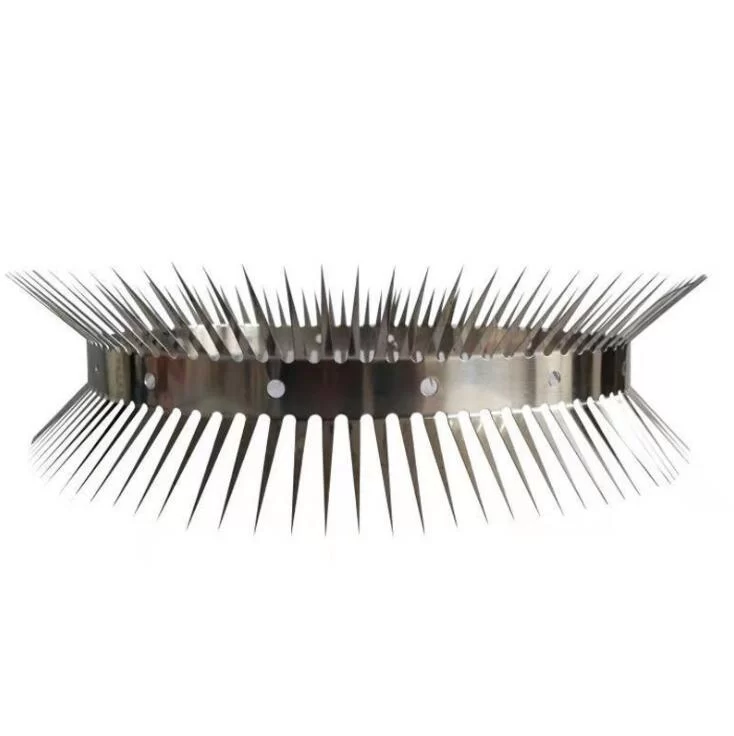
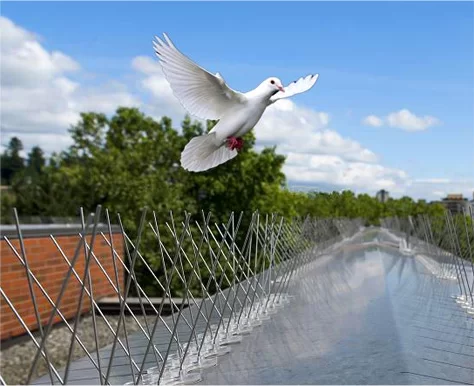
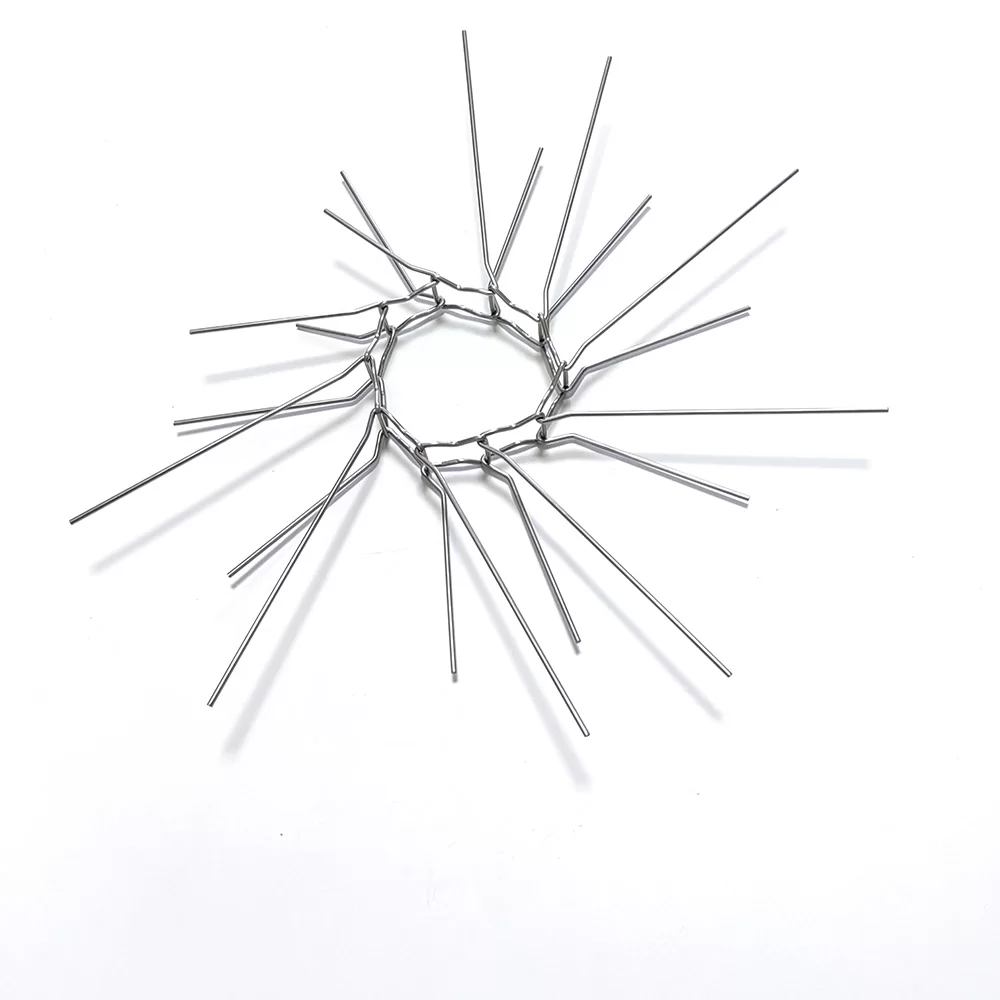
Simply put, polycarbonate bird control spikes are arrays of narrow, blade-like projections made from polycarbonate plastic. Installed along ledges, roofs, signs, and other surfaces, these spikes prevent birds from landing or nesting without harming them. The polycarbonate material offers key advantages: it’s lightweight, incredibly tough, UV-resistant, and almost unbreakable under most conditions — unlike cheaper alternatives that might shatter or degrade.
In the grander scheme, they represent a humane approach in pest management that aligns with modern sustainability goals and animal welfare standards. Some might say it’s a small piece of a much larger puzzle when it comes to making urban living more harmonious for humans and wildlife alike.
Key Features of Polycarbonate Bird Control Spikes
Durability in Harsh Environments
Polycarbonate is renowned for standing up to extreme weather — from scorching sun to freezing rain to salty coastal air. Unlike metal, it doesn’t rust, and unlike PVC, it doesn’t become brittle or fade quickly. This longevity means fewer replacements and less waste, making it a favorite especially in coastal cities and industrial zones.
Humane, Non-Lethal Deterrence
One of the big draws is that these spikes don’t hurt the birds — they just make landing uncomfortable enough to encourage migration elsewhere. It’s a thoughtful balance of preservation and protection, favored by wildlife agencies and municipalities alike.
Ease of Installation and Scalability
Lightweight and flexible, polycarbonate spikes can be cut to length and easily mounted using adhesive backing, screws, or clips. This makes them practical for everything from small storefronts to massive airport terminals. Many engineers I’ve spoken to appreciate how well they scale from micro to macro applications.
Cost Efficiency Over Time
While the initial investment might be slightly higher than some alternatives, the lifespan and low maintenance actually make polycarbonate spikes more cost-effective. Think of it as good-old “buy once, install with confidence,” rather than juggling replacements and repairs every few months.
UV and Chemical Resistance
Sun exposure typically breaks down plastics, but polycarbonate is treated or manufactured to resist UV light, preserving clarity and strength. Chemical resistance means it won’t degrade from common cleaning agents or pollutants, an important factor in urban installations.
Typical Polycarbonate Bird Control Spikes Specifications
| Feature |
Specification |
Benefit |
| Material |
Polycarbonate (UV stabilized) |
Durability, weather resistant |
| Spike Length |
60 - 90 mm |
Effective bird deterrence |
| Base Width |
30 - 50 mm |
Ease of installation |
| Color Options |
Clear, black, or custom |
Visual blending with surfaces |
| Mounting |
Adhesive, screws, clips |
Flexibility across surfaces |
Mini takeaway: Polycarbonate spikes bring a winning combo of strength, humane design, and installation versatility, making them a best-in-class choice for bird control.
Where Are These Spikes Making a Difference Worldwide?
In Europe, historic buildings rely heavily on polycarbonate bird control spikes to preserve priceless stonework without damaging the aesthetics or violating wildlife protection rules. Coastal cities like Sydney and San Francisco have adopted them around ports and warehouses, where seabirds would otherwise wreak havoc on equipment and goods.
Airports in the U.S., Asia, and the Middle East often use these spikes as part of broader bird hazard management programs. One airport reported a reduction of bird strikes by nearly 40% after integrating these humane deterrents on runways and terminals — a tangible win for safety and logistics.
NGOs and urban planners have even installed them in tropical regions where large urban pigeons and crows challenge sanitation in crowded cities. Sometimes, it’s these simple solutions making daily life cleaner and safer in places far removed from glossy cityscapes.
Advantages & Long-Term Benefits
- Cost diligence: Repeat replacement costs shrink, resulting in budget stability.
- Sustainability: Polycarbonate’s recyclability and durability mean less landfill waste.
- Humane approach: No harm to birds, aligning with growing societal ethics around animal welfare.
- Reliability & trust: Facilities managers gain peace of mind knowing the product works season after season.
- Visual integration: Clear spikes blend into most environments, preserving architectural integrity.
It’s odd to think that a tiny, transparent plastic spike can be part of a city’s emotional landscape, but when you consider the reduced bird droppings on cherished monuments or cleaner airfields due to fewer bird strikes, it adds a quiet layer of trust and care for communities.
Looking Ahead: Innovations in Bird Control Technology
Manufacturers are now adding antimicrobial coatings to spikes to prevent biofilm buildup. Some are experimenting with sensors combined with polycarbonate bird control spikes that alert facility managers about nests forming or damage. Green energy integration — for instance, solar-powered ultrasonic deterrents paired with these spikes — could automate bird control in an upcoming smart city era.
Plus, regulatory pressures pushing plastic producers toward circular economies encourage spikes made from recycled polycarbonate. It’s not just about blocking birds anymore; it’s also about closing the loop and reducing environmental footprints.
Challenges & How Experts Are Overcoming Them
Even the best polycarbonate bird control spikes face issues like improper installation or incompatibility with oddly shaped surfaces. Sometimes spikes alone aren’t enough — tough birds get creative! Experts recommend integrating systems (nets, sound deterrents, habitat modification) alongside spikes for multifaceted protection.
Material degradation under extreme UV or chemical exposure can also be an issue if lower-grade polycarbonate is used. That’s why specifying quality certifications and getting advice from trusted providers is key. Customization helps, too — a little tailoring can make a major difference in long-term success.
Comparison of Leading Polycarbonate Bird Control Spike Vendors
| Vendor |
Product Range |
Price per Meter |
Installation Options |
Warranty |
| BirdSafe Co. |
Standard & heavy-duty spikes |
$15 - $20 |
Adhesive, screws, clips |
5 years |
| EcoBarrier Solutions |
Recycled polycarbonate spikes |
$18 - $22 |
Screw mount, adhesive |
7 years |
| UrbanDeflect |
Custom color & length spikes |
$20 - $25 |
Adhesive, clips |
5 years |
FAQs About Polycarbonate Bird Control Spikes
- How long do polycarbonate bird control spikes typically last?
- With proper installation, these spikes generally last 5 to 7 years, thanks to their UV and weather resistance. However, environmental factors like extreme sunlight or corrosive environments can influence longevity.
- Can these spikes harm birds?
- No. They are designed to be a humane deterrent. The spikes make perching uncomfortable but do not injure birds, aligning with modern animal welfare practices.
- Are polycarbonate spikes easy to install on irregular surfaces?
- Generally yes. They’re flexible enough to conform to curved or uneven surfaces, but for complex shapes, customized cutting or combining with mounting clips is recommended for secure installation.
- Do polycarbonate spikes require special maintenance?
- Very little maintenance is required beyond routine inspections and occasional cleaning to remove debris. Their chemical resistance means they tolerate cleaning agents well.
- Where can I find reliable polycarbonate bird control spikes?
- You can explore specialized suppliers online and consult trusted providers like those listed above. For guaranteed quality, always check certifications and customer reviews.
In Closing: Why Polycarbonate Bird Control Spikes Are a Smart Investment
Looking at the big picture, polycarbonate bird control spikes cleverly blend durability, humane design, and cost-effectiveness. Whether you’re protecting historical sites or managing modern infrastructure, they offer a reliable method to minimize bird-related damage while respecting urban ecosystems. With evolving technologies pushing toward smarter and greener products, investing in quality spikes today pays off tomorrow.
Interested in exploring top-tier bird control solutions? Visit our website at https://www.hbarcherfish.com to browse our offerings and connect with experts who can tailor solutions to your needs.
Mini takeaway: Simple but effective, polycarbonate bird control spikes remain a frontline defense with an eye to the future’s sustainability and technology trends.
References
- United Nations Department of Economic and Social Affairs (UN DESA) - Urbanization Data
- ISO 9001 Quality Management Standards
- Wikipedia - Bird Strike