Understanding Polycarbonate Bird Spikes: A Global Perspective
If you’ve ever watched a city skyline or glanced at a historic monument, you might have noticed thin, jagged strips jutting along ledges or rooftops — those are bird spikes. More often than not these spikes are made from polycarbonate, a versatile and surprisingly tough plastic. But why do they matter, and why should we care globally?
Bird spikes act as humane deterrents for birds, helping prevent real damage and health issues caused by large bird populations roosting on buildings, statues, or infrastructure. Around the world, bird-related damage costs billions — from clogged drains to corrosion and contaminated surfaces. The global demand for polycarbonate bird spikes has shot up because they strike a fine balance: lasting durability, ecological care, and ease of installation.
Understanding this simple-seeming product opens the door to more sustainable, thoughtful urban design and maintenance — essential across densely populated cities where birds and humans coexist.
Why Polycarbonate Bird Spikes Matter on the World Stage
Globally, urbanization is accelerating at a rate of roughly 1.84% yearly, with about 56% of the world’s population now dwelling in cities (UN, 2022). With this, human and wildlife interactions intensify, leading to increased challenges like bird infestations on buildings, airports, and public spaces.
Bird droppings can carry fungi and bacteria, posing health risks; plus the acid in droppings can degrade concrete, metals, and painted surfaces (ISO, 2019). To combat these issues, polycarbonate bird spikes are viewed as cost-effective solutions because they reduce the need for chemical repellents, which often have environmental drawbacks.
In places like Europe and North America, regulations are tightening around wildlife control, emphasizing non-lethal methods. This has pushed polycarbonate bird spikes — which offer physical barriers rather than harm — into focus. Not to mention, these spikes help conserve heritage buildings by preventing nesting without damaging delicate surfaces.
Mini takeaway:
- Urban growth demands humane bird control solutions.
- Polycarbonate bird spikes align with environmental and health regulations worldwide.
What Exactly Are Polycarbonate Bird Spikes?
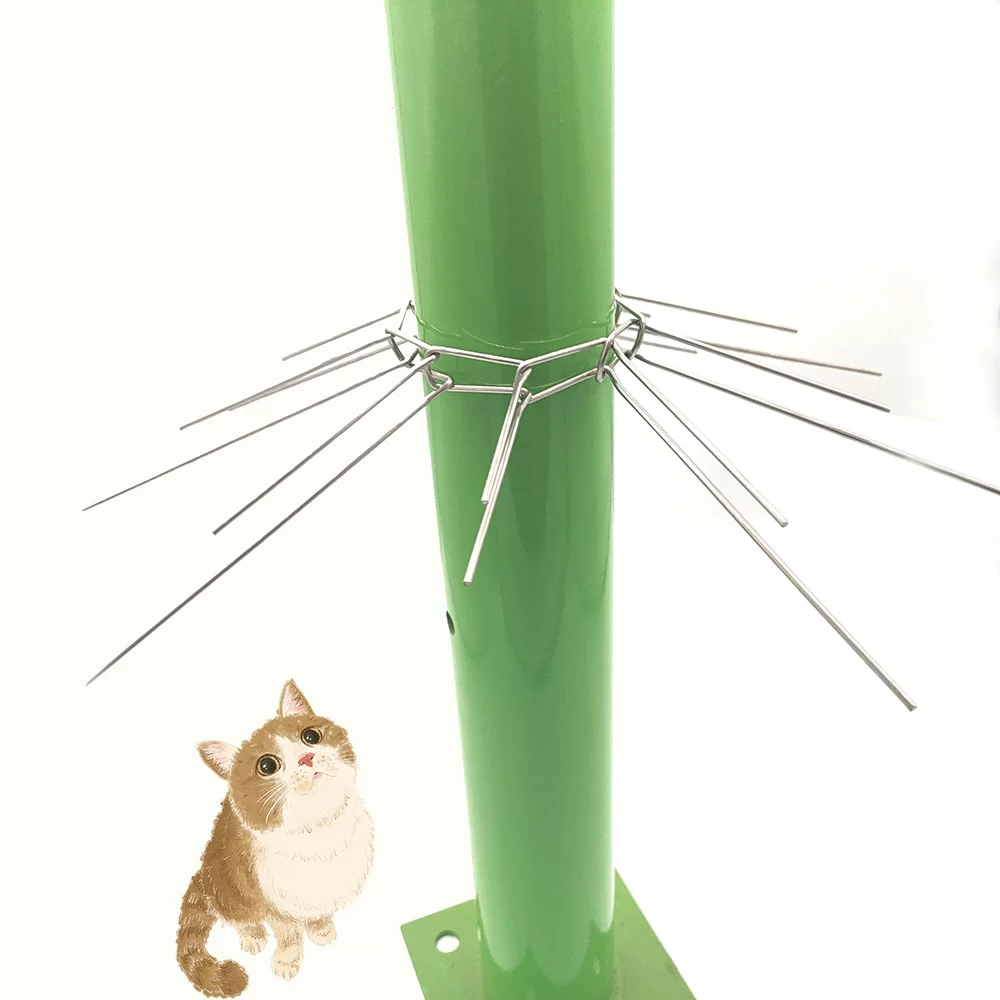
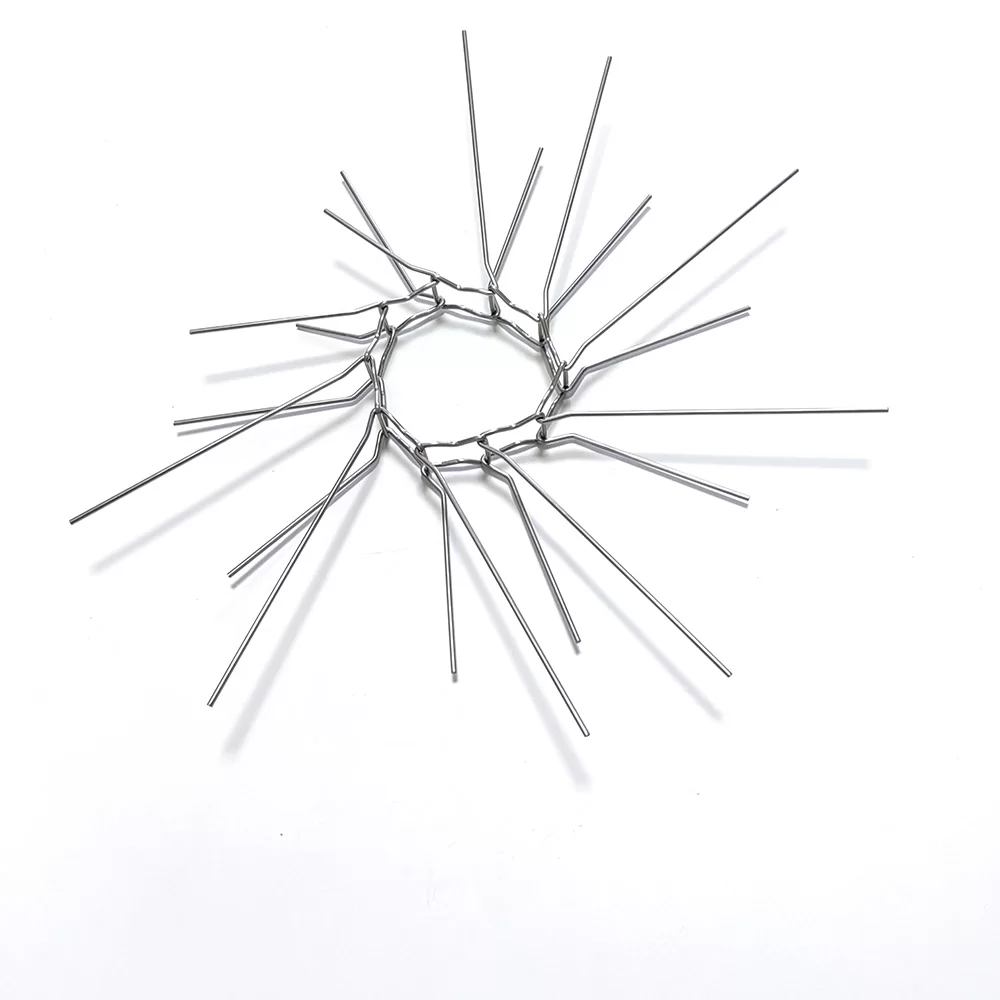
Put simply, polycarbonate bird spikes are narrow strips of plastic embedded with pointy extensions designed to stop birds from landing or nesting on specific surfaces. The choice of polycarbonate is deliberate — it’s an incredibly tough, transparent material that resists UV rays, heat, and physical impact.
These bird spikes connect closely with modern urban infrastructure, architectural preservation, and public health initiatives. Rather than using poisons or traps, they prevent problems by making a surface uninviting. Often modular, they’re easy to install and replace, an important feature given hectic urban maintenance schedules.
Mini takeaway:
- Polycarbonate bird spikes provide a physical, humane deterrent.
- The material’s durability ensures long-term effectiveness without frequent replacement.
Key Features of Polycarbonate Bird Spikes
Durability and Weather Resistance
Polycarbonate is known for its incredible toughness. It can withstand rain, wind, intense sun exposure, and even frost without cracking or discoloring. This longevity means fewer replacements — and less waste.
Transparency and Aesthetic Appeal
Unlike metal or colored plastics, polycarbonate is often clear or lightly tinted. This reduces visual intrusion, important for architects or property owners who want to preserve the look of their buildings or monuments.
Easy Installation and Maintenance
Typically designed in modular strips, these bird spikes can be cut to fit any length and attached with adhesives or screws. This is a boon for maintenance crews working on large or irregular-shaped structures.
Environmental Safety
Polycarbonate spikes are non-toxic, don’t leach harmful chemicals, and don’t harm birds if they come in contact. They comply with many environmental guidelines, making them preferable to chemical repellents.
Cost Efficiency
Initial costs are reasonable, but the most impressive savings come from minimal upkeep and avoided damage costs caused by bird droppings and nesting.
Mini takeaway:
- Durability reduces workload and environmental impact.
- Clear design and easy installation make them practical.
Global Applications & Real-World Use Cases
The versatility of polycarbonate bird spikes means they’re everywhere — from skyscrapers in New York to temples in Bangkok. Here are some typical deployments:
- Urban centers: On ledges, building fronts, air conditioners, and signage.
- Transportation hubs: Airports and train stations use spikes to keep bird droppings off runways and platforms, reducing hazards and delays.
- Agricultural sites: Barns and silos employ spikes to protect machinery and stored goods.
- Heritage sites: Often treated as sensitive environments, spikes provide a low-impact solution to protect sculptures and old masonry.
A notable example: in Venice, where historic buildings face constant threat from seagulls, local authorities have deployed thousands of meters of polycarbonate bird spikes to preserve frescos and building facades without disrupting the city’s iconic sights.
Mini takeaway:
- Polycarbonate bird spikes are a go-to in international urban wildlife management.
- Used across industries — from airports to agriculture.
Specification Snapshot: Typical Polycarbonate Bird Spikes
| Specification |
Typical Feature |
| Material |
UV-resistant polycarbonate |
| Spike Height |
3-6 cm (customizable) |
| Length per Strip |
30-100 cm |
| Installation |
Adhesive or screws |
| Color |
Clear/Transparent or light tint |
| Temperature Range |
-40°C to 120°C |
Comparing Leading Polycarbonate Bird Spike Vendors
| Vendor |
Material Quality |
Spike Height Options |
Installation Types |
Price Range |
| SpikeSafe Ltd. |
Premium UV stabilized PC |
3cm, 5cm, 7cm |
Adhesive & Screws |
$$$ |
| UrbanGuard |
Standard grade polycarbonate |
4cm, 6cm |
Screws only |
$$ |
| BirdBarrier Corp. |
Recycled PC blend |
3cm, 5cm |
Adhesive only |
$ |
Why Investing in Polycarbonate Bird Spikes Makes Sense
Frankly, no one likes constant bird droppings staining their property or creating hazards. The emotional relief from knowing those problems are minimized is worth something intangible — peace of mind.
From a logical side, these spikes reduce long-term maintenance costs, save time, and reduce dependency on chemical deterrents. As more companies embrace green building guidelines, products like polycarbonate bird spikes become critical components of sustainable infrastructure.
Plus, many architects report that their clients appreciate the discreet look that clear spikes offer, so no compromise on aesthetics.
What’s Next? Innovations on the Horizon
Though polycarbonate bird spikes are already advanced, innovation marches on. Researchers are developing biodegradable spike strips incorporating natural deterrents, lessening environmental waste. Smart sensors combined with spikes can track bird activity patterns, optimizing placement and effectiveness — a neat blend of digital transformation and urban wildlife management.
Automation in installation is also bubbling up; imagine drones that inspect and place bird spikes on hard-to-reach ledges. It’s all exciting stuff if you like the intersection of ecology, tech, and the practical art of keeping buildings clean.
Challenges and How Experts Suggest Overcoming Them
No solution is perfect. Some users find that spikes can be tricky to install on very irregular surfaces. Dust and debris also accumulate around spikes, calling for periodic cleaning.
Professional installers recommend pairing spikes with routine maintenance inspections and selecting customizable strips to fit complex contours. New adhesive technologies are also improving, making the spikes stick better in humid or dusty conditions.
Educating building owners on consistent upkeep ensures spikes work well without becoming eyesores.
FAQ: Answers to Common Queries About Polycarbonate Bird Spikes
1. Are polycarbonate bird spikes safe for the birds?
Yes, they are designed to prevent landing without injuring birds. The spikes aren’t sharp enough to cause harm but create an uncomfortable surface, encouraging birds to move on.
2. How long do polycarbonate bird spikes typically last outdoors?
With UV-resistant polycarbonate, spikes last 5-10 years depending on climate exposure and maintenance.
3. Can polycarbonate bird spikes be installed on uneven surfaces?
Generally yes, especially if the spikes are modular and flexible. Custom cutting and sometimes additional mounting brackets help adapt to irregular shapes.
4. Is it possible to mix bird spikes with other bird deterrent methods?
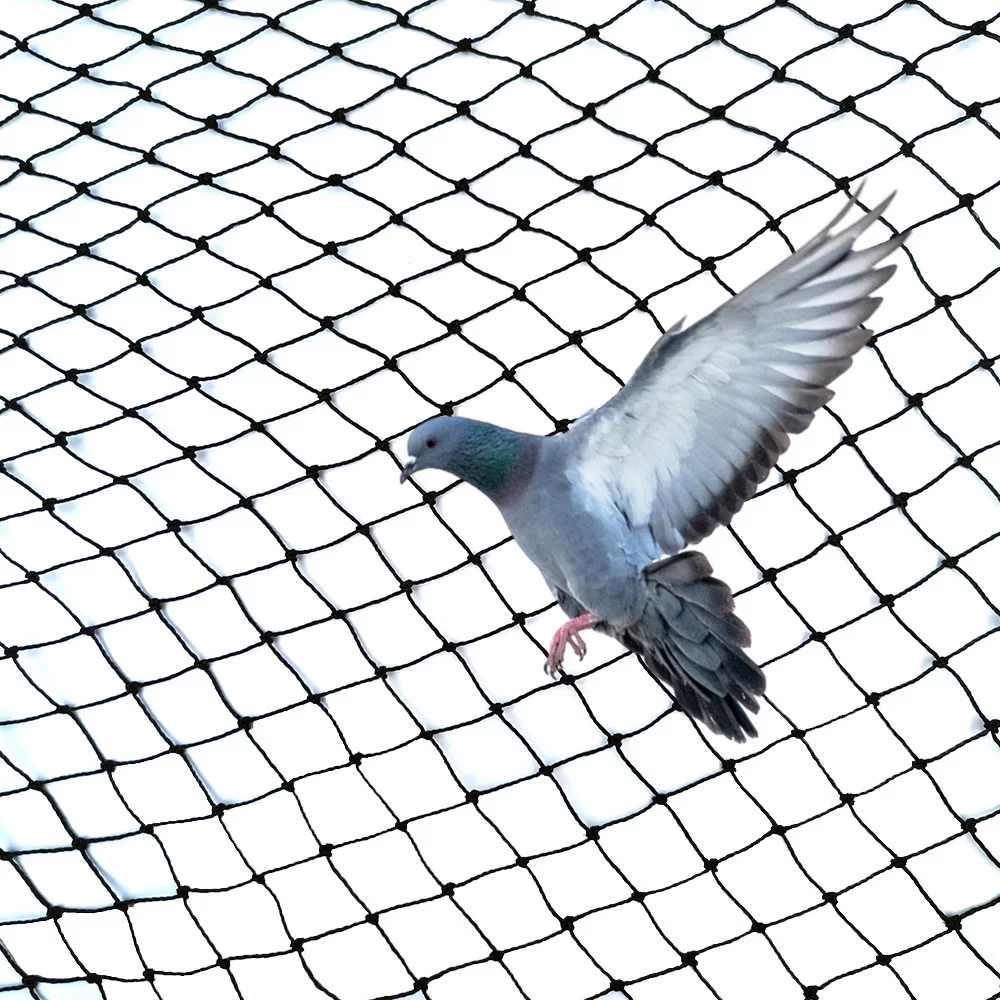
Definitely. Combining spikes with sonic repellents or netting can enhance overall effectiveness in heavy bird problem areas.
5. Where can I find reputable suppliers of quality polycarbonate bird spikes?
Several vendors specialize in this niche. Look for suppliers offering UV-protected materials, modular designs, and clear installation instructions. See our vendor table above for top examples.
Final Thoughts
Polycarbonate bird spikes might not be flashy, but they quietly protect buildings, preserve aesthetics, and offer a humane way to tackle a universal urban nuisance. As cities get smarter and greener, such solutions will only grow in importance.
For anyone interested in durable, eco-friendly bird deterrence, exploring polycarbonate bird spikes is a smart start. With rising innovation and global awareness, their relevance is set to soar.
References
- United Nations, World Urbanization Prospects, 2022
- International Organization for Standardization (ISO), Environmental Guidelines on Urban Wildlife Control, 2019
- Wikipedia: Bird Spikes - https://en.wikipedia.org/wiki/Bird_spikes