Understanding Stainless Steel Mesh for Solar Panels: Why It Matters Worldwide
We often talk about solar panels as a clean energy solution, but there's an unsung hero quietly doing heavy lifting behind the scenes: stainless steel mesh for solar panels. This material isn't just a random choice; it's critical in enhancing panel durability, efficiency, and lifecycle. On a global scale, where the solar industry is booming—driven by commitments like the UN’s Sustainable Energy for All initiative—knowing how stainless steel mesh contributes to solar tech makes a real difference. For engineers and project managers alike, understanding this mesh means smarter choices, less maintenance, and a greener planet.
Mini takeaway: Stainless steel mesh is a key component enhancing the performance and reliability of solar installations globally.
The Global Context: Why Stainless Steel Mesh is Gaining Momentum
The International Renewable Energy Agency (IRENA) reported that solar capacity expanded by over 20% annually over the past decade, a staggering push toward cleaner energy sources. Yet with these rapid deployments come challenges like corrosion, mechanical stress, and environmental exposure—especially in harsh climates from arid deserts in Africa to humid coastal zones in Southeast Asia. That's where stainless steel mesh for solar panels steps in, offering corrosion resistance and physical robustness. It’s a simple solution that helps overcome a complex problem: how to keep solar arrays running efficiently year after year with minimal downtime. The mesh supports the cells structurally while mitigating damage from dust, birds, and impact—a surprisingly common issue.
Mini takeaway: Stainless steel mesh addresses durability challenges that threaten solar panel efficiency worldwide.
What Exactly is Stainless Steel Mesh for Solar Panels?
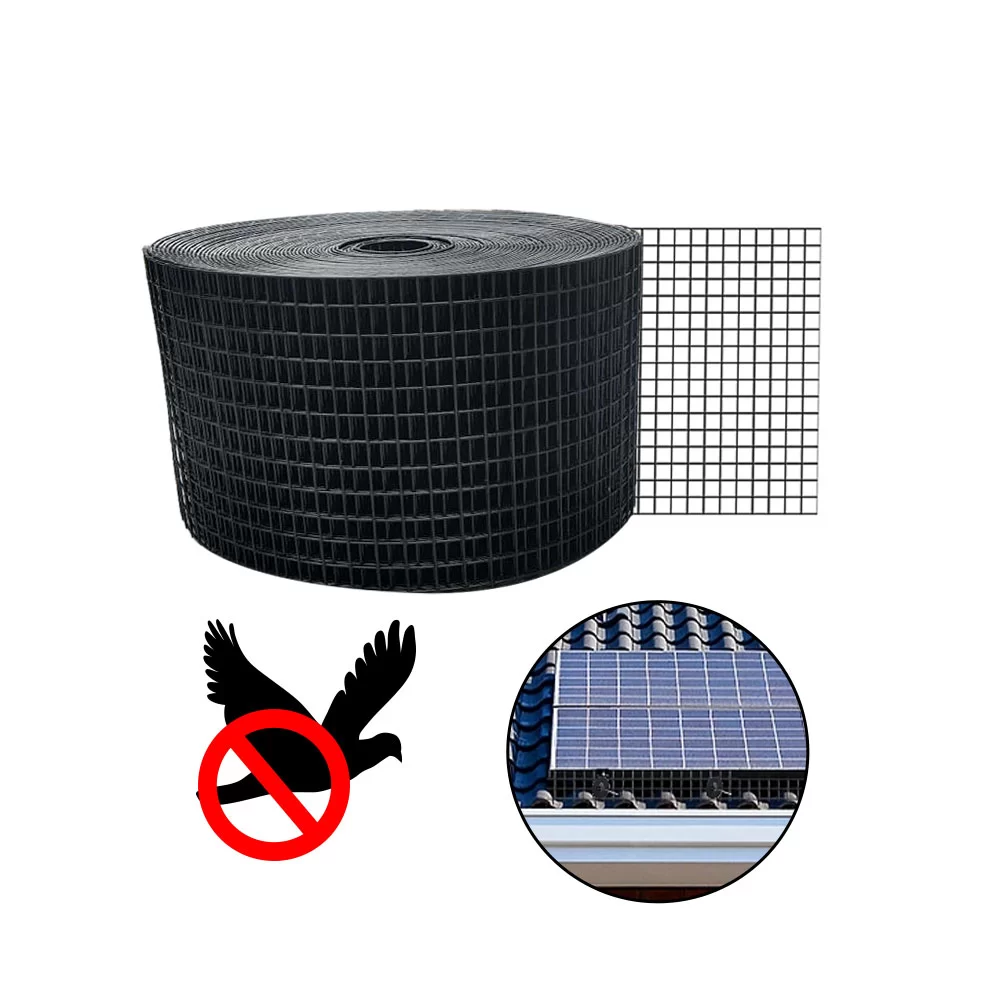
At its core, stainless steel mesh is a woven or welded mesh made from stainless steel wires, designed to fit onto or within solar panel assemblies. Think of it as an ultra-durable, rust-resistant netting that protects and supports the delicate photovoltaic cells without blocking sunlight or airflow. Beyond protection, these meshes serve as grounding components and heat dispersers, contributing to system stability. It's a perfect example of modern materials engineering meeting real-world humanitarian needs—providing reliable power in off-grid communities or disaster zones, where consistent energy access can mean the difference between survival and hardship.
Mini takeaway: Stainless steel mesh is a multifunctional protective and supportive layer vital for solar panel longevity and safety.
Key Features of Stainless Steel Mesh in Solar Applications
1. Durability & Corrosion Resistance
Perhaps the most lauded feature is its corrosion resistance. Stainless steel alloys, especially grades like 316, fend off rust even in salty marine environments or industrial pollution. This means panels can endure decades without the mesh degrading—a huge plus compared to cheaper alternatives like galvanized steel, which can fail sooner.
2. Thermal Performance
The mesh helps dissipate heat by allowing airflow, which, in turn, keeps solar cells cooler and operating closer to their optimal efficiency. In extreme heat zones, this subtle cooling effect can boost energy yield noticeably.
3. Mechanical Strength & Impact Protection
Birds, debris, or hail storms can severely damage solar cells. The mesh acts like a safe cage, absorbing shocks and protecting fragile glass and cells beneath.
4. Electrical Grounding Support
Grounding is essential for electrical safety and performance. Stainless steel mesh can function as a conductive mesh to evenly ground the panel array, minimizing risks from lightning or electrical faults.
5. Ease of Installation & Customization
Manufacturers can custom-size meshes to fit various panel dimensions, creating modular, easy-to-install solutions that integrate seamlessly into existing setups.
6. Cost Considerations
Though the upfront investment is higher than some materials, the reduction in maintenance and longer lifespan offset initial costs, making stainless steel mesh an economical option long-term.
Mini takeaway: These features combine to make stainless steel mesh a smart, resilient choice for solar energy systems.
Specifications of a Typical Stainless Steel Mesh for Solar Panels
| Specification |
Typical Value |
Notes |
| Material Grade |
304, 316 Stainless Steel |
Marine grade preferred for coastal applications |
| Wire Diameter |
0.3 - 1.0 mm |
Balancing strength and transparency |
| Mesh Aperture (Opening) |
1 - 5 mm (square or rectangular) |
Allows airflow and light passage |
| Thickness |
0.5 - 2 mm |
Affects weight and durability |
| Surface Finish |
Polished or Matte |
Impact on reflectivity and aesthetics |
| Weight per sqm |
2 - 6 kg |
Depends on wire size and mesh pattern |
How Different Vendors Stack Up: Stainless Steel Mesh Providers
| Vendor |
Material Options |
Lead Times |
Custom Sizing |
Price Range |
Global Shipping |
| HB Archerfish |
304, 316 SS |
3-5 weeks |
Yes |
$$$ |
Worldwide |
| SolarNet Mesh Co. |
304 SS only |
2-4 weeks |
Limited |
$$ |
North America, Europe |
| EcoShield Industrials |
316 SS, Coated Options |
4-6 weeks |
Yes |
$$$$ |
Global |
Worldwide Uses of Stainless Steel Mesh: From Arid Deserts to Island Communities
Solar farms in the Sahara use this mesh to guard against sand abrasion and heat stress, helping arrays operate near peak efficiency under punishing conditions. In coastal Southeast Asia, salt air wreaks havoc on less durable materials; stainless steel mesh maintains panel integrity for decades. In post-disaster relief zones—in places suddenly thrown off-grid—the mesh protects quickly deployed solar modules, ensuring dependable emergency power for communications and medical equipment. The mining industry in remote Australian outback similarly employs mesh-reinforced solar setups for off-grid energy supply, reducing reliance on diesel. Oddly enough, it’s not just large installations — small residential rooftop solar in Europe increasingly use stainless steel mesh too, favoring long-term resilience amid changing weather patterns.
Mini takeaway: Stainless steel mesh is a critical enabler of solar energy in diverse geographies and industries worldwide.
Advantages & Long-Term Value of Stainless Steel Mesh
- Cost Savings: Lower maintenance plus longer lifespan mean fewer replacements or repairs.
- Sustainability: With recyclability and corrosion resistance, it contributes to circular economy goals.
- Reliability: Enhanced mechanical protection means less downtime and more predictable energy output.
- Safety: Electrical grounding helps prevent short circuits or fire hazards, boosting trust for system owners.
- Social Impact: Robust energy solutions in underserved regions lead to improved education, healthcare, and economic opportunities.
Emotionally, it feels reassuring to know your solar investment won’t falter due to a simple mesh failure. It supports human dignity through dependable power access—something often underestimated in tech discussions.
Emerging Trends and Innovations on the Horizon
Advances in nanocoatings and anti-reflective finishes promise to make stainless steel mesh even more effective, cutting surface dirt buildup and further boosting solar cell efficiency. Digitally integrated production now allows for laser-cut custom meshes that perfectly fit complex panel shapes, minimizing waste. Sustainability-wise, some vendors explore alloys with greater recycled content or using less energy in manufacture, aligning the mesh’s lifecycle footprint with solar’s green ambitions. Automation in assembly lines is streamlining installation and reducing overall system costs, making stainless steel mesh accessible to more markets.
Challenges & How to Overcome Them
Of course, stainless steel mesh isn’t a silver bullet. Its weight can add structural load, which requires reinforced mounting systems—no big deal but worth planning. Also, upfront costs deter some budget-conscious projects; however, lifecycle cost analysis usually justifies the expense. Sourcing certified marine-grade mesh in remote regions can be tricky, but growing supply chains and reputable global vendors help alleviate this. Designers must consider aesthetics too—some residential users worry about visible mesh altering panel appearance — advances in matte finishes help here. Regular training on installation and maintenance ensures no shortcuts undermine the mesh’s benefits.
FAQ: Practical Questions About Stainless Steel Mesh for Solar Panels
- Q: How does stainless steel mesh improve solar panel lifespan?
- A: By resisting corrosion and providing mechanical protection, the mesh reduces damage from environmental factors and physical impacts, extending panel durability significantly beyond unprotected arrays.
- Q: Can stainless steel mesh be customized to fit different solar panel sizes?
- A: Absolutely. Most vendors offer tailored mesh dimensions and patterns, ensuring a snug fit that optimizes protection without obstructing sunlight or airflow.
- Q: Is stainless steel mesh recyclable at end-of-life?
- A: Yes, stainless steel is highly recyclable. Recycled mesh materials reduce environmental impact and support circular economy practices in the solar industry.
- Q: Does installing stainless steel mesh increase solar panel installation time?
- A: Minimal additional time is needed, especially with prefabricated meshes. Skilled teams integrate mesh installation seamlessly, often within the same workflow as panel mounting.
- Q: Are there any maintenance needs specific to stainless steel mesh?
- A: Routine inspections for debris and cleaning are recommended. However, due to its corrosion resistance, maintenance is generally straightforward and infrequent.
Closing Thoughts: Why Stainless Steel Mesh Should Be Part of Your Solar Strategy
In a nutshell, stainless steel mesh for solar panels represents an elegant, practical, and increasingly essential technology. It’s one of those small details that quietly improves performance, safeguards investments, and aligns with long-term sustainability goals. If you’re involved in solar projects, whether commercial or residential, you owe it to yourself—and the environment—to explore this option.
Curious to see the latest products or request a quote? Visit HB Archerfish to explore a range of premium stainless steel mesh solutions tailored for solar applications worldwide.
Mini takeaway: Stainless steel mesh is not just metal—it’s a cornerstone for resilient, efficient, and lasting solar energy worldwide.
References
- IRENA - International Renewable Energy Agency
- Wikipedia - Stainless Steel
- United Nations Sustainable Development Goal 7