Understanding Pest Control Glue Traps: A Vital Tool in Modern Pest Management
When it comes to managing unwanted pests—rodents, insects, or other critters—often the simplest tools can be surprisingly effective. Pest control glue traps are one such tool, gaining popularity worldwide for their practicality and low environmental impact. But why do these sticky devices matter so much on a global scale? Well, beyond keeping homes and businesses safe, they play a crucial role in public health, food safety, and even disaster relief efforts.
Grasping how pest control glue traps function and their benefits helps industries, governments, and communities tackle pest problems with less toxic residue and greater precision. It’s a small yet potent part of integrated pest management strategies worldwide.
Global Context: Why Pest Control Glue Traps Matter Today
Globally, pests cause billions of dollars in damage annually—destroying crops, contaminating food supplies, and spreading disease. For example, according to the Food and Agriculture Organization (FAO) of the United Nations, up to 40% of food crops can be lost to pests without effective control measures.
Modern pest control glue traps offer a chemical-free alternative amid growing concerns over pesticide resistance and environmental health. In urban areas, where pesticide use is restricted or undesirable, glue traps are favored by many.
Plus, in disaster-hit regions, controlling rodents quickly and safely is critical to prevent outbreaks of diseases like leptospirosis. So the humble glue trap addresses a multifaceted challenge—from agriculture to humanitarian missions.
What Exactly Are Pest Control Glue Traps?
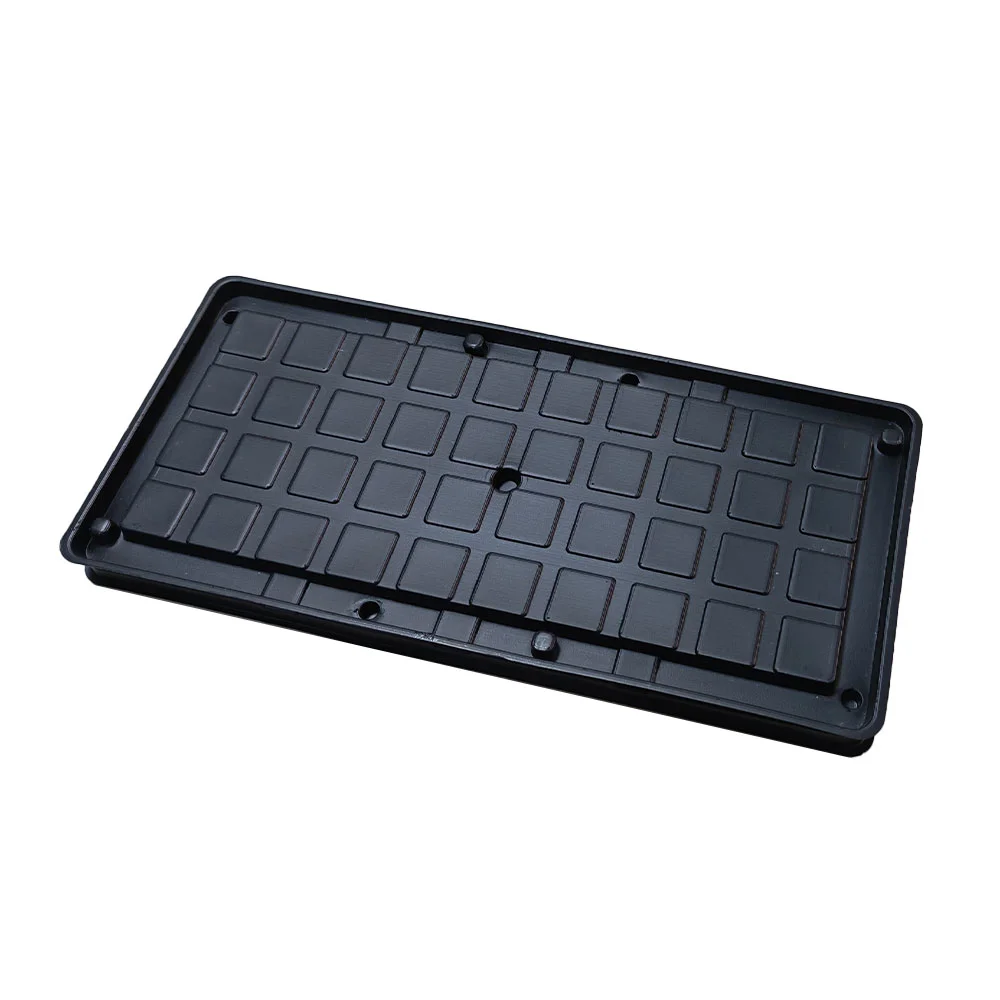
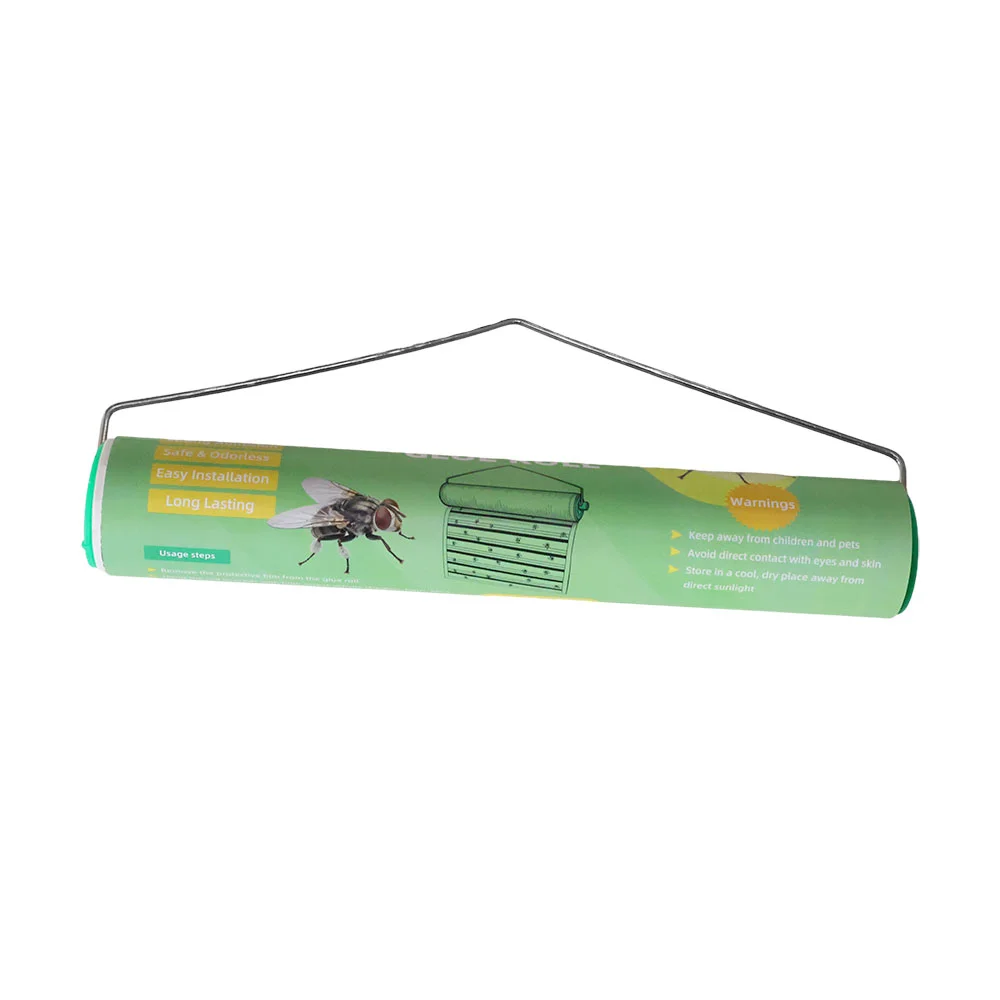
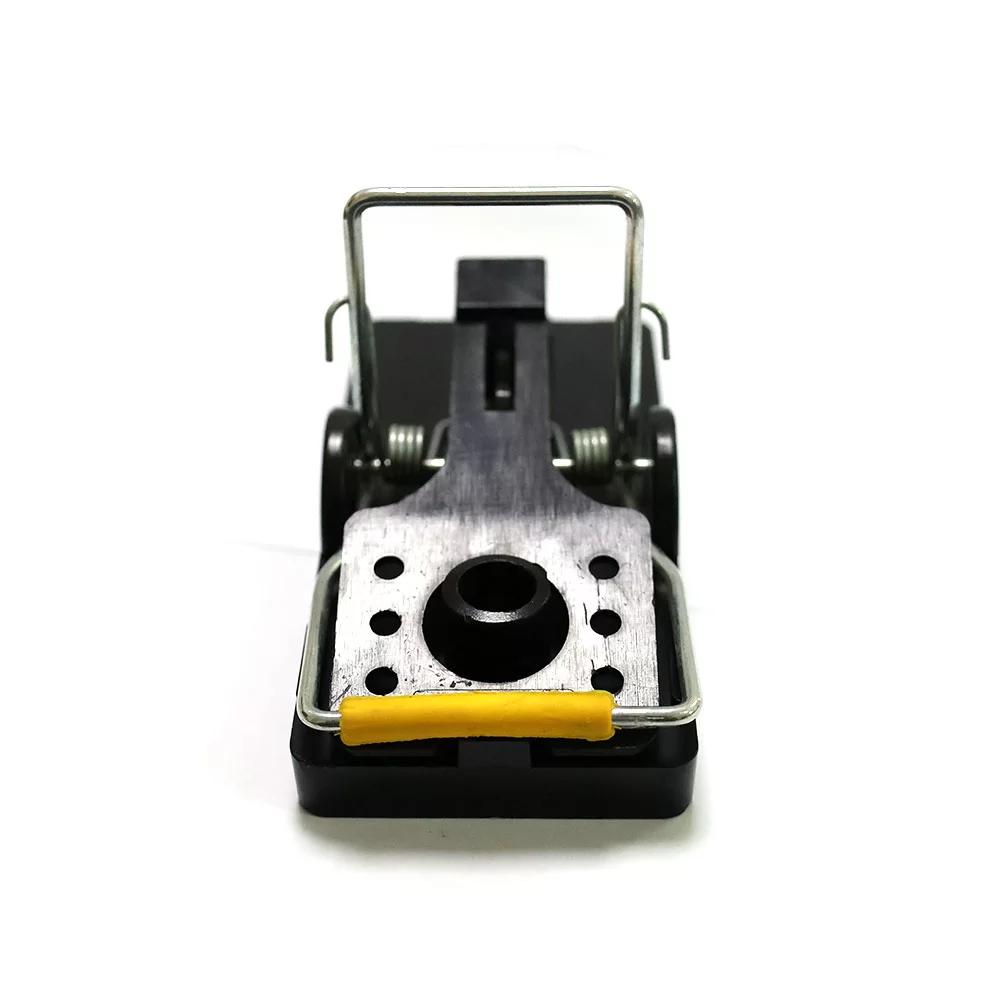
In simplest terms, pest control glue traps are adhesive-coated boards or sheets designed to capture pests when they walk across them. Unlike traditional snap traps or poison baits, they rely on a non-toxic sticky surface to immobilize rodents and insects.
This method, while old in concept, aligns well with modern industry demands for low-toxicity, reusable, and discreet pest management solutions. It's a direct response to the increasing global emphasis on sustainable and responsible pest control products.
Key Components of Pest Control Glue Traps
1. Adhesive Quality
The glue’s formulation dictates how effectively and humanely the trap works — it must be strong enough to hold a pest without drying out too quickly or becoming brittle over time. Usually, these adhesives are non-toxic and solvent-free.
2. Trap Base Material
Typically cardboard or plastic, the base must support the adhesive and sustain durability even in damp or dusty conditions.
3. Size & Design
Traps can vary in size from small insect-specific mats to larger board traps for rodents. Some have foldable or covered designs to keep captures discreet.
4. Safety Features
Modern traps often include child- and pet-proof designs, ensuring safety and compliance with urban regulations.
5. Packaging & Disposal
Ease of handling and environmentally responsible disposal methodologies are increasingly important to purchasers and regulators alike.
Typical Product Specifications for Pest Control Glue Traps
| Specification |
Typical Value |
Notes |
| Adhesive Type |
Non-toxic natural resin-based |
No solvents or hazardous chemicals |
| Trap Size |
30 x 20 cm (rodent); 10 x 10 cm (insect) |
Varies by pest target |
| Storage Life |
12 months unopened |
Keep cool and dry |
| Environmental Tolerance |
Humidity 30–80% |
Suitable for indoor and semi-outdoor use |
| Disposal |
Incineration or landfill compliant |
Check local regulations |
Vendor Comparison: Leading Pest Control Glue Trap Suppliers
| Vendor |
Product Range |
Price Range |
Special Features |
| StickyTrap Co. |
Insect & Rodent Traps |
$5–$20/unit |
Childsafe covers, quick adhesive setting |
| EcoGlue Solutions |
Mainly rodent-sized glue boards |
$8–$25/unit |
Fully biodegradable base, non-toxic adhesive |
| PestShield |
Wide range including custom sizes |
$10–$30/unit |
Reusable frames, moisture resistant backing |
Global Applications & Use Cases
Pest control glue traps find use in a surprising variety of scenarios. In urban environments across Europe and North America, they are standard fare in offices, restaurants, and hospitals where pesticide exposure is a concern.
On another front, agricultural supply chains in Southeast Asia employ these traps in storage warehouses to protect grains without contaminating food stocks—a crucial safeguard supported by organizations like the International Food Policy Research Institute.
Oddly enough, in disaster relief zones such as post-flood areas of Bangladesh, rapid deployment of such traps curbs the spike in rodent populations that typically follows water damage—avoiding larger public health crises.
So these traps are quietly crucial in so many fields.
Advantages and Long-Term Value
- Cost-Effective: Glue traps are inexpensive and can be deployed rapidly without specialist staff.
- Environmentally Friendly: Chemical-free adhesives reduce environmental toxins and pesticide residues.
- Reliability: Visual confirmation of captures allows better record keeping and pest population monitoring.
- Social Impact: Reduces disease vectors while maintaining dignity in pest control—no poisons or sprays.
Frankly, they inspire trust because the method is straightforward and observable. Plus, they align well with sustainable pest management principles put forward by the ISO (ISO 9001 standards on quality management).
Future Trends & Innovations
Looking ahead, the pest control glue trap market is seeing exciting developments. Advanced adhesives made with bio-based polymers offer longer shelf life and improved stickiness without harmful solvents.
Digital integration is another interesting frontier: some manufacturers experiment with sensors that alert users when a trap is activated—reducing unnecessary checks and improving hygiene.
Policies increasingly favor products that are biodegradable and avoid chemical toxins, pushing suppliers to innovate greener bases and more recyclable packaging.
Challenges & Solutions
That said, glue traps aren't without limitations. They may not capture all pest types equally well, and ethical concerns about animal welfare persist. For example, trapped animals can suffer if left unattended.
Experts suggest combining glue traps with other methods, regular checks to minimize suffering, and innovations in humane adhesives that disable pests quickly but minimize injury.
Training users on optimal deployment locations and disposal helps mitigate common mistakes.
FAQ: Your Questions About Pest Control Glue Traps Answered
Q1: Are pest control glue traps safe to use around children and pets?
A1: Most modern traps have safety covers or tamper-resistant designs to avoid accidental contact. However, placement in out-of-reach areas is recommended to ensure total safety.
Q2: How often should I replace a glue trap to ensure effectiveness?
A2: Typically, traps should be checked and replaced every 7-14 days, or immediately once a pest is caught to maintain adhesive strength and hygiene.
Q3: Can glue traps control large rodent infestations alone?
A3: Glue traps work well for monitoring and targeted control but are best used as part of an Integrated Pest Management plan alongside sanitation and exclusion measures.
Q4: Is disposal of used glue traps environmentally safe?
A4: Proper disposal depends on local regulations, but many traps are designed for incineration or landfill without hazardous impact. Biodegradable options further reduce environmental risks.
Q5: Where can I source high-quality pest control glue traps for business use?
A5: Numerous vendors specialize in commercial-grade traps. Consider suppliers offering compliance certifications, environmentally friendly adhesives, and customer support—like those listed above or visit pest control glue traps for options.
Wrapping Up: Why Pest Control Glue Traps Still Stick in 2024
Though simple in form, pest control glue traps remain a cornerstone of pragmatic, efficient pest management worldwide. Their blend of safety, affordability, and adaptability ensures they’re set to stay relevant. Whether protecting a food warehouse in Asia, a healthcare facility in Europe, or supporting emergency relief efforts somewhere flood-prone, they quietly keep humanity and hygiene aligned.
To explore the best in class and learn more about customization options or bulk purchasing, don’t hesitate to visit our website: pest control glue traps. There’s more to a sticky trap than meets the eye.
A small sticky reminder: effective pest control saves not just money, but lives too.
- Food and Agriculture Organization of the United Nations (FAO), Pest Loss Data: www.fao.org
- ISO 9001: Quality Management Standards, International Organization for Standardization: www.iso.org
- International Food Policy Research Institute (IFPRI), Agricultural Pest Control Reports: www.ifpri.org