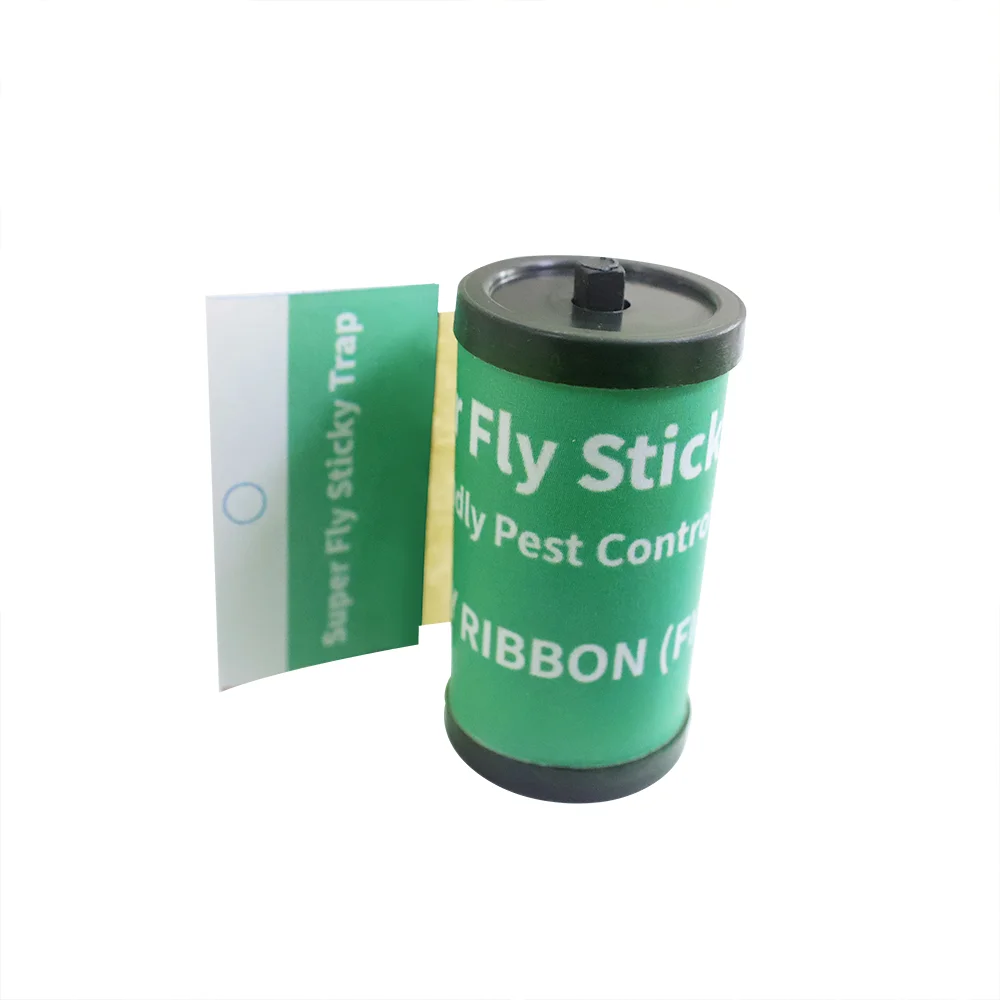
Understanding Glue Sticky Traps: A Simple Yet Powerful Solution
The humble glue sticky trap might seem, at first glance, just a sticky piece of cardboard or plastic, but its global significance is far-reaching. From controlling pest populations in agriculture to safeguarding public health in urban centers, these sticky devices quietly do heavy lifting. Learning about glue sticky traps is not just for pest control specialists; it’s a window into sustainable, low-cost pest management that has social, environmental, and economic ripple effects worldwide.
The Global Context: Why Glue Sticky Traps Matter More Than Ever
It’s surprising how something so simple can intersect with global challenges. The Food and Agriculture Organization (FAO) estimates that pests are responsible for up to 40% loss in global crop yields annually. In urban environments, pests contribute to disease transmission, affecting millions across continents. Here’s where glue sticky traps come in: affordable, chemical-free, and easy to deploy. They offer an alternative to harsh pesticides, aligning well with international goals like those of the World Health Organization (WHO) on reducing chemical exposures.
Yet, despite widespread usage, many pest management programs globally face challenges—resistance to chemicals, environmental concerns, and cost limitations.
What Exactly Are Glue Sticky Traps?
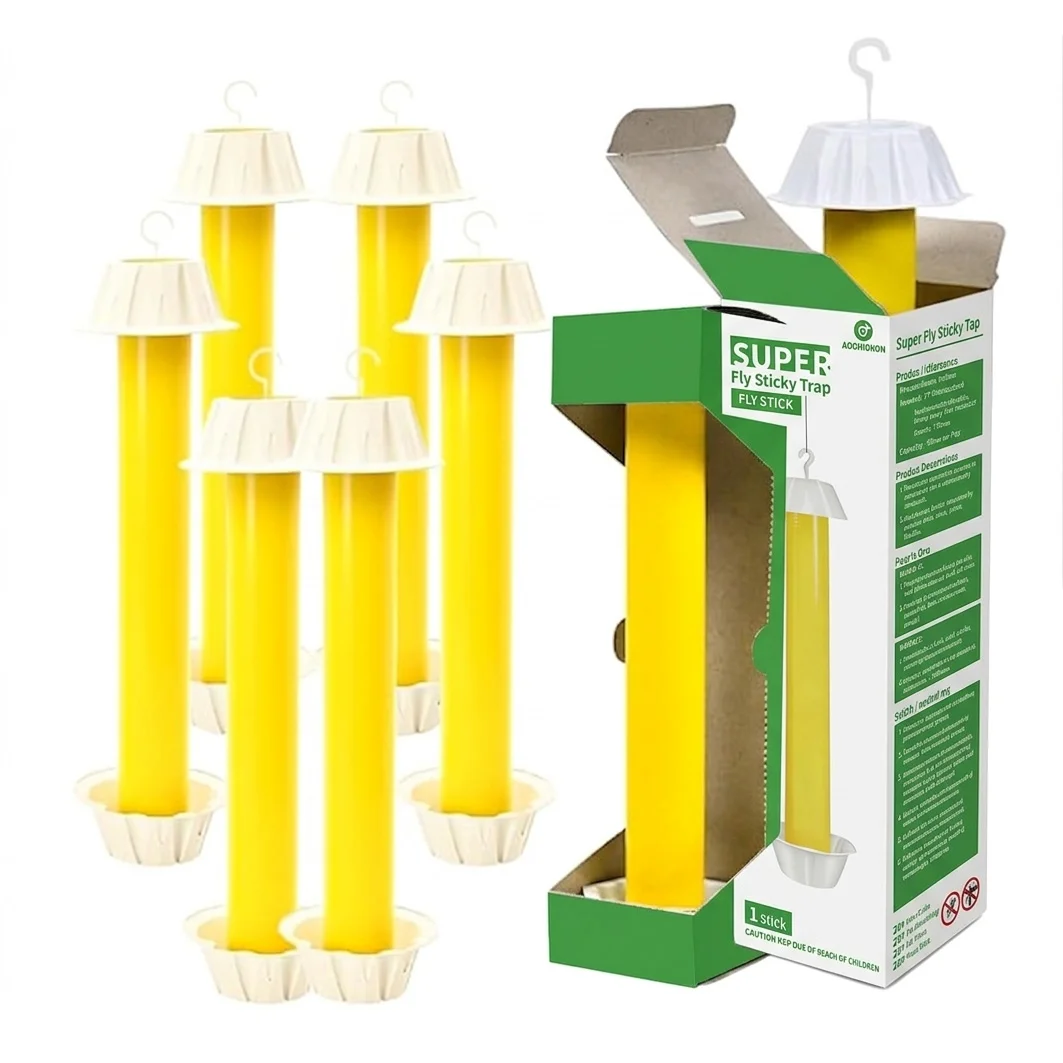
Simply put, glue sticky traps are sheets or boards coated with a non-drying adhesive layer designed to capture insects or rodents. These traps work by literally sticking pests as they crawl over the surface. You often find them in gardens, warehouses, food production facilities, and sometimes in public spaces.
In a broad industrial or humanitarian sense, glue sticky traps provide an eco-friendly tool that supports Integrated Pest Management (IPM) approaches, minimizing chemical use and promoting environment-safe control.
Core Components of Effective Glue Sticky Traps
1. Adhesive Strength and Durability
The key to any glue sticky trap’s success is its sticky surface. It must hold strong to prevent escape yet not dry out quickly. Manufacturers balance natural resins with synthetic gums to achieve a long-lasting adhesive that withstands variable temperatures and humidity—especially crucial for tropical or industrial environments.
2. Trap Material and Design
Most traps use cardboard or plastic bases. While cardboard is biodegradable and cheaper, plastic versions can be more durable and reusable. The size and color of the trap also play a subtle role — for instance, yellow boards attract certain pests more effectively.
3. Selectivity and Environmental Safety
These traps don’t discriminate, which can be a drawback if non-target species are caught. However, their chemical-free nature brings tremendous benefits for environments aiming to reduce toxin exposure and preserve biodiversity.
4. Cost Efficiency and Accessibility
Glue sticky traps often come at a fraction of the cost compared to chemical pesticides. This makes them especially valuable in developing countries or disaster relief zones where budgets and resources run thin.
5. Ease of Use and Deployment
They require minimal training to set up—no special machinery or expertise—which is why NGOs and small-scale farmers tend to favor them.
Mini Takeaway: The secret sauce behind glue sticky traps lies in their adhesive quality, material design, and ease of use—combining to make them a flexible, low-cost weapon against a global pest problem.
Real-World Applications: Wherever Pests Hide, Sticky Traps Follow
From the sprawling greenhouses of the Netherlands to urban restaurants in New York, glue sticky traps have found their niche. In agriculture, farmers use them to monitor and reduce populations of aphids, whiteflies, and moths without resorting excessively to pesticides.
In disaster relief operations—think flood-affected areas in Southeast Asia—these traps help prevent the spread of vector-borne diseases like dengue by capturing mosquitoes. Even in remote industrial zones, warehouses rely on sticky traps to protect stored grains and packaging.
Organizations such as the United Nations Environment Programme (UNEP) recommend glue sticky traps as part of sustainable pest control strategies.
Product Specification Table: Typical Glue Sticky Trap
| Specification |
Details |
| Dimensions |
20cm x 15cm (standard) |
| Adhesive Type |
Non-toxic, water-resistant synthetic resin |
| Base Material |
Corrugated cardboard or lightweight plastic |
| Shelf Life |
Up to 12 months unopened |
| Target Pests |
Flying and crawling insects, small rodents |
| Usage Environment |
Indoor/outdoor, temperature range: -10°C to 40°C |
Why Glue Sticky Traps Still Outperform Many Alternatives
In terms of cost, these traps are unbeatable, especially for small-scale operations or humanitarian agencies working under budget constraints. The absence of chemicals means less potential harm to workers, pets, and beneficial insects — a critical factor in eco-conscious settings.
Psychologically, having a visible, tangible method of pest control builds trust among communities wary of sprayed chemicals or poisons. It’s a nod to safety and simplicity that’s hard to replicate.
Environmental sustainability also plays a major role: fewer chemicals, reduced plastic waste when biodegradable variants are used, and low energy consumption in production.
Vendor Comparison Table: Popular Glue Sticky Traps on the Market
| Brand |
Base Material |
Adhesive Type |
Eco-Friendly? |
Average Price (per pack) |
| EcoTrap Pro |
Recycled cardboard |
Natural resin based |
Yes |
$12 (10-pack) |
| StickIt Plus |
Plastic laminated |
Synthetic resin |
No |
$15 (10-pack) |
| GreenCatch Basic |
Compressed fiberboard |
Bio-based adhesive |
Yes |
$10 (12-pack) |
Looking Ahead: Innovations on the Sticky Horizon
The glue sticky trap scene is evolving quietly but steadily. Biodegradable adhesives made from plant-based materials are becoming more common, easing concerns over waste and toxins. Some companies experiment with integrating pheromones or natural attractants to increase selectivity, thus reducing bycatch of non-target species.
Even digital transformation creeps in: smart traps equipped with sensors can now alert managers when pests are caught, enabling better monitoring and faster, data-driven responses.
Challenges Still Sticking Around (Pun Intended)
Despite merits, sticky traps have limitations. For one, they aren’t a standalone solution for heavy infestations. Catching pests doesn’t eliminate breeding sites or environmental factors. Some adhesives lose efficacy in humid or dusty environments, and traps can also trap unintended species.
Innovative manufacturers and researchers are investigating hybrid solutions — combining sticky traps with other baits or integrating them into broader IPM plans — to tackle these shortcomings.
FAQ: Your Glue Sticky Traps Questions Answered
Q1: How long does a glue sticky trap remain effective after being placed?
Generally, glue sticky traps remain sticky and effective for 4 to 6 weeks, depending on environmental conditions such as temperature and humidity. It’s best to monitor the trap regularly and replace it once it becomes dusty or saturated.
Q2: Can glue sticky traps be used outdoors safely?
Yes, but they should be placed in shaded or sheltered areas to maintain adhesive effectiveness. Outdoor use can be challenging in wet or extreme climates, so using plastic-based traps with water-resistant adhesives is advisable.
Q3: Are glue sticky traps safe for pets and children?
While the adhesive is generally non-toxic, traps can stick to pets' paws or children’s hands by accident. It’s best to place them out of reach and monitor daily.
Q4: How do glue sticky traps compare to chemical pesticides?
Sticky traps are non-chemical, making them safer for the environment and human health. However, they are mainly for monitoring or controlling low-to-moderate pest levels and are best used alongside other methods for severe infestations.
Q5: Can glue sticky traps capture rodents effectively?
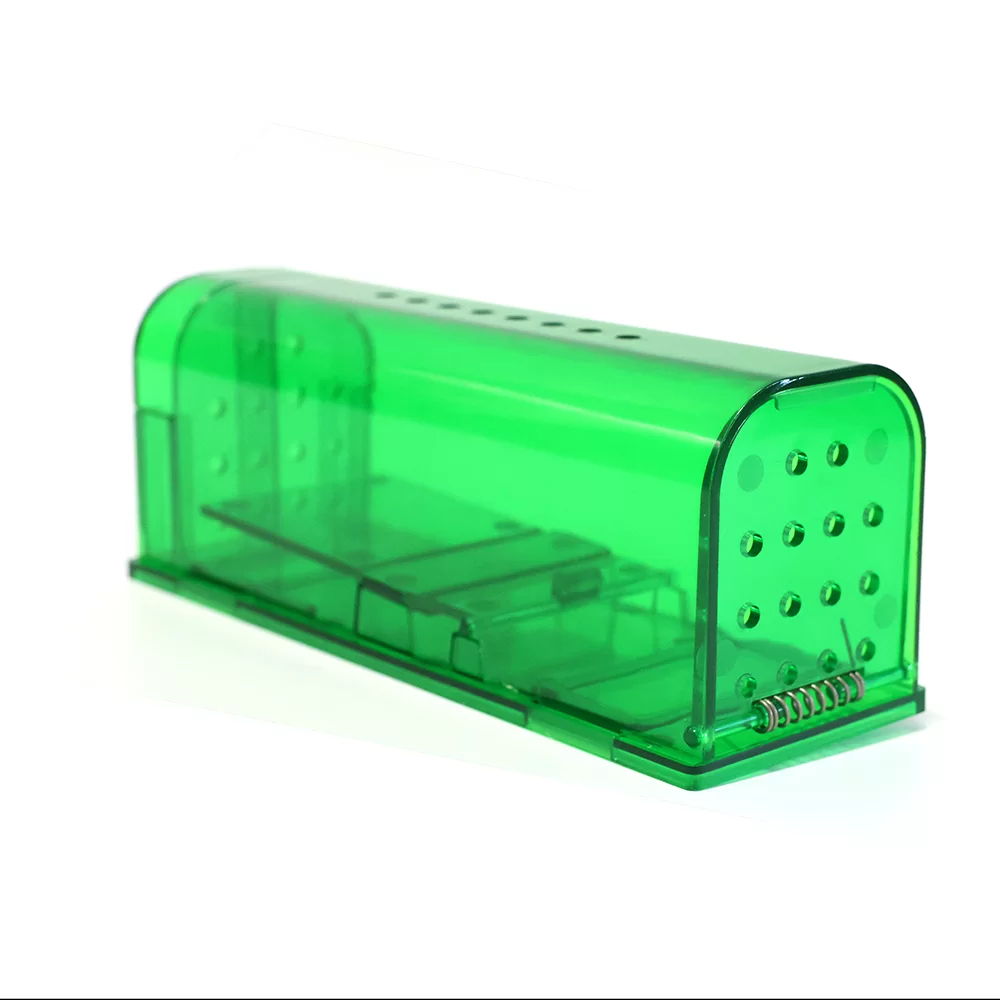
Some larger and stronger glue traps do work for small rodents, but they are controversial due to animal welfare concerns. Many pest control professionals recommend snap traps or live traps for rodents to ensure humane handling.
Mini Takeaway: Glue sticky traps are versatile and safe but require correct placement and care. They shine best as part of a larger, integrated pest management system.
Conclusion: The Sticky Promise for Sustainable Pest Control
Glue sticky traps are a deceptively simple yet highly impactful part of our global pest control toolkit. Their affordability, environmental safety, and adaptability make them indispensable in agriculture, public health, and humanitarian response settings. As materials innovate and smart technology enters the picture, these sticky solutions will only become smarter, greener, and more user-friendly.
Curious to explore the best glue sticky traps for your needs? Visit our website: glue sticky traps and find the perfect match for your pest control challenges.
References
- Food and Agriculture Organization (FAO) - Pest management
- World Health Organization (WHO) - Vector control guidelines
- United Nations Environment Programme (UNEP) - Sustainable pest control