Why Cockroach Sticky Traps Matter Worldwide
It’s strange to think that something as tiny and seemingly insignificant as a cockroach sticky trap can stretch its importance across continents and industries. But in reality, these little pest control marvels play a surprisingly critical role in safeguarding health and hygiene globally. Cockroach infestations are not just a nuisance — they’re linked to spreading allergens and disease-causing pathogens, especially in crowded urban environments and post-disaster zones.
Understanding how cockroach sticky traps work and why they remain essential offers insights that go beyond just “catching bugs.” It’s about public health, sustainability, and even economic stability, from family homes to logistics hubs. Plus, they’re generally simple, affordable, and adaptable, fitting neatly into various global contexts where other methods might be too costly or impractical.
Introduction: The Global Context Surrounding Cockroach Sticky Traps
Globally, urban populations are booming, and so are the challenges of managing pests in dense environments. The World Health Organization estimates that over 2 billion people live in informal urban settlements where pest control infrastructure is often limited. Cockroaches thrive in these conditions, contributing to the spread of bacteria and triggering asthma and allergies. According to ISO standards on pest management (ISO 15686-14), sticky traps provide a non-toxic, chemical-free monitoring and control technique widely accepted in food processing, hospitality, and healthcare sectors.
But here’s the rub: deploying effective pest traps must contend with fast-changing environments, limited budgets, and environmental concerns. Cockroach sticky traps help fill this gap by providing a practical, low-maintenance solution that works in settings from developing countries to industrialized nations.
Mini takeaway: Cockroach sticky traps address a real and pressing global health challenge by offering accessible, regulated pest control options.
What Exactly Are Cockroach Sticky Traps?
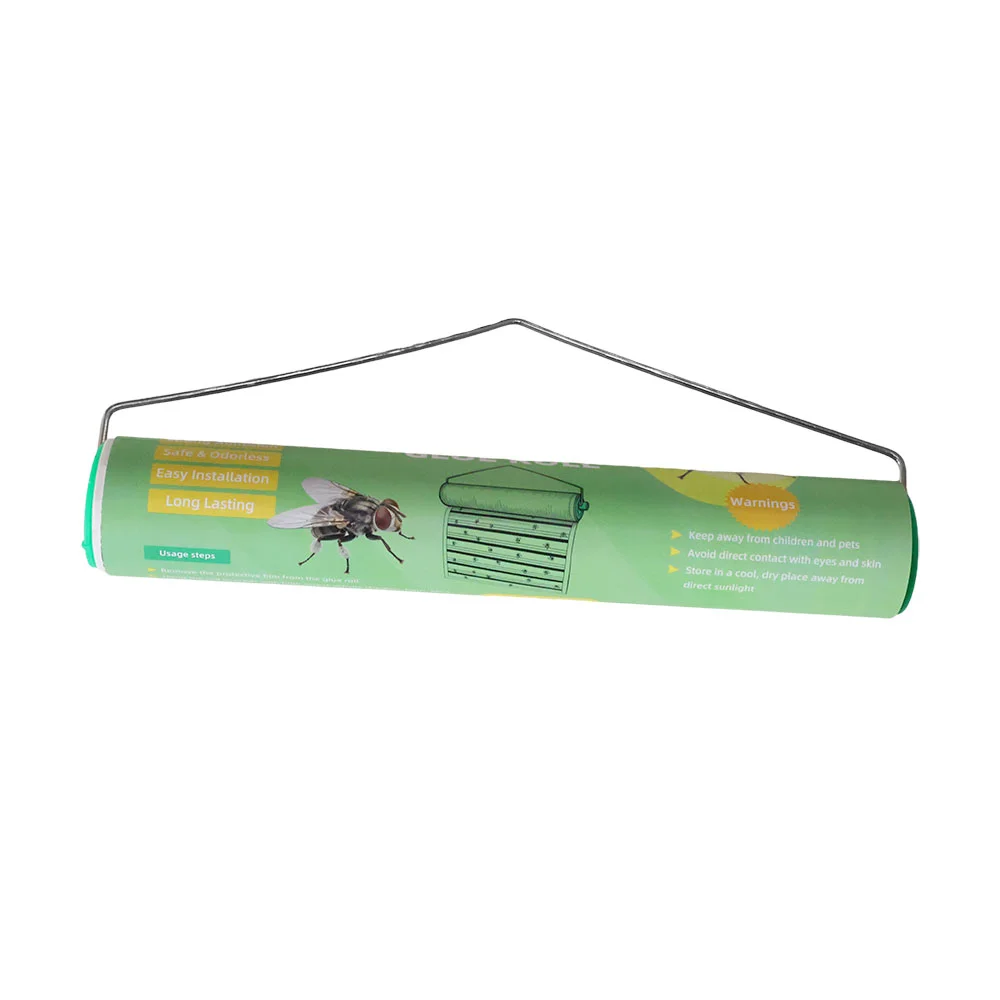
At their heart, cockroach sticky traps are simple sticky pads or baited cardboard devices that capture cockroaches by adhesion. No poisons, no sprays—just a tacky surface that immobilizes the pest upon contact.
These traps serve as both a monitoring tool—letting pest managers gauge infestation levels—and a control method by physically removing pests. They align closely with integrated pest management (IPM) principles that emphasize reducing chemical use and minimize environmental impact.
In many humanitarian and industrial contexts, from refugee camps to shipping containers, cockroach sticky traps provide safe, easy-to-deploy pest control without specialist training or equipment.
Key Features of Effective Cockroach Sticky Traps
1. Durability
A good sticky trap must endure humid or dusty conditions without losing its adhesion. Many manufacturers use waterproof, grease-resistant surfaces to ensure long-lasting effectiveness, especially in kitchens or warehouses.
2. Non-Toxicity and Safety
Since sticky traps contain no chemicals or poisons, they’re safer for use around children, pets, and food preparation areas. This safety factor makes them popular in restaurants, hospitals, and schools.
3. Size and Design
Varied shapes and sizes—foldable corner traps, flat plates, or baited strips—allow usage in narrow spaces or high-traffic zones. The trap design influences both catch efficiency and ease of disposal.
4. Cost Efficiency
Sticky traps generally cost less than chemical sprays or electronic devices, making them more scalable across multiple locations. Bulk purchasing further brings down unit costs, which is crucial for large-scale pest control.
5. Environmental Impact
Disposable traps must balance material durability and biodegradability—a tradeoff that manufacturers continue to refine with recycled cardboard and non-toxic adhesives.
Product Specification Table: Typical Cockroach Sticky Trap
| Feature |
Specification |
| Size |
12 x 8 cm (foldable card) |
| Adhesive Type |
Non-toxic, water-resistant glue |
| Shelf Life |
18 months |
| Color |
Neutral brown (camouflages in kitchens) |
| Packaging |
Bulk packs of 50 or 100 units |
| Intended Use |
Indoor monitored pest control |
Applications Across the Globe
Inspecting worldwide use cases, cockroach sticky traps pop up in the most unexpected places. In Southeast Asia, where tropical climates accelerate pest proliferation, these traps help local food markets safeguard hygiene. In refugee camps across the Middle East and Africa, NGOs rely on them for fast-deploy pest management that wouldn't risk chemical exposure.
Even in urban warehouses in Europe and North America, sticky traps act as critical early warning systems, helping facilities manage pest ingress without harmful pesticides, crucial for fulfilling stringent food safety certifications.
Interestingly, shipping containers loaded with fresh produce or pharmaceuticals often have sticky traps placed strategically to control pests during transport—a simple tool that protects multimillion-dollar cargo.
Mini takeaway: Whether in disaster relief, urban sanitation, or global logistics, cockroach sticky traps fit diverse needs and environments, proving their versatility and reliability.
Benefits and Lasting Impact of Cockroach Sticky Traps
Cost-wise, they’re a no-brainer for facilities juggling tight budgets. Seriously, buying a pack of sticky traps weighs far less on the purse than fumigation. Plus, not relying on poison means minimal environmental contamination and no hazardous residues, which protects vulnerable populations and ecosystems alike.
As for user experience, the traps provide peace of mind. There’s reassurance in seeing results visible on the sticky surface—straightforward evidence that pest control is working without guesswork. This transparent approach builds trust among building managers, health officials, and even tenants.
Long term, switching to mechanical traps can contribute to reducing pesticide resistance—a growing problem worldwide—while enhancing integrated pest management strategies that promote sustainable environments.
Emerging Trends in Cockroach Sticky Trap Technology
In recent years, manufacturers have played with smarter adhesives that last longer without drying out, and the integration of pheromones to increase cockroach attraction. Even biodegradable materials have gained traction as the eco-conscious mindset pervades the industry.
Looking forward, we see digital transformations too, like smart traps equipped with sensors capable of notifying pest managers when a catch occurs—ideal for large-scale operations wanting remote monitoring to reduce labor.
There’s also a push towards automation and sustainable production, such as using recycled materials and non-toxic glues derived from natural substances. These innovations promise to keep cockroach sticky traps both environmentally friendly and highly effective.
Overcoming Common Hurdles
While sticky traps are reliable, they’re not foolproof. Their efficacy depends on correct placement and regular monitoring. Sometimes, traps can appear underwhelming if pests avoid the bait or if adhesive surfaces dry out too quickly in extreme conditions.
To mitigate this, experts recommend combining sticky traps with other IPM techniques—seal entry points, maintain cleanliness, and rotate trap types to prevent cockroach habituation. User training also ensures traps don’t get overlooked.
Innovations like adhesive rejuvenators and increased bait attractiveness are also addressing these challenges, improving consistency in capturing even savvy cockroaches.
FAQ: Practical Answers About Cockroach Sticky Traps
- 1. How long do cockroach sticky traps remain effective once placed?
- Typically, sticky traps remain effective for 2 to 4 weeks after placement. However, environmental factors like humidity or dust can reduce adhesive strength, so regular inspection and replacement are recommended.
- 2. Can cockroach sticky traps replace chemical pest control methods?
- Sticky traps are best used as part of an integrated pest management strategy. They monitor and reduce pest populations without chemicals, but severe infestations may require additional treatments.
- 3. Are these traps safe to use around children and pets?
- Yes, cockroach sticky traps are non-toxic and generally safe to use in homes with children and pets, as they do not contain poisons or sprays.
- 4. How should I dispose of used sticky traps?
- Used traps should be sealed in plastic bags and disposed of with regular waste. Handling with gloves is advisable to avoid contact with trapped pests and allergens.
Vendor Comparison for Popular Cockroach Sticky Traps
| Vendor |
Product Name |
Price per 50 units |
Adhesive Type |
Shelf Life |
Eco-friendly Materials |
| UltraPest |
StickyGuard Pro |
$33.50 |
Waterproof synthetic glue |
18 months |
No |
| EcoTrap |
GreenStick BioTrap |
$38.00 |
Natural resin adhesive |
12 months |
Yes |
| SafeNest |
TrapMate X |
$30.75 |
Non-toxic synthetic glue |
24 months |
No |
Final Thoughts
All in all, cockroach sticky traps remain a surprisingly powerful tool in the pest control arsenal. Their ease of use, safety, and adaptability make them perfect for a wide range of settings, from disaster relief to sophisticated supply chains. If you want to keep your spaces clean without harmful chemicals or complicated procedures, sticky traps are truly worth considering. For more options and expert advice, be sure to visit our website: cockroach sticky traps.
References
- World Health Organization - Pests and disease transmission
- ISO 15686-14: Building and construction — Service life planning — Part 14: Design Life of Pest Control Measures
- Wikipedia - Cockroach