Bug Sticky Trap for Plants: Your Green Garden’s Silent Guardian
When you hear “bug sticky trap for plants,” you might think of something simple—a strip of sticky paper catching flies, right? Well, yes—and no. These traps have become a crucial eco-friendly instrument in sustainable agriculture and home gardening alike, helping growers worldwide reduce chemical pesticide use and protect their plants naturally.
Why Do Bug Sticky Traps Matter Globally?
In an era where the United Nations emphasizes sustainable agricultural practices to feed a growing world population without wreaking havoc on ecosystems, sticky traps are quietly achieving something significant. According to the Food and Agriculture Organization (FAO), pest control losses reduce crop yields by up to 40% in developing countries. Bug sticky traps for plants present a low-cost, pesticide-free approach that helps mitigate this. Oddly enough, while they’re simple, their impact extends far beyond garden beds — from commercial greenhouses in Europe to small-holder farms across Asia and Africa.
Defining Bug Sticky Trap for Plants
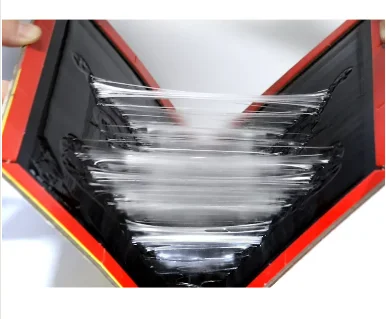
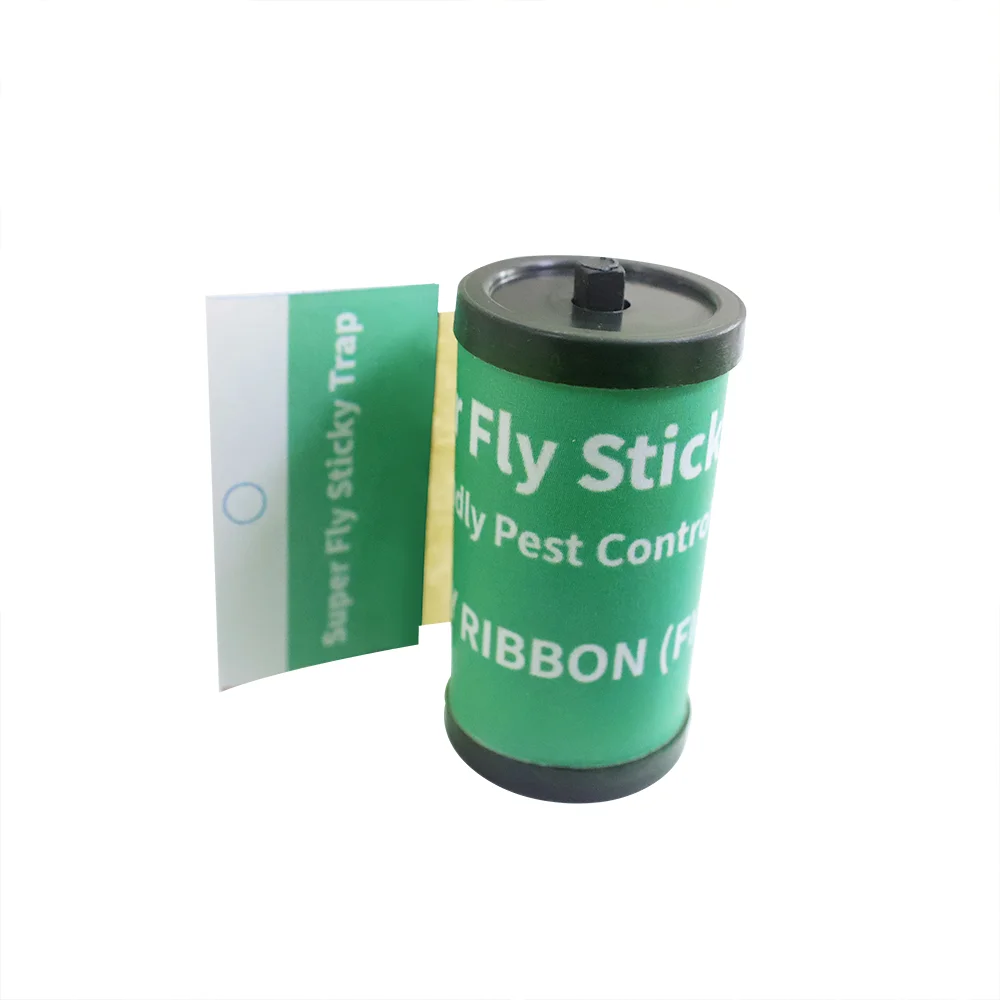
In simple terms, a bug sticky trap for plants is a piece of brightly colored (usually yellow) adhesive-coated material that attracts and captures flying insect pests such as whiteflies, aphids, and fungus gnats. The yellow hue draws pests in, while the sticky surface prevents their escape. It’s a passive, chemical-free pest control method that connects to the modern green industry’s ambition to marry productivity with sustainability.
Core Components of Effective Bug Sticky Traps
1. Color & Attractiveness
The bright yellow shade is not accidental; it’s scientifically proven to lure many sap-sucking pests. Some traps now use varying colors tailored to specific target insects — a nifty example of customization.
2. Adhesive Quality
A sticky trap’s secret weapon is its adhesive. It needs to be tacky enough to capture bugs but not so strong that it deteriorates plant health or shows excessive dust buildup.
3. Material Durability
Weather resistance matters, especially for outdoor use. Many sticky traps use polyethylene or UV-resistant plastic to endure sun and rain over weeks without losing effectiveness.
4. Size and Shape
From small strips for indoor plants to larger panels for agricultural fields, size affects coverage. The shape also matters when it comes to easy installation — some are foldable or have stakes for ground insertion.
5. Environmental Safety
Being non-toxic and pesticide-free is the hallmark of these traps’ appeal. Unlike pesticides, they do not harm beneficial insects like bees.
Typical Product Specifications
| Feature |
Details |
| Dimensions |
4 in × 6 in strip (common) |
| Color |
Bright Yellow / Blue (target-specific) |
| Adhesive Type |
Non-toxic, tacky glue |
| Material |
Polyethylene or UV-resistant plastic |
| Usage Span |
2-4 weeks outdoor/indoor |
Global Applications and Use Cases
From the verdant greenhouse fields in the Netherlands to the smallholder farms in Vietnam, bug sticky traps for plants have proven invaluable. In tropical regions, they help reduce outbreaks of whiteflies that decimate tomato crops. In urban settings, they manage indoor plant pests without harsh chemicals near children and pets. Humanitarian agricultural nonprofits also distribute these traps in vulnerable regions to support food security. And frankly, they’re a gardener’s best friend globally.
For instance, during the post-hurricane recovery in the Caribbean, local farmers used sticky traps to curb insect-borne crop diseases as availability of pesticides was limited. This simple intervention helped boost local food production back on track.
Comparison of Leading Vendors
| Vendor |
Product Range |
Price per Pack |
Eco-Friendliness |
Adhesive Longevity |
| GreenGuard |
Yellow, Blue, Custom Sizes |
$12 (10 pcs) |
Recyclable materials |
Up to 4 weeks |
| EcoTrap |
Yellow only, standard size |
$8 (10 pcs) |
Biodegradable adhesive |
3 weeks |
| AgriStick |
Multiple colors, with stakes |
$15 (10 pcs) |
UV-resistant plastic |
Up to 5 weeks |
Advantages and Long-Term Value
Sticky traps aren’t just a bit of glue on paper. They represent a shift toward safer, sustainable plant care. The advantages are many:
- Cost-Effectiveness: Compared to pesticides, they're affordable and reduce long-term environmental cleanup costs.
- Environmentally Friendly: No chemical residue, so no harm to bees or soil microbiomes.
- Simple to Use: No special equipment or training required.
- Early Pest Detection: They act as monitoring tools — letting growers act before infestations get out of hand.
Emotionally, they offer peace of mind. Knowing your plants are guarded without harsh chemicals feels… well, right. It’s a trust-in-nature approach.
Future Trends and Innovations
Innovation isn’t absent here. The latest developments include:
- Smart Sticky Traps: Embedded sensors to detect and count trapped pests, syncing with mobile apps.
- Biodegradable Materials: Making traps fully compostable for zero waste.
- Targeted Color Variations: Tailoring hues to attract specific pests more efficiently.
- Integration with IPM (Integrated Pest Management): Using traps strategically with biological controls.
Challenges and Practical Solutions
Not to sugarcoat, there are limitations:
- Limited Effectiveness for Non-Flying Pests: Sticky traps don’t catch crawling insects effectively.
- Adhesive Longevity: Dust and rain can reduce stickiness, requiring frequent replacement.
- Bycatch Concerns: Occasionally they trap beneficial insects, requiring careful placement.
Experts often recommend routine monitoring, combining traps with natural predators, and placing traps away from flowering plant clusters to minimize unintended catches. It’s kind of a balancing act but achievable.
FAQ: Frequently Asked Questions About Bug Sticky Trap for Plants
- How often should I replace bug sticky traps for plants?
- Typically every 2 to 4 weeks, depending on weather and pest pressure. Replace sooner if the surface becomes covered with dust or captured insects.
- Can these traps harm beneficial insects?
- While sticky traps mostly target flying pests attracted to yellow, some beneficial insects may get caught if placed indiscriminately. It’s best to position traps away from flowers frequented by pollinators.
- Are yellow sticky traps better than blue ones?
- Yellow traps attract a broader range of pests like aphids and whiteflies. Blue traps target fungus gnats more effectively. Selecting colors depends on the specific pest problem.
- Can I use bug sticky traps indoors?
- Absolutely. They are great for indoor plants and greenhouses to control pests safely without chemicals, especially in areas with children or pets.
- Where can I buy quality sticky traps?
- Reliable sources include local agricultural suppliers, garden centers, or reputable online vendors. For more options, visit bug sticky trap for plants suppliers.
Conclusion
All in all, bug sticky traps for plants are a small but vital piece of the sustainable gardening and farming puzzle. They’re low-cost, effective, and eco-friendly, helping protect plants and ultimately supporting food security in many corners of the world. Whether you’re an urban gardener or a commercial grower, these sticky heroes deserve a spot in your pest control toolkit.
To explore quality options and get started protecting your plants naturally, visit us at bug sticky trap for plants.
Mini Takeaways
- Sticky traps reduce reliance on chemical pesticides globally.
- Key features include color, adhesive quality, and durability.
- Benefits span from cost savings to environmental safety.
- Innovations like smart traps promise greater efficiency ahead.
- Best used as part of an integrated pest management approach.
References
- Food and Agriculture Organization of the United Nations (FAO)
- Wikipedia: Pest Control
- ISO Standards on Sustainable Agriculture – ISO 58257