What Are Birdflee Polycarbonate Bird Spikes and Why They Matter Globally
Bird infestations are more than just a noisy nuisance — they cause real damage to urban environments, workplaces, and agricultural assets worldwide. Enter birdflee polycarbonate bird spikes: a smart, humane, and increasingly popular solution to keep birds at bay without harming them. Understanding these bird deterrents isn't just about keeping your rooftop clean; it impacts public health, infrastructure longevity, and even global food security. In today's crowded cities and sprawling farmlands, these spikes are quietly helping solve a surprisingly widespread problem.
Mini takeaway: Birdflee polycarbonate bird spikes represent a practical way to combat bird-related damage worldwide and improve urban and rural living conditions.
Birdflee Polycarbonate Bird Spikes: A Global Perspective
Why are bird deterrents such a global concern? According to the Food and Agriculture Organization of the United Nations (FAO), birds cause billions of dollars in crop damages yearly. In megacities, droppings can accelerate corrosion on public structures and spread diseases, a real headache in healthcare terms. Birdflee polycarbonate bird spikes have become an industry favorite due to their lightweight, durable construction and eco-friendly manufacturing standards that meet ISO 9001 and ISO 14001 certifications.
Urban planners, agricultural managers, and conservationists across Europe, North America, and Asia are adopting these spikes to control bird populations humanely. For instance, in rapidly expanding Chinese cities, bird damage to power stations and historical monuments is pushing operators to install these deterrents on a wide scale. The spikes contribute to sustainability goals by reducing the reliance on poisons or lethal traps.
Mini takeaway: With strong backing from international standards and global urbanization trends, birdflee polycarbonate bird spikes fill a critical role in environment management.
Defining Birdflee Polycarbonate Bird Spikes in Simple Terms
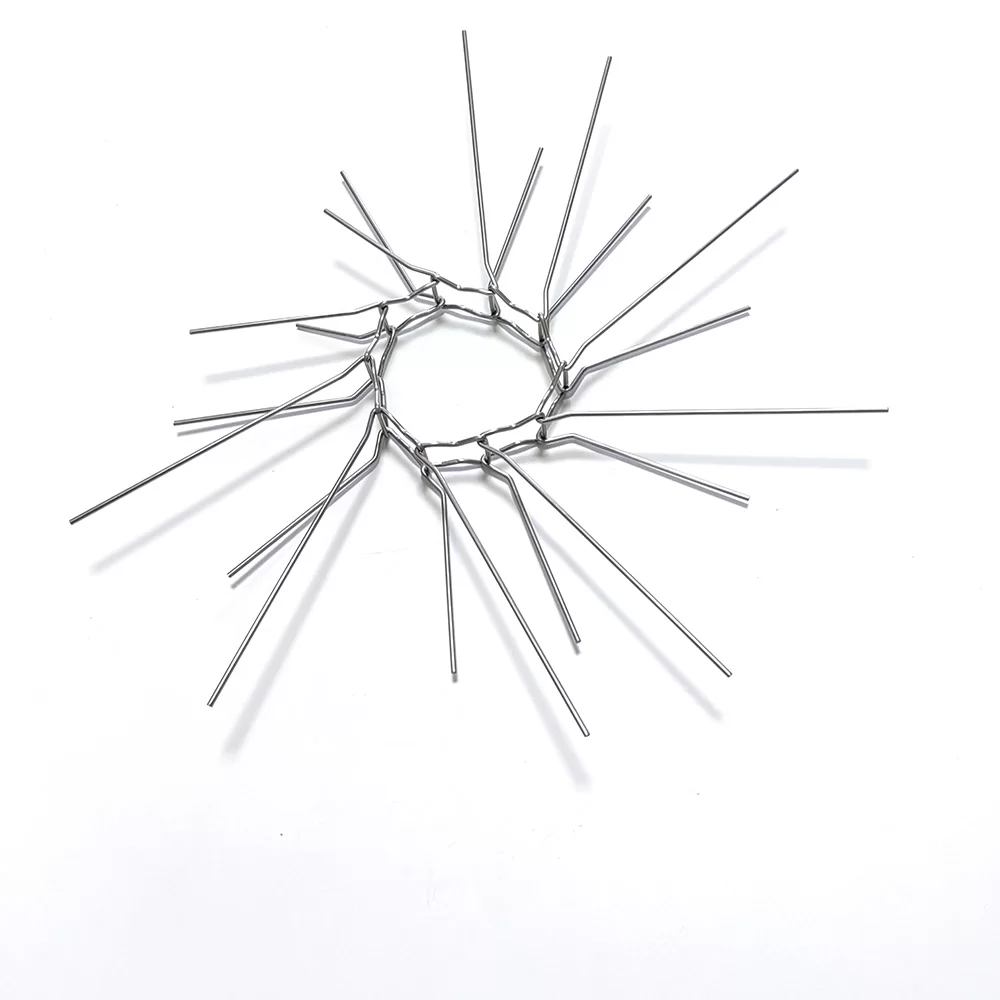
At its core, a birdflee polycarbonate bird spike is a set of narrow, pointed prongs made from robust polycarbonate plastic that prevents birds from perching or nesting on ledges, rooftops, or other strategic surfaces. Unlike metal spikes, polycarbonate is UV stable, weather-resistant, and virtually unbreakable, balancing strength with flexibility. Manufacturers create these spikes to be humane, according to guidelines from environmental and animal welfare organizations—as the spikes discomfort but do not harm.
Today’s spikes align with needs in crowded urban architecture, protecting cables, signs, and rooftop HVAC units from costly bird fouling. Humanitarian installations, like health clinics in vulnerable regions, also rely on these spikes to maintain hygiene standards and protect equipment integrity.
Mini takeaway: Simply put, birdflee polycarbonate bird spikes are tough, humane guards crafted to keep birds off sensitive and valuable surfaces.
Key Features That Make Birdflee Polycarbonate Bird Spikes Stand Out
Durability
Polycarbonate material withstands temperatures ranging roughly from -40°C to +120°C, resisting UV rays, moisture, and harsh weathering without yellowing or cracking. That’s a must in climates from the chilly Scandinavian winters to scorching Middle Eastern summers.
Installation Ease
These spikes often come in modular strips that can be screwed, glued, or nailed to virtually any surface. This flexibility reduces labor costs and downtime, critical for municipal projects or industrial maintenance windows.
Environmental Safety
Unlike metal spikes that may corrode or break, polycarbonate spikes maintain integrity over years without releasing harmful substances, matching modern eco-conscious regulations.
Cost Efficiency
While the upfront cost is slightly higher than plastic spikes made from cheaper polymers, their longevity and minimal maintenance translate into lower total cost of ownership over a decade or more.
Customizability
Vendors offer various lengths, spike heights (usually 60 to 120 mm), and base widths to suit different building types and bird species — from feral pigeons to crows or seagulls.
Mini takeaway: The secret sauce is in the blend of durable, safe, and versatile qualities that keep these spikes practical and cost-effective on multiple fronts.
Where Are Birdflee Polycarbonate Bird Spikes Used Worldwide?
In Europe, heritage preservation bodies in Italy and the UK use them extensively to protect statues and building cornices without harming visual appeal. Urban transit authorities in Germany install spikes on ledges of train stations to prevent pigeon gatherings, improving cleanliness and passenger comfort.
Across the U.S. agricultural belt, farmers place these birdflee polycarbonate deterrents on machinery and grain silos, mitigating crop loss and equipment damage. Post-hurricane recovery teams in the Caribbean have also adopted them to curb bird interference with solar panels and water tanks, ensuring more resilient infrastructure.
Industrial parks in Asia and Middle East energy plants rely on them to prevent bird nests in ventilation systems, which could cause outages or fire risks.
Typical Specifications of Birdflee Polycarbonate Bird Spikes
| Specification |
Details |
| Material |
UV stabilized polycarbonate |
| Spike Height |
60mm, 90mm, 120mm variants |
| Base Width |
30mm - 60mm |
| Weather Resistance |
Extreme temperatures, UV, moisture |
| Installation Methods |
Screws, adhesives, nails |
| Lifespan |
10+ years |
Mini takeaway: These spikes aren’t “one size fits all”—their technical specs serve diverse settings, from heritage sites to industrial zones.
Why These Spikes Are a Long-Term Investment
At face value, birdflee polycarbonate bird spikes might seem like a simple product. But beyond that, they offer reliability that pays off sooner than you expect. Maintenance teams save time and money by avoiding constant cleaning or repairs due to bird droppings or nests.
From an emotional standpoint, building managers gain peace of mind. The spikes offer a humane bird control method that aligns with contemporary values of safety and animal welfare — no gruesome traps or poisons involved.
Environmentally, the spikes’ durability limits replacement waste, and their recyclable quality adds to sustainability credentials. For high-profile sites — say a public museum or hospital — trust and dignity come into play as well, since clean, bird-free spaces promote positive visitor impressions.
Mini takeaway: Investing in these spikes blends financial sense with intangible benefits like safety, public image, and ethical stewardship.
Innovation on the Horizon: What’s Next for Birdflee Polycarbonate Bird Spikes?
Manufacturers are exploring integrating recycled polycarbonate into spikes, aiming to further reduce environmental impact. Some companies are experimenting with “smart” installations that combine spikes with motion sensors and ultrasonic bird deterrents for adaptive, energy-saving efforts.
Digitally-driven ordering systems enable custom shapes and on-site measurements via augmented reality apps, speeding up project timelines and reducing errors. On policy fronts, stricter animal welfare laws encourage humane deterrents, making birdflee spikes a safer bet for regulatory compliance.
In some green architectural designs, spikes come paired with solar-reflective coatings to minimize heat absorption on rooftops, inadvertently enhancing energy efficiency.
Mini takeaway: The future looks like smarter, greener, and more integrated birdflee polycarbonate bird spikes that suit evolving urban challenges.
Overcoming Common Challenges in Bird Control
Of course, bird control isn’t perfect. One challenge: spikes alone sometimes push birds to neighboring spots, creating “spillover.” Combining spikes with other methods — netting, visual deterrents, or habitat modification — often yields better results.
Installation on irregular or ornately shaped surfaces can be tricky. Interestingly, some vendors now provide flexible, cut-to-fit strips or even 3D-printed custom forms to address this.
Weather extremes like heavy snow can reduce spike effectiveness temporarily, which is why maintenance schedules that include seasonal checks are recommended.
Mini takeaway: Birdflee polycarbonate bird spikes perform best as part of an integrated bird management plan, with expert installation and care.
FAQ: Common Questions About Birdflee Polycarbonate Bird Spikes
- Q: How long do birdflee polycarbonate bird spikes typically last outdoors?
A: Thanks to UV stabilization and weather resistance, they usually last 10 years or more with minimal maintenance, outperforming many traditional materials.
- Q: Are these spikes safe for all types of birds?
A: Yes. The spikes are designed to prevent landing but not injure birds, abiding by humane guidelines popular with wildlife authorities.
- Q: Can birdflee polycarbonate bird spikes be installed on curved or uneven surfaces?
A: Most products come in flexible strips or can be custom-shaped on-site; some companies even offer custom fabrication for complex areas.
- Q: How do polycarbonate spikes compare with metal ones?
A: Polycarbonate spikes resist corrosion and UV damage better, are lighter, and are often considered more aesthetically pleasing due to their translucence.
- Q: Is there an eco-friendly aspect to birdflee polycarbonate bird spikes?
A: Absolutely. Many manufacturers use recycled materials, and the product itself is recyclable and reduces the need for chemical bird deterrents.
How Top Vendors Stack Up: A Quick Comparison
Vendor Comparison of Birdflee Polycarbonate Bird Spikes
| Vendor |
Material Quality |
Customization |
Installation Support |
Sustainability Practices |
Price Range |
| HBA Archerfish |
High-grade UV stabilized polycarbonate |
Full custom sizing & flexible strips |
Comprehensive tech support & tutorials |
Uses recycled content, fully recyclable product |
Mid to premium |
| SafeNest Co. |
Standard polycarbonate blend |
Limited sizes, mostly standard lengths |
Online guides only |
Basic environmental certifications |
Budget-friendly |
| EcoGuard Solutions |
Recycled polycarbonate composite |
Custom runs for large orders |
Project consulting available |
Strong sustainability focus |
Mid range |
Wrapping Up: Why Birdflee Polycarbonate Bird Spikes Make Sense Today
In real terms, birdflee polycarbonate bird spikes combine innovation, durability, and ethical bird control that's needed more than ever in our thinning natural habitats and expanding urban jungles. They’re a long-term solution for anyone from city facilities to rural farms, carrying environmental benefits and practical cost savings. If you’re considering humane, reliable bird deterrents that stand the test of time, you might want to check out
birdflee polycarbonate bird spikes and see what suits your needs — for cleaner, safer, and smarter spaces.
Thanks for joining me through this deep dive. Remember, managing our avian cohabitants isn’t just about fences and spikes; it’s about smart coexistence.
References
- Food and Agriculture Organization (FAO)
- ISO 9001 Quality Management
- Bird control - Wikipedia