Understanding Bird Netting for Solar Panels: Why It Matters Now More Than Ever
Solar power is surging globally, and with that growth comes a not-so-obvious challenge: protecting solar panels from birds. Yes, birds! Bird netting for solar panels has emerged as a surprisingly crucial solution to maintaining solar farms’ efficiency and longevity. Worldwide, as countries strive to achieve cleaner energy goals, keeping solar arrays clean and intact isn’t just a maintenance matter—it’s about energy output, safety, and even wildlife protection.
With the International Renewable Energy Agency (IRENA) projecting solar capacity to triple by 2030, and urban solar installations becoming common, understanding bird protection has become industry-critical. It’s a winning synergy of environmental sustainability and practical energy management.
Mini takeaway: Bird netting for solar panels ensures panels stay efficient and undamaged, directly supporting the global green energy transition.
Why Bird Netting for Solar Panels Is Gaining Universal Relevance
Globally, solar energy adopts faster than many predicted. According to the International Renewable Energy Agency (IRENA), solar is expected to provide 30% of global power needs by 2030. But industry players increasingly report losses in panel efficiency due to bird droppings, nests, and even minor damage caused by birds landing, nesting, or taking shelter around panels.
ISO standards on photovoltaic system maintenance emphasize the importance of keeping panels bird-free to prevent efficiency degradation. It’s an intersection of ecology and technology — the birds don’t mean harm, but their effects have cost solar operators millions worldwide annually.
The challenge: how to protect the panels without harming birds or complicating maintenance? Enter bird netting solutions: a practical preventive barrier that balances nature and tech.
What Exactly Is Bird Netting for Solar Panels?
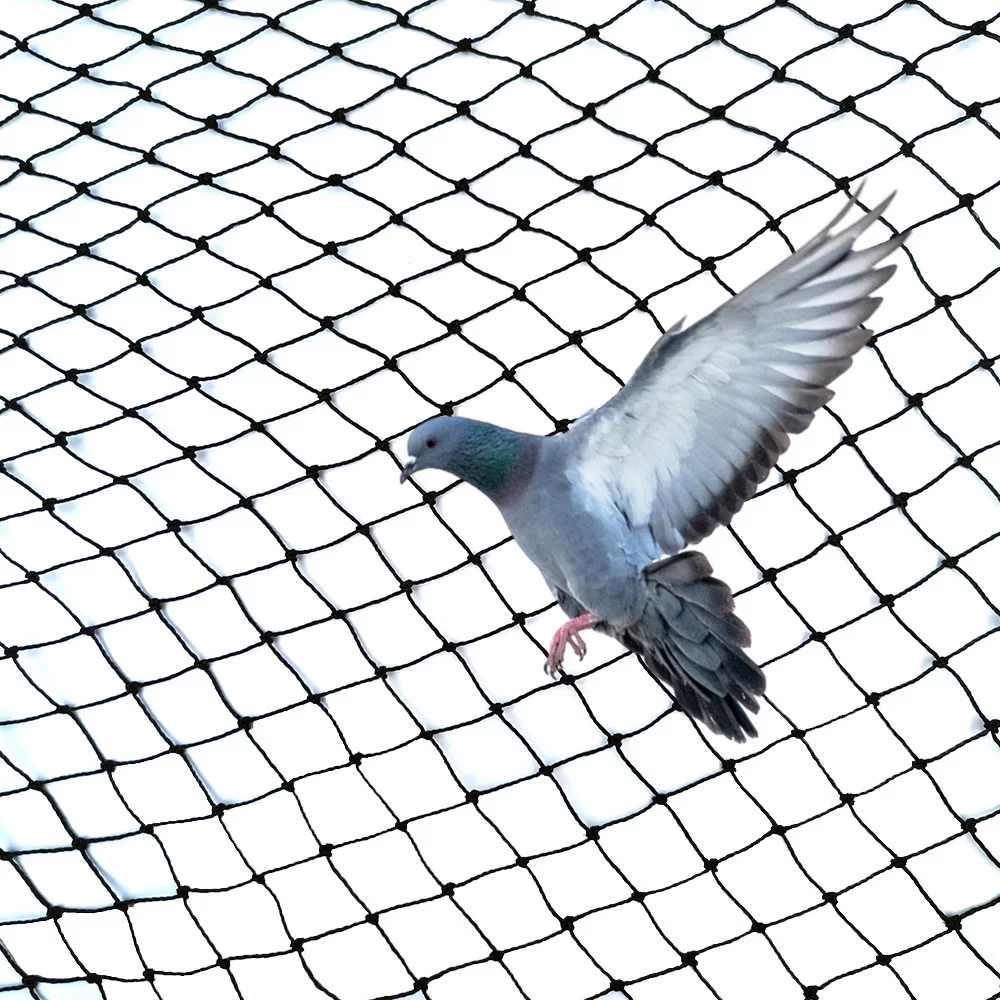
Simply put, bird netting for solar panels is a specialized, often UV-resistant mesh installed around or over solar arrays to prevent birds from roosting or nesting on them. The netting allows sunlight to pass through while creating a physical barrier.
Think of it like bird-proof window screens, but designed for large-scale solar equipment. It integrates seamlessly into modern solar farms and is also used on residential solar systems to reduce cleaning frequency and prevent damage.
From a humanitarian perspective, properly installed netting also safeguards birds from hazardous entrapment and reduces harmful droppings, contributing to cleaner, safer environments both for wildlife and installers.
Core Features Driving the Effectiveness of Bird Netting
Durability and Weather Resistance
Panels face rain, snow, UV radiation, and wind gusts daily. The netting material typically uses polyethylene or polypropylene treated to resist UV and oxidation, ensuring it lasts at least 5–10 years without complex maintenance.
Transparency and Light Permeability
The mesh is finely woven enough to prevent birds but still permits ample sunlight—usually over 90% light transmission—to ensure no loss in energy production.
Ease of Installation and Scalability
Installation can be tailored to urban rooftops, utility-scale fields, or small community solar projects. Modular sections simplify scaling up or replacing damaged netting, which appeals to various operators, from big energy firms to local installers.
Cost Efficiency Over Time
While initial costs add to the solar installation budget, netting reduces recurring cleaning and maintenance costs, protects panels from damage that might require expensive repairs, and improves panel output consistency.
Ecological Considerations
Netting must meet environmental guidelines to prevent bird entanglement and support wildlife-friendly solar operations, which many jurisdictions increasingly require.
Real-World Applications: Where Bird Netting Works Best
Bird netting finds its place in various settings:
- Utility-scale solar farms in Australia: where wedge-tailed eagles and cockatoos are frequent visitors and nesting can be a major issue.
- Residential solar rooftops in Europe and North America: especially in regions with pigeons and sparrows that congregate on ledges.
- Off-grid solar installations in Africa: where protecting panels prevents sudden drops in energy supply critical for community services.
- Post-disaster relief operations: temporary solar arrays use netting to maintain panel efficiency without constant cleaning in rough conditions.
For those interested, you might want to check out bird netting for solar panels options that adapt to these use cases intricately.
Advantages and Long-Term Benefits of Bird Netting
- Cost savings: Less frequent cleaning means fewer labor hours and less chemical runoff.
- Improved panel lifespan: Prevention of corrosive bird droppings and nesting debris keeps panels operating at optimum capacity.
- Environmental safety: Humane prevention methods avoid harming bird populations.
- Cleaner aesthetics: Solar farms look professionally maintained, supporting public support for renewable sites.
- Regulatory compliance: Helps meet ISO and local standards related to environmental protection and facility maintenance.
Honestly, it feels like a small investment with high dividends—technical, economic, and ethical.
Product Specification Table
| Feature |
Typical Specification |
Notes |
| Material |
UV-stabilized polyethylene mesh |
Resists sun, rain, and wind |
| Mesh Size |
12 mm - 20 mm openings |
Optimized to block birds but not sunlight |
| Light Transmission |
>90% |
Minimal effect on solar panel efficiency |
| Lifetime |
5–10 years |
Depending on climate and maintenance |
| Installation |
Modular sections with anchoring clips |
Adaptable to different panel sizes |
| Weight |
Around 50 g/m² |
Lightweight, doesn’t stress mounting structures |
Comparing Popular Bird Netting Vendors
| Vendor |
Durability |
Light Transmission |
Price Range |
Eco Certification |
Special Features |
| NetSafe Solutions |
10 years |
92% |
$$ |
ISO 14001 |
Custom sizing, UV resistant |
| EcoGuard Netting |
7 years |
90% |
$ |
Green Seal |
Recyclable material, lightweight |
| SolarShield Mesh |
8 years |
95% |
$$$ |
ISO 9001 |
Near-invisible mesh, easy install kit |
Innovations and Future Trends in Bird Netting
We’re seeing a growing push toward smart materials: netting that can self-clean, resist dirt buildup, or even integrate sensors to monitor bird activity. Advances in biodegradable polymers also promise netting that can smoothly degrade once the solar panels are decommissioned.
Further, integration with digital farm management platforms allows solar operators to schedule maintenance efficiently and track environmental impact in real time, molding a future where bird netting is part of a broader, smarter energy infrastructure.
Challenges—and How The Industry Is Responding
Some skeptics note that netting installation can be labor-intensive, and poorly installed nets might trap birds—an ethical and ecological concern. Then there’s the visual impact on some installations, which can frustrate planners focused on aesthetics.
However, experienced firms now offer training modules for installers and use wildlife-safe designs, almost eliminating entrapment risks. Modular and flexible net designs make retrofitting easier, helping integrate netting in the tightest spaces without messing with solar performance.
Frequently Asked Questions About Bird Netting for Solar Panels
Q1: Does bird netting reduce the efficiency of solar panels?
A1: Properly designed netting blocks birds but transmits over 90% of sunlight, so efficiency losses are minimal or negligible. The benefits in preventing dirt and damage generally outweigh any small light reduction.
Q2: How long does bird netting typically last on solar panels?
A2: Most UV-resistant bird netting products last between 5 to 10 years, depending on climate and maintenance. Regular inspections help maximize lifespan and performance.
Q3: Is bird netting harmful to birds or other wildlife?
A3: When installed correctly using wildlife-safe designs, the netting effectively prevents nesting and perching without trapping or injuring birds, supporting both conservation and solar farm health.
Q4: Can bird netting be installed on existing solar installations?
A4: Yes, most systems are modular and adaptable for retrofit application. However, professional installation is advised to ensure proper fit and safe wildlife exclusion.
Q5: What should I consider when choosing a bird netting vendor?
A5: Look for material durability, light permeability, environmental certifications, installation support, and price. Vendor reputation and customer reviews can be helpful in gauging long-term satisfaction.
Conclusion: The Silent Guardian of Solar Energy Efficiency
In real terms, bird netting for solar panels plays a silent but vital role in the quest for sustainable energy worldwide. It guards investments, supports wildlife-friendly practices, and keeps solar installations humming efficiently across climates. As solar technology evolves, so too will these protective systems—growing smarter, safer, and even more eco-attuned.
To explore cutting-edge bird netting solutions tailored to your solar setup, visit our website where innovation meets practicality every day.
References:
- International Renewable Energy Agency (IRENA)
- ISO Standards for Photovoltaic Systems Maintenance
- Solar Energy - Wikipedia