Understanding the Anti Cat Mat: What It Is and Why It Matters
The anti cat mat might sound like something from a pet care aisle, but in industrial and humanitarian contexts, it's both a practical and often overlooked solution to persistent problems. For many facilities—whether agricultural, logistics centers, or even disaster-response units—controlling and deterring cat intrusion isn’t just a matter of cleanliness. It’s about safety, hygiene, and even equipment longevity. Globally, understanding and implementing this simple product can save billions in maintenance costs while improving quality of life for workers and residents alike.
Before you roll your eyes at yet another mat, consider this: uninvited cats can cause machinery malfunctions, contaminate food supplies, and propagate zoonotic diseases, creating complex challenges especially in logistics hubs and humanitarian shelters. Thus, the anti cat mat serves as a surprisingly critical asset worldwide.
Why the Anti Cat Mat Holds Global Relevance
According to a 2021 WHO report, uncontrolled populations of feral and stray cats have expanded globally—doubling in some urban zones over the last decade. This rise not only affects ecosystems but also carries socio-economic consequences. For example, logistics centers face stalled operations when feline intrusions disrupt transport routes or critical equipment.
On the humanitarian front, shelters and temporary housing units in disaster zones increasingly struggle with pest control as displaced populations encounter more shared, vulnerable environments. An effective anti cat mat can help mitigate these problems, often inexpensively and without harsh chemicals.
To put it bluntly: many industries and aid agencies have adopted the anti cat mat as a straightforward, preventive measure aligned with global standards such as ISO 14001 on environmental management and ISO 9001 for quality systems. It supports hygiene and operational continuity—both essential in today’s fragile supply chains.
What Exactly Is an Anti Cat Mat?
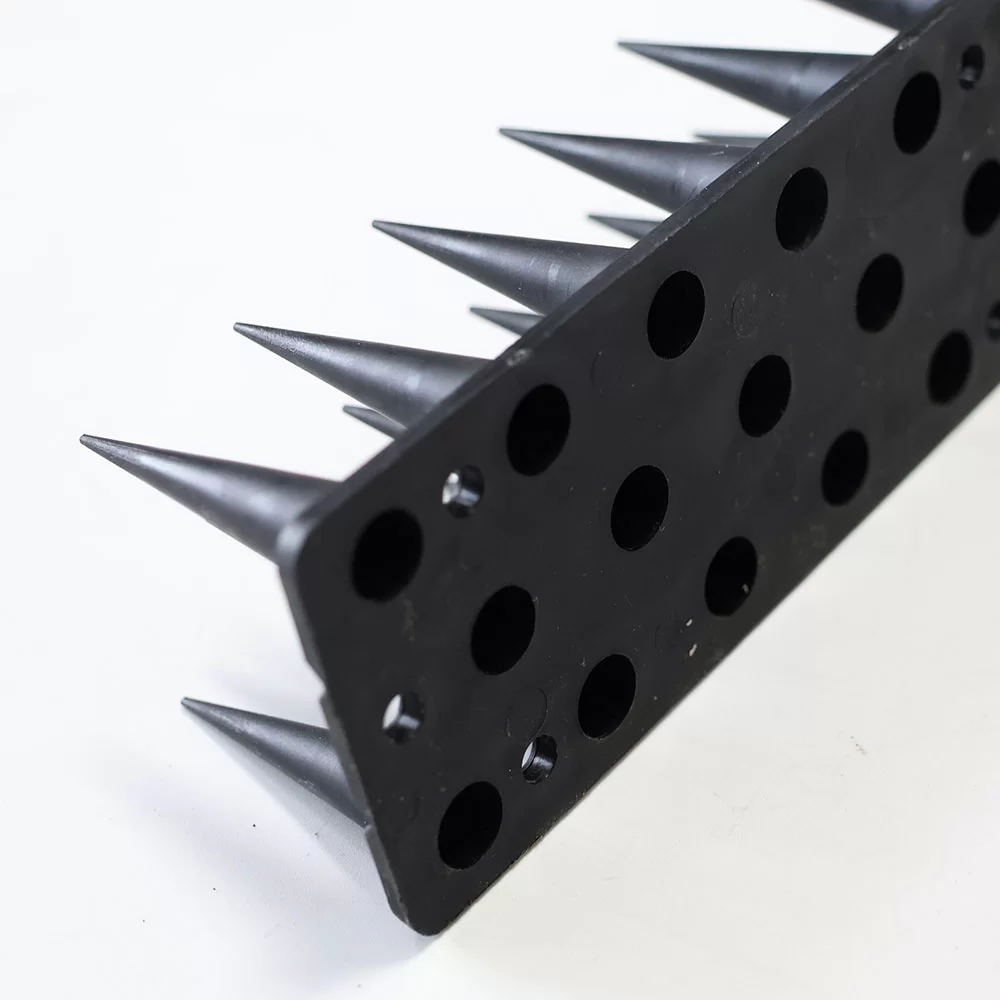
Simply put, an anti cat mat is a specialized surface mat designed to deter feline animals—particularly strays and feral cats—from crossing or settling in unwanted areas. It's usually equipped with features like textured surfaces, mild static electricity, or sound triggers that gently discourage cats without harm.
The technology taps into cat behavioral tendencies: their dislike for uncomfortable textures, sudden sounds, or subtle, harmless shocks. Unlike traps or poisons, anti cat mats offer a humane, reusable solution that's easily integrated in diverse settings.
Its place in modern industry and humanitarian efforts
From agro-industries guarding crop storage to port authorities managing shipyard logistics, the anti cat mat is quickly becoming a go-to component. Humanitarian outfits working in temporary camps and disaster relief appreciate its low-maintenance design and non-invasive operation, supporting both safety and wellbeing standards worldwide.
Core Components and Key Features of an Anti Cat Mat
1. Durability and Weather Resistance
Many engineers I've looked into emphasize that the mats must endure harsh environmental elements—sun, rain, even chemicals in warehouse floors. Most anti cat mats are built with industrial-grade rubber or reinforced plastics, maintaining effectiveness for years under tough conditions.
2. Safety and Humane Operation
The mat’s design ensures it deters without causing harm. Unlike harmful pesticides or traps, these mats use discomfort rather than injury, aligning with animal welfare guidelines set forth by organizations like the ASPCA.
3. Ease of Installation and Maintenance
Users often report that installation is straightforward—roll out, secure edges, and you’re done. Cleaning requires minimal effort, typically a quick hose-down. In logistical operations, this low maintenance means reduced downtime.
4. Scalability and Customization
Anti cat mats come in modular formats allowing different sizes and configurations. Particularly in large facilities, this flexibility lets managers cover critical zones without overspending.
5. Cost Efficiency
Compared to continual pest control campaigns or repairs caused by feline disruptions, investing in quality anti cat mats is often far more budget-friendly.
Typical Product Specification Table
| Specification |
Details |
| Material |
Industrial synthetic rubber with reinforced mesh |
| Size |
60 cm x 90 cm (modular) |
| Weight |
1.8 kg per mat |
| Power Source |
Battery-operated (optional plug-in adapter) |
| Average Lifespan |
Up to 5 years |
| Weather Resistance |
IP67 Rated for rain and dust |
How Different Vendors Stack Up
| Vendor |
Price per Unit |
Materials Used |
Warranty (years) |
Notable Features |
| FelineGuard Pro |
$45 |
Reinforced rubber, eco-friendly compounds |
3 |
Bluetooth connectivity, modular tiles |
| CatBlocker Elite |
$52 |
Industrial rubber with anti-slip texture |
5 |
Rechargeable battery, sound-based deterrent |
| SafeStep Mat |
$40 |
Synthetic polymer, heavy-duty design |
2 |
Lightweight, easy installation |
Global Applications and Use Cases of Anti Cat Mats
Industries worldwide have found varied ways to leverage the anti cat mat. In Europe’s vast agricultural sectors, these mats protect organic storage barns from invasive cats, helping maintain strict quality controls and preventing contamination.
In the Middle East, sprawling logistics warehouses distributed across deserts benefit as well. Cats, drawn to warmth near machinery, pose risks to electrical wires and generate downtime when equipment gets chewed or damaged.
Humanitarian organizations operating in Southeast Asia’s flood-prone regions use anti cat mats in camps and relief shelters where sanitation is fragile. Here, the mats support disease control protocols and help maintain dignity for displaced families.
Mini Takeaway:
The anti cat mat isn’t just a local fix—it’s a flexible, global solution to an animal control issue that affects multiple sectors and continents.
Advantages and Long-Term Value of the Anti Cat Mat
- Cost Savings: Reduced equipment repair and decreased pest control expenses.
- Environmental Sustainability: Minimizes chemical pesticide use, aligning with eco-friendly practices.
- Safety and Trust: Humane deterrence builds community goodwill and reduces ethical concerns.
- Operational Reliability: Maintains cleanliness and reduces downtime associated with animal interference.
- Social Impact: Supports health protocols in sensitive areas such as hospitals and refugee camps.
Overall, it feels like a modest investment with outsized returns in reliability and socially responsible operation.
Emerging Trends and Innovations in Anti Cat Mat Technology
Looking ahead, manufacturers are experimenting with solar-powered mats that provide continuous operation without battery replacements—which, frankly, is a game changer in remote or off-grid industrial zones.
Others incorporate IoT sensors that alert managers remotely when cats or other animals attempt to breach zones. Such digital integration is part of the broader trend of smart facility management.
Plus, biodegradable materials are gaining traction, easing disposal concerns. This matches global sustainability goals including the UN’s Sustainable Development Goal 12 on responsible consumption and production.
Challenges and Practical Solutions
The primary challenge is balancing deterrence strength with animal welfare. Too mild, and cats ignore the mat. Too harsh, and it risks backlash from animal rights advocates. Manufacturers must consult experts and regulatory bodies regularly to tune this balance.
Another issue is durability under extreme use—heavy foot traffic or exposure to chemicals. Solutions include selecting premium materials and involving feedback from frontline workers for custom adaptations.
FAQ: Your Common Questions About Anti Cat Mats
- Q: How effective are anti cat mats in large industrial areas?
- A: When installed strategically at entry points and vulnerable zones, these mats significantly reduce cat presence and related damage, especially if combined with other pest management protocols.
- Q: Are anti cat mats safe for other animals and humans?
- A: Yes. These mats generally deter only cats by exploiting their unique sensitivities, without causing harm or discomfort to humans or larger animals.
- Q: Can these mats be easily cleaned and maintained?
- A: Absolutely. Most designs allow for simple washing with water and mild detergents, making them practical even in high-traffic environments.
- Q: Is the installation disruptive?
- A: Not usually. Anti cat mats are made for quick deployment—either laid on the floor or secured with minimal tools, so operations continue without interruptions.
Wrapping Up: Why Your Facility Might Need an Anti Cat Mat Today
Ultimately, adopting the anti cat mat is about foresight—staving off problems before they happen, saving on costs, and promoting a safe working or living environment for humans and animals alike. The blend of humane technology, durability, and ease of use makes it a smart choice for anyone facing feline nuisance challenges worldwide.
If you’re curious to explore options or see how these mats fit your needs, visit our website and check out the latest models and solutions.
Final mini takeaway:
Simple, humane, and effective—the anti cat mat quietly does its work protecting everyone involved. Sometimes, the smallest innovations create the biggest ripples.
References:
- WHO - Zoonoses Fact Sheet
- ISO 9001 Guidelines
- United Nations Sustainable Consumption and Production