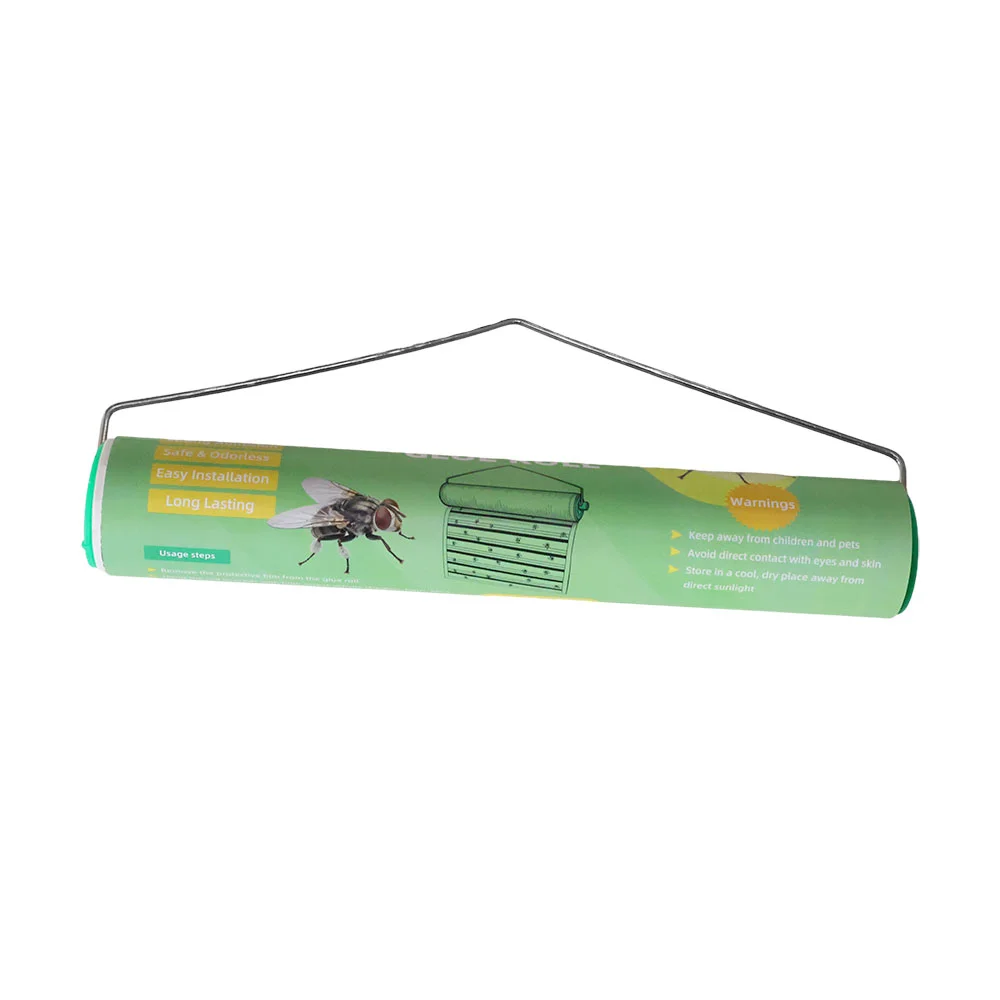
Insect Sticky Paper: A Simple Yet Crucial Tool in Global Pest Management
Insect sticky paper might sound like a niche, almost mundane product, but it plays an unexpectedly vital role across many sectors worldwide. From agricultural fields to food warehouses, and even in health and humanitarian settings, these sticky traps provide a straightforward, chemical-free way to monitor and control insect populations. Understanding how insect sticky paper functions brings real benefits—not just for pest control—but also for environmental safety and sustainable practices.
Global Context: Why Insect Sticky Paper Matters
Insects are an unavoidable reality, often causing damage to crops, stored goods, and sometimes spreading disease. Globally, the United Nations’ Food and Agriculture Organization estimates that pests cause approximately 20–40% losses to major food crops annually. This alarming figure underscores the importance of effective pest control tools like insect sticky paper.
Interestingly, sticky traps provide an early-warning system in integrated pest management (IPM) strategies, reducing over-reliance on pesticides. This is critical considering that the World Health Organization has raised concerns about pesticide resistance and environmental contamination.
Frankly, mitigating insect damage and curbing chemical use benefit agriculture, food safety, and human health alike—and that’s why the insect sticky paper has global relevance.
What is Insect Sticky Paper?
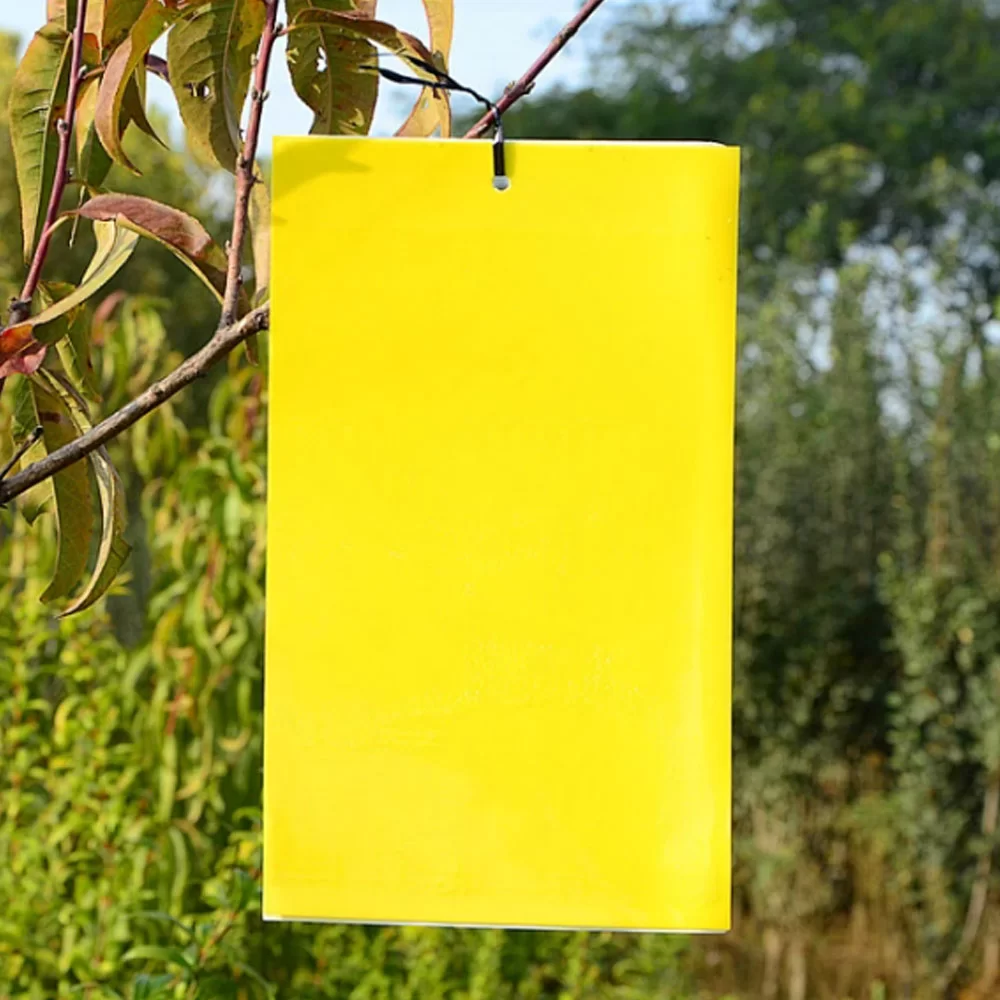
Simply put, insect sticky paper is a flat sheet—usually bright yellow or blue in color—covered with a layer of non-drying adhesive that traps insects on contact. Its stickiness immobilizes insects when they land, enabling their capture for monitoring or elimination. It’s a low-tech tool but highly effective in various industries.
Beyond convenience, this product aligns well with modern sustainability and humanitarian goals. When used properly, it helps reduce pesticide use and preserves ecological balance—a small but meaningful contribution to greener practices.
Core Components and Practical Factors of Insect Sticky Paper
1. Adhesive Quality
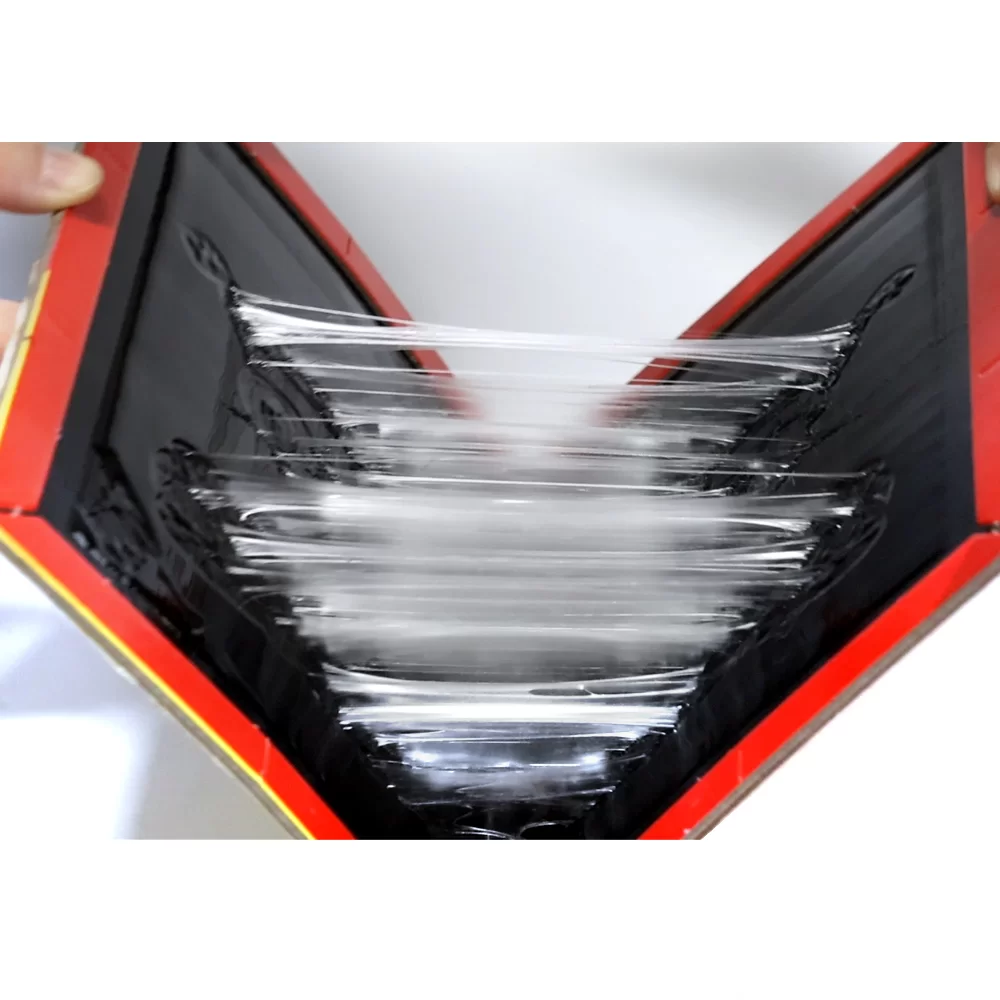
The type of adhesive is crucial: it must be tacky enough to trap varied insect species (like flies, aphids, or whiteflies) but remain non-toxic and durable in different climates.
2. Color and Visual Attractiveness
Colors like yellow or blue are chosen because many insects are naturally attracted to them, increasing the likelihood of contact with the sticky surface.
3. Durability and Environmental Resistance
Outdoor or greenhouse use demands that sticky paper withstand humidity, sun exposure, and even rain, without losing adhesive strength prematurely.
4. Size and Format Scalability
The sheets come in various sizes: narrow strips for delicate plants, larger sheets for open fields, or even pre-cut rolls for customized applications.
5. Cost and Sustainability
Cost-effectiveness is a major factor—especially for large-scale farming or humanitarian agencies working with tight budgets. Ideally, sticky paper should also be recyclable or biodegradable, making it eco-friendlier.
Mini takeaway: The balance of these factors largely determines insect sticky paper’s success in different practical settings.
Global Applications & Use Cases
Across continents, insect sticky paper serves versatile needs. For example:
- Agricultural sectors in Asia and Africa: Sticky traps monitor pest populations on crops like rice, vegetables, and cotton, enabling timely interventions.
- Food storage and processing facilities in Europe and North America: They prevent contamination from flying insects without resorting to heavy pesticide use.
- Humanitarian relief operations: Post-disaster camps often use insect sticky paper to reduce disease-carrying mosquitoes or flies in makeshift shelters.
- Greenhouses worldwide: They support integrated pest management by offering a non-chemical means to track insect activity.
In real terms, the simplicity and portability of sticky paper make it invaluable where rapid deployment or ongoing monitoring are needed.
Advantages and Long-Term Value
What I find compelling about insect sticky paper is not just its straightforwardness but its multifaceted benefits:
- Cost-effective pest control: No expensive equipment or chemicals needed.
- Environmentally friendly: Reduces pesticide overuse, which safeguards ecosystems.
- Reliable monitoring: Makes pest populations visible to help plan interventions.
- Social and health impact: Especially in disaster zones, lowering insect-borne disease risks improves community well-being.
Emotionally, you get a feel for how these sticky sheets bring a bit of control and reassurance in otherwise challenging conditions.
Future Trends & Innovations in Insect Sticky Paper
Innovation never stops, and insect sticky paper is evolving, too. Some promising developments include:
- Biodegradable adhesives and substrates: Aligning sticky traps with sustainability certifications like ISO 14001.
- Integration with digital sensors: Smart sticky traps that quantify captured insects and report data remotely are on the horizon.
- Customization for targeted pest species: Using specific colors or pheromone-infused coatings boosts selectivity.
- Automation and mass production: Enabling scalable supply for large agricultural exporters or international aid agencies.
Challenges & Expert Solutions
Of course, no product is perfect. Sticky paper faces some limitations:
- Adhesive degradation in extreme weather can reduce effectiveness outdoors.
- Non-target insect trapping may affect beneficial pollinators if not carefully deployed.
- Disposal concerns, especially if materials are non-recyclable.
Experts recommend rotating trap placements, combining sticky paper with other IPM tools, and choosing bio-based adhesives to overcome these issues. There's also a push for clear guidelines on disposal to minimize environmental footprint.
Frequently Asked Questions About Insect Sticky Paper
- How do I choose the right color of sticky paper for my crops?
- Yellow is generally effective for many flying pests like aphids and whiteflies, but blue can attract thrips. Understand your local pest species first; sometimes combining colors works best.
- Can insect sticky paper be reused after insects are removed?
- Typically no. Removing insects often compromises stickiness. It’s best to replace the paper regularly to maintain effectiveness.
- Is insect sticky paper safe to use around children and pets?
- Yes, because it contains no pesticides or toxins. However, keep it out of reach to avoid accidental contact with sticky surfaces.
- How often should I replace insect sticky paper in outdoor environments?
- Frequency depends on weather and pest pressure but generally every 2-4 weeks is advisable to ensure adhesive potency.
- Where can I learn more about sustainable pest control methods?
- Organizations like the FAO and IPM institutes provide great resources. Also, insect sticky paper suppliers often offer guides and case studies.
Product Specification Table
| Specification |
Details |
| Dimensions |
100mm x 250mm (standard) |
| Colors Available |
Yellow, Blue, Green |
| Adhesive Type |
Non-toxic, tacky resin (weather-resistant) |
| Shelf Life |
Up to 18 months (unopened) |
| Biodegradability |
Partial (paper substrate); ongoing developments in adhesives |
Vendor Comparison Table
| Vendor |
Cost per Pack (100 pcs) |
Adhesive Longevity |
Eco-friendly Options |
International Shipping |
| GreenTrap Co. |
$45 |
3-4 weeks |
Yes, biodegradable glue |
Yes |
| StickyEco Ltd. |
$38 |
2-3 weeks |
Partial (paper only) |
No |
| AgriHoldings |
$50 |
4-5 weeks |
No |
Yes |
In closing, remember: sometimes the simplest tool, like insect sticky paper, quietly supports some of the most essential global efforts toward sustainable food safety and health.