Anti Bird Netting for Fruit & Vegetable Protection: Why It Matters Globally
If you grow fruit or vegetables, you’ve probably had a frustrating morning looking out at your crops wondering who’s been snacking—birds, mostly. That frustration isn’t just personal; it’s a global headache. Bird damage causes billions of dollars in crop loss every year, affecting farmers from smallholder fields in Africa to large orchards in California. Enter
anti bird netting for fruit & vegetable protection—the unsung hero of sustainable agriculture, quietly safeguarding harvests and livelihoods worldwide.
Understanding how this simple yet effective barrier works is crucial, especially today when food security and reducing waste have never been more urgent. Not only does anti bird netting reduce crop loss, but it also cuts down on the use of harmful deterrents like pesticides or noise devices. So, it’s about protection, but also about sustainability and peace of mind for farmers everywhere.
---
Global Context: A Universal Need for Crop Protection
The global population is expected to reach nearly 10 billion by 2050 (UN data, 2019), and agricultural output must keep pace. But nature has its own plans—birds and wildlife, understandably, want a slice of the bounty. According to the FAO, bird predation can reduce yields by up to 20–30%, a significant dent when margins are tight.
Developing nations face an even greater challenge. For many small-scale farmers, crop loss due to birds means the difference between a decent harvest and food insecurity. Even industrial-scale farms lose millions in revenue annually. This challenge makes
anti bird netting for fruit & vegetable protection a global agricultural lifeline, helping secure food, reduce waste, and support livelihoods from the tropics to temperate zones.
Oddly enough, while bird netting feels like an old-school solution, it’s seen fresh interest under sustainability goals and smart farming practices.
---
What Exactly Is Anti Bird Netting?
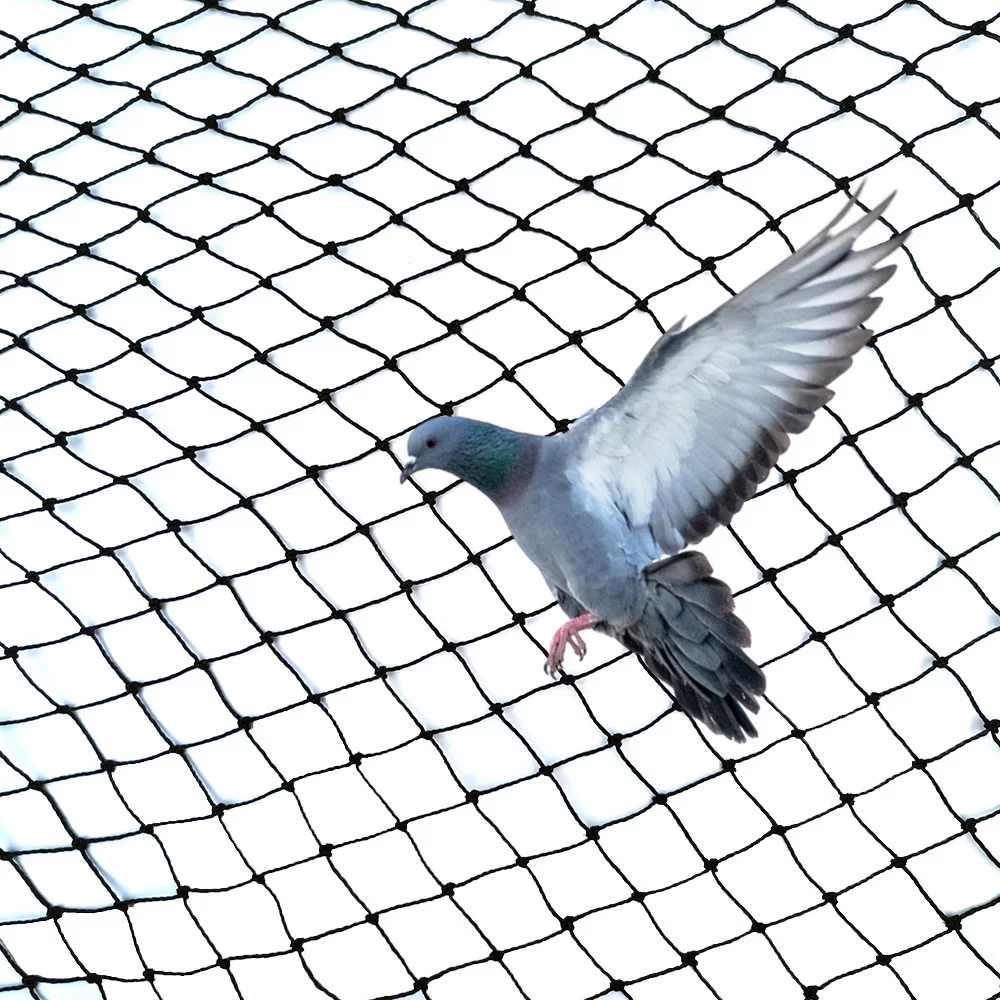
At its core, anti bird netting is a physical barrier—usually lightweight mesh material—designed to stop birds from feasting on precious crops like grapes, berries, apples, veggies, and even vineyards. It’s kind of like a crop’s invisible shield. Unlike scare tactics or chemical deterrents, this netting works silently and passively, without stressing the ecosystem or the farmer.
The mesh size, tensile strength, UV resistance, and installation style vary to match different crops and climates. For instance, some netting is barely visible, fine enough to stop small birds like finches, while others are tougher and suited for harsh windy areas.
Because it’s purely physical, anti bird netting aligns well with organic and environmentally responsible farming. It reduces the need for pesticides, which World Health Organization (WHO) warns can have wide-reaching health and environmental effects.
---
Key Features of Anti Bird Netting for Fruit & Vegetable Protection
Durability and UV Resistance
Most netting you see outdoors is exposed to relentless sun, wind, and rain — rough stuff that would wear down plastics fast if not specially designed. Modern
anti bird netting often uses UV-stabilized polyethylene that can last 3 to 5 years or more, depending on conditions.
Mesh Size and Material Strength
Depending on the target bird species, mesh holes range from 10mm up to 50mm or even bigger. Too big, and smaller birds sneak through; too small, and airflow and light to fruit may reduce, causing unwanted side effects.
Ease of Installation and Scalability
Farmers, especially in remote or large-scale operations, prefer netting that’s lightweight, easy to roll out, and adaptable around uneven terrain or tall trellises. This is where design innovation shines — some netting comes with integrated clips or hooks for simpler mounting.
Cost Efficiency and Reusability
Yes, it’s an upfront expense, but netting can often be reused across several seasons. This long-term value adds up, especially compared to recurring costs of pesticides or crop losses.
Environmental Compatibility
Unlike noise deterrents or chemical repellents, physical nets minimize collateral damage. Birds stay safe but food stays intact — a win-win for farmers and conservationists alike.
---
Real-World Uses: How Anti Bird Netting Protects Our Global Food Supply
From California’s wine country to Australia’s berry farms, anti bird netting is widespread but varies widely in application. In Mediterranean climates, it's common to see entire vineyards swathed in fine netting during harvest months. In the tropics, the netting might cover vegetable plots or fruit trees that local birds frequently raid.
In humanitarian efforts,
anti bird netting for fruit & vegetable protection can be a low-tech tool to boost food security in disaster-stricken zones or refugee camps with community gardens. Some NGOs incorporate netting in agricultural aid packages; it’s lightweight, durable, and simple to use—essential in resource-limited settings.
Even urban vertical farms and rooftop gardens are turning to bird netting to keep city pigeons and sparrows at bay, highlighting its relevance across farming scales.
---
Advantages and Long-Term Value
-
Cost Savings: By reducing crop damage, farmers increase yields without repeatedly investing in chemical deterrents.
-
Ecological Benefits: Nets protect crops while minimizing harm to bird populations and the wider environment.
-
Health and Safety: Less pesticide use means safer food and farming environments.
-
Reliability: When properly installed, netting remains effective season after season.
-
Emotionally, knowing crops and hard work are protected cultivates peace of mind—something every farmer deserves.
---
Looking Forward: Innovations in Anti Bird Netting
The humble net is evolving. New materials incorporate biodegradable polymers, reducing plastic waste after disposal. Some manufacturers embed UV-absorbing additives for longer lifespans, shaving replacement costs.
On the tech front, integrating sensors into net supports is an emerging trend. Imagine a system alerting farmers when net tension loosens or when predators cluster—this merges traditional farming with digital precision.
Climate change also nudges development towards lighter, more breathable nets to accommodate hotter, more sun-intense environments, ensuring fruit quality remains high.
---
Challenges and How to Tackle Them
Installation can be labor-intensive, especially over large fields — which is why farmer training and community labor sharing programs can be game changers. There’s also a risk of entanglement for non-target wildlife if improperly installed.
Solutions include:
- Choosing wildlife-friendly net designs with softer threads.
- Using netting with appropriate mesh sizes.
- Regular maintenance and inspection.
Cost can be a barrier, but cooperative buying groups, subsidies, or grants can make netting more accessible.
---
Product Specification Table
| Specification |
Example Product: Agrinet 3 |
Example Product: BirdShield Pro |
| Material |
UV-stabilized polyethylene |
Polypropylene blend with UV inhibitors |
| Mesh Size |
15mm x 15mm |
10mm x 12mm |
| Weight |
80 g/m² |
95 g/m² |
| UV Resistance (hours) |
>2000 |
>3500 |
| Roll Size |
4m x 50m |
6m x 50m |
| Expected Lifespan |
3 years |
5 years |
Vendor Comparison: Popular Anti Bird Netting Suppliers
| Supplier |
Product Range |
Pricing (per roll) |
Delivery Time |
Notable Features |
| EcoFarm Nets |
Light to heavy-duty netting |
$120–$180 |
5–7 days |
Biodegradable options, easy install kits |
| BirdGuard Supply |
Specialty fine mesh & premounted frames |
$150–$220 |
7–10 days |
Integrated sensor-ready nets |
| AgriPro Nets Ltd. |
Value range for large-scale farms |
$100–$140 |
3–5 days |
Bulk discounts, seasonal deals |
Practical FAQ: Answering Your Questions on Anti Bird Netting
1. How long does anti bird netting typically last on fruit crops?
Most high-quality bird netting is designed to last between 3 to 5 years, depending on UV exposure and weather. Regular inspection and proper storage during off-seasons can extend its life.
2. Can bird netting harm other wildlife or beneficial insects?
If installed correctly with appropriate mesh sizes, netting minimizes risks to non-target species. It’s crucial to avoid loose net sections where small animals could get trapped and to remove nets outside of growing seasons to reduce impact.
3. Is anti bird netting difficult to install for small or irregularly shaped plots?
While it can require effort, many netting products now come with modular frames, clips, or custom cut options to fit oddly shaped areas. For very small gardens, simple drape-and-clip setups usually suffice.
4. How does anti bird netting compare with chemical repellents?
Netting provides physical protection without chemical residues, making it more environmentally friendly and safe for harvest consumption. Repellents often require reapplication and can affect pollinators negatively.
5. Can netting be reused every season?
Absolutely. With proper care—cleaning and storing it when not in use—netting can last several seasons, offering better value over time.
---
Wrapping Up: Why Every Grower Should Consider Anti Bird Netting
Look, there’s nothing glamourous about anti bird netting—no flashy tech or smart gizmos—just good old practical protection. But that’s exactly why it matters so much. In a world striving to grow more food sustainably while protecting wildlife, simply keeping birds at bay without chemicals makes a huge difference.
It makes farmers safer in their work, fruits safer to eat, and reduces needless leftovers spoiled by hungry wings. I suppose it reminds us that sometimes, simple solutions can have big impacts.
Want to explore the best options for your crops? Visit our website at
https://www.hbarcherfish.com — your next harvest’s best defense could be just a click away.
---
Quick Takeaways:
- Anti bird netting protects crops globally by physically stopping bird damage.
- Durable, UV-resistant materials make netting a long-term investment with eco benefits.
- Increasingly used in diverse settings—from small farms to urban gardens to humanitarian efforts.
- Innovations are making nets smarter and greener, shaping future sustainable agriculture.
- Proper installation and maintenance maximize effectiveness and wildlife safety.
References
- United Nations Department of Economic and Social Affairs, Population Division (2019). World Population Prospects 2019.
- Food and Agriculture Organization of the United Nations (FAO). Crop Losses due to Birds.
- World Health Organization (WHO). Health and Environmental Effects of Pesticides.