Understanding Yellow Sticky Traps per Acre: A Vital Tool in Pest Management
If you're dipping your toes into integrated pest management or trying to optimize crop yield, chances are you've encountered the term yellow sticky traps per acre. While it might sound niche or technical, this concept carries significant global weight in agriculture, environmental conservation, and even public health. Simply put, these traps offer an eco-friendly, effective way to monitor and reduce pest populations without heavy pesticide use. In our ever-growing world where food security and sustainable farming are paramount, understanding how many traps to deploy per acre can make all the difference between a good harvest and a lost season.
Global Relevance of Yellow Sticky Traps per Acre
Worldwide, agriculture supports billions, and pest-related crop losses account for roughly 20-40% annually according to the Food and Agriculture Organization (FAO). Controlling these pests sustainably is a massive industry challenge. Governments, farmers, and researchers are turning increasingly toward integrated pest management (IPM) practices, which combine biological, mechanical, and chemical controls in balanced ways. Within IPM, yellow sticky traps are critical for early detection and monitoring pest populations. The number of traps deployed per acre directly correlates with accurate pest pressure readings — too few, and you risk missing outbreaks; too many, and costs skyrocket without added value.
Interestingly, data from the International Organization for Standardization (ISO) increasingly recommend standardized deployment densities across regions. For example, in high-value crops like vineyards or orchards, the density might range from 10 to 30 traps per acre depending on pest species and seasonality.
What Are Yellow Sticky Traps per Acre?
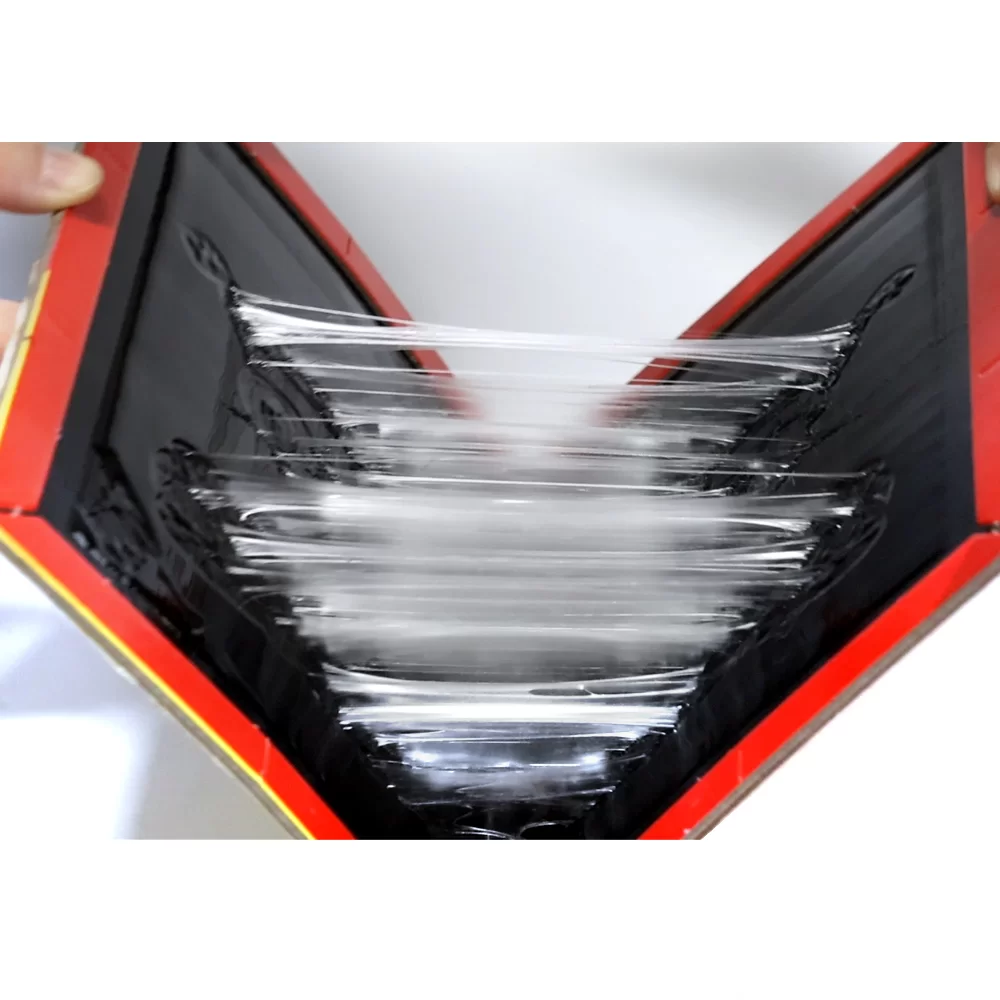
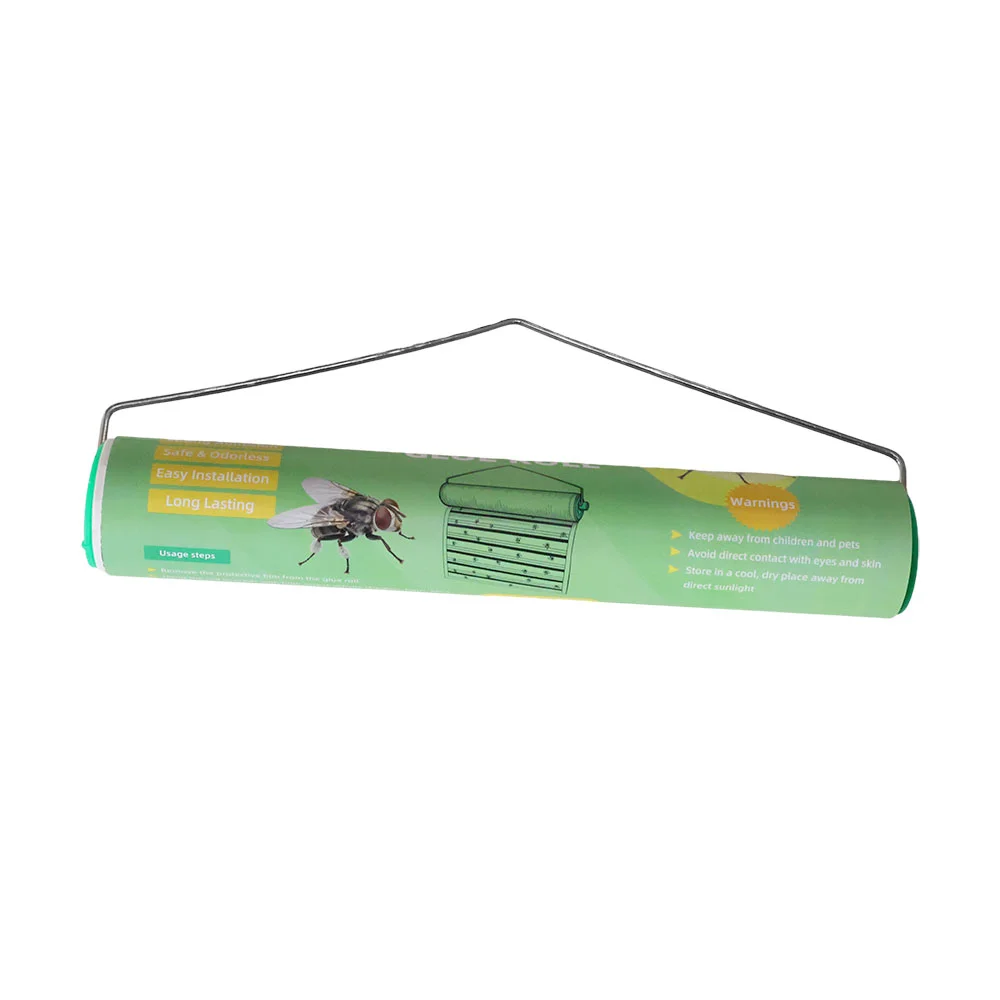
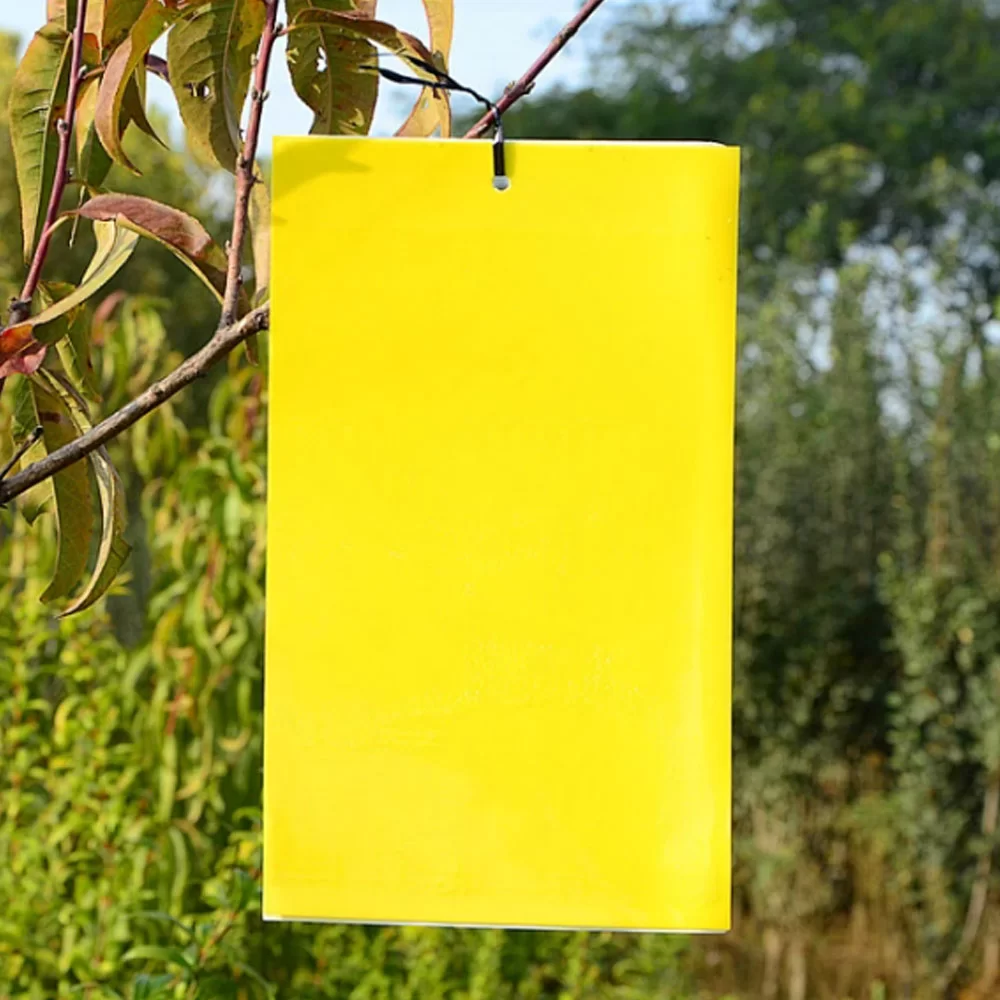
At its core, the phrase "yellow sticky traps per acre" refers to the number of adhesive-coated yellow panels placed across one acre of agricultural land. These visually attractive traps lure flying insects — mainly pests like whiteflies, aphids, and thrips — that collide with the sticky surface and become trapped. Counting the insects caught helps farmers gauge pest populations and decide when and where to act.
These traps aren’t only relevant in farming — pest control experts use them in greenhouses, nurseries, and even urban environments to track insect activity. Their simplicity belies their impact: a straightforward, chemical-free method that blends into natural pest monitoring systems.
Key Factors in Determining Yellow Sticky Traps per Acre
1. Pest Species & Behavior
Different pests have varying activity patterns and densities. For instance, thrips often require denser trap placement than larger insects like fruit flies to capture meaningful data.
2. Crop Type & Growth Stage
The sensitivity of the crop to pest damage affects trap density — young seedlings might need more traps to prevent devastating infestations early on.
3. Environmental Conditions
Sunlight, wind, and moisture affect trap visibility and stickiness. Some regions necessitate more traps per acre to compensate for environmental losses.
4. Trap Size and Design
While the classic trap is roughly 10” x 4”, larger or double-sided versions can reduce the number needed per acre.
5. Budget Constraints
More traps mean higher costs. Balancing financial resources with monitoring accuracy is often a delicate act for farmers and pest managers.
Example Product Specifications of Yellow Sticky Traps
| Feature |
Typical Value |
Notes |
| Dimensions |
10" x 4" |
Standard size for easy handling |
| Adhesive Type |
Non-toxic, weather-resistant |
Effective in various climates |
| Color |
Bright yellow |
Attracts a wide range of flying pests |
| Deployment Method |
Stake-mounted/clip-on |
Allows flexible positioning in crop canopy |
| Effective Duration |
2–4 weeks |
Depends on weather and pest pressure |
Vendor Comparison: Popular Yellow Sticky Trap Providers
| Vendor |
Price (per pack of 100) |
Trap Size |
Durability |
Eco-Friendly Adhesive |
| EcoTrap Solutions |
$45 |
10" x 4" |
Weather-resistant for 4 weeks |
Yes |
| AgriSafe Supplies |
$38 |
9" x 3.5" |
3 weeks under average conditions |
No |
| GreenCatch Inc. |
$50 |
12" x 4.5" |
Up to 6 weeks durability |
Yes, biodegradable adhesive |
Global Applications and Real-World Use Cases
Yellow sticky traps per acre have found their place across continents and agriculture systems. For instance, Asian rice farmers use them intensively to monitor whiteflies, which devastate yields if left unchecked. In California’s vineyards, traps help control grapevine leafhoppers, maintaining organic certification by reducing pesticide dependence.
Yellow sticky traps per acre also play a critical role in humanitarian efforts — for example, in areas recovering from floods or natural disasters where stagnant water spurs mosquito breeding. Public health officials deploy traps at specific densities to monitor disease-vector populations, helping to time control measures effectively.
Interestingly, some remote industrial zones with greenhouse operations integrate sticky trap data with IoT sensors, optimizing pest controls remotely — saving costs and reducing environmental impact.
Advantages and Long-Term Value of Proper Trap Density
- Cost Efficiency: Properly calculating traps per acre avoids overspending and maximizes pest detection accuracy.
- Sustainability: Reduces pesticide usage, protecting beneficial insects and soil health.
- Safety & Health: Minimizes chemical exposure for farm workers and nearby communities.
- Trust & Transparency: Provides real data, enabling smarter decision-making and fostering stakeholder trust.
- Innovation: Aligns with digital farming trends, integrating with sensors and AI analytics for predictive pest management.
Looking Ahead: Future Trends in Yellow Sticky Trap Deployment
There's a growing focus on developing biodegradable and compostable trap materials, reducing plastic waste. Some companies are experimenting with sticky substances derived from plant-based compounds that retain effectiveness but are less toxic.
Automation may soon refine trap density dynamically — drones or robotic carts could deploy traps based on pest hotspots identified via satellite imaging, for example. Also, integrating sticky trap counts with AI-powered pest models could predict outbreaks weeks in advance.
Challenges and Expert Solutions
The biggest hurdle tends to be environmental degradation of traps due to rain or dust — sticky substances lose effectiveness, skewing risk assessments. Experts recommend selecting locally proven adhesives and scheduling deployment timing carefully around weather forecasts.
Another challenge is ensuring proper trap placement height and location, which oddly enough some farmers still overlook. Providing clear training and simple, descriptive guides can mitigate human error.
FAQ: Frequently Asked Questions About Yellow Sticky Traps per Acre
- How many yellow sticky traps should I use per acre for a vineyard?
- Typically, 15-25 traps per acre are recommended, depending on pest pressure and vine density. Higher densities improve monitoring accuracy but can increase costs.
- Can sticky trap data minimize the need for pesticides?
- Yes, by tracking pest populations precisely, farmers can apply pesticides only when thresholds are met, reducing overall use significantly.
- How long do yellow sticky traps last in outdoor conditions?
- On average, 2 to 4 weeks, but this depends on weather. Wet or dusty environments might reduce effectiveness faster.
- Are there eco-friendly sticky traps available?
- Definitely. Some vendors now offer biodegradable trap materials and non-toxic adhesives, which break down naturally without harming ecosystems.
- Where can I learn more about optimizing yellow sticky traps per acre?
- Consult resources from local agricultural extensions or organizations like the FAO and ISO. Also, visit specialized suppliers' websites such as our yellow sticky traps per acre guide.
Conclusion: Stepping Forward with Confidence
At the end of the day, determining the right yellow sticky traps per acre is much more than a numbers game — it's about empowering sustainable, smart pest management strategies that respect the environment, save farmers money, and secure global food supplies. To dive deeper and discover quality supplies tailored for your needs, don’t hesitate to visit our website. Your crops—and the planet—will thank you.
Reflecting on how something as simple as a sticky yellow card has scaled from tiny fields to global solutions really puts innovation into perspective.
Mini Takeaways:
- Trap density is key for accurate pest monitoring and varies by crop and pest.
- Sustainable trap materials and adhesives are emerging alongside digital integration.
- Proper placement and timing enhance trap effectiveness and cost savings.
References:
- FAO Pest Control Overview
- International Organization for Standardization (ISO)
- Wikipedia – Pest Management