Yellow Sticky Strips is a key solution in the industry, specifically within entomological monitoring, pest management, and agricultural research. This article explores how https://www.hbarcherfish.com supports professionals with durable, high-performance products, and explains why this product is an ideal choice for businesses in these sectors.
Table of Contents
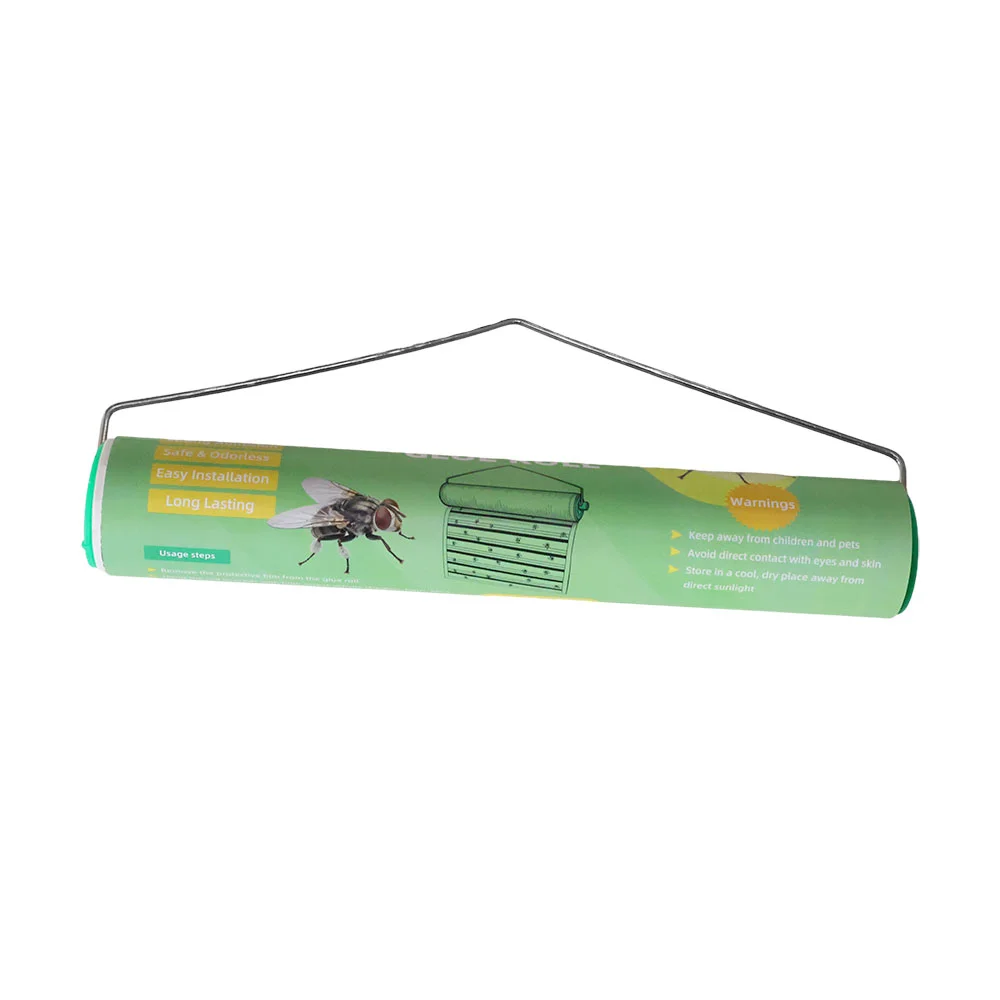
If you’re diving into pest monitoring or agricultural surveys, then you’ve likely encountered the humble yet highly effective Yellow Sticky Strip. At its core, these strips are bright yellow adhesive tapes designed to attract and trap insects for monitoring or control purposes. Their vivid color leverages insects’ natural attraction to yellow, a wavelength associated with foliage and flowers. Frankly, it’s this simplicity that makes them so widely used.
Technically speaking, the strips combine a durable, weather-resistant substrate with a non-toxic glue that retains stickiness under various environmental conditions—think sun, rain, and wind. Professionals in fields ranging from commercial greenhouse operations to entomology labs rely on quality strips like those from HB Archerfish because consistent adhesion and color stability matter when timing and accuracy are crucial.
| Specification |
Details |
| Material |
Durable PE substrate |
| Adhesive Type |
Non-toxic, weather-resistant glue |
| Dimensions (typical) |
25cm x 7cm strips |
| Color |
High-visibility yellow (Pantone 012C equivalent) |
| Usability |
Indoor and outdoor usage |
Yellow Sticky Strips are especially beloved in agriculture, horticulture, and pest control because they help with non-chemical monitoring, limiting pesticide use. For instance, commercial growers use them in greenhouses to detect early infestations of whiteflies or aphids, which means quicker response and reduced crop damage.
Their simple design belies some competitive advantages: the color attracts targeted pests, while the adhesive’s longevity ensures that the strips remain effective for weeks, even in humid or dusty conditions. Plus, unlike traps with pheromones or bait, these resist pest habituation, so they stay reliable season after season.
In short, users report that the strips enhance decision-making—knowing exactly when and where pests are active allows tailored interventions, often saving money and reducing environmental footprints.
Cost, Maintenance & User Experience
From a cost perspective, Yellow Sticky Strips rank as a low total cost of ownership product. They’re affordable upfront, but their real value lies in reducing labor hours spent on manual scouting or ineffective treatments. Honestly, for growers tight on time, that’s a big win.
Maintenance is straightforward: there’s minimal setup, no batteries or sensors—just deploy and monitor. Yet in my chats with B2B customers, there’s a consistent appreciation for their durability. They don’t lose stickiness quickly, which often plagues cheaper alternatives, forcing more frequent replacements and more downtime.
Customer feedback frequently highlights the ease of use and improved pest forecasting accuracy. One midwestern greenhouse operator noted a 15% reduction in crop losses within a season, thanks largely to better early warnings from these strips. That’s real-world ROI you can count on.
Sustainability & Market Trends
Sustainability is becoming a front-burner issue, oddly enough, even for products as “simple” as sticky traps. Regulations increasingly favor non-chemical, integrated pest management approaches, driving demand for yellow sticky strips globally. It’s a growth market powered not just by ecology but economics.
At the same time, manufacturers are innovating—some are exploring biodegradable substrates or low-impact adhesives. While HB Archerfish currently offers durable, recyclable strips, they’re well-positioned to incorporate greener options as the market evolves.
Interestingly, the ongoing trend is toward more data-driven pest management—sticky strips paired with digital imaging and AI for automated counting is no longer science fiction. For vendors and buyers alike, adapting to these shifts feels necessary, yet manageable.
| Vendor |
Product Quality |
Adhesive Longevity |
Price Range |
Sustainability Features |
| HB Archerfish |
High |
4+ weeks |
$$ |
Recyclable materials |
| Competitor A |
Medium |
2-3 weeks |
$ |
Standard plastic |
| Competitor B |
High |
3-4 weeks |
$$$ |
Biodegradable options |
Frequently Asked Questions about Yellow Sticky Strips
- What is Yellow Sticky Strips and how does it work?
- Yellow Sticky Strips are adhesive-backed yellow tapes that attract and trap flying insects. Their color lures pests instinctively, while the glue holds them in place to aid in monitoring or pest control.
- What are the main benefits of using Yellow Sticky Strips in industrial applications?
- They provide cost-effective, non-toxic pest monitoring with long-lasting adhesive and strong visibility, enabling better-informed management decisions.
- How does Yellow Sticky Strips compare to traditional alternatives?
- Compared to pheromone traps or chemical controls, Yellow Sticky Strips offer a chemical-free, reusable solution with less risk of pest adaptation and simpler deployment.
- What industries can benefit most from Yellow Sticky Strips implementation?
- Agriculture, greenhouse horticulture, food processing, and environmental research sectors are the primary users, focusing on pest population monitoring and control.
Conclusion on Yellow Sticky Strips from china
To sum up, Yellow Sticky Strips remain a surprisingly effective, low-tech yet vital tool in modern pest management and monitoring. Their blend of durability, affordability, and proven efficacy makes them a solid choice for businesses aiming for precision and sustainability in their operations. For reliable quality and service, don’t forget to visit https://www.hbarcherfish.com.
Trust in these yellow strips — they catch more than just flies.
- Entomological Society: Pest Monitoring Guidelines
- Integrated Pest Management Resources
- 2023 Agriculture Market Trends Report