Yellow Fruit Fly Trap: What It Is and Why It Matters Globally
The humble yellow fruit fly trap may not sound like the most glamorous tool in agricultural or household settings — but frankly, its impact is surprisingly significant worldwide. Fruit flies are notorious pests in orchards, farms, and even kitchens, causing notable economic losses and food spoilage. Understanding the role and benefits of yellow fruit fly traps is key not just for small-scale gardeners but also for large-scale agriculture, export industries, and environmental stewardship.
By effectively managing fruit fly populations, these traps reduce pesticide use, support sustainable farming, and help maintain food quality — challenges that transcend borders and climate zones. Globally, with increasing awareness of green pest control and integrated pest management (IPM), yellow fruit fly traps are gaining traction as a simple yet impactful solution.
Introduction: The Global Relevance of Yellow Fruit Fly Traps
Fruit flies, especially species like the Mediterranean fruit fly (Ceratitis capitata) and the Mexfly, are a widespread threat across continents. According to the Food and Agriculture Organization (FAO), fruit fly infestations account for over 10% losses in some fruit crops globally, which translates to billions in economic damage annually.
You might wonder why these tiny insects cause so much trouble. The issue escalates particularly for developing countries where access to costly pesticides is limited, or where export quality standards are strict — fruit fly contamination can shut down shipments and disrupt markets. Plus, excessive pesticide use raises health and environmental concerns, so trapping offers a chemical-reducing, eco-friendly alternative.
What Is a Yellow Fruit Fly Trap?
At its core, a yellow fruit fly trap is a device designed to attract and capture fruit flies using color, scent, and sometimes pheromones. The vibrant yellow hue is particularly appealing to many fruit fly species, mimicking the color of ripe fruits.
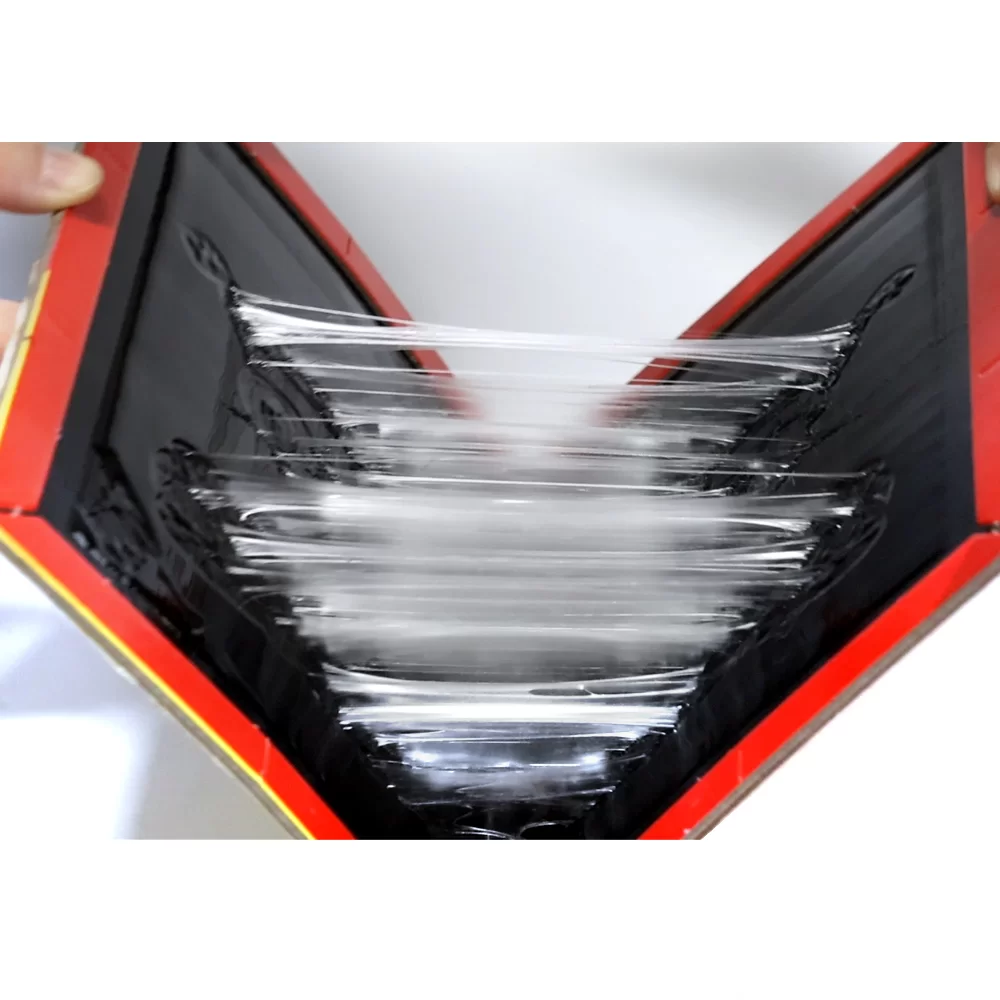
These traps typically combine a sticky surface or liquid bait that ensnares the flies once they land. They can be as simple as colored sticky cards or more advanced versions incorporating attractants tailored to specific species. Beyond home use, these traps are vital tools in integrated pest management programs in agriculture, often helping to monitor or suppress pest populations without harsh chemicals.
Key Factors of Yellow Fruit Fly Traps
1. Attractiveness
Color plays a huge role — research shows that the shade of yellow used can significantly impact effectiveness. Some traps include added lures or pheromones, enhancing attraction. This is why the design must be carefully selected for target species.
2. Durability and Weather Resistance
Traps deployed outdoors must withstand sunlight, rain, and wind without losing stickiness or structural integrity. Materials like UV-resistant plastics and adhesives matter here.
3. Ease of Deployment
Farmers and gardeners alike prefer traps that are quick to set up and retrieve. Lightweight, reusable designs that facilitate easy monitoring are highly valued.
4. Environmental Impact
Traps should minimize non-target captures and avoid toxic chemicals. Biodegradable materials and selective lures help reduce harm to beneficial insects.
5. Cost Efficiency
Especially in large-scale agriculture, cost per unit and longevity influence adoption rates. Cheaper, disposable traps might suffice for home use but aren’t sustainable at scale.
6. Scalability
For commercial orchards or national programs, traps must be scalable in deployment density and manageable within IPM cycles.
Product Specification Table: A Typical Yellow Fruit Fly Trap
| Specification |
Details |
| Color |
Fluorescent Yellow (approx. 570–590 nm) |
| Dimensions |
15 cm x 20 cm sticky card or equivalent |
| Material |
UV-resistant polyethylene, non-toxic adhesive |
| Attractant |
Methyl Eugenol or Cue-Lure (species-dependent) |
| Shelf Life |
6 months sealed, 4 weeks in field |
| Usage |
Monitoring & mass trapping in orchards, greenhouses, gardens |
Mini takeaway: Effective yellow fruit fly traps combine precise color, lure chemistry, and robust materials to make pest control both practical and eco-friendly.
Global Applications and Use Cases
Across the Americas, Africa, Asia, and Australia, yellow fruit fly traps are helping farmers and researchers alike. For example:
- In California and Florida, traps are central to managing Mediterranean fruit fly outbreaks, protecting multi-billion-dollar fruit industries.
- Smallholder farms in East Africa rely on traps as affordable pest control, reducing losses without expensive pesticides.
- Post-disaster relief projects in tropical zones sometimes deploy traps to prevent fruit fly population surges when sanitation is disrupted.
- Greenhouses in Europe and Japan use highly tailored trap designs integrated into automated IPM to reduce chemical use.
Oddly enough, some urban gardeners find that yellow sticky cards double as handy educational tools for children learning about pest cycles.
Vendor Comparison Table: Leading Yellow Fruit Fly Trap Brands
| Brand |
Attractant Type |
Price per Pack (10) |
Preferred Use |
Reusability |
| AgriTrap |
Cue-Lure & Methyl Eugenol |
$45 |
Commercial orchards |
No (disposable) |
| EcoCatch |
Natural banana essence |
$35 |
Home gardens & small farms |
Yes (cleanable) |
| TrapTech Pro |
Synthetic pheromones |
$55 |
Greenhouses & research |
No (single use) |
Advantages and Long-Term Value of Yellow Fruit Fly Traps
The benefits extend beyond just catching bugs — these traps help farmers reduce pesticide dependence, which is better for soil, pollinators, and human health. Cost-wise, trapping is usually cheaper than frequent pesticide application, especially when considering long-term environmental costs.
There’s also a trust and dignity factor: consumers increasingly demand sustainably grown fruits, and growers adopting these traps can access premium markets. On an emotional level, using such eco-conscious methods can foster a deeper connection to land stewardship, which many farmers mention as a rewarding aspect.
Future Trends and Innovations
Looking ahead, yellow fruit fly traps are becoming smarter. Sensor integration, connected monitoring apps, and automated data analytics are emerging to provide real-time pest surveillance — quite a leap from paper cards stuck to trees.
Material innovations are exploring fully biodegradable traps, reducing plastic waste. Additionally, combining traps with green energy (like solar-powered fans to spread attractants) is underway in pilot projects. Policy-wise, there’s growing support for IPM strategies that prioritize traps over chemicals, aligned with ISO sustainability guidelines.
Challenges and Solutions
Yellow fruit fly traps are excellent but not perfect. For one, non-target insects sometimes get caught, which concerns ecologists. Also, traps require regular maintenance and replacement, which can be a barrier for some users.
Experts recommend training programs to optimize trap placement and attractant use. Innovative molecular lures are being developed to be species-specific, reducing by-catch. Community-based monitoring networks have also shown promise in spreading best practices efficiently.
FAQ: Frequently Asked Questions About Yellow Fruit Fly Traps
- How often should yellow fruit fly traps be replaced?
- Typically, sticky traps last 3 to 4 weeks in outdoor conditions before losing effectiveness due to dirt or drying out. Attractants may need refreshing every 4 to 6 weeks depending on weather. Regular monitoring ensures optimal performance.
- Can yellow fruit fly traps be used indoors?
- Yes, traps can be effective indoors or in greenhouses if placed near fruit or entry points. However, attractant strength might vary, so choose formulations safe for enclosed spaces.
- Do these traps eliminate fruit flies completely?
- They help significantly reduce populations but don't usually eradicate pests entirely alone. Traps should be part of an integrated pest management approach, including sanitation and cultural controls.
- Are yellow fruit fly traps safe for beneficial insects and pets?
- Traps are generally non-toxic and safe, though some non-target insects may get caught. Placement away from flowering plants and minimizing attractant spillage helps reduce unintended captures.
- Where can I buy reliable yellow fruit fly traps?
- Numerous agricultural suppliers and online vendors offer traps. Trusted brands can be researched through agricultural extension services or yellow fruit fly trap product reviews.
Conclusion: Embracing Yellow Fruit Fly Traps for Sustainable Pest Control
To wrap it up, yellow fruit fly traps embody a simple yet powerful idea: managing pests with precision, care, and respect for the environment. For growers, they provide economic relief and open doors to greener certification. For consumers, tastier, safer fruit hits the table. For the planet, fewer chemicals linger in the soil and waterways.
If you’re curious about practical, effective pest management solutions or want to explore advanced yellow fruit fly traps, don’t hesitate to visit our website. Sometimes, the tiniest innovations make the biggest differences.
Mini takeaway: Don’t underestimate the value of a well-made yellow fruit fly trap — it’s pest control in its smartest, greenest form.
References
- FAO - Fruit Fly Management
- ISO Guidelines on Sustainable Agriculture
- Wikipedia - Mediterranean Fruit Fly