Garden Sticky Traps: An Eco-Friendly Solution for Pest Control
Garden sticky traps might not be the flashiest topic out there, but they sure matter — and quite globally, too. As the demand for sustainable, chemical-free pest management grows, understanding these simple yet effective tools becomes essential not just for hobbyist gardeners, but for commercial growers worldwide. They promise an easier fight against pesky insects, reducing pesticide use and ultimately helping our ecosystems and food security. So, why does this old-school tech still count in today’s high-tech agricultural world? Well, let's peel back the leaves and dig in.
Introduction: The Global Context of Garden Sticky Traps
Looking at it from a wider lens, pest control is a massive sector, with pesticide sales globally nearing $70 billion annually according to Statista. But the increasing awareness of chemical impacts on biodiversity, human health, and water quality has nudged growers toward safer strategies. Here’s where garden sticky traps earn their place. These traps are vital in integrated pest management (IPM) approaches advocated by organizations like the FAO, aiming to cut pesticide dependency worldwide.
Globally, growers face the dual challenges of increasing crop yields and maintaining environmental stewardship. Sticky traps help confront this by providing an accessible, chemical-free method to monitor and reduce insect populations, whether it’s in suburban backyard plots or sprawling commercial farms.
What Exactly Are Garden Sticky Traps?
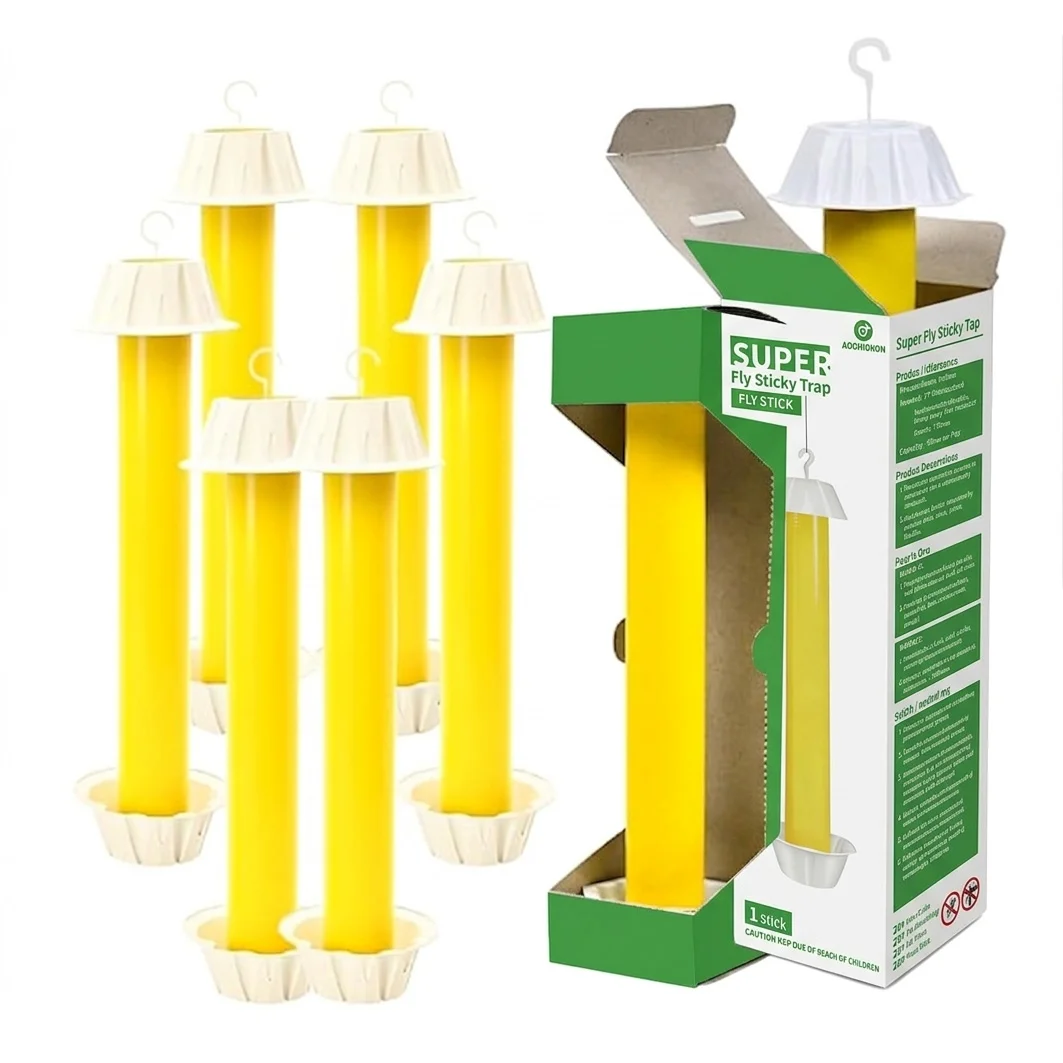
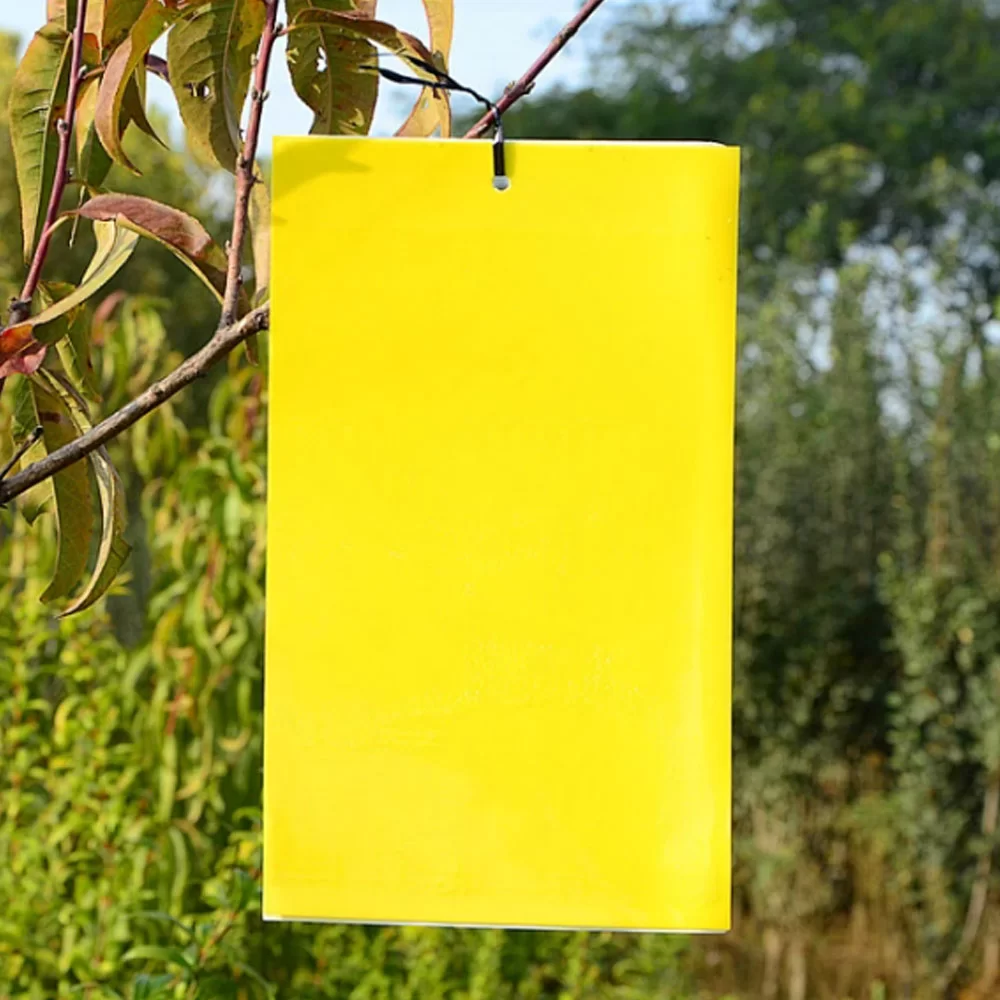
Put simply, these are sheets or cards coated with a very sticky adhesive designed to capture crawling or flying insects that land on them. They come in various sizes, colors, and adhesive formulas tailored to attract and trap specific pests. You hang or place these traps in your garden or greenhouse, and they work as silent sentinels, capturing bugs as they go about their business. Beyond just catching pests, they’re critical early warning systems, helping identify pest outbreaks early before they get out of hand.
In modern agriculture, garden sticky traps tie into broader pest control systems that emphasize monitoring, prevention, and minimal pesticide use. They mesh well with biological controls and other eco-friendly solutions, reflecting a global shift toward sustainable farming practices sensitive to both trader markets and consumer preferences.
Key Components of Effective Garden Sticky Traps
1. Adhesive Quality & Durability
The glue itself is surprisingly complex; it must be sticky enough to trap insects without drying or becoming ineffective under heat and moisture. Some manufacturers use non-toxic, water-based adhesives that last several weeks. It’s a tricky balance, but crucial for practical use.
2. Color & Attractiveness to Target Pests
The choice of color isn’t random — yellow is extremely popular because many pests like whiteflies, aphids, and fungus gnats are drawn to it. Other colors like blue or red attract different species. This targeted approach boosts efficiency.
3. Size & Placement
Traps come in a variety of sizes — from smaller cards for home gardeners to large panels for commercial farms. Proper placement in the garden or greenhouse is key to catching pests efficiently.
4. Environmental Safety
Unlike chemical controls, sticky traps are pesticide-free and safe for humans and pets, which makes them attractive in urban farming and organic agriculture.
Garden Sticky Traps: A Simple Spec Table
| Feature |
Typical Value/Option |
Notes |
| Adhesive Type |
Non-toxic, water-based |
Long-lasting, weather-resistant |
| Color |
Yellow, Blue, Red |
Target species specific |
| Dimensions |
10x15 cm to 30x60 cm |
Range for home to commercial use |
| Duration |
3–6 weeks |
Depends on conditions |
Global Applications & Real-World Use Cases
From the lush vineyards of Europe to tropical greenhouses in Southeast Asia, sticky traps are everywhere. Commercial growers use them as part of IPM programs to reduce pesticide sprays — ultimately safer for workers and consumers. In urban agriculture, like rooftop or vertical farms, sticky traps serve as the frontline defense without introducing toxins into enclosed spaces.
Oddly enough, disaster relief zones where food production must resume quickly, sometimes rely on these traps in community gardens to guard against outbreaks without complex chemical supply chains. Even research stations in remote zones deploy sticky traps for pest surveillance. It’s simple, cost-effective, and requires minimal training.
Vendor Comparison of Garden Sticky Traps
| Vendor |
Adhesive Type |
Color Options |
Price Range (per pack) |
Sustainability |
| EcoTrap |
Water-based, biodegradable |
Yellow, Blue |
$15–20 |
High |
| GreenGard |
Synthetic, strong hold |
Yellow only |
$10–14 |
Moderate |
| SafeCatch |
Natural resin adhesive |
Blue, Red |
$18–22 |
High |
Advantages & Long-Term Value of Garden Sticky Traps
The appeal of sticky traps is, quite frankly, their simplicity. They’re low cost and chemical-free, meaning reduced environmental contamination, less risk to pollinators, and safer spaces for workers and families. Using these traps can build community trust and promote a more peaceful coexistence with nature. For many growers, switching to IPM methods, including sticky traps, is a step toward responsible innovation — blending old wisdom with new priorities.
Looking Ahead: Future Innovations in Garden Sticky Traps
While sticky traps have been around for decades, ongoing research is sharpening their efficiency. Some companies are developing biodegradable adhesive formulas that decompose after use, minimizing waste. Others experiment with integrating smart sensors that detect insects caught on the traps and send real-time data to growers’ phones — reducing manual checking and improving response times.
Policy trends also support tighter restrictions on chemical pesticides, encouraging uptake of physical traps. As global agriculture faces climate change pressures, tools like sticky traps that reduce chemical inputs become even more important in fostering resilience.
Challenges & Solutions
Despite their benefits, sticky traps aren’t a silver bullet. Their effectiveness depends on correct placement and monitoring; misused traps can catch beneficial insects or become less sticky over time in harsh weather. There’s also a limitation in handling very high pest populations — traps work best as a part of a broader IPM package rather than solely.
Experts suggest thorough grower education and combining sticky traps with biological controls and crop management practices to overcome these hurdles. Research into more pest-specific adhesives and trap design also looks promising.
FAQ: Frequently Asked Questions About Garden Sticky Traps
- How often should I replace garden sticky traps?
Typically, every 3 to 6 weeks depending on weather and pest pressure. Replace sooner if traps are covered in insects or dust.
- Can sticky traps harm beneficial insects?
Yes, some beneficial insects can get trapped accidentally. Using the correct color and placing traps thoughtfully helps minimize this risk.
- Are sticky traps useful indoors?
Absolutely, greenhouses and indoor gardens benefit from sticky traps since they don’t introduce chemicals into enclosed spaces.
- Do sticky traps require special disposal methods?
Usually no — but dispose of them according to local waste guidelines, especially if they have biological residues or pesticides (rare for garden traps).
Conclusion: A Small Tool with Big Potential
Garden sticky traps demonstrate that sometimes the simplest solutions pack the biggest punch. As part of a modern, sustainable pest management strategy, they help protect crops, reduce reliance on harsh chemicals, and foster safer environments. If you haven’t tried them yet, visiting garden sticky traps suppliers might just launch your garden to the next level.
There’s a quiet revolution underway — blending biology, technology, and common sense to safeguard our food and planet. Sticky traps are small pieces of that puzzle, and frankly, pretty indispensable.
Reflection: Embracing low-tech tools like sticky traps reminds us that innovation often lies in simplicity, aligning human practices with nature’s balance rather than working against it.
References:
1. FAO Integrated Pest Management
2. Gardening - Wikipedia
3. Global Pesticide Market Size - Statista