Understanding Fly Sticky Pads: A Practical Solution in Pest Control
Fly sticky pads are simple yet highly effective tools designed to trap flies and other flying insects. Globally, these little helpers play a surprisingly significant role in improving hygiene, reducing disease transmission, and enhancing quality of life — especially in environments where chemical pesticides might be undesirable or impractical. As we explore these flat, adhesive strips, or pads, you’ll find that their impact stretches well beyond just catching flies. They intersect with public health initiatives, agriculture, food safety, and even humanitarian efforts.
Global Context: Why Fly Sticky Pads Matter More Than You Think
Worldwide, flies are notorious vectors for spreading bacteria, viruses, and parasitic organisms. Studies from organizations like the World Health Organization have linked flies to many forms of foodborne illness, which remain a challenge particularly in developing regions. Fly sticky pads offer a mechanical, non-toxic approach to controlling these vectors. According to the Food and Agriculture Organization (FAO), in agricultural settings, fly control can substantially reduce contamination in livestock areas, impacting meat and dairy safety. Oddly enough, in our increasingly urbanized world, these pads find their way into hospital kitchens, schools, restaurants, and even refugee camps.
With strict regulations limiting pesticide use indoors and rising concerns about environmental impact, the demand for safer, chemical-free fly control options like sticky pads continues to grow. Globally, the pest control market is projected to increase by over 5% annually through 2030, partly driven by such sustainable products.
What Exactly Are Fly Sticky Pads?
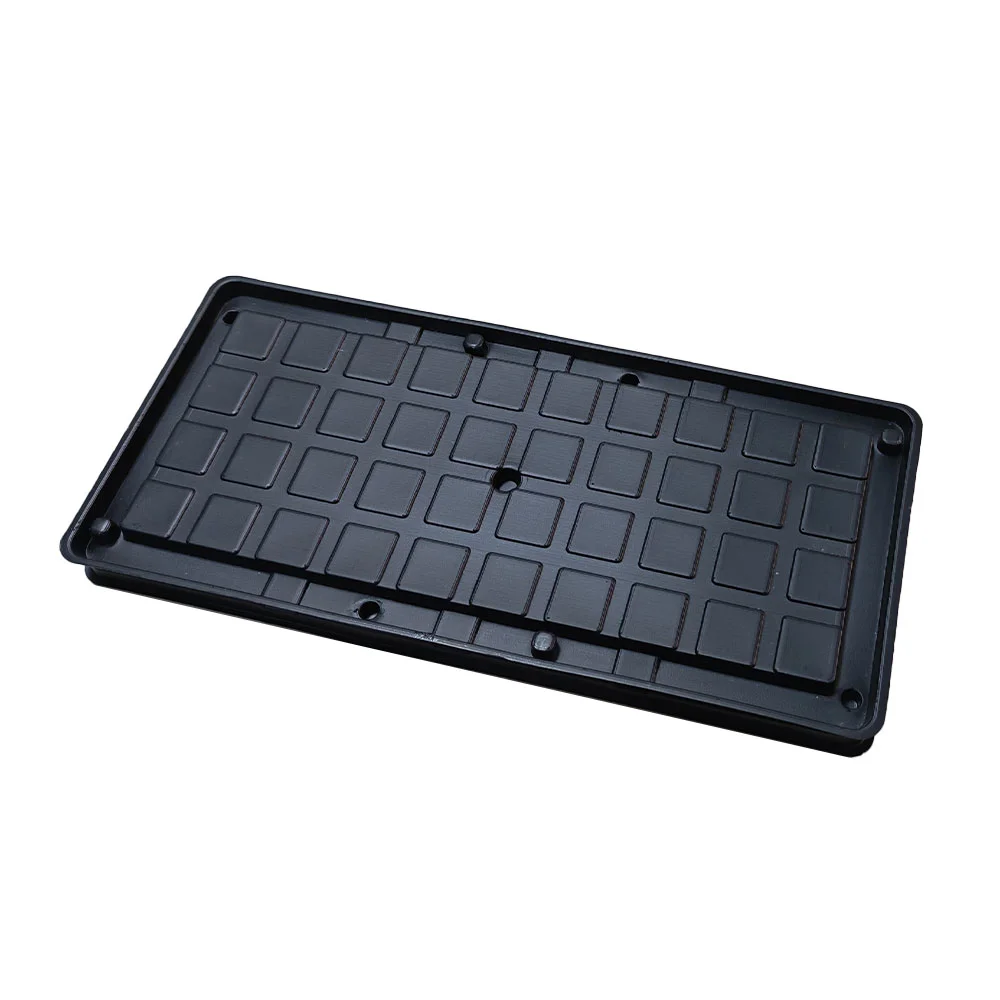
Put simply, fly sticky pads are sheets or strips coated with a strong, tacky adhesive designed specifically to capture flies and other small insects when they land. They are usually bright yellow or blue to attract flies, as these colors exploit insects’ visual preferences. This non-toxic, pesticide-free method of trapping insects makes fly sticky pads an environmentally friendly alternative to sprays or chemical insecticides.
In modern settings, these pads serve sanitary roles in food processing plants, hospitals, farms, and residential areas. For humanitarian aid organizations, fly sticky pads are indispensable tools in managing sanitation and limiting disease outbreaks in crowded or makeshift environments.
Key Attributes of Fly Sticky Pads
1. Durability
Good fly sticky pads maintain their adhesion and insect-catching capability across days or even weeks, depending on conditions. The adhesive must resist drying out, dust accumulation, and humidity — especially in tropical or humid climates.
2. Attractiveness to Insects
The use of color and sometimes scent is tailored to target specific fly species. For example, yellow pads are particularly attractive to houseflies, while blue hues lure certain biting flies.
3. Ease of Use and Safety
Fly sticky pads typically come with simple fixtures or hanging devices, enabling quick deployment in various contexts — you can use them on walls, ceilings, windows, or outdoors under sheltered areas. Since they avoid chemicals, they’re safe around food and children.
4. Cost Efficiency
Compared to electric zappers or chemical sprays, fly sticky pads represent an affordable pest control solution for industries and households alike.
5. Eco-friendliness
Because these pads avoid insecticides, they help reduce environmental contamination and the risk of insecticide resistance, a growing concern worldwide.
| Specification |
Typical Range |
Notes |
| Pad Dimensions |
15 x 20 cm to 30 x 40 cm |
Varies with use case |
| Adhesive Life |
7 to 14 days |
Depends on environment |
| Color Options |
Yellow, Blue, Transparent |
Yellow attracts houseflies best |
| Target Insects |
Houseflies, Fruit Flies, Gnats |
Non-specific, captures multiple insect types |
Global Applications & Use Cases
- Agriculture: On farms worldwide, fly sticky pads help control flies around dairy and poultry operations, reducing contamination.
- Food Processing: Factories and commercial kitchens often place these pads near doors, windows, and food prep areas to maintain hygiene standards.
- Healthcare Facilities: Reducing fly presence contributes to infection control, particularly in surgical wards and pharmacies.
- Humanitarian Camps: In refugee settlements, where sanitation infrastructure might be temporary or limited, these pads are a low-cost method to control disease vectors.
- Residential Use: From suburban backyards to urban apartments, fly sticky pads offer a no-fuss solution for everyday fly nuisance.
Vendor Comparison: Popular Fly Sticky Pad Brands
| Brand |
Pad Size (cm) |
Adhesive Duration |
Price per Pack |
Eco Certification |
| FlyAway |
20 x 30 |
10 days |
$15 (10 pads) |
No |
| EcoTrap |
25 x 30 |
14 days |
$22 (10 pads) |
Yes |
| PestGuard |
15 x 20 |
7 days |
$12 (10 pads) |
No |
Advantages and Long-Term Value of Fly Sticky Pads
Fly sticky pads boast several tangible benefits, both practical and emotional. In monetary terms, their low upfront cost and minimal maintenance needs make them a favorite for budget-conscious facilities. But beyond cost, they offer a sustainable approach by minimizing chemical use, helping preserve local ecosystems and preventing chemical resistance in flies. For users, the peace of mind that comes with a fly-free environment — especially in food and healthcare spaces — adds a layer of safety and dignity, which frankly can’t be overstated.
Future Trends and Innovations
Looking ahead, manufacturers are exploring biodegradable adhesives and substrates to mitigate environmental waste — a common gripe about disposable sticky pads. Others experiment with enhanced odors or pheromone traps integrated into sticky surfaces to increase trapping efficiency. With rising digital transformation, there is even talk in entomology circles of “smart” sticky pads capable of detecting and reporting insect activity via IoT sensors, though this is very much in experimental phases.
Challenges and Solutions
One limitation is that sticky pads require regular replacement, and their effectiveness declines when dust or humidity dampens adhesive quality. To address this, some companies now offer modular refill systems and moisture-resistant coatings. Additionally, sticky pads do not actively repel flies, only trap them after they land, necessitating complementary control measures for outbreak-level infestations. Integrated pest management strategies combining sticky pads with sanitation walks or natural repellents often yield best results.
FAQ: Common Questions About Fly Sticky Pads
- How long do fly sticky pads typically last?
Most fly sticky pads remain effective for 7 to 14 days, depending on environmental conditions such as dust, humidity, and insect volume.
- Are fly sticky pads safe to use around food preparation areas?
Yes, since they rely on a non-toxic adhesive and mechanical trapping, they are safe around food and do not release chemicals or odors.
- Can fly sticky pads be used outdoors?
Yes, but effectiveness may be reduced by rain or excessive dust. For best results, place them in sheltered, shaded outdoor areas.
- How do I dispose of used fly sticky pads?
Used pads should be wrapped and disposed of in sealed waste containers to avoid accidental contact. Eco-friendly options may be compostable or biodegradable.
- Do sticky pads attract all types of flies?
They attract most household and nuisance flies, especially houseflies and fruit flies, though some biting fly species may be less attracted depending on color and placement.
Conclusion: Why Fly Sticky Pads Deserve More Attention
Fly sticky pads are more than just a flycatcher—they’re a small but mighty player in the global effort to improve health, hygiene, and environmental sustainability. Combining affordability, effectiveness, and safety, they make pest control accessible to a vast array of users worldwide. For anyone interested in practical pest management that’s gentle on people and the planet, fly sticky pads offer a surprisingly robust solution.
To explore quality fly sticky pads and more pest control products, visit our website: fly sticky pads.
It feels like fly sticky pads will remain a quiet staple in pest control, quietly catching flies and protecting communities—one sticky trap at a time.
References
- World Health Organization: Food Safety
- Food and Agriculture Organization (FAO)
- Wikipedia: Mechanical Pest Control