Understanding House Bug Traps: Effective Solutions for Everyday Pest Control
At first glance, "house bug traps" might sound mundane, but they’re actually a surprisingly important part of global efforts to manage pest infestations in homes, workplaces, and even humanitarian relief zones. As urban populations swell and climate changes impact insect behavior worldwide, understanding effective, safe ways to manage bugs inside human habitats becomes more than a convenience — it’s a public health priority.
From reducing the risk of disease to protecting food supplies in homes, the mechanisms behind house bug traps reflect an intersection of science, design, and practical ingenuity. Frankly, getting a handle on these traps isn’t just about keeping pests out; it’s about ensuring healthier living environments everywhere.
Global Significance of House Bug Traps
According to the World Health Organization, vector-borne diseases cause over 700,000 deaths annually, many transmitted by household pests like mosquitoes and cockroaches. This statistic alone underscores the stakes involved. In densely populated urban centers, and especially in vulnerable communities, controlling such insects is challenging yet vital.
Moreover, with global temperatures shifting, bugs often migrate into new regions – making innovative house bug traps a timely solution. They offer an integral line of defense that’s sustainable, approachable for homeowners, and scalable for communities worldwide.
What Are House Bug Traps?
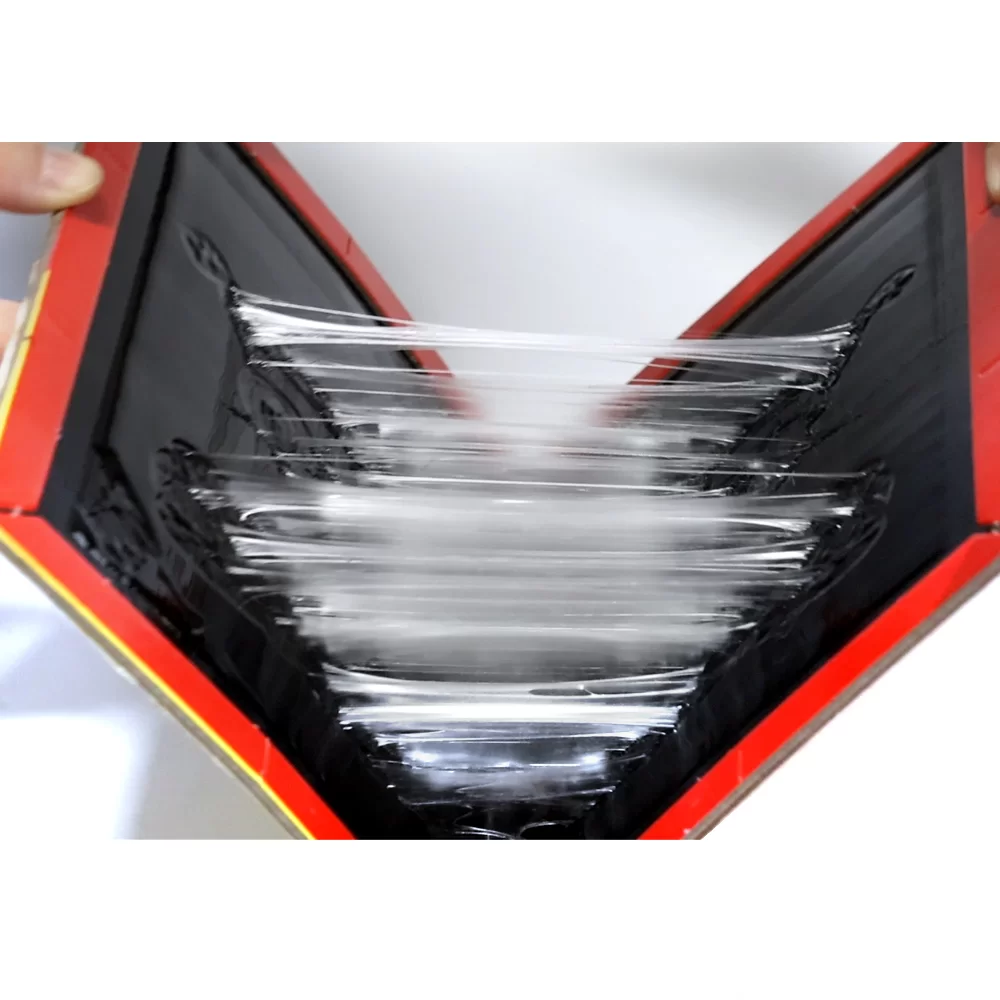
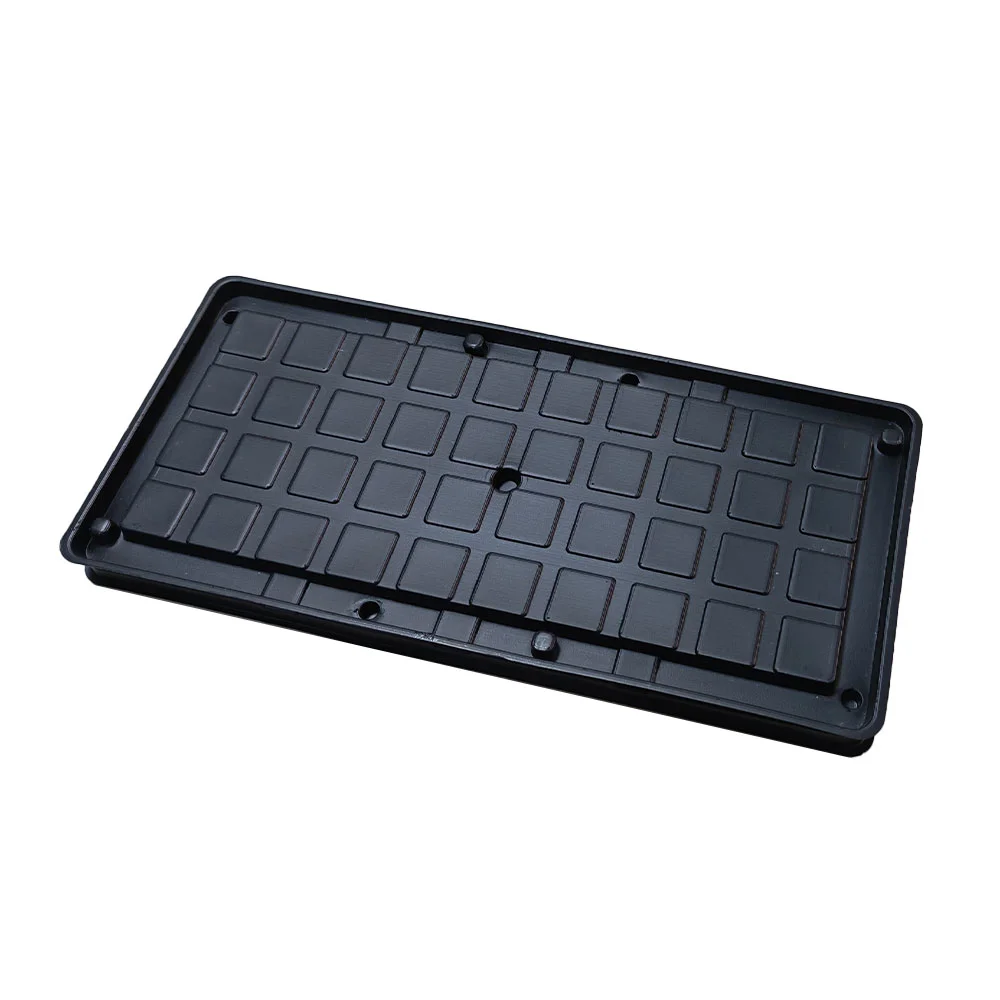
Simply put, house bug traps are devices designed to lure, capture, and often kill household insects to reduce infestations. They range from sticky boards and light-based traps to baited containers, each leveraging insect behaviors like attraction to food, light, or pheromones.
While traditional chemical insecticides have their place, traps provide a less toxic, more targeted way to control pests — increasingly important as concerns over chemical exposure and environmental impact grow.
Core Components of Effective House Bug Traps
1. Attractants
These include pheromones, food lures, or light sources designed to entice bugs. For example, many traps use UV light for flying insects like moths or mosquitoes.
2. Capture Mechanism
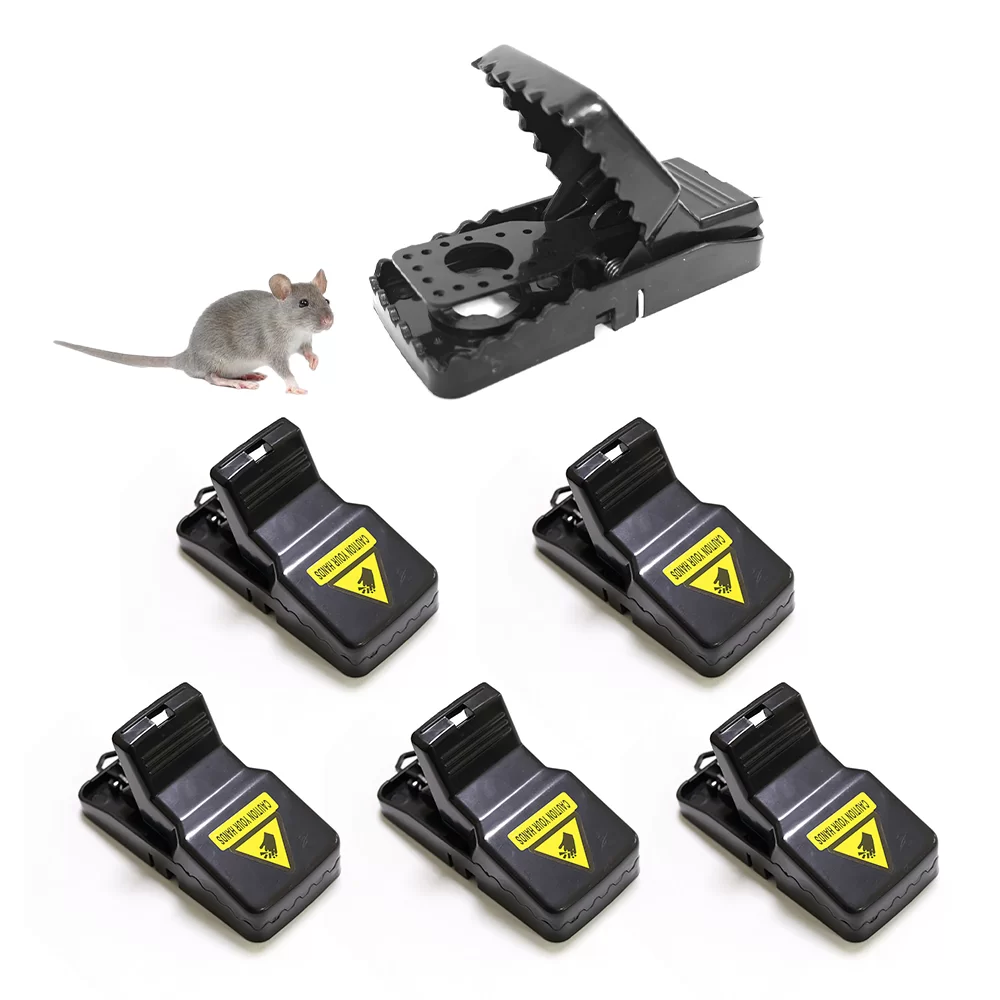
Sticky surfaces, snap traps, or containment chambers physically hold or kill the bug once lured inside. The choice affects reusability and safety around pets or children.
3. Durability and Material
Quality traps use durable, non-toxic materials that withstand indoor conditions without breaking down quickly — essential for cost-efficiency and environmental considerations.
4. Ease of Use
Clear instructions, straightforward placement, and low maintenance improve user adoption, especially in households unfamiliar with pest management.
5. Safety Features
For homes with kids or pets, traps that avoid chemicals and minimize risk of accidental contact are especially valued.
House Bug Trap Specifications (Example)
| Feature |
Example Model |
Details |
| Type |
Sticky Glue Board |
Non-toxic adhesive surface attracts crawling bugs |
| Attractant |
Pheromone-scented pad |
Targets species-specific bugs like cockroaches |
| Coverage Area |
Up to 50 sq ft |
Suitable for kitchens and bathrooms |
| Safety |
Non-toxic, chemical-free |
Safe for pets and kids when placed properly |
| Price |
$12 per 6-pack |
Cost-effective for recurring use |
Comparing Leading House Bug Trap Vendors
| Vendor |
Trap Types |
Eco-Friendly Materials |
Price Range |
Strengths |
| PestShield |
Sticky, Electric, UV light traps |
Yes, biodegradable covers |
$10-$45 |
Long-lasting, safe indoors |
| EcoTrap |
Bait traps with pheromone lures |
100% compostable |
$15-$30 |
Sustainability focus |
| BugSafe Pro |
Electromechanical zappers |
Partial, uses plastics |
$20-$50 |
High catch rate for flying bugs |
Where Are House Bug Traps Making a Difference?
It’s odd but fascinating how these simple devices fit into huge and complex situations. For example:
- Disaster relief camps: Where clean living is a challenge, bug traps help reduce disease vectors without needing electricity or chemicals.
- Urban households: In crowded cities with aging infrastructure, traps act as an affordable front line against cockroach infestations.
- Food storage facilities: Protecting stored grains and goods from pests is crucial, and integrated bug traps reduce spoilage losses significantly.
- Schools and healthcare centers: Ensuring hygienic environments in such community focal points is critical, so low-toxicity traps are often preferred.
Such diverse applications show how versatile and essential these technologies can be, tailoring solutions to local needs.
Advantages and Value over Time
The benefits of house bug traps are both immediate and lasting. In real terms, they:
- Lower health risks by reducing bug-borne diseases without harsh chemicals.
- Boost user confidence with easy deployment and low maintenance.
- Support sustainability by favoring reusable or biodegradable materials.
- Provide cost-effectiveness over pesticides that require frequent replacement or application.
- Preserve dignity by supporting clean, safe indoor environments, which has longer social benefits.
Future Trends in House Bug Traps
There’s exciting stuff on the horizon, frankly. Innovations are pushing towards:
- Smart traps: Connected devices using sensors and apps to monitor infestation levels remotely.
- Eco-friendly materials: Advances in bioplastics and natural adhesives aiming for zero environmental footprint.
- Solar-powered units: For outdoor and semi-open areas, sustainable energy enables longer operation without wires.
- Integrated pest management systems: Combining traps with biological controls to reduce chemical usage more entirely.
Challenges & Expert Solutions
Despite their effectiveness, house bug traps aren’t magic bullets. Some challenges include:
- Selective targeting: Traps need careful design to avoid catching beneficial insects.
- Maintenance: Adhesive traps require frequent replacement to remain effective.
- Indoor placement constraints: Safety around children and pets limits where traps can be placed.
Experts recommend combining traps with good sanitation, sealing entry points, and community education. Such holistic strategies often yield markedly better results.
FAQ: Your Questions About House Bug Traps Answered
- How do house bug traps differ from traditional pest sprays?
- Unlike sprays, traps don’t disperse chemicals into the air, reducing health risks and avoiding pesticide resistance. They capture bugs physically, making them safer for indoor use, especially around kids and pets.
- Can house bug traps be reused or recycled?
- Many sticky traps are one-time use, though some electrostatic or mechanical traps can be cleaned and reused. There’s growing focus on biodegradable materials to ease disposal concerns.
- Are these traps effective against all types of household bugs?
- Traps are often species-specific, with different models targeting flying insects, crawling bugs, or specific pests like cockroaches. It’s best to choose traps based on the infestation type.
- What's the best place to put house bug traps?
- Trap placement depends on bug habits. Areas like under sinks, along walls, near food storage, or dark corners are common spots. Avoid direct sunlight or where pets can disturb traps.
Conclusion: Why House Bug Traps Matter Long-Term
In the big picture, house bug traps represent an elegant convergence of technology and practicality that makes our living spaces safer and healthier. They offer a foundation for affordable, eco-conscious pest control that adapts to a changing world. If you've lingered over this topic (and I hope you have!), you’ll see how they’re more than just sticky pads — they’re tools in a global effort to protect lives and livelihoods.
Curious to learn more about effective pest control solutions? Visit our website: house bug traps for detailed product info, expert advice, and the latest innovations.
In short: When bugs invade, the right trap can restore peace of mind — sustainably and safely.
References:
1. World Health Organization (WHO) - Vector-borne diseases: who.int
2. Environmental Protection Agency (EPA) on Integrated Pest Management: epa.gov
3. ISO 14001 — Environmental Management Standards: iso.org