The Practical Allure of the Gnat Paper Trap: Understanding Its Role and Reach
When you first hear “gnat paper trap,” it might conjure up images of one of those sticky fly strips in a kitchen. But, oddly enough, these simple traps play a more vital role than just household annoyance management. Especially in both global agricultural and humanitarian sectors, understanding the gnat paper trap and its insights can be surprisingly beneficial. They reflect not only pest control strategies but also innovative, low-tech solutions adapted worldwide, even in the most resource-challenged environments.
Frankly, the global implications are significant if we consider the health and economic impacts of gnats as disease vectors and crop pests. According to the World Health Organization, arthropod-borne diseases pose ongoing challenges in many regions, especially tropical and subtropical zones. Here, the gnat paper trap emerges as a simple yet effective line of defense that combines cost efficiency with practical deployment.
Why the Gnat Paper Trap Matters Globally
Millions of small farms and rural communities depend on sustainable pest control methods. These traps offer an environmentally friendly alternative to chemical insecticides, which sometimes harm ecosystems or lead to insect resistance. For instance, smallholder farmers in Southeast Asia use these traps to monitor and reduce gnat populations to safeguard vegetables and fruits — a crucial income source. As global food security becomes a pressing issue, accessible tools like the gnat paper trap gain renewed importance.
Defining the Gnat Paper Trap
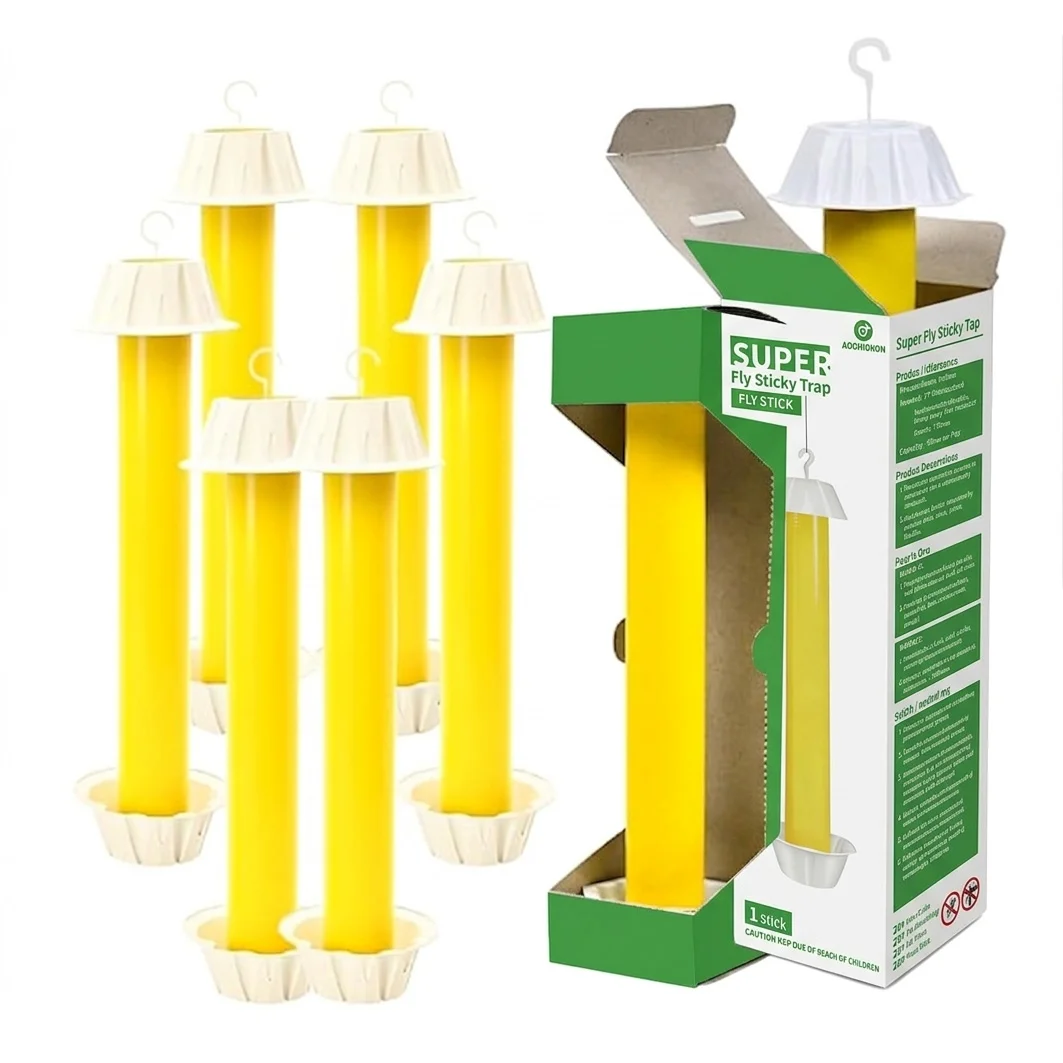
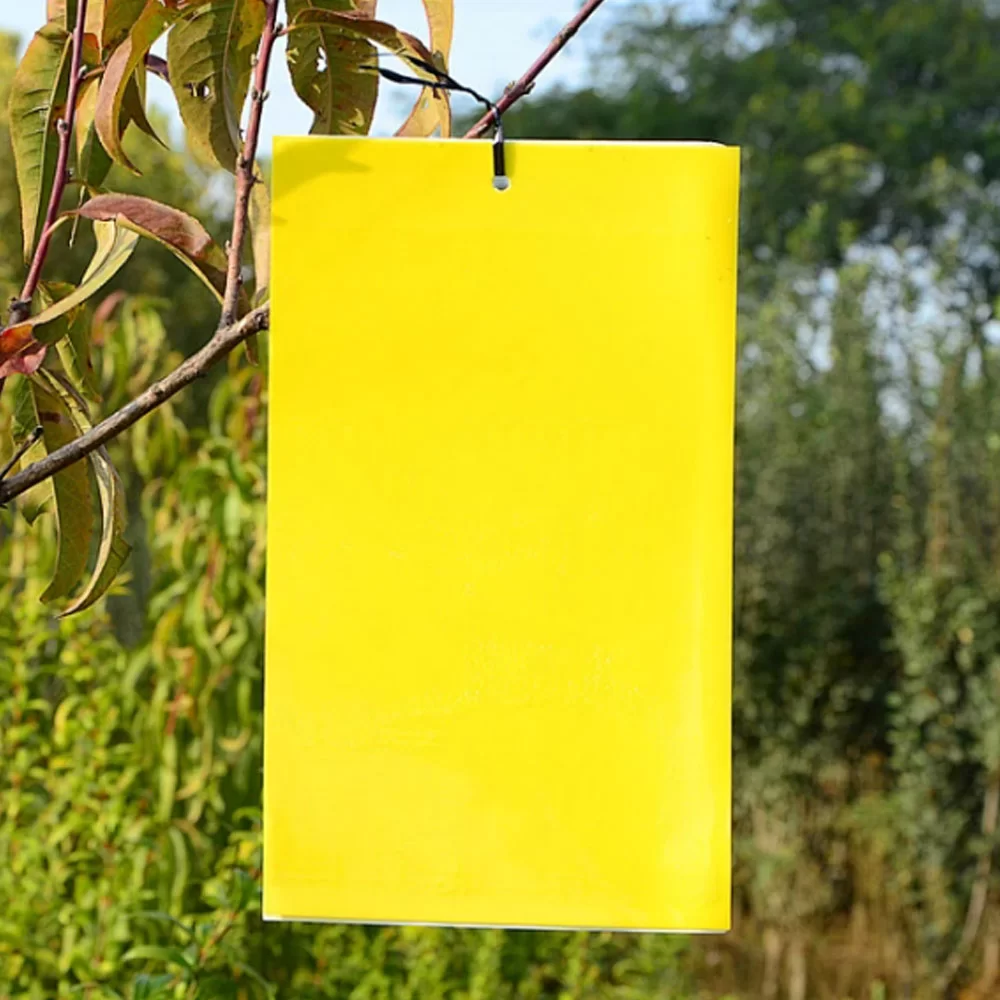
Simply put, a gnat paper trap is a sticky-coated paper or strip designed to attract and capture gnats and similar small flying insects. Often brightly colored—yellow being common—the adhesive surface lures these insects, which get stuck upon contact and eventually perish. This low-tech device helps track population density or even controls pests by physically removing them. Its simplicity is deceptive; it embodies a blend of entomological insight and pragmatic design that suits multiple uses across industry and public health.
Core Components of an Effective Gnat Paper Trap
- Adhesive Strength: The stickiness must be just right—not too weak to let gnats escape, but not so aggressive it becomes messy or fails under humidity.
- Color and Visual Cues: Yellow or sometimes blue traps attract gnats owing to insects’ visual preferences.
- Material Durability: Resistant to tearing or weather degradation, especially outdoors.
- Size & Shape: Designed to maximize surface area exposure while maintaining ease of placement.
- Safety & Environmental Considerations: Non-toxic adhesive formulas prioritize safe use around humans, animals, and plants.
Each factor plays a critical role in optimizing performance while keeping cost and environmental impact low.
Product Specification Table: Typical Gnat Paper Trap Characteristics
| Feature |
Description |
| Dimensions |
10 cm x 25 cm (standard strip) |
| Adhesive Type |
Non-toxic, weather-resistant synthetic glue |
| Color |
Bright yellow (preferred for gnat attraction) |
| Shelf Life |
6 months under sealed packaging |
| Usage Duration |
Up to 4 weeks outdoors, varies with climate |
| Environmental Impact |
Recyclable paper base, biodegradable adhesive variations available |
Global Applications & Real-World Use Cases
It’s not just small farms that value the gnat paper trap. Post-disaster regions often confront outbreaks of pest-borne diseases when sanitation breaks down. Relief organizations deploy large quantities of paper traps for quick, chemical-free insect control. In African countries facing malaria and other vector-borne diseases, similar traps assist as part of integrated pest management programs.
Industrial zones located in remote, humid areas—where chemical spraying is either cost-prohibitive or risky—also turn to these traps to protect stored food supplies or reduce pest nuisances for workers. And in horticulture, greenhouses in Europe and North America use gnat paper traps to monitor fungus gnat populations, helping avoid harmful pesticide overuse.
Vendor Comparison: Gnat Paper Traps on the Market
| Vendor |
Key Feature |
Price per Pack (100 pcs) |
Eco-friendliness |
Global Shipping |
| GnatGuard Inc. |
Weatherproof adhesive, extra-large strips |
$45 |
Standard paper, synthetic adhesive |
Yes |
| EcoTrap Solutions |
Biodegradable adhesive, recyclable paper |
$55 |
High – biodegradable materials |
Limited regions |
| FlyAway Supplies |
Economical bulk packs, quick shipment |
$35 |
Standard |
Worldwide |
Advantages & Long-Term Impact of Using Gnat Paper Traps
Using these traps is not just about catching gnats; it’s part of a broader effort to reduce chemical pesticide reliance and improve monitoring accuracy. This translates to cost savings for farmers and safer working environments. There’s an emotional comfort in employing visible, non-toxic control methods—knowing you’re not harming the soil or risking harmful residues.
Socially, these traps support dignified living conditions in vulnerable communities and enhance food safety. Reliability comes from their passive operation, requiring minimal maintenance—a crucial factor in remote or low-infrastructure areas.
Looking Ahead: Emerging Trends & Innovations
Innovators are working on enhancing the gnat paper trap by integrating slow-release pheromones to increase attraction or embedding sensors that detect insect count digitally, feeding data into apps for smart pest management. Sustainability drives also push toward fully biodegradable adhesives and locally sourced materials.
In the context of digital agriculture and the Internet of Things, it’s not far-fetched to imagine these simple sticky strips linked to a dashboard monitoring pest trends real-time, optimizing interventions before outbreaks escalate.
Challenges & Solutions
Of course, these traps are not without limitations. They trap only flying insects attracted to color and adhesive—meaning their effectiveness varies by species and environment. Weather like heavy rain can impair glue stickiness. Also, over-reliance might miss other pest species not lured by such traps.
Experts recommend integrating traps into comprehensive management plans, combining them with cultural controls, biological agents, or selective pesticides. Some vendors now offer traps with UV coatings or modular designs to extend usability despite climatic challenges.
Frequently Asked Questions About Gnat Paper Trap
- Q: How often should I replace gnat paper traps during the growing season?
- A: Generally, every 3-4 weeks is advisable, or sooner if the trap surface is covered with insects. Humidity and rainfall can also affect adhesive life, so monitor conditions closely.
- Q: Are gnat paper traps safe to use around children and pets?
- A: Yes, most employ non-toxic adhesives and paper materials. Nevertheless, placement out of reach is recommended to avoid accidental contact or ingestion.
- Q: Can gnat paper traps control large infestations effectively?
- A: While useful for monitoring and moderate control, they should be part of a larger pest management strategy in case of severe infestations.
- Q: Where can I buy eco-friendly gnat paper traps?
- A: Vendors like EcoTrap Solutions specialize in biodegradable and environmentally conscious products.
Conclusion: Why Embrace the Gnat Paper Trap?
In sum, the humble gnat paper trap offers a clear window into sustainable pest control’s future. It blends tradition with innovation, supports farm productivity, and aligns with broader environmental goals. If you’re interested in learning more or securing reliable products, I encourage you to check out our offerings here. It feels like small interventions like these can make quite a big difference.
Key takeaways:
- Gnat paper traps represent an accessible, low-cost pest control tool globally.
- They support sustainability by reducing chemical use and are adaptable to various climate conditions.
- Innovations promise even smarter, greener applications ahead.
References:
- Wikipedia: Sticky Trap
- WHO on Vector-Borne Diseases
- International Organization for Standardization (ISO)